Bespoke plush products, tailored to specific designs and functionalities, have become essential in various industries, including toys, promotional items, and corporate gifts. As a B2B buyer, understanding the nuances of bespoke plush manufacturing is crucial for making informed purchasing decisions. This article will address key specifications, sourcing reliable suppliers, common challenges, cost considerations, and installation guidance to ensure you can navigate the bespoke Plush Toys landscape effectively.
When evaluating bespoke plush products, several key specifications should be prioritized to ensure quality and suitability for your application:
Material Selection: The fabric used in plush toys significantly affects their appearance, durability, and safety. Common materials include polyester, cotton, and specialty blends. Consider not only texture and visual appeal but also compliance with safety regulations, especially for children's products
Dimensions and Weight: Each plush item should meet specific size requirements to ensure it fits within the intended application, whether for play, display, or promotional purposes. It's essential to confirm that the dimensions align with your design specifications to avoid production issues
Manufacturing Processes: The production methods employed—such as sewing, embroidery, and injection molding—impact the final product’s quality. A manufacturer’s capabilities in these areas can determine the finish and durability of the plush, so inquire about their machinery and production techniques
Certifications and Compliance: Certifications such as ICTI, Sedex, and BSCI ensure adherence to ethical manufacturing practices and product safety standards. Verify that your supplier holds relevant certifications to ensure compliance and quality assurance
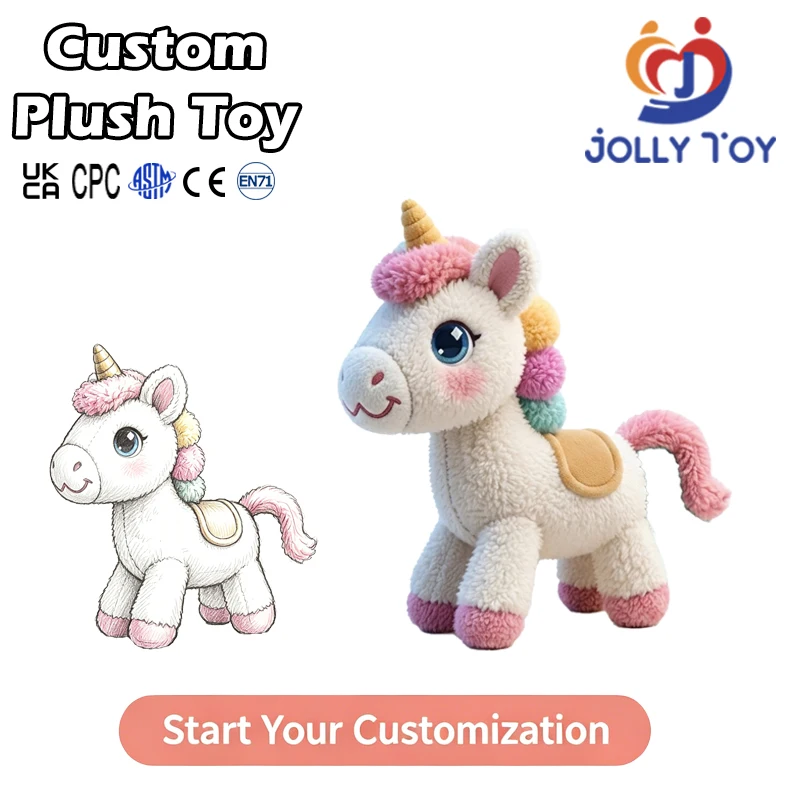
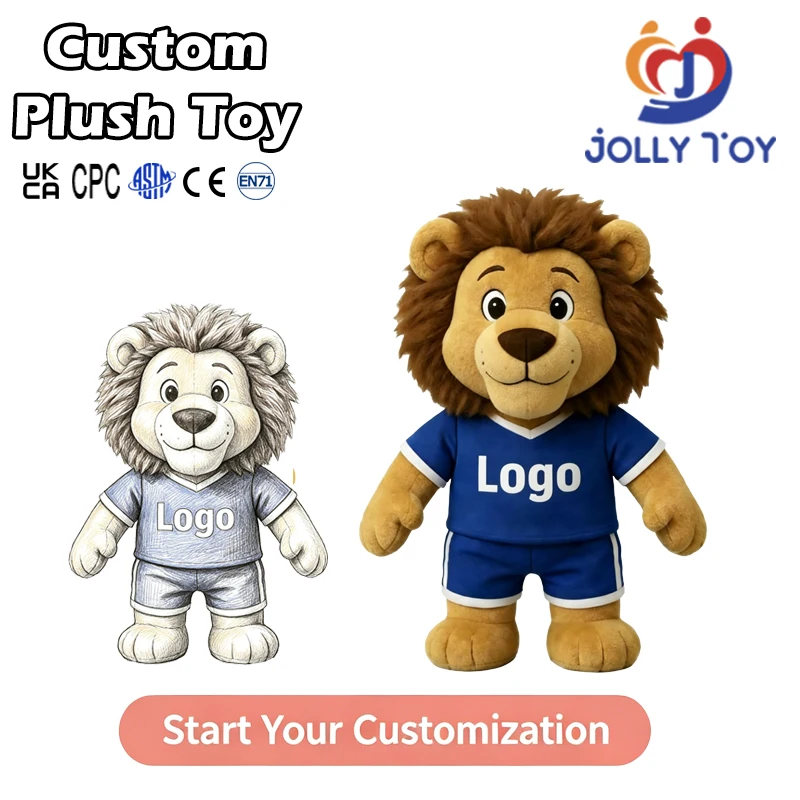
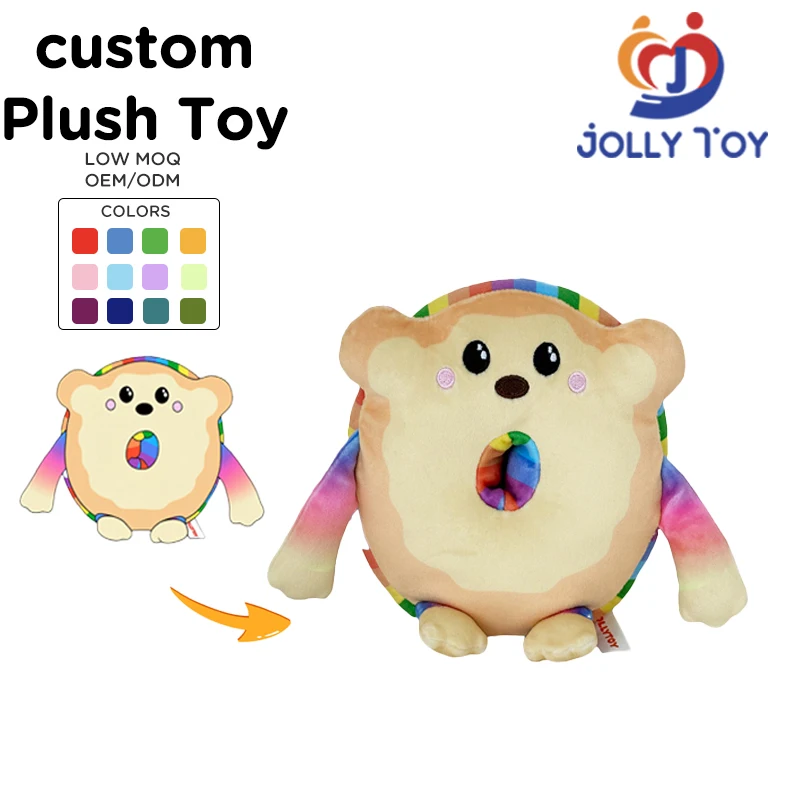
Customization Options: From size and shape to color and branding, the ability to customize is often a key factor in bespoke plush toy manufacturing. Discuss the range of customization options available, including embroidery, screen printing, or the addition of accessories.
Finding trustworthy suppliers for bespoke plush manufacturing involves thorough research and evaluation. Here are some effective strategies:
Industry Directories and Trade Shows: Utilize manufacturing directories and attend trade shows focused on toys and promotional products. These platforms allow you to meet suppliers, see their products, and discuss your requirements face-to-face
Online Marketplaces and B2B Platforms: Websites like Alibaba and ThomasNet can connect you with a wide variety of manufacturers. Look for suppliers with positive reviews, extensive product catalogs, and robust customer service
Networking and Referrals: Leverage your industry connections to obtain recommendations for reliable suppliers. Colleagues or business partners may have firsthand experience with manufacturers that meet your quality and compliance standards
Due Diligence: Once potential suppliers are identified, conduct background checks to verify their manufacturing capabilities, certifications, and production capacity. Request samples to assess product quality and consistency before placing bulk orders.
Bespoke plush products can present unique challenges during the manufacturing process. Here are some common issues and their solutions:
Quality Control Issues: Variability in plush quality can arise from inconsistent material sourcing or manufacturing processes. To mitigate this, establish clear quality standards and conduct regular inspections throughout production. Consider implementing a sampling protocol for quality checks before mass production
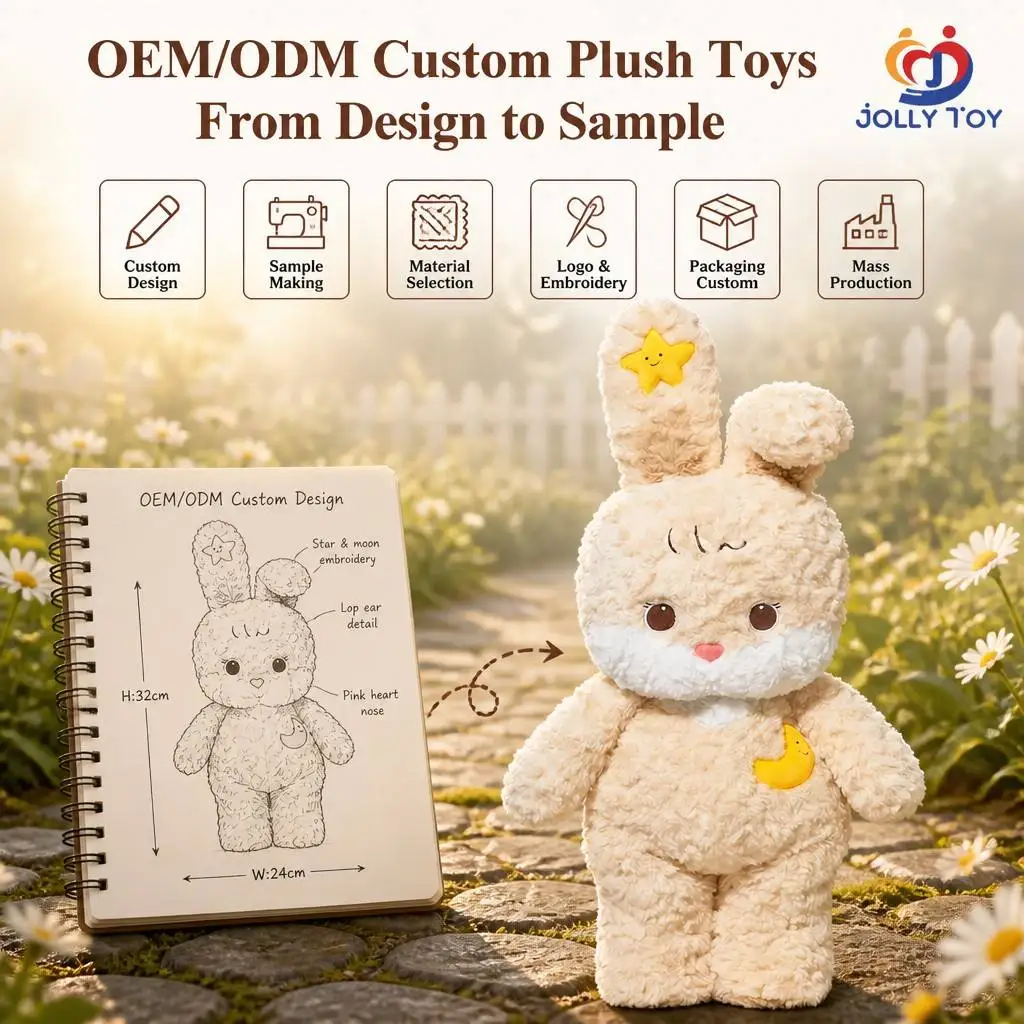
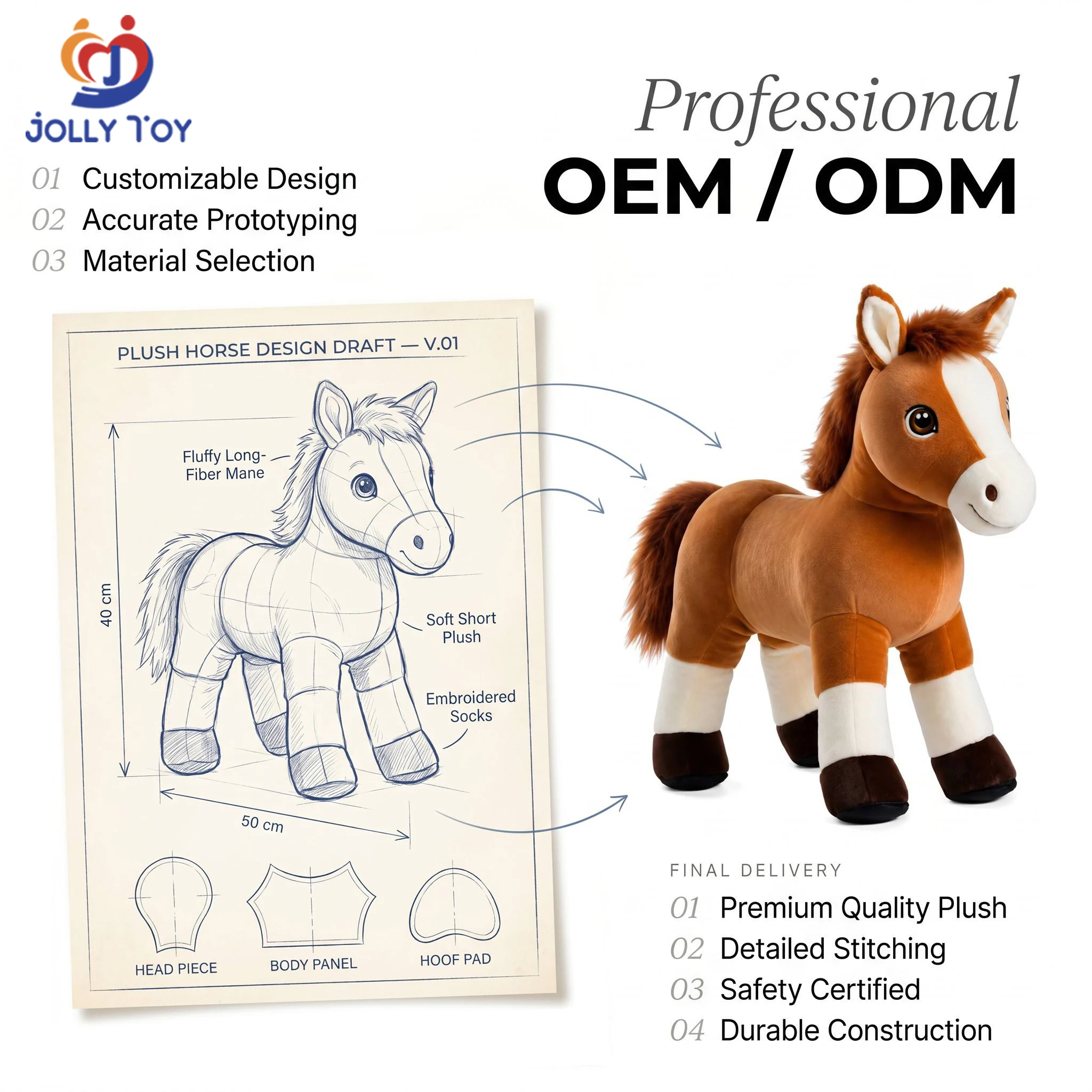
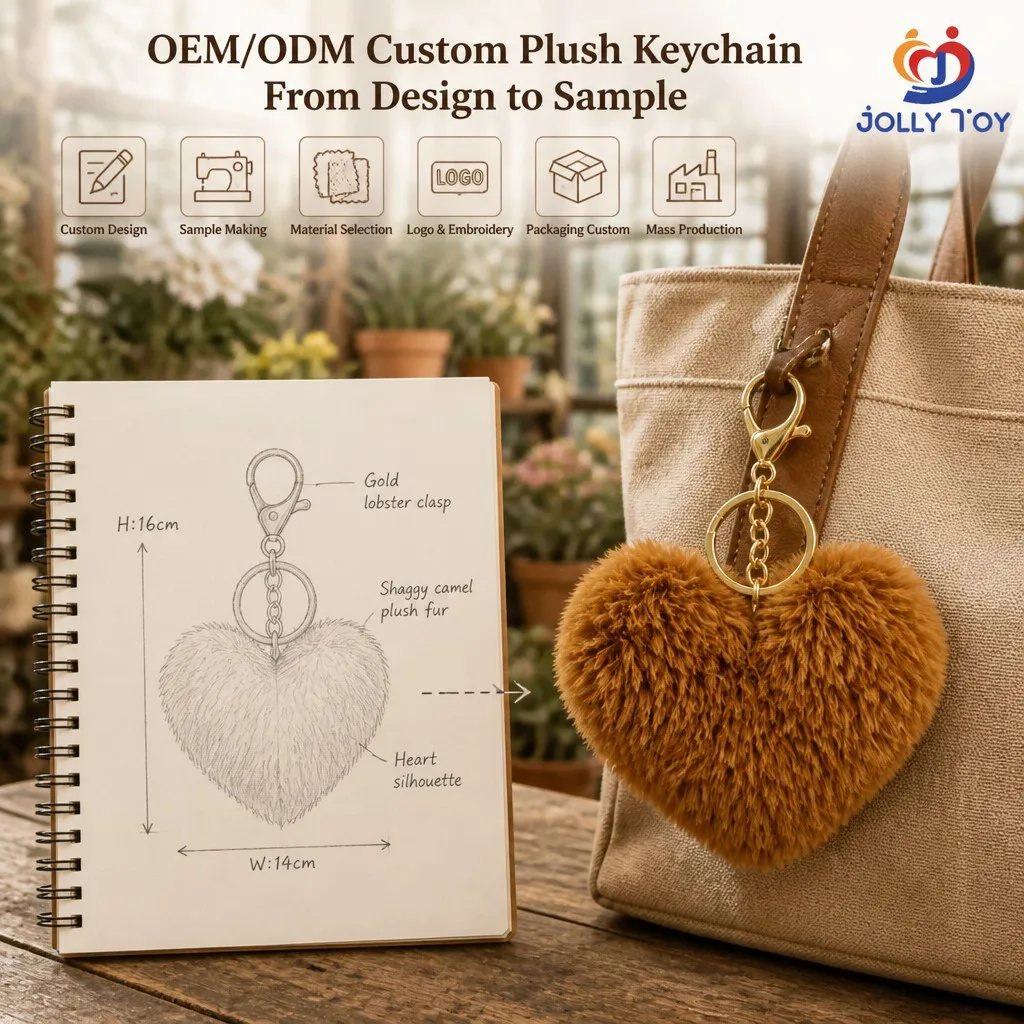
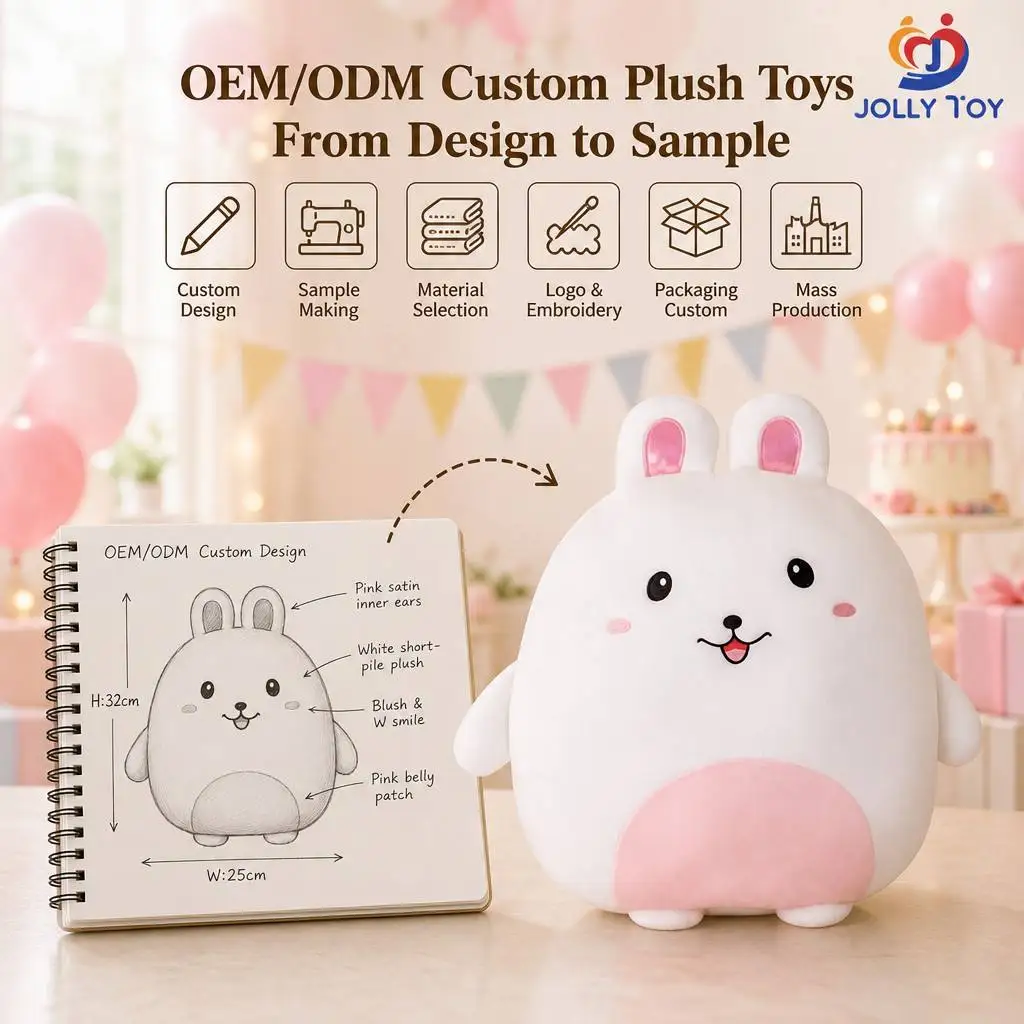
Design Misinterpretations: Miscommunication regarding design specifications can lead to products that do not meet expectations. Provide detailed technical drawings and prototypes to ensure your vision is accurately translated into the final product. Approving a sample before full production is crucial to confirming dimensions and appearance
Production Delays: Delays may occur due to equipment malfunctions or supply chain disruptions. Discuss lead times upfront and establish contingency plans with your manufacturer to address potential delays and maintain project timelines
Safety Compliance Issues: Failing to meet safety standards can result in costly recalls. Ensure that all materials used are compliant with relevant regulations, and request documentation to verify safety testing results.
Understanding the cost structure of bespoke plush manufacturing is vital for accurate budgeting. Key factors influencing the costs include:
Material Costs: The choice of fabric significantly affects pricing. Specialty materials or those with certifications for safety and sustainability may incur higher costs. Evaluate the trade-offs between material quality and budget constraints
Production Volume: Generally, higher quantities reduce the per-unit cost due to economies of scale. However, it’s essential to balance production volume with your inventory management capabilities and market demand
Customization Requirements: Custom features, such as unique designs or branding, can add to the overall cost. Be clear about your customization needs and seek quotations that detail how these will impact pricing
Shipping and Logistics: Factor in shipping costs, especially for bulk orders. Discuss logistics with your supplier, including options for local versus international shipping, to avoid unexpected charges.
When deploying bespoke plush products, particularly in retail or promotional contexts, proper installation is key to maximizing their appeal. Consider the following guidelines:
Display Considerations: If the plush items are to be displayed in stores or events, ensure you have a clear plan for their setup. Consider factors such as visibility, accessibility, and how they will attract attention
Maintenance and Care: Provide clear care instructions for plush products, especially if they will be handled frequently. This can include recommendations for cleaning, storage, and general maintenance to prolong their lifespan
Safety Considerations: Ensure that plush products are installed in a manner that complies with safety standards, particularly if they are intended for children. Avoid sharp edges or small detachable parts that could pose hazards
By understanding these key aspects of bespoke plush doll manufacturing, buyers can better navigate the complexities of sourcing and ensuring that the final products meet their quality, safety, and application requirements.

 EN
 AR
 CS
 DA
 NL
 FI
 FR
 DE
 EL
 IT
 JA
 KO
 NO
 PL
 PT
 RU
 ES
 SV
 IW
 UK
 TR
 AF
 GA
 IS
 LA