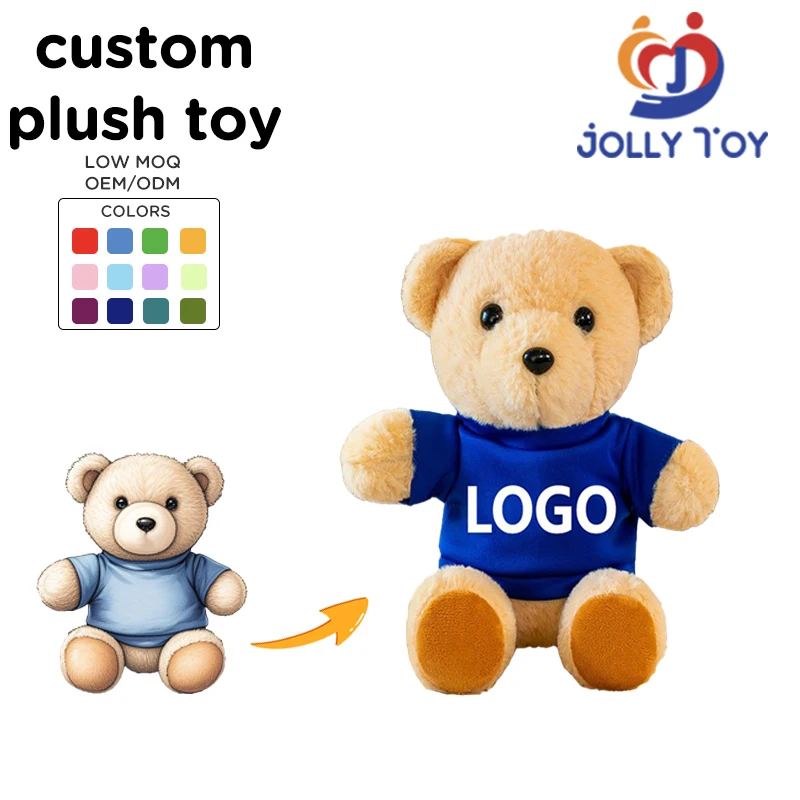
Custom teddy bears are not just playful companions; they serve as effective promotional tools, corporate gifts, and unique personal keepsakes. For businesses looking to source high-quality custom teddy bears, understanding the specifications, cost factors, and sourcing challenges is crucial. This article will help purchasing managers, product managers, and other professionals navigate the process of sourcing a custom made teddy bear, ensuring they make informed decisions that align with their business needs.
When considering custom teddy manufacturing, several specifications are essential to ensure the final product meets your expectations and application requirements
Material: The most common materials for teddy bears include plush fabrics (like polyester or cotton) and stuffing (such as polyester Fiberfill). Each material impacts the feel, durability, and safety of the final product. For instance, hypoallergenic materials are advisable for products intended for children to avoid allergic reactions
Size and Dimensions: Customization options often include varying sizes, typically ranging from small (10 inches) to large (30 inches or more). Buyers should specify the desired dimensions, as size will affect both the cost and the intended use
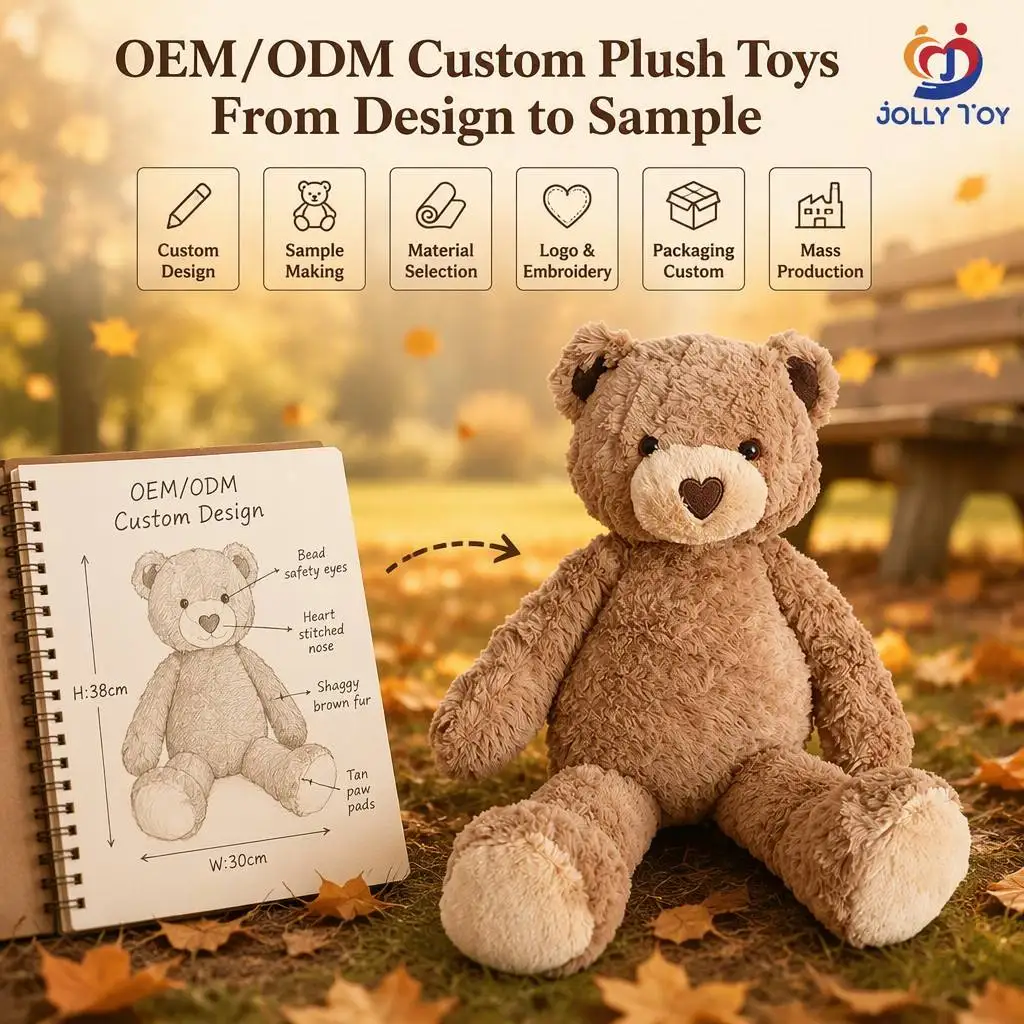
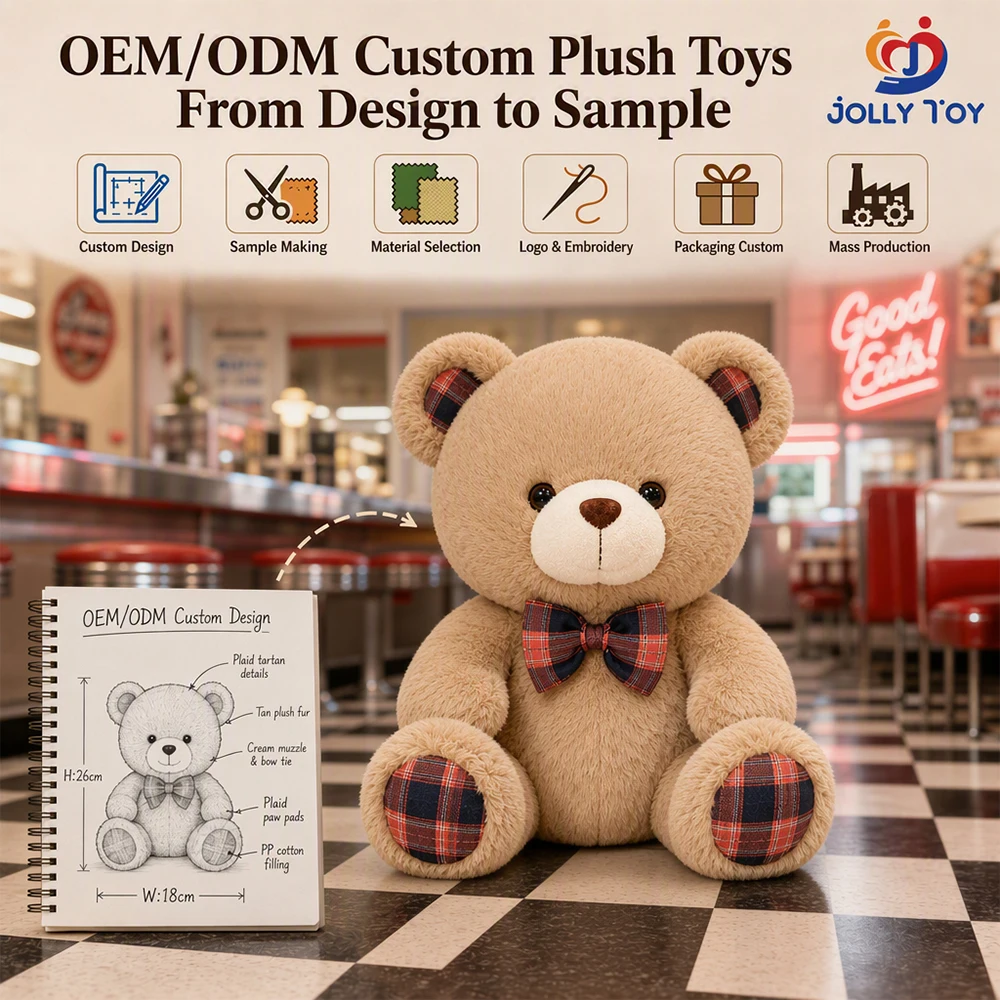
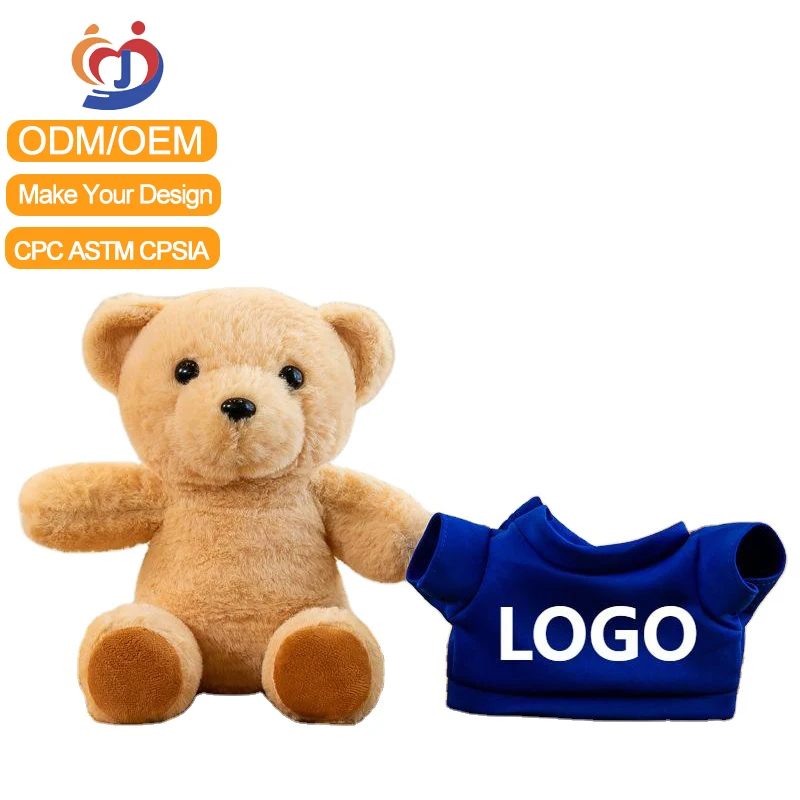
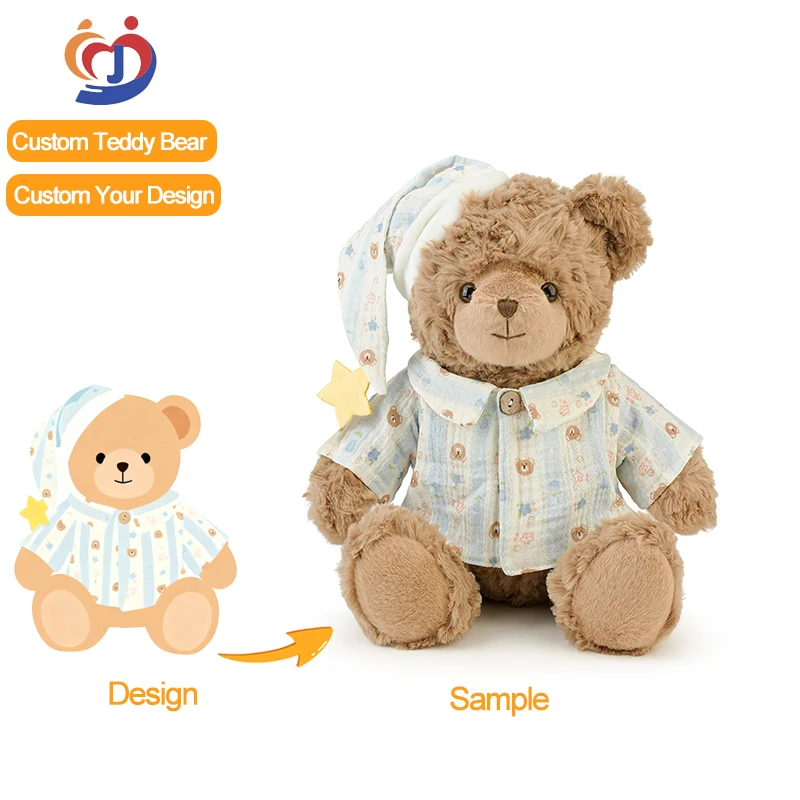
Design and Features: Customization can extend to adding features like embroidered logos, clothing, or accessories. Exact specifications for colors, patterns, and any unique design elements must be discussed and documented to avoid misunderstandings during production
Safety Standards: Compliance with safety regulations, such as EN71 (Europe) or ASTM F963 (USA), is critical. Make sure the manufacturer holds the necessary certifications to guarantee that the toys are safe for children
Production Capacity: Understanding the manufacturer’s capacity is crucial, especially if you require large quantities. With an annual production capacity of 800,000 pieces, a custom pet teddy manufacturer can handle substantial orders while maintaining quality.
The cost of custom teddy bears can vary significantly based on several factors:
Material Selection: Higher-quality materials will naturally lead to higher costs. For instance, organic cotton teddy bears will be more expensive than those made from standard polyester
Customization Levels: The more intricate the customization—like custom embroidery, specific colors, or unique accessories—the higher the cost. Simple designs typically incur lower production costs
Order Quantity: Bulk orders often reduce the per-unit cost due to economies of scale. Consider the Minimum Order Quantity (MOQ) set by the manufacturer, as this can influence total expenditure
Shipping and Logistics: Depending on the production location and shipping destination, logistics costs can add significantly to the total price. Buyers should inquire about shipping options and associated costs early in the negotiation process
Lead Time: Rush orders may incur additional fees. Standard lead times should be discussed upfront, allowing for better planning and inventory management.
While custom teddy bears are typically simple products, installation and presentation can vary based on their intended use:
Display for Retail: If using the bears for retail displays, consider the arrangement that maximizes visibility and appeal. Using shelves or themed displays can enhance the overall presentation
Promotional Events: For events, ensure that the bears are packaged attractively. Branded boxes or tags can enhance their appeal and serve as an effective marketing tool
Gifting: When used as corporate gifts, consider the presentation. Adding personalization like a name tag or a thank-you note can elevate the gifting experience
Care Instructions: Providing clear care instructions can help recipients maintain the Baby Soft Toys, ensuring longevity and satisfaction.
Sourcing custom teddy bears can present challenges. Here are some common issues and their solutions:
Quality Inconsistencies: Variations in quality can arise from different production batches. To mitigate this, request pre-production samples for approval before mass production. This step helps ensure that the final product meets your specifications
Communication Gaps: Misunderstandings can occur if specifications are not clearly communicated. Provide detailed technical drawings or reference samples to clarify your needs
Compliance Issues: Failing to meet safety standards can lead to costly recalls. Always verify that your manufacturer is compliant with relevant regulations and request proof of certifications
Delays in Production: Production delays can disrupt timelines. Establish clear timelines and consider including penalties for late deliveries in your contracts.
When comparing custom teddy options, consider the following criteria to ensure you choose the best supplier:
Product Quality: Examine samples for material quality, stitching, and overall craftsmanship. Pay attention to details like finish and safety compliance
Customization Capabilities: Assess the manufacturer’s ability to meet your specific customization needs. This includes design flexibility, material options, and the ability to incorporate your branding effectively
Pricing Structure: Compare pricing across different suppliers, but look beyond just the unit cost. Consider additional factors such as shipping, customization fees, and potential discounts for bulk orders
Lead Times: Evaluate the lead times offered by suppliers. Those with shorter lead times may be more suitable for urgent projects, but ensure they do not compromise quality for speed
Customer Support: Reliable customer service is essential. Choose suppliers who are responsive and willing to assist you through the process, from initial inquiry to post-purchase support
By understanding the specifications, cost factors, installation guidance, common problems, and comparison techniques for custom teddy bears, businesses can make informed sourcing decisions that align with their unique needs. This knowledge will ultimately lead to more successful partnerships and products that resonate with customers.

 EN
EN
 AR
AR
 CS
CS
 DA
DA
 NL
NL
 FI
FI
 FR
FR
 DE
DE
 EL
EL
 IT
IT
 JA
JA
 KO
KO
 NO
NO
 PL
PL
 PT
PT
 RU
RU
 ES
ES
 SV
SV
 IW
IW
 UK
UK
 TR
TR
 AF
AF
 GA
GA
 IS
IS
 LA
LA