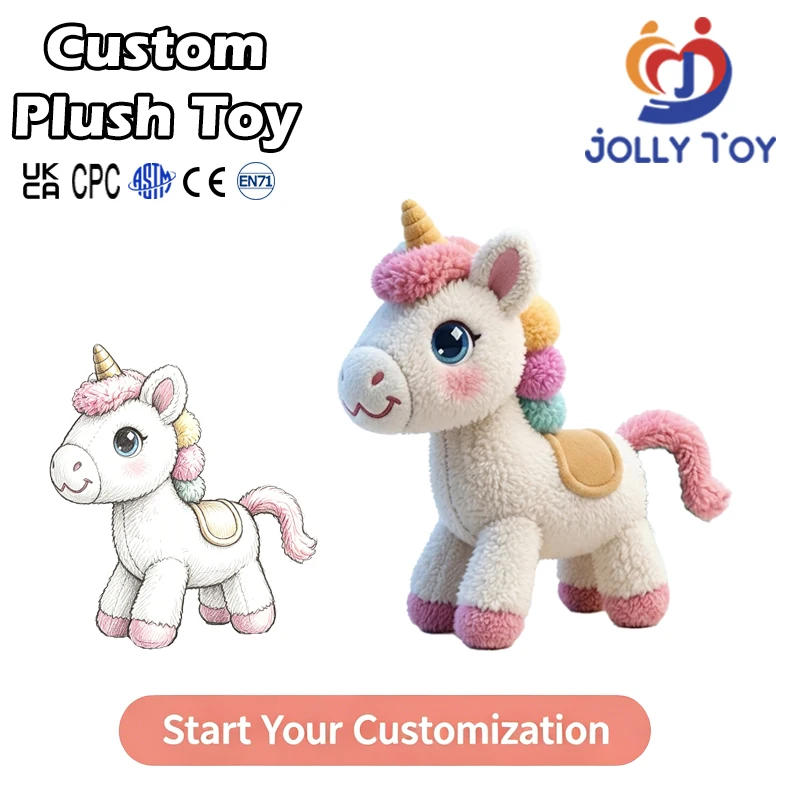
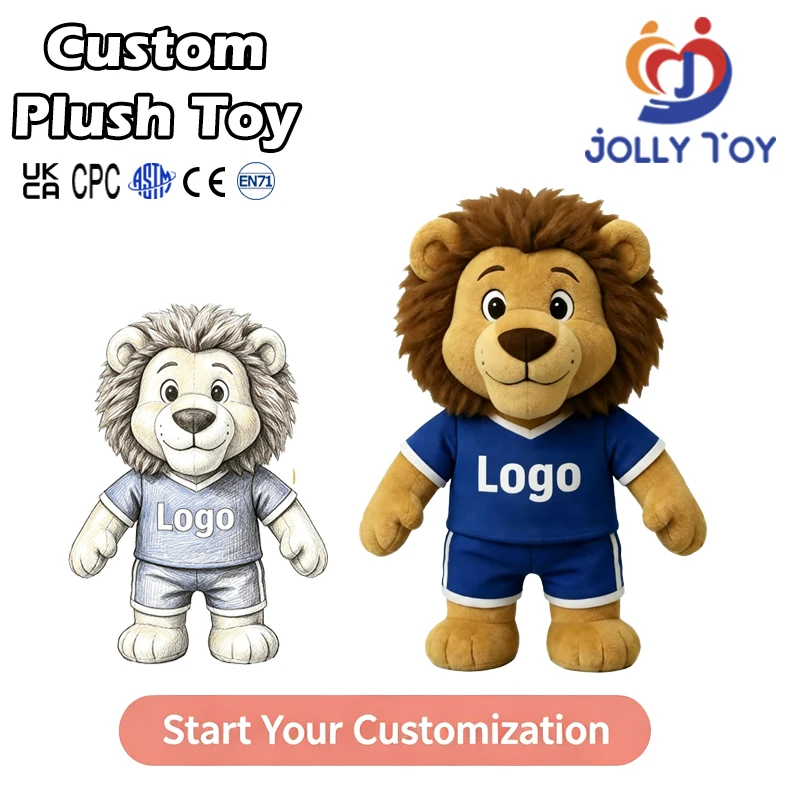
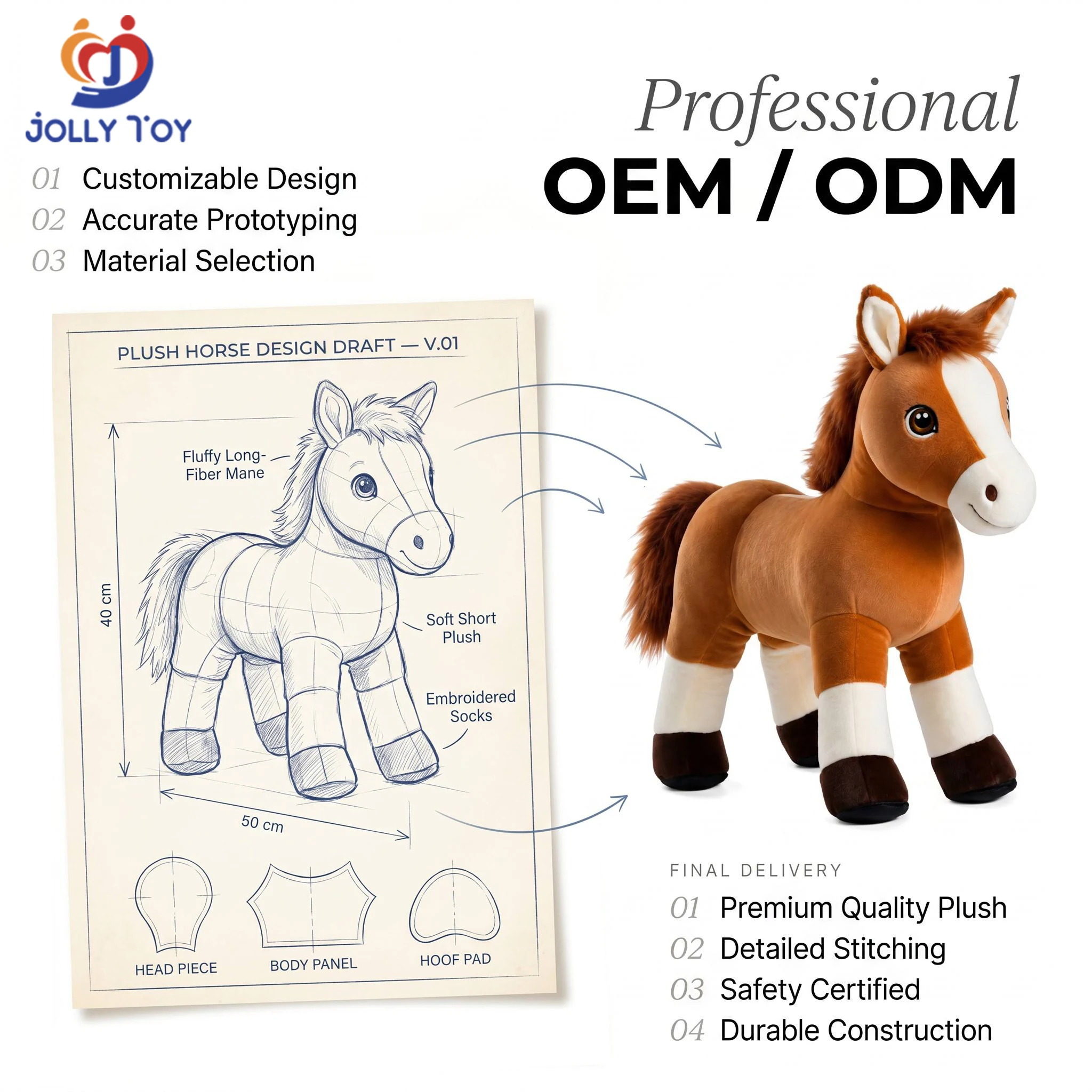
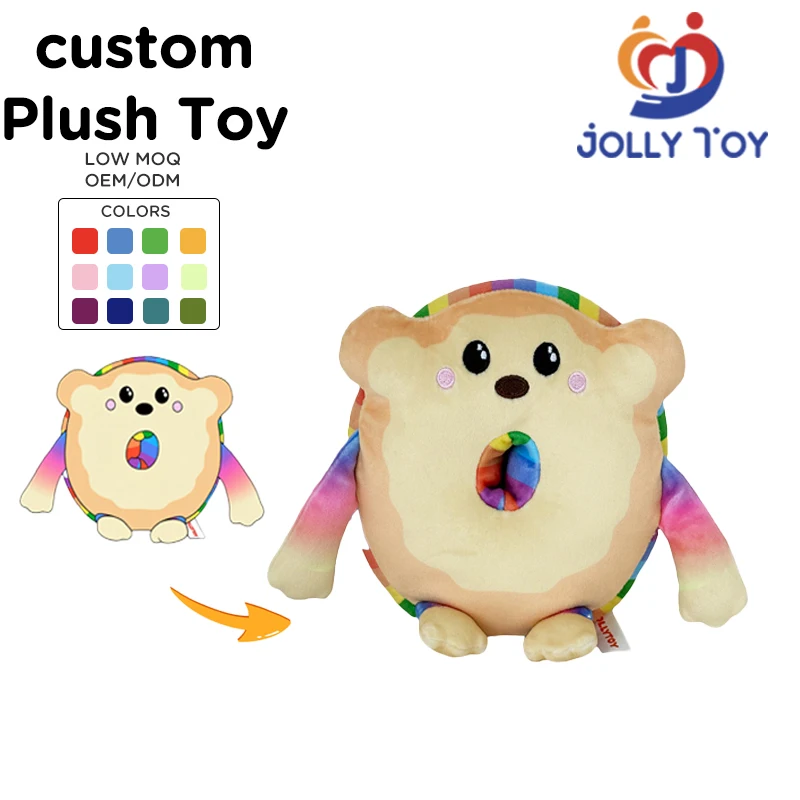
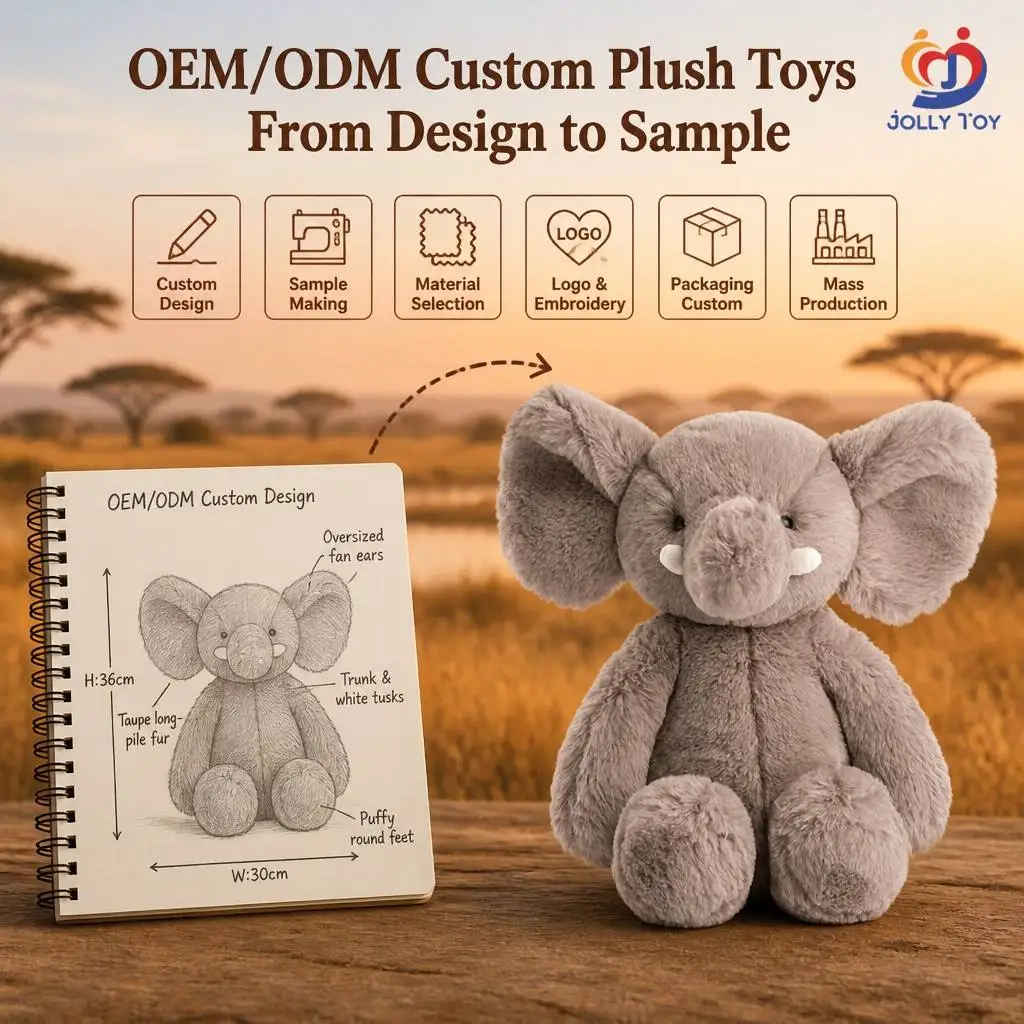
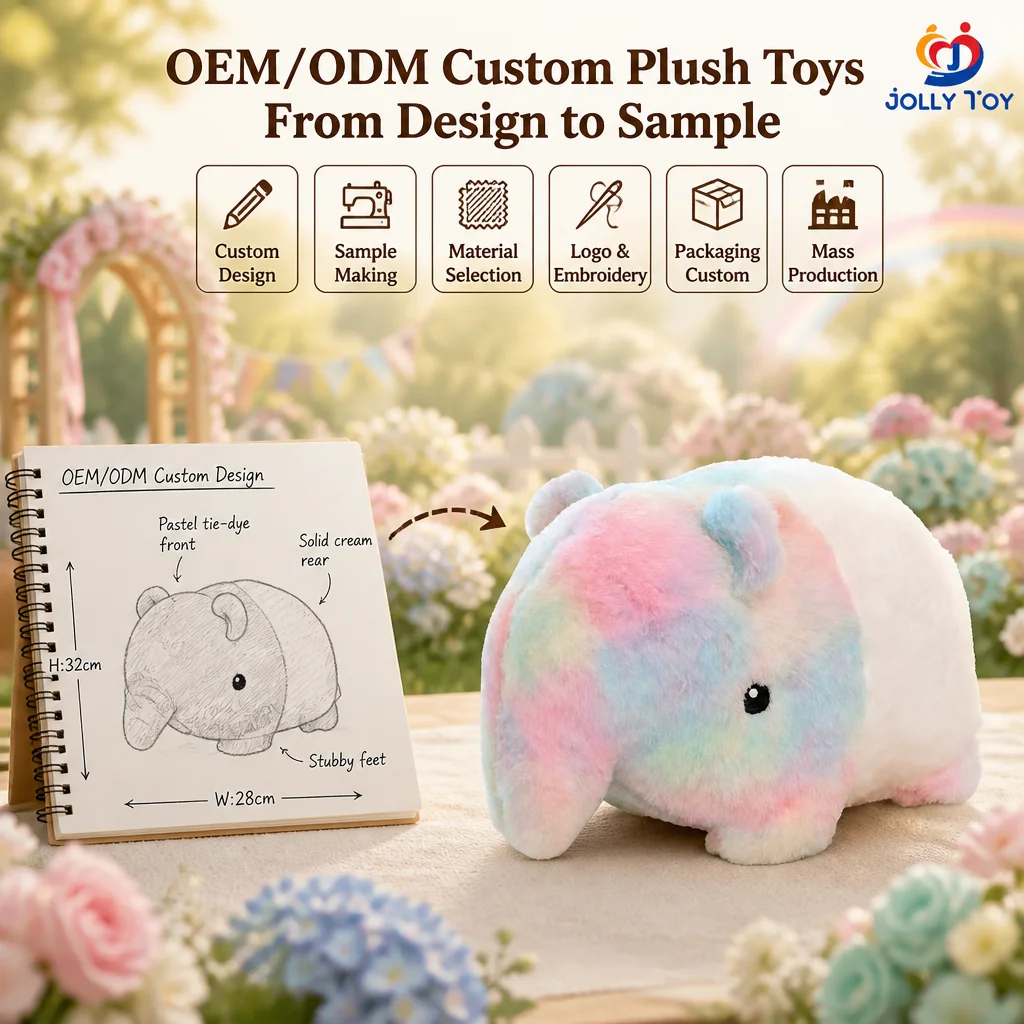
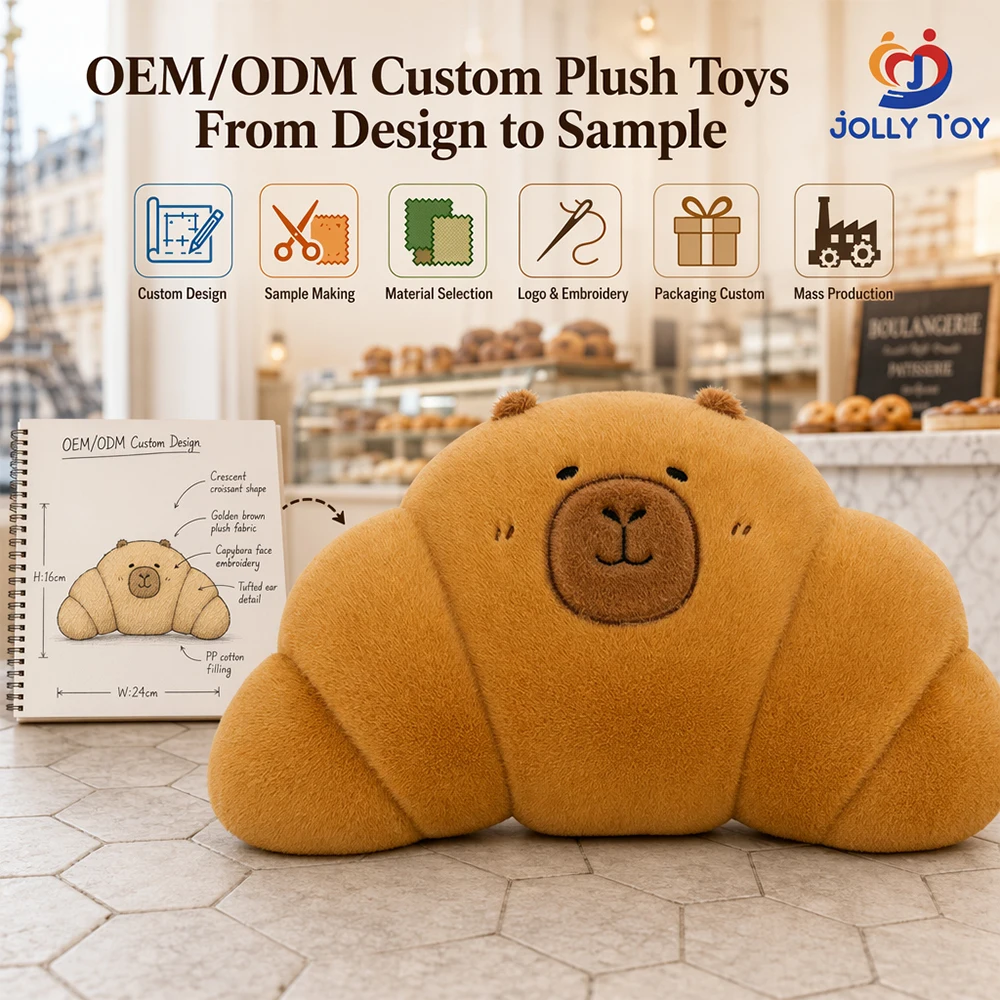
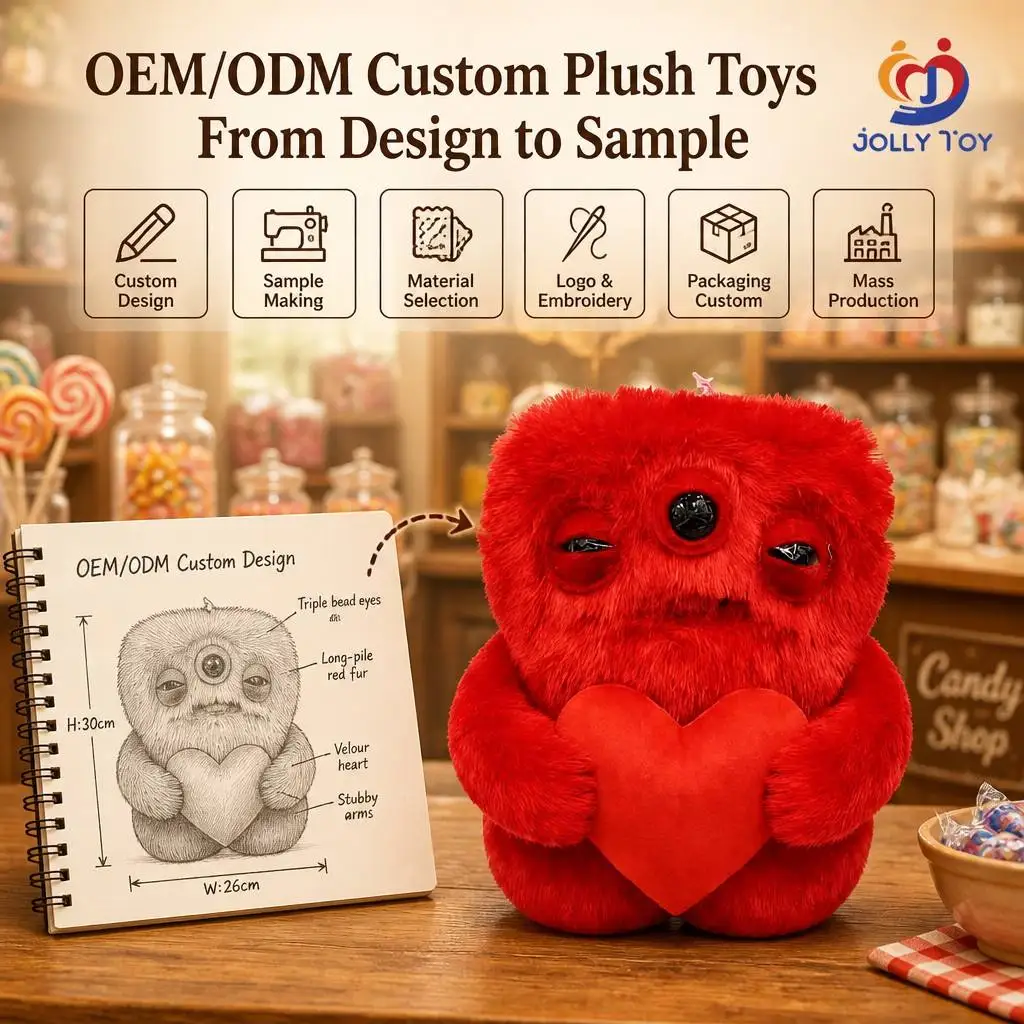
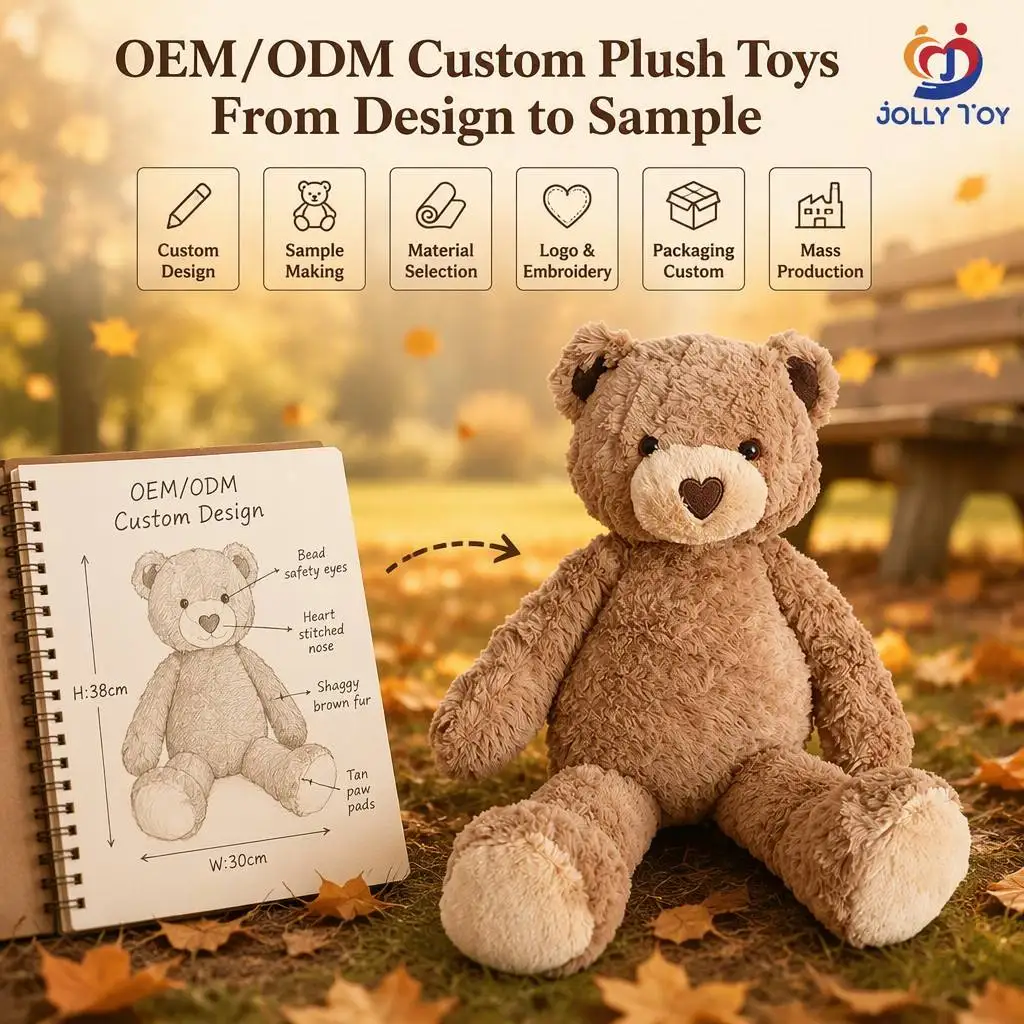
Customized plush toys are a versatile and engaging product that can serve various purposes, from promotional gifts to educational tools. As a B2B buyer, the primary concerns when sourcing these toys include quality, safety, customization options, and pricing. This article aims to provide insights into what to consider when sourcing customized Plush Toys wholesale, their applications in promotional campaigns, common issues and solutions, material selection, and the features and benefits that make them a valuable addition to your product line.
When sourcing customized plush toys, B2B buyers should consider several key factors to ensure they meet their needs effectively. Firstly, the minimum order quantity (MOQ) is crucial; different manufacturers have varying MOQs based on their production capabilities. For instance, our facility can produce up to 800,000 pieces annually, which may accommodate bulk orders efficiently. Buyers should also assess customization capabilities. This includes options for design, color, size, and any special features such as embroidery or sound mechanisms. Engaging with a manufacturer that offers extensive customization can enhance branding and appeal to target audiences. Another critical aspect is certification and compliance. Ensuring that the manufacturer holds relevant certifications (like ICTI, Sedex, and BSCI) can provide assurance of product safety and ethical production practices. This is particularly important for products intended for children, as safety standards are stringent. Lead time is another consideration; understanding the manufacturer's production schedule and shipping capabilities can help manage inventory and meet market demands. Lastly, discussing payment terms and after-sales support can help solidify a reliable partnership.
Customized plush toys serve as effective promotional tools across various industries. They can be used for brand awareness, customer engagement, and as corporate gifts. For instance, companies often incorporate plush toys into marketing strategies during trade shows or events, where they can attract attention and create lasting impressions. In the educational sector, plush toys are used to facilitate learning by making concepts more relatable for children. For example, educational institutions often utilizes customized plush toy to teach children about wildlife or important social concepts like kindness and sharing. Moreover, businesses can leverage seasonal themes by creating plush toys relevant to holidays or special events, enhancing customer connection and loyalty. Such applications demonstrate the versatility of customized plush toys, highlighting their potential to resonate with various demographics and market segments.
While sourcing customized plush toys, buyers may encounter several common issues. One frequent concern is quality control. Variations in production quality can arise due to inconsistent materials or manufacturing processes. To mitigate this, it is advisable to request samples before mass production. This helps to evaluate the final product against expectations in terms of texture, stitching, and overall appearance. Another issue can be related to design approval. Buyers should ensure that they approve a finished sample, not just artwork or specifications. This step is crucial for confirming dimensions, fit, and performance. If a design is not feasible during mass production, it can lead to costly errors and delays. Additionally, shipping and logistics challenges can arise if the manufacturer does not have adequate infrastructure or experience in international shipping. Engaging with a custom made plush toys manufacturer familiar with export requirements and logistics can minimize these disruptions.
Selecting the appropriate materials for customized plush toys is vital for ensuring durability, safety, and appeal. Common materials include polyester fiber for stuffing, which offers softness and resilience, and cotton or velvet for the outer fabric, providing a pleasant tactile experience. When sourcing materials, consider the intended use of the plush toys. For instance, toys designed for infants should use non-toxic, hypoallergenic fabrics and safe dyes. Buyers should verify that the materials meet safety standards such as ASTM F963 or EN71, depending on the market. Another factor is the environmental impact of material choices. Many manufacturers are now offering eco-friendly options made from recycled materials or organic fabrics, appealing to environmentally conscious consumers. Discussing these options with the manufacturer can help align product offerings with current consumer trends.
Customized plush toys provide numerous benefits that make them an attractive option for B2B buyers. Firstly, their engaging nature can significantly enhance brand recognition. A well-designed plush toy can become a cherished item, reinforcing brand loyalty as customers keep it for years. From a marketing perspective, plush toys can serve as effective promotional items, providing a tangible connection to the brand. They can be customized to reflect corporate colors, logos, and messaging, making them a strategic tool for campaigns. Additionally, plush toys often have high perceived value relative to their production cost, making them a cost-effective promotional solution. Their versatility allows them to be marketed across various demographics, from children to adults, expanding the potential customer base. Lastly, the potential for themed collections can attract repeat business. Companies can introduce new designs seasonally or for special events, encouraging customers to collect multiple items and engage with the brand more frequently. Sourcing customized plush toys involves careful consideration of various factors, including quality, materials, and manufacturing processes. By understanding the applications, common challenges, and inherent benefits, B2B buyers can make informed decisions that enhance their product offerings and strengthen customer relationships.

 EN
EN
 AR
AR
 CS
CS
 DA
DA
 NL
NL
 FI
FI
 FR
FR
 DE
DE
 EL
EL
 IT
IT
 JA
JA
 KO
KO
 NO
NO
 PL
PL
 PT
PT
 RU
RU
 ES
ES
 SV
SV
 IW
IW
 UK
UK
 TR
TR
 AF
AF
 GA
GA
 IS
IS
 LA
LA