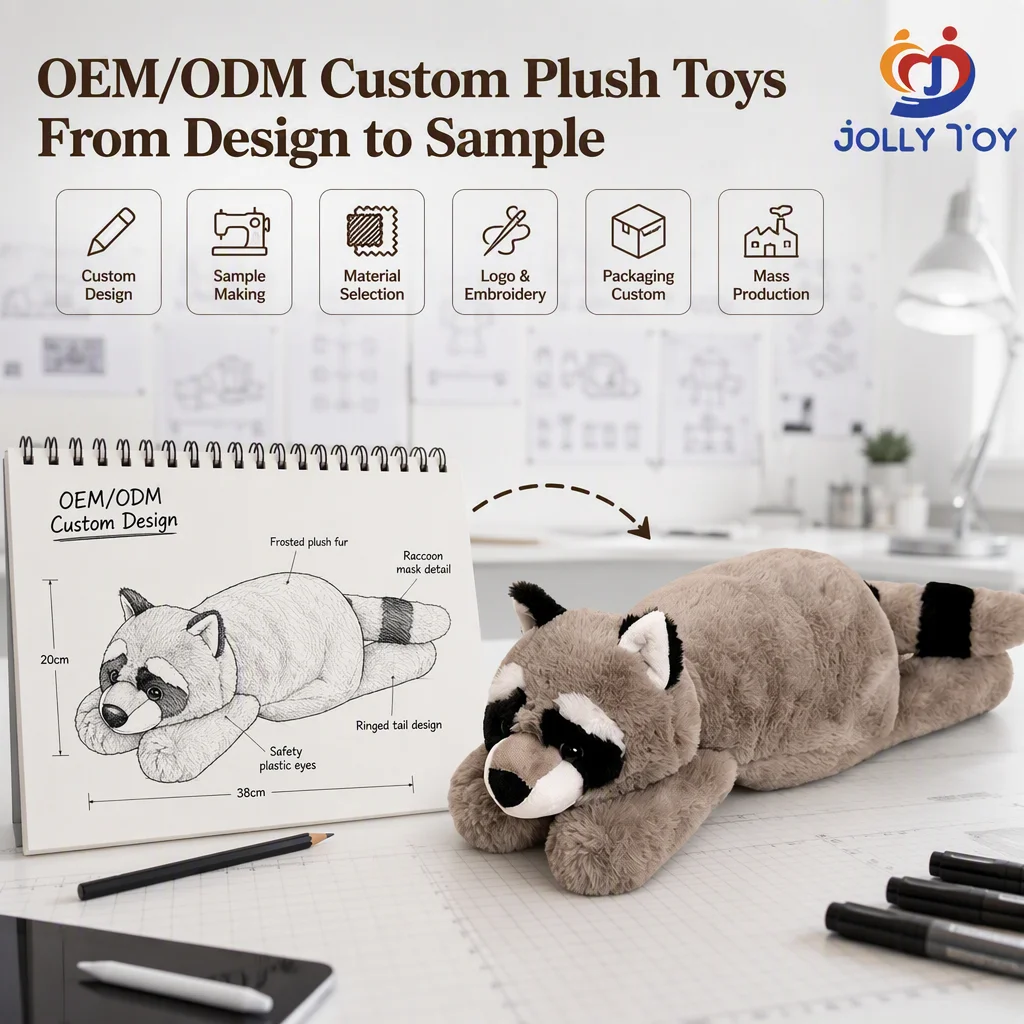
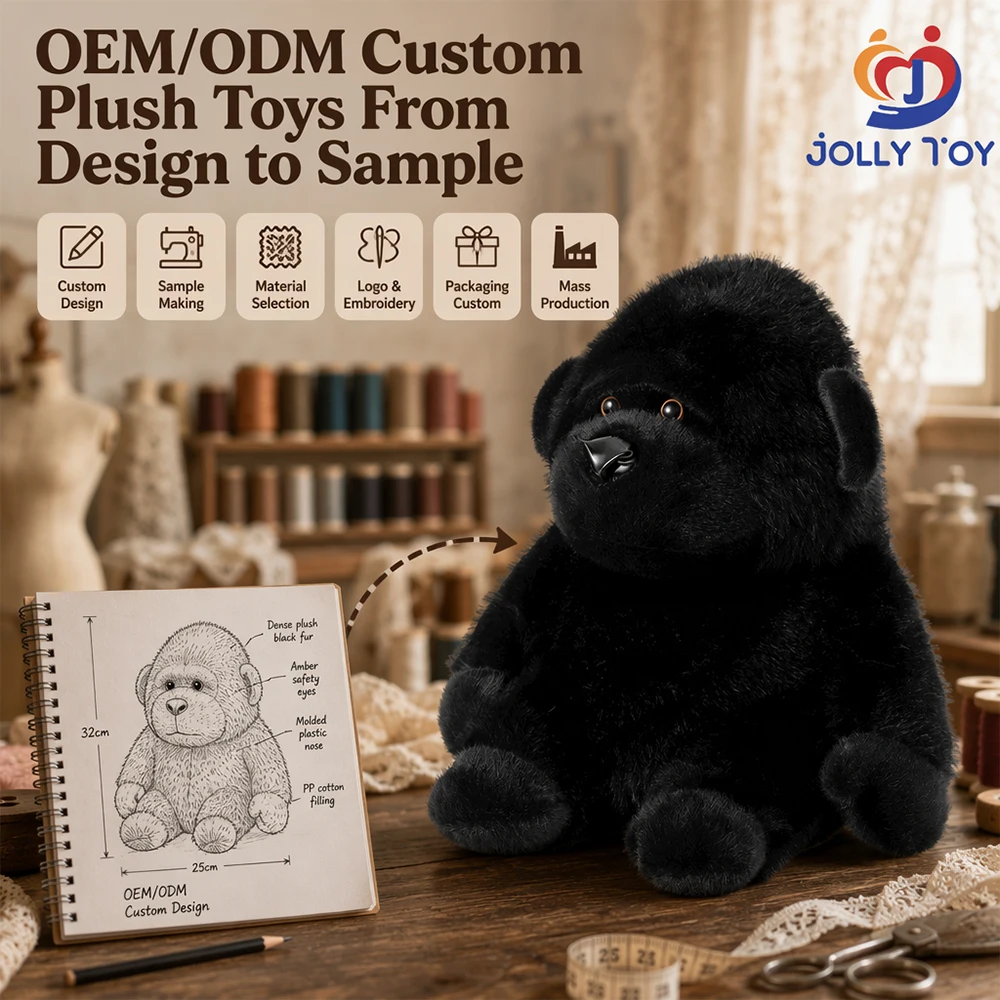
When sourcing plastic toys for wholesale purchases, buyers must consider a variety of factors to ensure they are investing in quality products that meet industry standards. Plastic toys are widely used in the manufacturing of children’s products, promotional items, and educational tools. As a B2B buyer, your main concerns may include product quality, safety standards, supplier reliability, and pricing. This article will guide you through the essential aspects of selecting quality Plastic Toys, finding reliable suppliers, addressing common problems, understanding cost factors, and evaluating materials.
Selecting quality plastic toys involves a comprehensive evaluation of product specifications and compliance with safety standards. Buyers should prioritize toys that are manufactured from non-toxic materials, particularly those that meet or exceed regulatory requirements, such as ASTM F963 in the U.S. or EN71 in Europe. These standards ensure the toys are safe for children, free from harmful chemicals, and built to withstand typical usage scenarios. Additionally, it’s crucial to assess the manufacturing capabilities of the supplier. Look for manufacturers with certifications like ICTI, Sedex, and BSCI, which indicate adherence to ethical labor practices and quality control processes. A reputable supplier should be able to provide detailed information about the materials used, the production process, and the testing procedures that ensure product safety and durability. When evaluating toys, requesting samples for quality inspection is advisable. This step allows you to assess the toy's appearance, functionality, and overall craftsmanship before committing to larger orders.
Finding reliable suppliers requires thorough research and evaluation. Start by utilizing industry-specific trade shows and exhibitions, which can provide direct access to manufacturers and insights into their product offerings. Additionally, online platforms like Alibaba, ThomasNet, and Global Sources can help you connect with potential suppliers. When assessing suppliers, consider their experience in the industry and their production capacity. A manufacturer with over 10 years of experience and a robust production facility, equipped with advanced machinery for injection molding, cutting, and sewing, is likely to have the expertise needed to deliver high-quality stuffed toys consistently. It’s also wise to read reviews and request references from other businesses that have previously worked with the supplier. This feedback can provide insights into the supplier's reliability, communication, and overall service quality.
Despite the best efforts in quality control, common issues can arise with plastic toys. These may include defects in design, inconsistent product quality, and safety compliance failures. For instance, toys that have sharp edges or small detachable parts can pose choking hazards. To mitigate these risks, establish a clear communication channel with your supplier regarding quality expectations and standards. Before mass production, insist on conducting a pre-production sample approval. This not only ensures that the final product meets your specifications but also allows for adjustments before large-scale manufacturing begins. Regular quality inspections throughout the production process can also help catch defects early. Establishing an agreed-upon quality control checklist with your supplier can streamline this process and help ensure that the final products meet all safety and quality standards.
Understanding the cost factors involved in sourcing plastic toys is essential for effective budgeting and pricing strategies. Key elements influencing the total cost include material selection, manufacturing processes, order volume, and shipping expenses
Material Selection: The choice of plastic—be it ABS, PVC, or polycarbonate—significantly impacts the cost. Each material comes with its own price point and performance characteristics. For example, ABS is durable and impact-resistant but may be more expensive than PVC
Manufacturing Processes: The complexity of the design can also affect costs. Toys that require intricate designs or additional features like sound or movement mechanisms typically involve higher production expenses
Order Volume: Many manufacturers have minimum order quantities (MOQs), which can influence pricing. Larger orders generally reduce the per-unit cost, thus benefiting buyers looking to maximize profitability
Shipping Expenses: Depending on the delivery destination and the shipping method, transportation costs can vary widely. It’s advisable to factor these costs into your overall budget from the onset
By analyzing these factors, you can negotiate better terms and make informed purchasing decisions.
The materials used in plastic toy manufacturing play a critical role in the toy's safety, durability, and performance. Common materials include:
Polypropylene (PP): Known for its flexibility and strength, making it ideal for toys that require durability
Acrylonitrile Butadiene Styrene (ABS): Offers good impact resistance and is often used for toys that need to withstand rough handling
Polyvinyl Chloride (PVC): While cost-effective, it requires careful consideration due to potential safety concerns associated with phthalates
When evaluating materials, buyers should consider the end-use of the toy. For example, toys intended for infants should utilize non-toxic, soft materials to ensure safety. Additionally, it is advisable to request documentation confirming the materials' compliance with safety standards. Selecting quality plastic stuffed plush toys for wholesale purchases involves a careful assessment of suppliers, materials, and product specifications. By following the guidance provided , B2B buyers can make informed decisions that lead to successful sourcing and positive customer experiences.

 EN
 AR
 CS
 DA
 NL
 FI
 FR
 DE
 EL
 IT
 JA
 KO
 NO
 PL
 PT
 RU
 ES
 SV
 IW
 UK
 TR
 AF
 GA
 IS
 LA