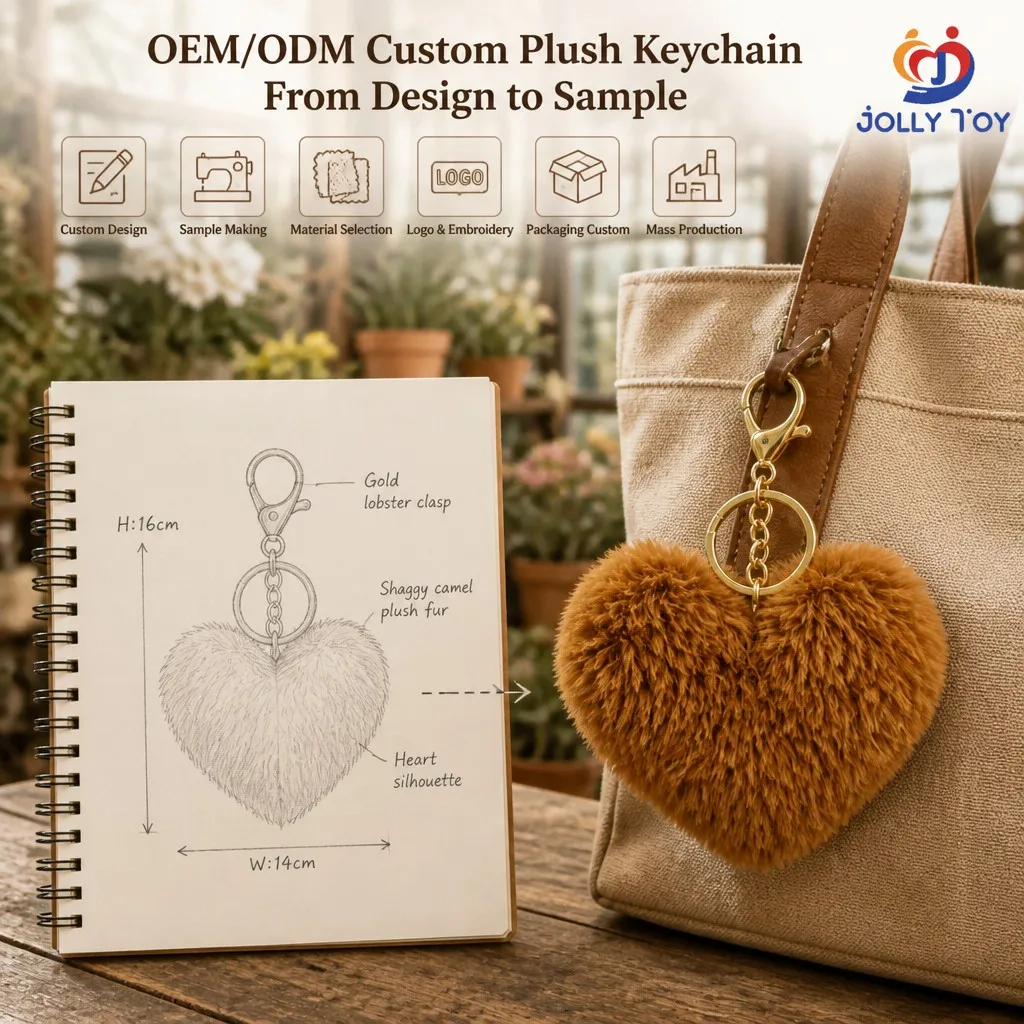
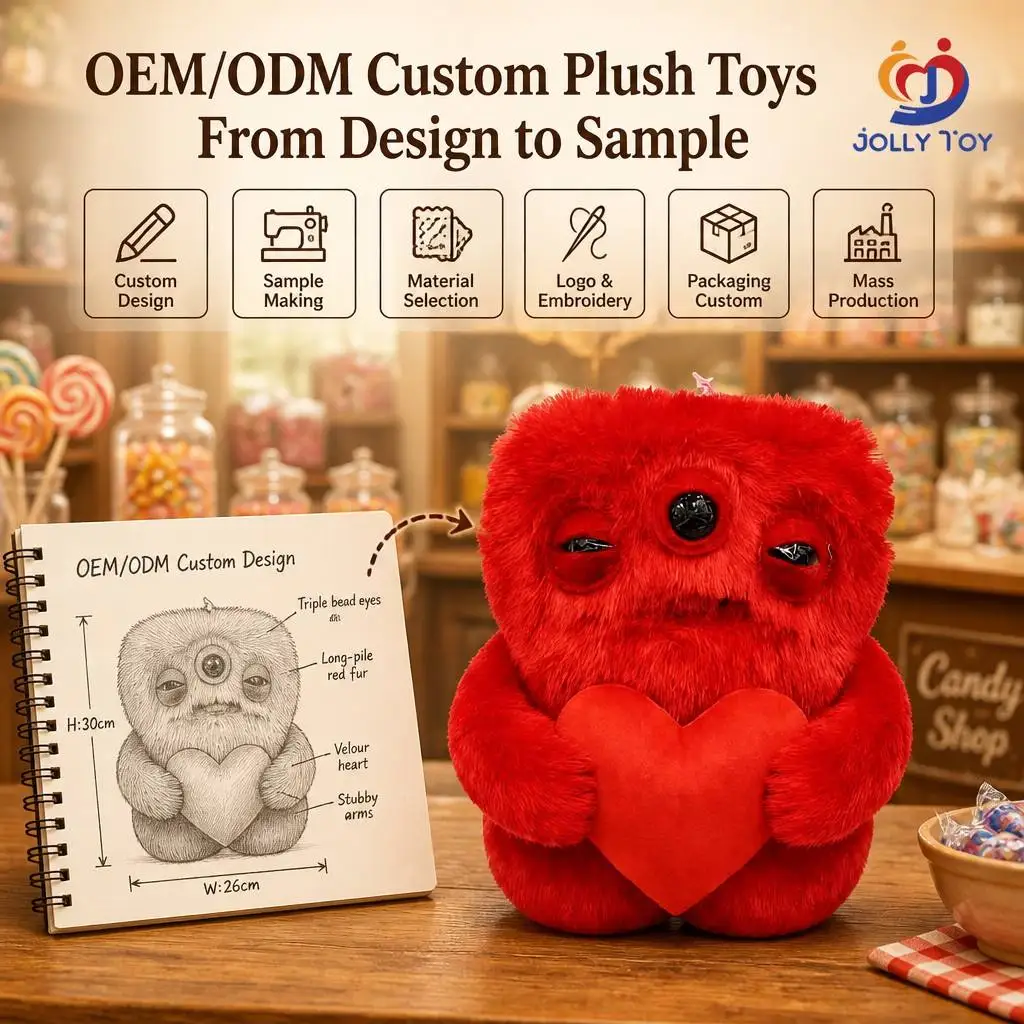
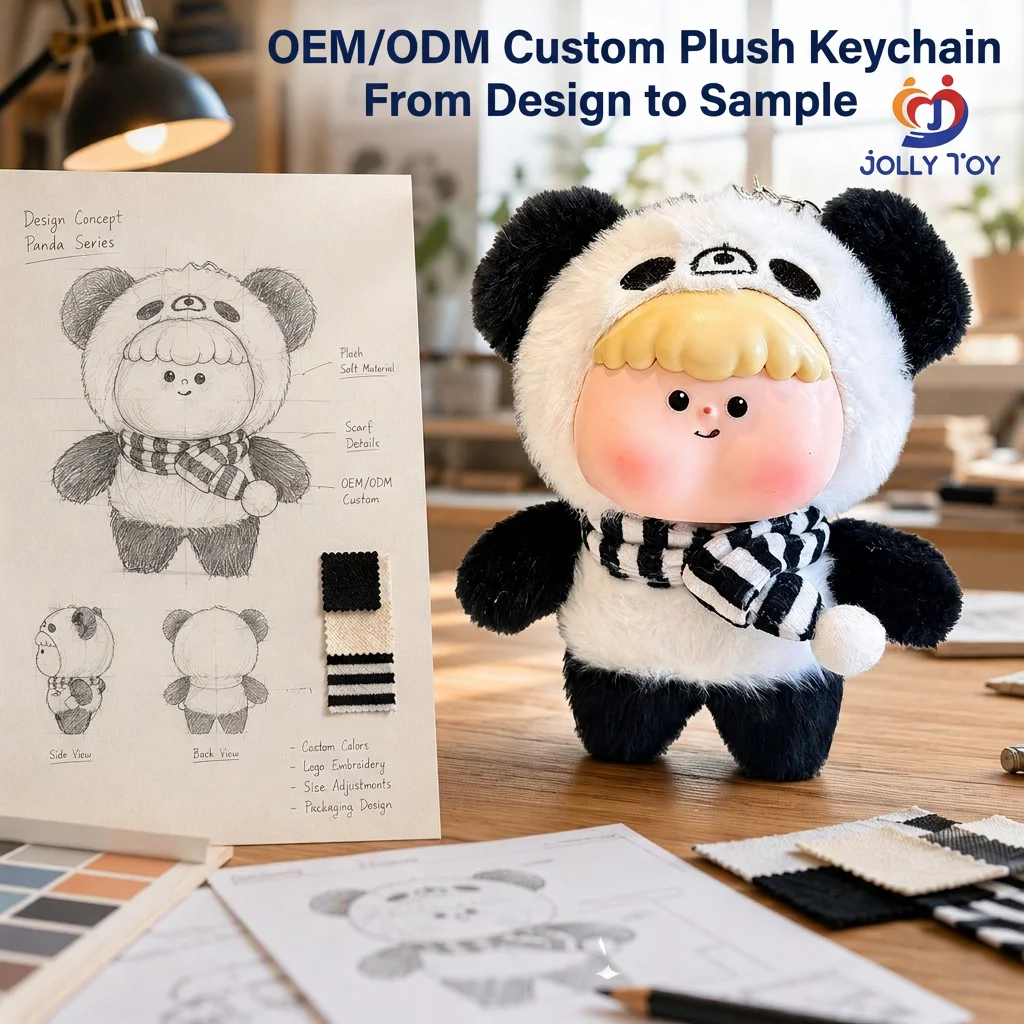
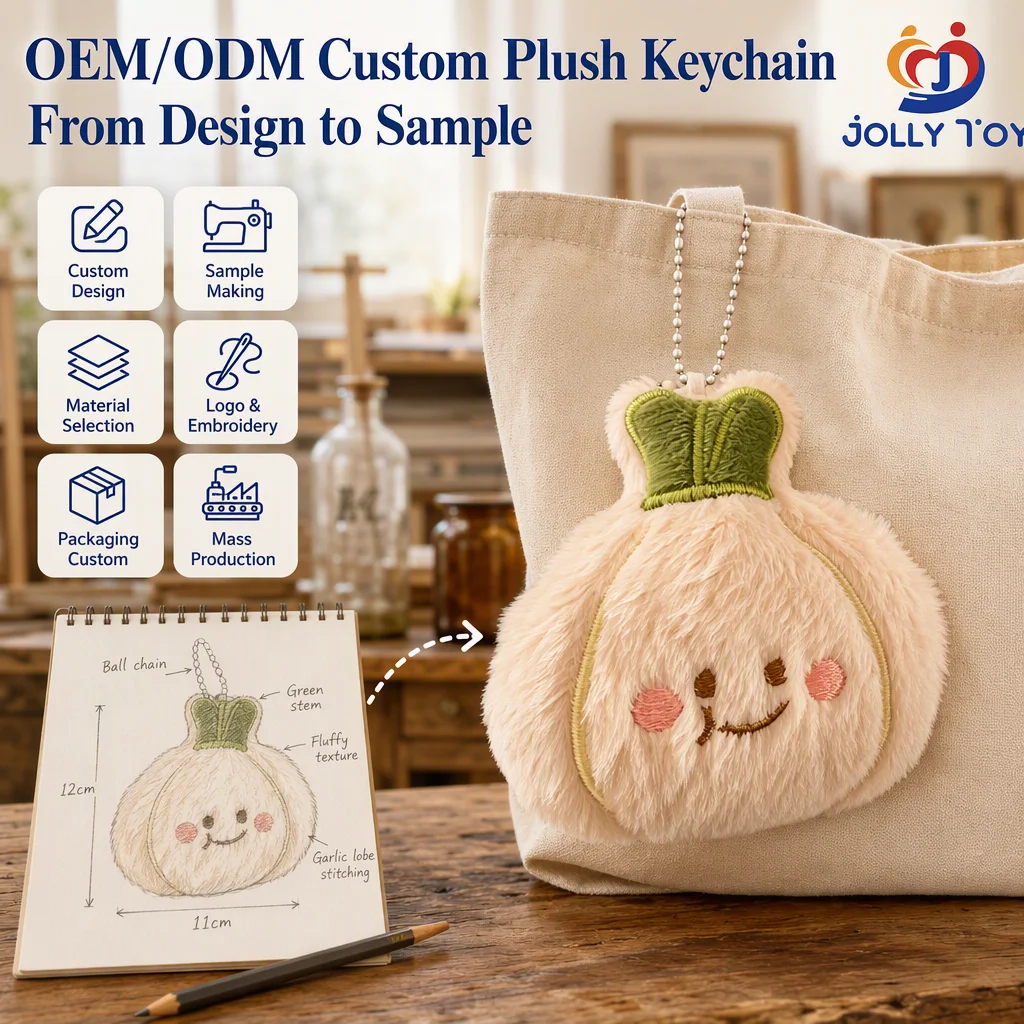
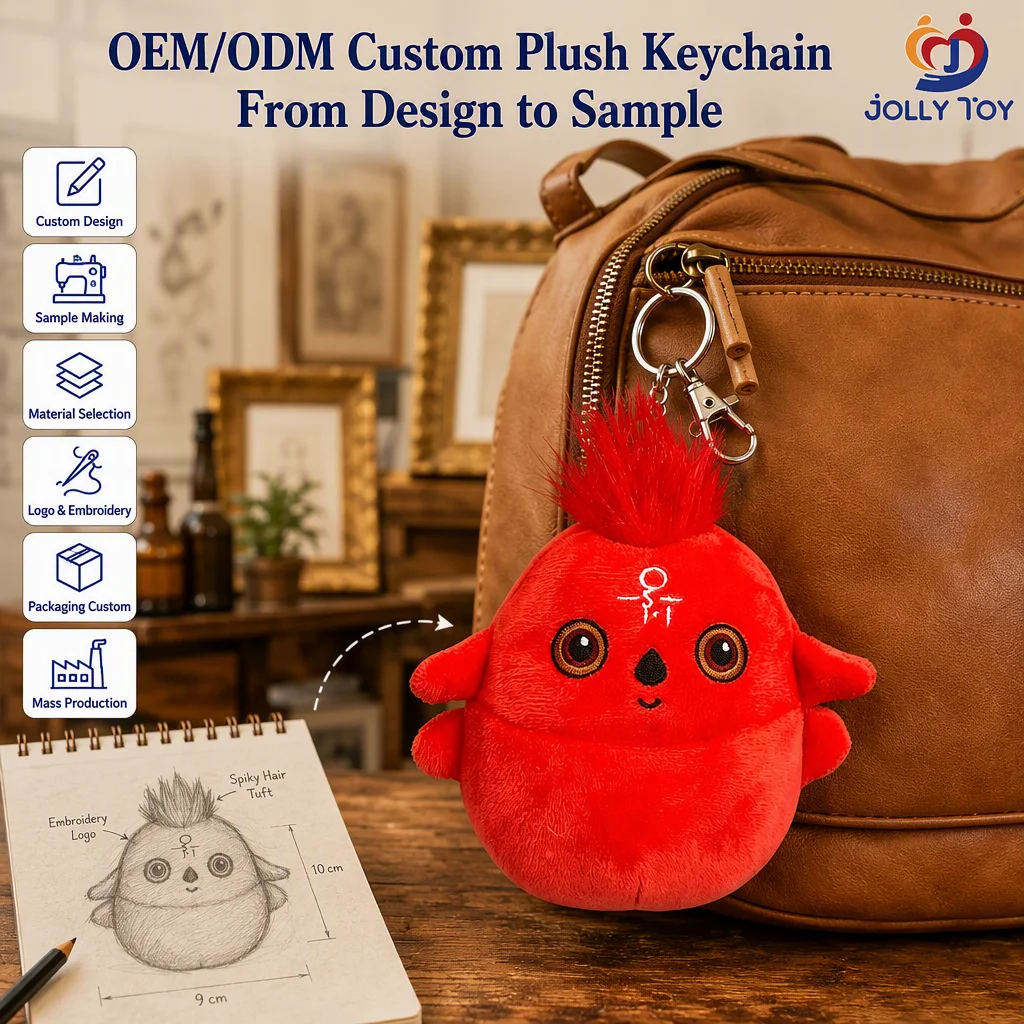
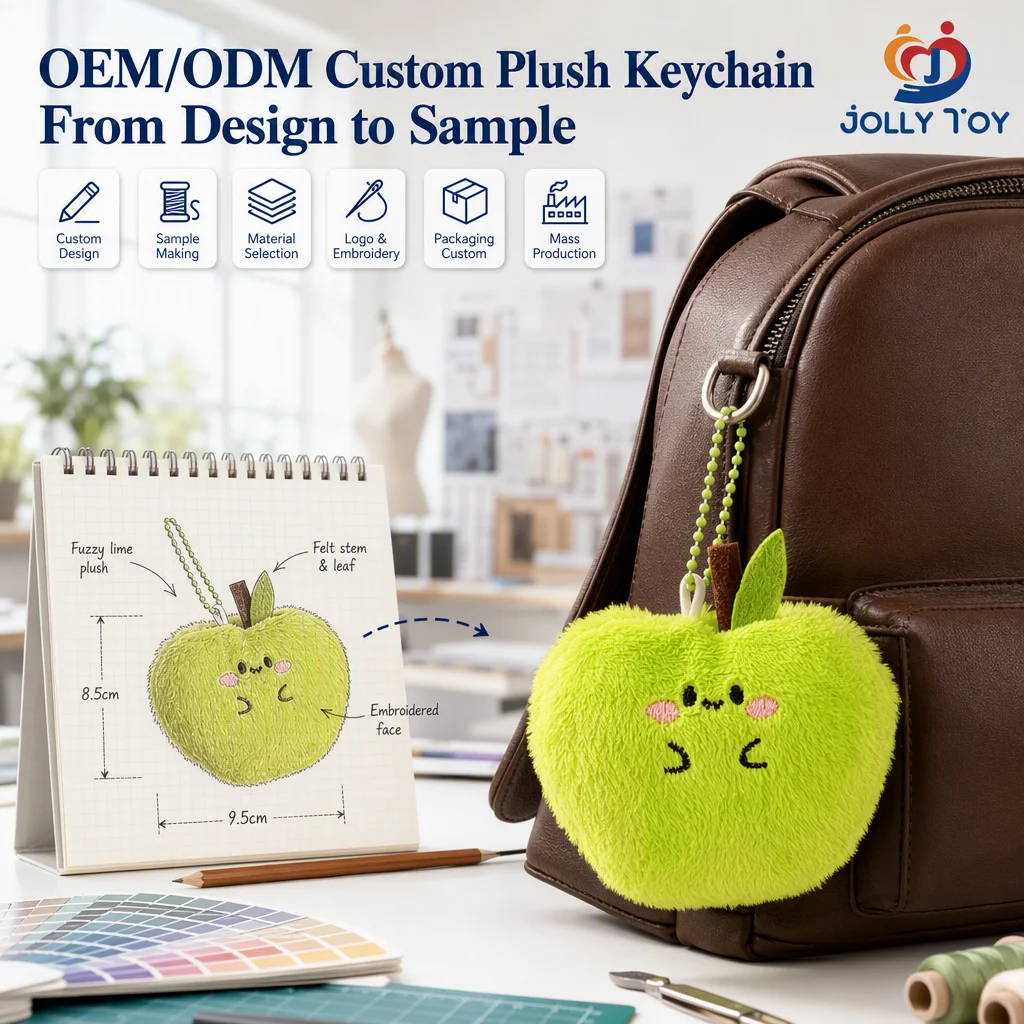
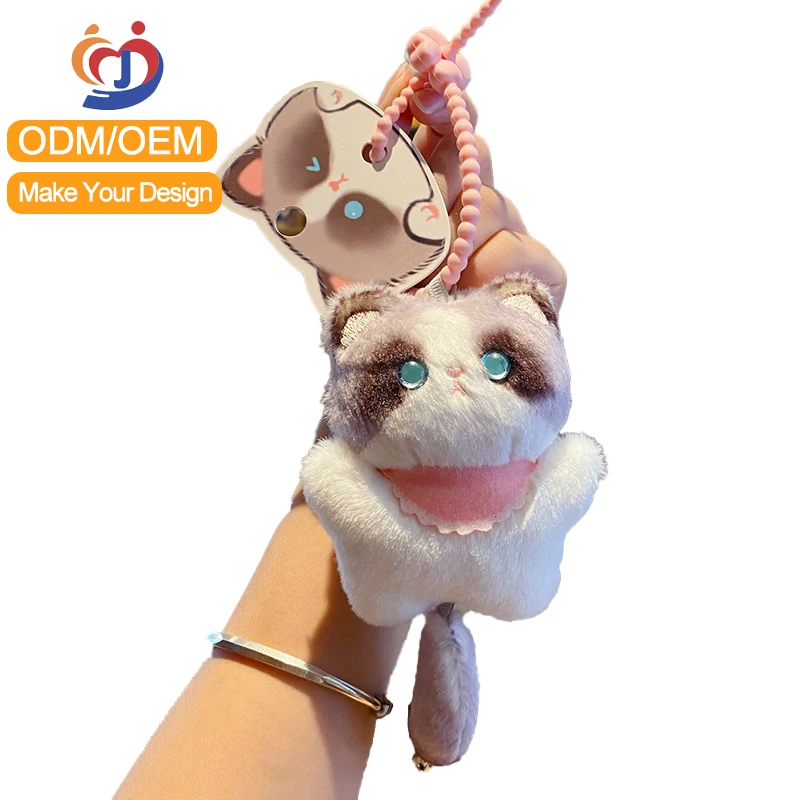
When it comes to promotional items or gifts, plush toy keychains are a popular choice for businesses looking to enhance their brand visibility. These small, soft toys not only serve as fun giveaways but can also be effective in creating emotional connections with customers. However, sourcing quality plush toy keychains for bulk orders requires careful consideration of various factors. This article aims to guide B2B buyers through selecting the right Plush Keychains, finding reliable suppliers, understanding cost factors, ensuring proper installation in retail settings, and exploring applications for promotional campaigns.
When selecting plush toy keychains for bulk orders, it’s essential to focus on several key factors to ensure quality and suitability for your target audience. First, consider the material. Plush toys are typically made from soft fabrics like polyester or cotton, and the choice of material affects the toy's durability, safety, and overall appeal. Look for keychains that use non-toxic materials and meet safety standards, especially if they will be given to children. Next, examine the manufacturing process. As a manufacturer with over ten years of experience, we utilize advanced machinery for sewing, cutting, and embroidery, which ensures high-quality production. Quality control processes should be in place to monitor each stage of production, from raw material selection to final inspection. Before committing to a bulk order, request samples to assess the workmanship, material quality, and overall feel of the Plush Toys keychains. Lastly, consider customization options. Many companies prefer to personalize keychains with logos, colors, or specific designs. Ensure that the manufacturer can accommodate your customization requests without compromising on quality or lead times.
Finding reliable suppliers for plush toy keychains involves thorough research and evaluation. Start by checking industry directories, trade shows, and online platforms that connect buyers with manufacturers. Look for suppliers with a proven track record in the toy industry, particularly those specializing in plush products. Verify their certifications, such as ICTI, Sedex, and BSCI, which indicate compliance with ethical manufacturing practices and quality standards. Once you have a list of potential suppliers, initiate contact and request detailed information about their production capabilities, minimum order quantities (MOQ), lead times, and pricing structures. Assess their responsiveness and willingness to engage in discussions about your specific needs. A reliable supplier should be able to provide insights into their manufacturing processes and address any concerns you may have. Additionally, consider requesting references from past clients to gauge their reputation and reliability. This step can provide valuable insights into how they handle orders, quality control, and customer service.
Understanding the cost factors involved in purchasing plush toy keychains is crucial for B2B buyers. The primary components influencing the total cost include material selection, production complexity, and order volume. Higher-quality materials, such as organic cotton or premium plush fabrics, will generally increase the unit price. However, investing in quality can lead to better customer satisfaction and brand loyalty. Production complexity also plays a role. Keychains with intricate designs, multiple colors, or additional features, such as sound or lights, will typically cost more due to the additional manufacturing processes required. Therefore, it’s essential to balance your desired design features with your budget constraints. Moreover, the MOQ can significantly impact cost. Ordering larger quantities often results in lower per-unit costs due to economies of scale. However, ensure that your order aligns with your projected sales to avoid overstock issues. Be transparent with your supplier about your budget and quantity requirements to explore potential pricing options that meet your needs.
Installing plush toy keychains in retail settings requires thoughtful consideration to maximize their visibility and appeal. When displaying these products, consider using dedicated display stands that highlight the keychains' unique designs. This can attract attention and encourage impulse purchases. The display should be positioned at eye level and in high-traffic areas to enhance visibility. Additionally, consider the packaging of the keychains. Attractive and functional packaging can enhance the overall presentation and protect the plush toy backpack keychains from damage. Clear packaging with branding elements can also reinforce your brand identity and help communicate the product's features effectively. Finally, ensure that staff is trained on the product features and benefits so they can answer customer inquiries and promote the keychains effectively. Engaging staff can help create a positive shopping experience, leading to higher sales.
Plush toy keychains can serve multiple roles in promotional campaigns, making them a versatile marketing tool. Their appeal lies in their emotional connection with consumers, as plush toys often evoke nostalgia and comfort. Businesses can leverage this by incorporating plush keychains into giveaways, contests, or loyalty programs, encouraging customer engagement and brand recall. These keychains are also effective for trade shows and corporate events. Providing attendees with a plush toy keychain featuring your brand logo can leave a lasting impression and spark conversations. Additionally, they can be included in welcome kits for new employees or as gifts for corporate clients, reinforcing positive relationships. To maximize the impact of plush toy keychains in promotional campaigns, consider aligning the design and messaging with your brand values and target audience interests. This strategic approach can enhance brand loyalty and drive customer engagement over time. By understanding the intricacies of selecting, sourcing, and utilizing plush toy keychains, B2B buyers can make informed decisions that align with their marketing strategies and customer needs.

 EN
EN
 AR
AR
 CS
CS
 DA
DA
 NL
NL
 FI
FI
 FR
FR
 DE
DE
 EL
EL
 IT
IT
 JA
JA
 KO
KO
 NO
NO
 PL
PL
 PT
PT
 RU
RU
 ES
ES
 SV
SV
 IW
IW
 UK
UK
 TR
TR
 AF
AF
 GA
GA
 IS
IS
 LA
LA