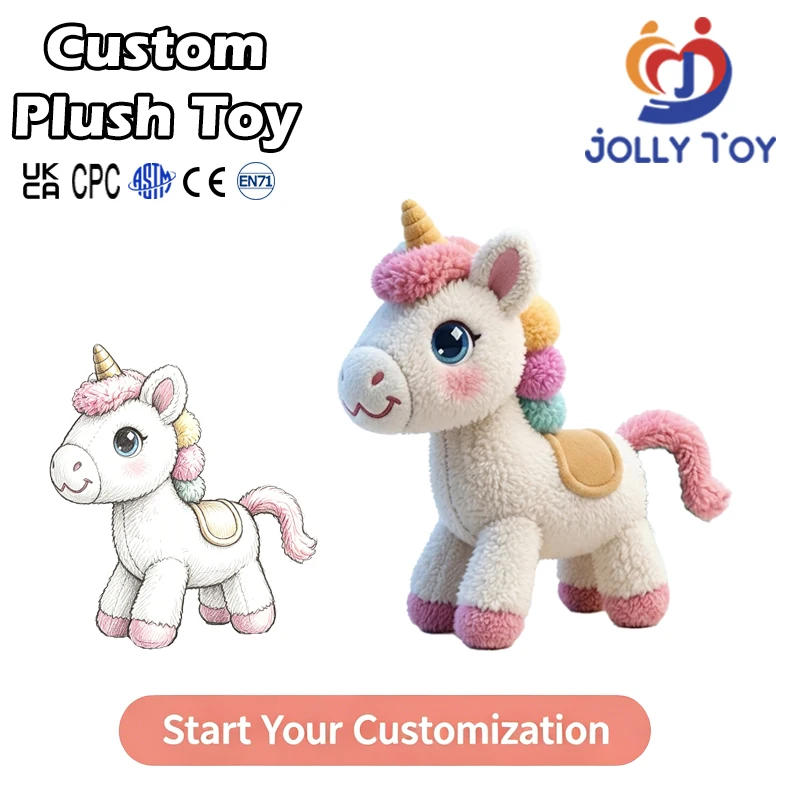
Teddy bears are not just toys; they are cherished companions that bring comfort, joy, and a sense of security to children and adults alike. For businesses looking to source high-quality Jolly Toy custom made teddy bear, understanding the landscape of teddy bear manufacturers is crucial. Buyers often have concerns regarding product quality, safety standards, customization options, and supply reliability. This article will help you navigate these essential considerations when selecting a teddy bear manufacturer, ensuring you make well-informed purchasing decisions.
When sourcing teddy bears, there are several critical factors to consider. First, evaluate the materials used in production. High-quality teddy bears are typically made from soft, durable fabrics, such as plush polyester or cotton, which are safe for children. Buyers of Jolly Toy teddy bear factory should also confirm that materials comply with safety standards, including flammability and toxicity regulations.
Next, consider the manufacturer’s production capabilities. A reliable teddy bear manufacturer should have a robust production process, including advanced machinery for sewing, cutting, and embroidery. Inquire about their production capacity; for instance, our facility can produce up to 800,000 pieces annually, which can accommodate large orders.
Customization options are another essential aspect. Many buyers seek personalized features, such as custom colors, sizes, and branding. A manufacturer of Jolly Toy keychain plush toy with experience in custom production can provide valuable insights on feasible options and help you create a product that aligns with your brand identity.
Additionally, assess the manufacturer’s certifications, such as ICTI, Sedex, and BSCI, which demonstrate compliance with ethical manufacturing practices and quality standards.
Evaluating teddy bear manufacturers involves several steps. Start by requesting samples to assess the quality of the product firsthand. Check for consistency in stitching, material softness, and overall craftsmanship. This initial quality check is crucial before placing bulk orders.
Next, inquire about the manufacturer’s lead times and production process. Understanding their workflow can help you gauge whether they can meet your supply demands. For example, if a manufacturer has a streamlined process with advanced machinery, they may be able to fulfill large orders more efficiently.
It’s also advisable to verify the manufacturer's reputation through customer reviews and testimonials. Engaging with other businesses that have worked with the manufacturer can provide insights into their reliability and customer service.
Finally, ensure the manufacturer has robust quality control processes in place. This includes regular inspections during production and testing of final products to meet safety standards. A reputable manufacturer will welcome inquiries about their quality assurance procedures.
When partnering with a teddy bear manufacturer, clear communication is essential. Set expectations regarding product specifications, including dimensions, materials, and design elements. These details help prevent misunderstandings that can lead to production delays or quality issues.
Additionally, discuss packaging options. Effective packaging not only protects the product during shipping but also enhances its presentation for retail settings. A manufacturer should be able to offer various packaging solutions tailored to your branding needs.
Be prepared for a thorough approval process. Before mass production, buyers should review and approve a finished sample. This step is crucial to verify that the product meets your specifications in terms of design, quality, and functionality.
Lastly, establish a timeline for delivery. Understanding the estimated delivery dates based on production schedules will help you plan your inventory and marketing strategies effectively.
Teddy bear manufacturers typically engage in a multi-step production process. It begins with design and prototyping, where concepts are transformed into tangible products. Once the design is approved, the manufacturer proceeds with sourcing materials, cutting them into specific shapes, and assembling the teddy bears.
Advanced machinery plays a crucial role in this process. For example, sewing machines ensure precise stitching, while embroidery machines can add intricate designs or logos. Injection molding equipment may be used for creating plastic components, such as safety eyes or other features.
Quality control is implemented at various stages, including raw material inspection, in-process checks, and final product evaluation. This comprehensive approach ensures that the teddy bears produced meet both safety standards and quality expectations.
In terms of export markets, a well-established manufacturer should have experience shipping products globally, which can simplify logistics for buyers looking to reach international customers.
When displaying teddy bears in retail environments, consider the setup that will attract consumers. Proper installation can enhance visibility and encourage customer interaction. Here are some practical tips for retail display:
Display Height: Place teddy bears at eye level to catch the attention of shoppers. Consider using shelving or display stands that allow for easy access.
Grouping: Create visually appealing groupings of different sizes and colors. This arrangement can encourage customers to purchase multiple items.
Signage: Use clear signage that highlights features such as safety standards, customization options, or special promotions. Informative signage can help convey the value of the products.
Interactive Displays: If feasible, incorporate interactive elements, such as a section where customers can see customization options or engage with the product in a fun way.
Safety Considerations: Ensure that all displays adhere to safety regulations, especially if they are set up in areas frequented by children.
By following these guidelines, retailers can create an inviting atmosphere that showcases teddy bears effectively, ultimately leading to increased sales.
In summary, selecting a teddy bear manufacturer involves careful consideration of product quality, customization options, and reliable supply. By following the guidance provided, buyers can make informed decisions, ensuring that the teddy bears they source meet both their quality standards and their customers' expectations.

 EN
EN
 AR
AR
 CS
CS
 DA
DA
 NL
NL
 FI
FI
 FR
FR
 DE
DE
 EL
EL
 IT
IT
 JA
JA
 KO
KO
 NO
NO
 PL
PL
 PT
PT
 RU
RU
 ES
ES
 SV
SV
 IW
IW
 UK
UK
 TR
TR
 AF
AF
 GA
GA
 IS
IS
 LA
LA