When sourcing toy animals for commercial or educational projects, understanding the specifics of plush and plastic options is essential. These products not only serve as delightful companions for children but also play significant roles in educational settings and marketing strategies. This article will guide purchasing managers and distributors through key specifications, supplier selection criteria, common purchasing challenges, installation guidance for retail displays, and the various applications of big stuffed toys, ensuring informed decisions are made during procurement.
When evaluating plush and Jolly Toy plastic toy animals, several specifications must be prioritized to ensure quality and safety.
Material Composition: Plush toys are typically made from soft fabrics like polyester or cotton, while plastic animals may be made from PVC or ABS. The choice of material affects not only the toy's texture and appearance but also its durability and safety. For instance, materials should meet safety standards such as ASTM F963 or EN71, ensuring they are non-toxic and safe for children.
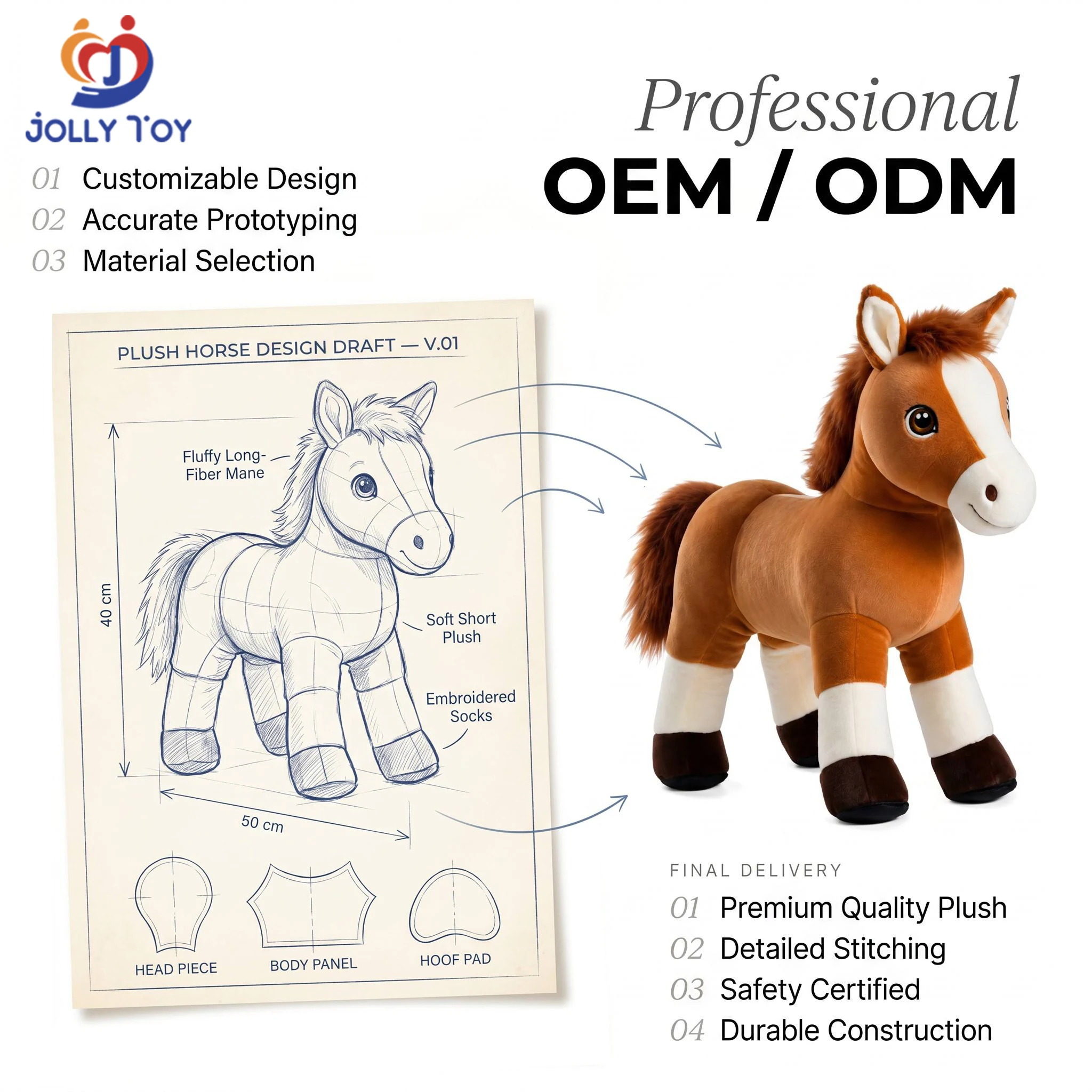
Dimensions: The size of custom made plush toys is crucial, especially in educational settings where specific dimensions can enhance engagement. Standard sizes often range from 5 to 12 inches in height, but custom sizes can be requested based on client needs.
Production Techniques: Understanding the manufacturing capabilities is vital. Our facility employs advanced sewing, cutting, embroidery, and injection molding techniques, allowing for intricate designs and high-volume production. Buyers should ensure their suppliers can accommodate specific production methods that fit their design requirements.
Quality Control Processes: Look for suppliers who implement stringent quality control measures throughout the production process. This includes inspections during and after production, testing for safety compliance, and final audits before shipping.
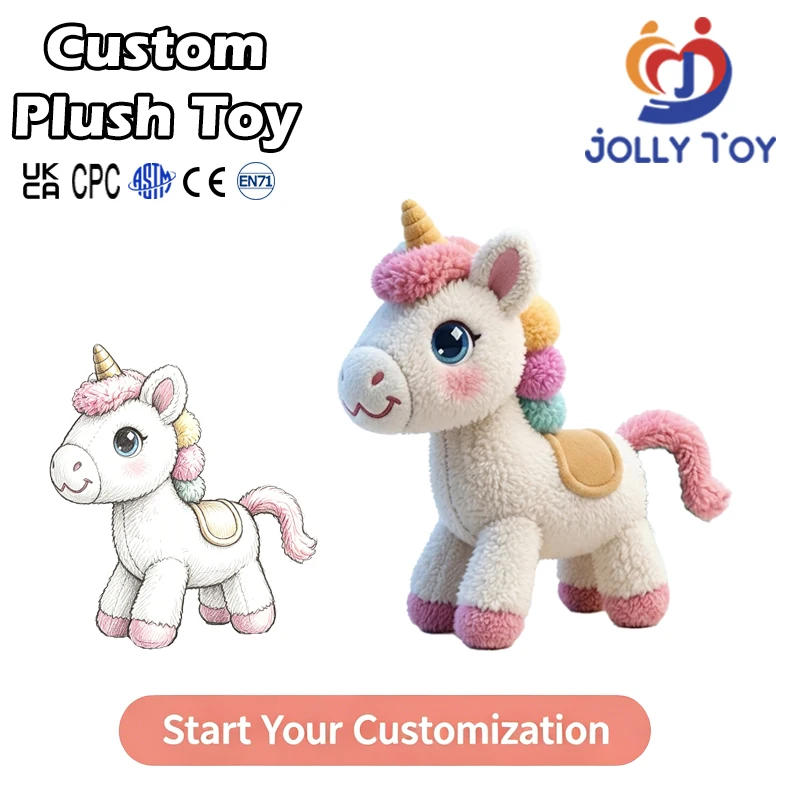
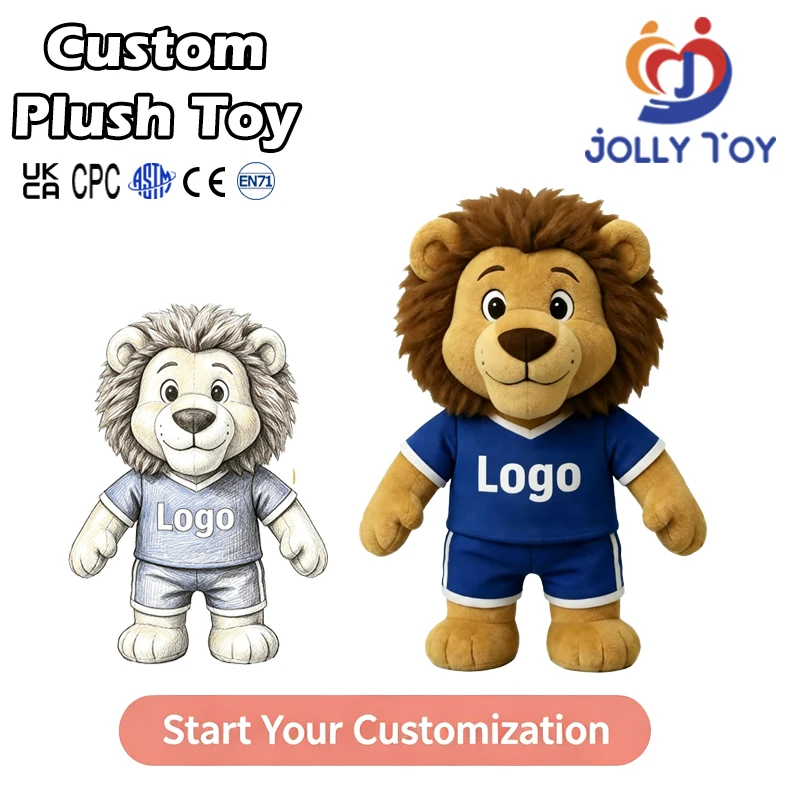
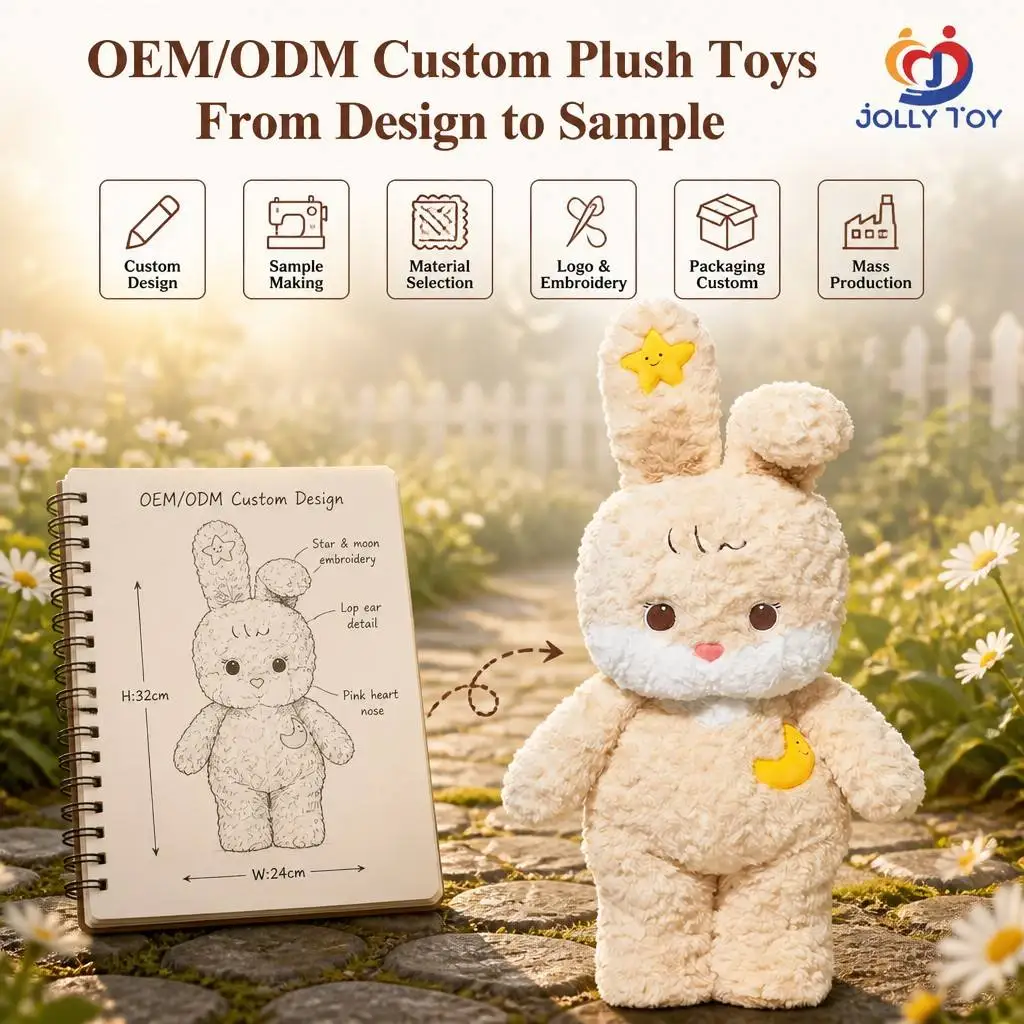
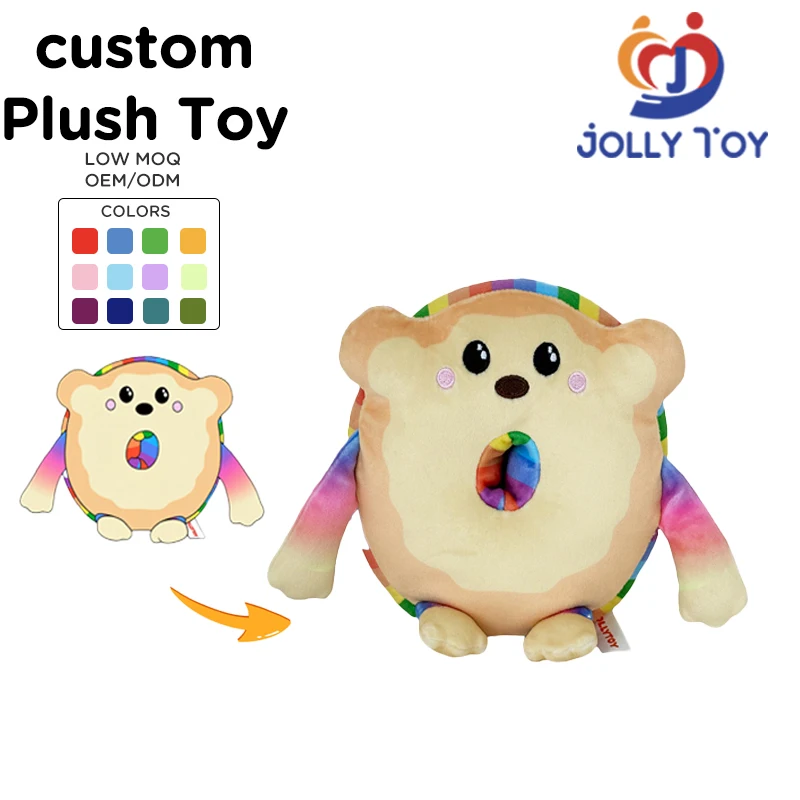
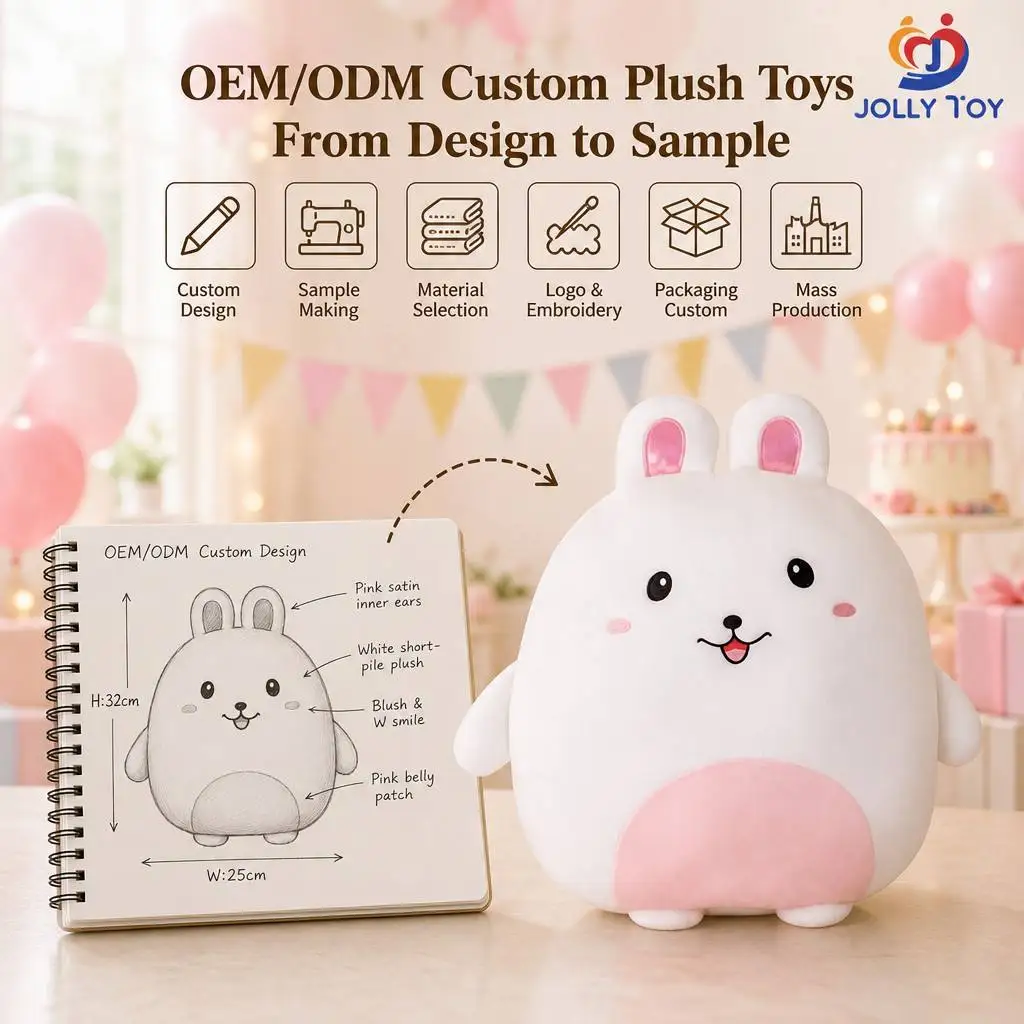
Customization Options: Custom branding, such as embroidered logos or unique color schemes, is often a significant factor for buyers. It's essential to confirm the manufacturer's capability to provide tailored solutions that meet specific branding needs.
Choosing the right supplier for bulk orders of toy animals requires careful consideration of several factors:
Experience and Reputation: Look for manufacturers with a proven track record in the toy industry. A company with over 10 years of experience, like ours, will have a comprehensive understanding of market demands, compliance requirements, and quality standards.
Certifications: Ensure that the supplier holds relevant certifications such as ICTI, Sedex, and BSCI. These certifications indicate adherence to ethical manufacturing practices and social compliance, which are increasingly important to buyers.
Production Capacity: Assess the supplier's production capacity. With an annual capacity of 800,000 pieces, we can efficiently handle large orders while maintaining quality.
Customer Support and Communication: Effective communication is crucial. A responsive supplier who can provide updates and address concerns promptly will significantly enhance the purchasing experience.
Sample Approval Process: Before placing a large order, request samples to evaluate quality and ensure the Jolly Toy product meets your specifications. This step is vital to avoid costly mistakes during mass production.
Purchasing toy animals can present several challenges, but understanding these issues can lead to effective solutions:
Quality Assurance Issues: One common problem is receiving products that do not meet the expected quality standards. To mitigate this risk, establish clear quality benchmarks and request samples before placing bulk orders.
Supply Chain Delays: Shipping and logistics can lead to delays. It's essential to discuss lead times upfront and consider suppliers who can provide reliable shipping options. Having contingency plans in place can also help minimize disruptions.
Safety Compliance: Ensuring that dinosaur plush toy meet safety regulations is critical. Buyers should verify that the supplier conducts thorough testing for safety compliance and can provide documentation upon request.
Customization Miscommunication: Misunderstandings regarding customization requests can lead to dissatisfaction. To avoid this, provide clear specifications and artwork files during the initial stages, and confirm details during the sample approval process.
Market Trends: Staying updated on market trends can be challenging. Regular communication with suppliers who actively monitor industry changes can provide valuable insights and help in making informed purchasing decisions.
Proper installation of toy animals in retail displays and promotions can enhance visual appeal and encourage sales. Here are key considerations for successful installation:
Display Design: Choose displays that complement the toy animals' design. Consider using bright colors and engaging layouts that attract attention. Ensure that the display allows for easy access to the toys.
Safety Considerations: Ensure that displays are stable and secure. Toys should be displayed at a height accessible to children while preventing potential hazards, such as tipping or falling.
Promotional Materials: Use signage and promotional materials effectively. Clear messaging about the benefits and features of the toy animals can help drive sales.
Regular Maintenance: Regularly check the displays for cleanliness and organization. This will keep the Jolly Toy products looking appealing and inviting to customers.
Feedback Mechanism: Implementing a system for collecting customer feedback can provide insights into display effectiveness and customer preferences, allowing for continuous improvement.
Toy animals serve a broad range of applications in educational and promotional contexts:
Educational Tools: In classrooms, toy animals can be used to teach concepts such as biology, geography, and environmental science. They can facilitate hands-on learning experiences, helping students engage with material in a tangible way.
Marketing and Branding: Businesses often use toy animals as promotional products to enhance brand visibility. Custom-branded toys can be given away at events or included in marketing campaigns to create a lasting impression on customers.
Therapeutic Uses: Plush toy animals are frequently utilized in therapy settings to help children cope with anxiety and stress. Their comforting presence can facilitate discussions and aid in emotional development.
Collectibles: Certain toy animals can become collectibles, driving repeat purchases. Limited editions or unique designs can attract collectors and increase brand loyalty.
Event Giveaways: Toy animals are popular items for giveaways at fairs, festivals, and corporate events. They can serve as memorable takeaways that promote the brand long after the event concludes.
In summary, understanding the specifications, supplier selection, challenges, installation, and applications of toy animals is vital for successful procurement. By considering these factors, purchasing managers and distributors can make informed decisions that align with their business objectives and customer needs.

 EN
EN
 AR
AR
 CS
CS
 DA
DA
 NL
NL
 FI
FI
 FR
FR
 DE
DE
 EL
EL
 IT
IT
 JA
JA
 KO
KO
 NO
NO
 PL
PL
 PT
PT
 RU
RU
 ES
ES
 SV
SV
 IW
IW
 UK
UK
 TR
TR
 AF
AF
 GA
GA
 IS
IS
 LA
LA