
 EN
EN
 AR
AR
 CS
CS
 DA
DA
 NL
NL
 FI
FI
 FR
FR
 DE
DE
 EL
EL
 IT
IT
 JA
JA
 KO
KO
 NO
NO
 PL
PL
 PT
PT
 RU
RU
 ES
ES
 SV
SV
 IW
IW
 UK
UK
 TR
TR
 AF
AF
 GA
GA
 IS
IS
 LA
LA
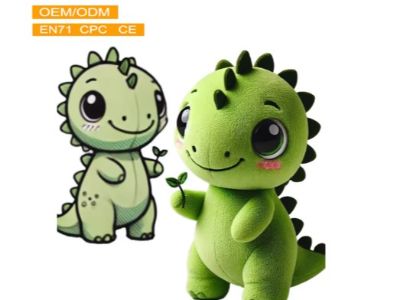
In the evolving landscape of the plush toy manufacturing industry, the 2026 Sustainable Materials Trend is reshaping how businesses approach production. As global awareness of environmental issues grows, B2B buyers are increasingly focused on sourcing toys made from sustainable materials. This article will address key considerations for purchasing managers, distributors, and engineers looking to align their sourcing strategies with sustainability goals. We will explore what sustainable materials entail, how to select them, and the implications for quality and sourcing in the plush toy sector.
Understanding Sustainable Materials in 2026
Sustainable materials in the plush toy industry refer to fabrics and components that minimize environmental impact throughout their life cycle. This includes materials that are biodegradable, recyclable, or sourced from renewable resources. As we approach 2026, manufacturers are focusing on innovative materials such as organic cotton, recycled polyester, and alternative filling materials like coconut coir or recycled PET.
The shift toward these materials is driven not only by consumer demand but also by regulatory pressures and corporate social responsibility commitments. Buyers must understand the implications of these materials on production processes, costs, and compliance with international standards. Sourcing sustainable materials can enhance brand reputation and appeal to eco-conscious consumers, making it a critical consideration for modern manufacturers.
How to Choose the Right Sustainable Materials for Plush Toy Manufacturing
Selecting the appropriate sustainable materials involves understanding the specific requirements of the plush toys being produced. Factors to consider include durability, safety, and the intended use of the toys. For example, personalized plush toys designed for young children require materials that meet stringent safety standards, such as those free from harmful chemicals and allergens.
When evaluating sustainable options, buyers should consider the following:
Material Certification: Look for certifications such as OEKO-TEX® or GOTS (Global Organic Textile Standard), which verify that materials meet specific environmental and safety standards.
Performance Characteristics: Assess how materials perform under various conditions, including washing, exposure to light, and wear and tear, to ensure longevity and safety.
Cost Implications: While sustainable materials can sometimes be more expensive, the long-term benefits of reduced environmental impact and alignment with consumer preferences often outweigh initial costs.
Supplier Reputation: Choose suppliers with a proven track record in sustainable practices and transparency regarding their sourcing methods.
What to Consider When Evaluating Quality in Plush Toy Materials?
Quality in plush toy materials is critical, particularly as it directly impacts safety, durability, and consumer satisfaction. Buyers should focus on several key quality indicators:
Material Composition: Understand the makeup of the materials used. For instance, blends of organic cotton with recycled fibers can provide a balance of softness and strength.
Production Consistency: Ensure that the manufacturer has robust quality control processes in place. This includes regular testing of materials and finished products to ensure they meet safety and quality standards.
Sample Approval: Before committing to a large order, it’s advisable to approve samples. This allows buyers to evaluate the actual product's look, feel, and performance, rather than relying solely on specifications.
Durability Tests: Inquire about any tests conducted to assess the durability of the materials. For custom made plush toys, this may include tests for seam strength, washability, and colorfastness.
Sustainable Materials vs. Traditional Plush Toy Fabrics
The choice between sustainable and traditional plush toy materials can significantly affect production practices, costs, and market positioning. Traditional fabrics often include synthetic fibers like polyester, which can be less expensive but pose environmental concerns due to their petroleum base and non-biodegradability.
Conversely, sustainable materials may require a higher upfront investment but can open new market opportunities. For instance, toys made from organic cotton or recycled materials can appeal to environmentally conscious consumers, potentially leading to higher sales margins.
Additionally, sustainable materials can enhance brand loyalty, as consumers increasingly favor companies that demonstrate environmental responsibility. As such, manufacturers must weigh the benefits of sustainability against the costs and operational changes required to transition away from traditional materials.
Finding Trustworthy Sources for Sustainable Toys
Identifying reliable sources for sustainable plush toys is essential for maintaining product quality and meeting consumer demands. Here are some tips for finding trustworthy suppliers:
Research Certifications: Verify that potential suppliers hold relevant certifications for their materials and manufacturing processes. This can provide assurance of their commitment to sustainability and quality.
Evaluate Supply Chain Transparency: Choose suppliers who are open about their sourcing and production methods. This transparency can help mitigate risks associated with unethical practices.
Request References and Samples: Engage with suppliers to obtain references from other businesses they work with and request samples to assess material quality personally.
Attend Industry Trade Shows: Participating in trade shows or industry conferences focused on sustainable manufacturing can help buyers connect with reputable suppliers and stay informed about the latest trends and innovations.
By following these steps, buyers can build a reliable network of suppliers committed to sustainable practices, ensuring that their product offerings align with industry trends and consumer expectations.
As the plush toy manufacturing industry moves towards sustainability, B2B buyers must be proactive in understanding and adopting sustainable materials. By focusing on quality, supplier reliability, and informed decision-making, manufacturers can position themselves favorably in a competitive market while contributing to a more sustainable future.

