
 EN
EN
 AR
AR
 CS
CS
 DA
DA
 NL
NL
 FI
FI
 FR
FR
 DE
DE
 EL
EL
 IT
IT
 JA
JA
 KO
KO
 NO
NO
 PL
PL
 PT
PT
 RU
RU
 ES
ES
 SV
SV
 IW
IW
 UK
UK
 TR
TR
 AF
AF
 GA
GA
 IS
IS
 LA
LA
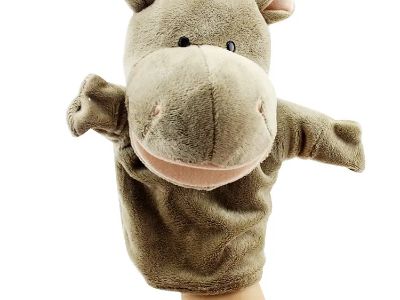
Choosing the right soft and non-irritating fabrics for custom plush hand puppets is crucial for ensuring comfort and safety, especially for young users. As a B2B buyer, you may have concerns about material selection, quality, production processes, and compliance with safety standards. This article will explore essential aspects of selecting appropriate fabrics for plush toy puppets, helping you make informed purchasing decisions.
Choosing the Right Soft Fabrics for Custom Plush Hand Puppets
When selecting fabrics for custom plush hand puppets, softness and non-irritating properties are paramount. Common fabric choices include fleece, velour, and cotton blends, each offering distinct benefits.
Fleece: Known for its plush texture and warmth, fleece is a popular choice due to its softness and durability. It is also lightweight, making it suitable for hand puppets that need to be easily manipulated by children.
Velour: This fabric has a luxurious feel and is often used for high-end plush toys. It is soft to the touch and provides an appealing aesthetic, making it a great choice for puppets designed for special occasions or performances.
Cotton Blends: Cotton fabrics are breathable and hypoallergenic, making them ideal for sensitive skin. Blending cotton with other materials can enhance durability while maintaining comfort.
Each fabric's weight, stretch, and durability should align with the intended use of the hand puppets, ensuring it withstands play while remaining comfortable.
Sourcing Soft Fabrics for Plush Toys
When sourcing soft fabrics for plush toys, consider the following factors:
Supplier Reliability: Choose suppliers with a proven track record in the plush toy industry. Evaluate their certifications, such as ICTI, Sedex, and BSCI, which indicate compliance with quality and social responsibility standards.
Material Sampling: Before making bulk purchases, request fabric samples. This allows you to
evaluate the softness, color, and texture firsthand, ensuring it meets your specifications.
Sustainability: Increasingly, buyers are looking for eco-friendly materials. Inquire about the sourcing of fabrics and whether they are made from sustainable or recycled materials.
Minimum Order Quantities (MOQs): Understand the supplier’s MOQ policies, as this can impact your production planning, especially for custom orders.
By carefully assessing these factors, you can ensure that the fabrics sourced for your plush hand childrens puppets meet quality and safety standards.
Key Specifications for Non-Irritating Fabrics in Puppets
When evaluating non-irritating fabrics for hand puppets, pay attention to the following specifications:
Oeko-Tex Certification: Fabrics that carry Oeko-Tex certification are tested for harmful substances and are safe for children's use. This certification is crucial for gaining buyer confidence.
Fiber Content: Fabrics made from natural fibers (like cotton) tend to be more breathable and less likely to cause irritation compared to synthetic fibers. However, blends can provide enhanced durability.
Weight and Thickness: The fabric's weight can affect its durability and comfort. For puppets, a medium-weight fabric often strikes the right balance between softness and sturdiness.
Washing Instructions: Ensure the fabric can withstand repeated washings without losing its softness or color. Fabrics that can be machine washed are more convenient for end-users.
Understanding these specifications helps you select fabrics that enhance the usability and safety of your plush hand puppets.
Cost Factors to Consider When Buying Plush Hand Puppets
Several cost factors influence the pricing of plush hand puppets:
Material Costs: The type of fabric selected will significantly impact the overall cost. Premium materials like velour may have higher upfront costs but can enhance the product's perceived value.
Customization Requirements: Custom designs, including embroidery or unique features, add to the production costs. Consider the complexity of your design when budgeting.
Production Volume: Larger orders typically reduce the per-unit cost. Discuss bulk pricing with suppliers to ensure you maximize your investment.
Shipping and Handling: Factor in shipping costs based on the weight and volume of your order. Shipping times can affect project timelines, so plan accordingly.
By understanding these cost factors, you can better manage your budget while ensuring the quality of your plush hand puppets.
Applications of Soft Fabrics in Custom Plush Puppet Design
Soft fabrics play a vital role in the design and functionality of custom plush puppets. Here are some key applications:
Theatrical Performances: Puppets used in theater often require fabrics that not only look good but also endure extensive handling. Soft, durable materials like fleece and velour are ideal for this application.
Educational Tools: Puppets designed for educational purposes should feature non-irritating fabrics to ensure safety during prolonged use. Fabrics that are easy to clean are also beneficial in classroom settings.
Gift and Collectible Items: For plush puppets intended as gifts or collectibles, aesthetics are crucial. High-quality, soft fabrics enhance the tactile experience and overall appeal, making them more desirable to consumers.
Therapeutic Uses: In therapeutic settings, soft fabrics can provide comfort and security to children. Selecting hypoallergenic and non-irritating materials is essential for these applications.
Understanding these applications allows you to tailor your fabric choices to meet specific end-user needs, enhancing the functionality and appeal of your plush hand puppets.

