
 EN
EN
 AR
AR
 CS
CS
 DA
DA
 NL
NL
 FI
FI
 FR
FR
 DE
DE
 EL
EL
 IT
IT
 JA
JA
 KO
KO
 NO
NO
 PL
PL
 PT
PT
 RU
RU
 ES
ES
 SV
SV
 IW
IW
 UK
UK
 TR
TR
 AF
AF
 GA
GA
 IS
IS
 LA
LA
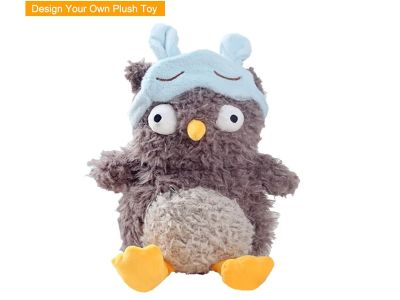
Choosing non-toxic yarn for high-end handmade crochet toy production is essential for manufacturers and designers focused on safety and quality. As consumers increasingly demand eco-friendly and safe products, the selection of yarn becomes a critical aspect of toy production. This article aims to guide purchasing managers, designers, and product developers through the process of selecting non-toxic yarn, ensuring that they meet safety standards while maintaining the aesthetic and functional qualities required for high-end crochet toys.
How to Choose Non-Toxic Yarn for High-End Crochet Toys?
When selecting non-toxic yarn, consider the fiber content and the dyeing process. Natural fibers such as organic cotton, bamboo, or wool are often the safest choices, as they are less likely to contain harmful chemicals compared to synthetic options. Additionally, verify that the yarn is certified as non-toxic by reputable organizations. Look for certifications like GOTS (Global Organic Textile Standard) or OEKO-TEX, which indicate that the yarn has been tested for harmful substances. Pay attention to the yarn's texture and durability, as these factors directly affect the toy's performance and safety. Softer yarns are generally better for children's custom crochet plush, as they prevent irritation on sensitive skin. Moreover, consider the yarn's color fastness this ensures that dyes do not bleed or fade, which is particularly important for toys that may be washed frequently.
Quality Control Measures for Non-Toxic Yarn Selection
To ensure the quality of non-toxic yarn, implement a rigorous quality control process. This may include:
Supplier Evaluation: Work with suppliers who provide transparent information about their manufacturing processes and sourcing of materials. Request samples and certifications to verify the yarn's safety.
Batch Testing: Conduct tests on yarn batches to check for chemical residues and ensure compliance with safety standards. This can include testing for harmful substances like heavy metals or formaldehyde.
Visual Inspection: Prior to production, visually inspect the yarn for inconsistencies such as color variations, knots, or defects that could affect the final product's appearance or safety.
Sample Approval: Before committing to a large order, approve a sample to confirm the yarn's texture, safety, and performance in the intended application.
By establishing these quality control measures, manufacturers can minimize risks associated with using non-toxic yarn in their products.
Comparing Costs of Non-Toxic Yarn for Bulk Orders
Cost is a significant consideration when selecting non-toxic yarn, especially for bulk orders. Non-toxic yarns often come at a premium due to the organic sourcing and intensive production processes involved. However, the benefits of using high-quality materials in terms of brand reputation and customer satisfaction can outweigh these costs.
When comparing prices, factor in:
Minimum Order Quantity (MOQ): Suppliers may have different MOQs for non-toxic yarn, which can affect total costs.
Shipping and Handling: Consider the logistics costs, as bulk orders may incur higher shipping fees.
Long-Term Savings: Investing in high-quality, non-toxic yarn can reduce returns and complaints, ultimately saving money over time.
Request quotations from multiple suppliers while clearly specifying the type of yarn, desired colors, and any certifications required. This will help you make an informed decision based on both price and quality.
Application Scenarios for Non-Toxic Yarn in Toy Production
Non-toxic yarn finds various applications in toy production, particularly for crochet toys like plush animals, dolls, and educational toys. Its softness and safety make it suitable for items intended for infants and young children. Specific scenarios include:
Plush Toys: For toys that children will snuggle with, soft, breathable yarn is essential. Non-toxic yarn helps ensure that any contact with the mouth or skin does not pose health risks.
Educational Toys: Crochet toys designed for learning, such as counting or color recognition toys, benefit from vibrant, non-toxic dyes that are safe for children to handle.
Seasonal or Themed Toys: Non-toxic yarn can be dyed in various colors to create seasonal or themed crochet fidget toy without compromising safety. This is particularly appealing for manufacturers looking to differentiate their products in the marketplace.
By understanding these application scenarios, manufacturers can better tailor their yarn selection to the intended use of their crochet toys.
Installation Guidance for Using Non-Toxic Yarn in Crafts
When using non-toxic yarn for crochet toy production, proper installation techniques are crucial for ensuring quality and safety. Here are some practical tips:
Hook Selection: Use the appropriate crochet hook size for the yarn weight to maintain even tension and prevent the yarn from splitting or fraying.
Stitch Techniques: Familiarize yourself with different crochet stitches and techniques that enhance the toy's structure, durability, and aesthetics. Techniques like double crochet or slip stitch can provide varying textures and finishes.
Finishing Techniques: Pay attention to how you finish the toy. Secure any loose ends properly to prevent unraveling, which could pose a choking hazard. Consider using non-toxic adhesives for any embellishments.
Testing for Safety: After completing the toy, test it for safety by checking for any small parts that could become detached or any areas that may pose a risk to children. Conduct a thorough inspection to ensure that the toy meets safety standards before it reaches the market.
By following these guidelines, manufacturers can effectively use non-toxic yarn in their crafts, ensuring the final products are safe, durable, and appealing to customers. Selecting non-toxic yarn for high-end handmade cute crochet doll production not only adheres to safety regulations but also enhances the product's overall quality and marketability. By understanding the intricacies of yarn selection, quality control, and production techniques, buyers can ensure they make informed decisions that align with consumer demands for safe and sustainable toys.

