
 EN
 AR
 CS
 DA
 NL
 FI
 FR
 DE
 EL
 IT
 JA
 KO
 NO
 PL
 PT
 RU
 ES
 SV
 IW
 UK
 TR
 AF
 GA
 IS
 LA
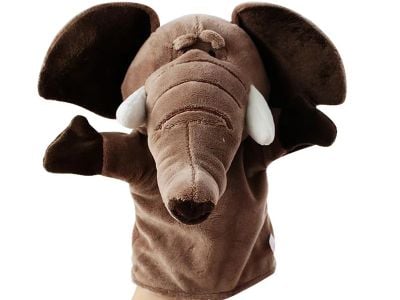
Conducting an on-site audit of a wholesale custom toy factory is crucial for ensuring that the supplier meets your production standards and compliance requirements. A comprehensive audit helps buyers—such as purchasing managers, distributors, and product managers—evaluate the factory’s capabilities, quality control processes, and overall reliability. This article will guide you through the essential steps of conducting an effective on-site audit, addressing key buyer concerns and offering practical insights into what to expect from the process.
How to Choose the Right Wholesale Custom Toy Supplier
Selecting the right wholesale custom toy supplier is fundamental to your business success. Start by assessing their manufacturing capabilities—check the types of custom toys they produce, such as plush or plastic, and ensure they align with your product range. Investigate their production capacity, which can be a deciding factor, especially if you require large quantities. For instance, with an annual production capacity of 800,000 pieces, a supplier can meet significant demand without delays.
It’s also vital to review their certifications, such as ICTI, Sedex, and BSCI, which demonstrate compliance with quality and social responsibility standards. A thorough background check on their experience in the industry will help gauge their reliability. Lastly, ask for references or case studies to understand their previous work and how they handle customization requests, as this can significantly affect your product's unique appeal.
What to Expect During Your On-Site Audit of a Toy Factory
An on-site audit of a toy factory typically involves a comprehensive inspection of the production line, quality control processes, and factory conditions. Begin by assessing the factory layout and organization. A well-structured factory not only enhances production efficiency but also indicates proper management practices.
During the audit, prioritize discussions about production equipment. Understanding the machinery used for sewing, cutting, embroidery, and injection molding can help you evaluate whether their technology meets your product specifications. Inspecting the machinery can also reveal maintenance practices that affect production consistency.
Quality control processes are another critical area to evaluate. Check if the factory implements systematic inspections at various stages of production. Ask about their quality assurance protocols and how they handle defects. This will give you insight into their commitment to delivering high-quality custom made stuffed toys.
Finally, ensure that the factory follows health and safety regulations. Observing the working conditions and employee engagement will provide a clear picture of the factory’s operational ethics and reliability.
Common Problems in Toy Manufacturing and Their Solutions
Toy manufacturing can present various challenges that may affect product quality and delivery timelines. One common issue is material selection. For example, using low-quality materials may lead to safety concerns and product recalls. Ensure that the supplier can provide data on material sources and compliance with safety standards.
Another common problem is inadequate quality control measures, leading to inconsistencies in product quality. This can be mitigated by demanding a clear quality control plan that includes regular inspections and testing protocols.
Production delays can also arise from improper scheduling and insufficient capacity. Regularly reviewing production timelines and maintaining open communication with the supplier can help prevent unexpected delays. Additionally, conducting a pre-production sample check is essential to confirm that the final product meets your specifications before mass production begins.
What to Consider for Bulk Toy Orders
When placing bulk toy orders, several factors should be taken into account to ensure a smooth transaction. First, confirm the minimum order quantity (MOQ) required by the supplier. Understanding this helps you plan your inventory and manage costs effectively.
Next, discuss packaging methods. Proper packaging is crucial for maintaining product integrity during shipping. Ensure the supplier can accommodate your packaging requirements, including custom branding options if needed.
Lead times are another critical factor. Establish how long it takes for the supplier to fulfill an order and factor this into your overall supply chain schedule. This can help you avoid stockouts, especially during peak selling seasons.
Finally, clarify pricing structures, including any potential discounts for bulk orders. Understanding the cost breakdown will aid in budgeting and provide transparency in your negotiations.
What Buyers Should Know
As a buyer in the toy industry, being well-informed can significantly enhance your purchasing decisions. Familiarize yourself with product specifications, including dimensions, materials, and performance requirements. This knowledge will help you assess whether the supplier can meet your expectations.
Additionally, understanding the export markets and regulatory requirements for custom plush toys wholesale is essential, particularly if you plan to sell internationally. Different countries have varying safety standards that must be adhered to.
Buyers should also prioritize communication with suppliers. Establishing clear channels for discussing product updates, potential issues, and feedback can foster a more productive relationship. Regular communication assures that both parties remain aligned on expectations and outcomes.
Lastly, always request samples for evaluation before proceeding with large orders. Testing samples under expected operating conditions can reveal potential flaws and ensure the final product meets your standards.
Conducting an on-site audit of a wholesale custom toy factory requires attention to detail and thorough preparation. By understanding the key aspects of supplier selection, factory evaluation, and manufacturing challenges, buyers can make informed decisions that contribute to their business success.

