
 EN
EN
 AR
AR
 CS
CS
 DA
DA
 NL
NL
 FI
FI
 FR
FR
 DE
DE
 EL
EL
 IT
IT
 JA
JA
 KO
KO
 NO
NO
 PL
PL
 PT
PT
 RU
RU
 ES
ES
 SV
SV
 IW
IW
 UK
UK
 TR
TR
 AF
AF
 GA
GA
 IS
IS
 LA
LA
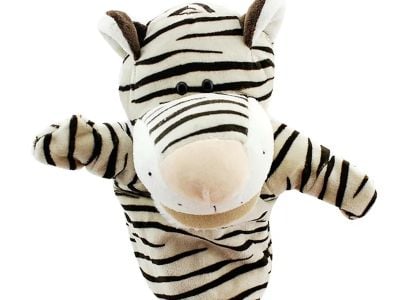
The prototyping and production of custom toys is a complex process that requires careful planning, design, and execution. This guide will walk you through the step-by-step B2B considerations for successfully bringing custom made plush toys to market, addressing key buyer concerns such as quality control, sourcing reliable suppliers, cost factors, installation guidance, and applications across various industries. Understanding these aspects can help purchasing managers, distributors, and product managers make informed decisions, ensuring that the final product meets both market demands and regulatory standards.
Evaluating Quality Control in Custom Toy Production Processes
Quality control is crucial in custom toy production, as it directly impacts product safety and consumer satisfaction. Before initiating mass production, it’s essential to establish a robust quality assurance system that includes material inspections, in-process checks, and final product evaluations.
First, ensure that your manufacturer practices stringent quality control measures. This includes verifying that materials meet safety standards (like ASTM F963 or EN71) and that production processes are compliant with relevant regulations. Conducting pre-production sample approvals is critical. Buyers should not only review artwork or raw material specifications but also approve a finished sample that accurately represents the final product. This helps confirm dimensions, fit, surface appearance, and actual production performance.
Moreover, implementing regular audits and inspections during production can help identify issues early, minimizing waste and ensuring that the final products adhere to your quality standards.
Where to Source Reliable Suppliers for Custom Toy Projects
Finding reliable suppliers for custom toy projects can be challenging, but several strategies can simplify the process. Start by researching manufacturers that specialize in the production of plush and plastic toys. Look for companies with industry certifications like ICTI, Sedex, and BSCI, which indicate compliance with social and quality standards.
Networking in industry-specific trade shows and forums can also provide opportunities to meet potential suppliers face-to-face and discuss your requirements in detail. Additionally, leveraging online platforms and directories that list verified manufacturers can help streamline your search.
When evaluating suppliers, consider their production capacity, machinery capabilities, and customization offerings. Requesting samples and reviewing past projects can provide insight into their quality and reliability. Finally, always check references and client testimonials to gauge the supplier's reputation in the industry.
Understanding Cost Factors in Bulk Orders of Custom Toys
Pricing for custom toys can vary significantly based on several factors. Understanding these cost components is essential for budgeting and ensuring you receive a competitive quote. Key factors include:
Material Costs: The choice of materials, such as plush fabric or plastic, significantly impacts pricing. Higher-quality materials may come with increased costs but can lead to better durability and customer satisfaction.
Production Complexity: The complexity of the design and the intricacies of manufacturing can affect labor costs and machine time. Custom features, such as embroidery or unique shapes, may increase production time and, consequently, costs.
Order Quantity: Bulk orders typically benefit from lower per-unit pricing due to economies of scale. Understanding the minimum order quantity (MOQ) that a supplier can accommodate is crucial when planning your project.
Packaging and Shipping: Consideration should be given to packaging requirements and shipping logistics. Custom packaging can enhance presentation but may add to costs.
Lead Times: Longer lead times can affect cash flow and inventory management. It’s important to clarify expected timelines with your supplier, as expedited services may incur additional charges.
By carefully analyzing these factors, you can better negotiate pricing and avoid unexpected costs.
Installation Guidance for Your Custom Toy Projects and Products
While custom toys are often ready for immediate use, certain projects may require assembly or installation guidance, especially for larger or more complex products. Providing clear instructions and necessary tools for assembly can enhance customer satisfaction and reduce returns.
When working with your manufacturer, specify how the toys will be packaged and whether assembly instructions will be included. Detailed, easy-to-follow guidelines can help ensure that end-users can efficiently assemble or use the products.
Additionally, consider including safety warnings and age recommendations, as these are essential for compliance with safety regulations. Providing this information upfront can help prevent misuse and enhance the overall user experience.
Applications of Custom Toys in Various Industries and Markets
Custom toys have applications across a variety of industries, including education, healthcare, and marketing. Understanding these markets can help you tailor your product offerings to meet specific needs.
Education: Custom toys can serve as educational tools, helping children develop skills such as fine motor coordination and cognitive reasoning. Educational institutions often seek toys that support learning through play.
Healthcare: In healthcare settings, plush toys are frequently used as comfort items for children undergoing medical procedures. Customization can include branding or thematic designs that resonate with the target demographic.
Marketing and Promotions: Businesses often use custom toys as promotional items or giveaways to enhance brand visibility. These custom made stuffed toys can be tailored to reflect a company’s branding or specific marketing campaigns, making them effective tools for engagement.
Retail: In retail, custom toys can differentiate a brand in a competitive market. Retailers often look for unique designs or limited editions that attract consumer interest.
By understanding the diverse applications of custom toys, you can better position your product in the marketplace and meet the specific needs of different sectors.
In summary, navigating the journey from toy concept to production requires careful planning and consideration. By focusing on quality control, supplier selection, cost factors, installation guidance, and application suitability, B2B buyers can ensure they make informed decisions that lead to successful custom toys projects.
Table of Contents
- Evaluating Quality Control in Custom Toy Production Processes
- Where to Source Reliable Suppliers for Custom Toy Projects
- Understanding Cost Factors in Bulk Orders of Custom Toys
- Installation Guidance for Your Custom Toy Projects and Products
- Applications of Custom Toys in Various Industries and Markets

