
 EN
EN
 AR
AR
 CS
CS
 DA
DA
 NL
NL
 FI
FI
 FR
FR
 DE
DE
 EL
EL
 IT
IT
 JA
JA
 KO
KO
 NO
NO
 PL
PL
 PT
PT
 RU
RU
 ES
ES
 SV
SV
 IW
IW
 UK
UK
 TR
TR
 AF
AF
 GA
GA
 IS
IS
 LA
LA
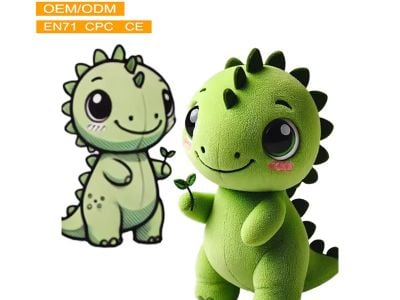
Understanding Factory Certifications When Choosing a Reliable Toy Manufacturer
When sourcing a reliable toy manufacturer, understanding factory certifications is crucial for ensuring product quality and compliance with safety standards. Certifications can influence various aspects of toy production, including material selection, manufacturing processes, and social responsibility. For B2B buyers, such as purchasing managers and product managers, knowing which certifications to look for can significantly impact purchasing decisions. This article will help you navigate the landscape of factory certifications, highlighting key considerations to ensure you choose a trustworthy toy manufacturer.
How to Evaluate Certifications When Sourcing Toy Manufacturers?
Evaluating certifications involves understanding what each certification represents and how it relates to your specific requirements. Start by identifying the certifications relevant to the toy industry, such as ICTI (International Council of toy manufacturer Industries), Sedex (Supplier Ethical Data Exchange), and BSCI (Business Social Compliance Initiative). These certifications signify compliance with ethical labor practices, product safety, and quality standards. Next, consider the certification's scope and validity. Certifications should be current and issued by recognized bodies. Verify the manufacturer’s compliance history and any audits conducted to maintain certification. This information can often be found in the manufacturer’s documentation or directly requested during the sourcing process. Lastly, assess how the certifications align with your company’s values, particularly regarding social responsibility and sustainability. This alignment is increasingly important for consumers and can influence your brand's reputation.
Key Certifications to Look for in Reliable Toy Suppliers
When choosing a toy manufacturer, the following certifications are essential:
ICTI Certification: This certification ensures that manufacturers adhere to ethical labor practices, including fair wages and safe working conditions. It indicates a commitment to responsible manufacturing.
Sedex Certification: Sedex focuses on ethical sourcing and supply chain transparency. It helps buyers assess labor practices, health and safety, and environmental impact. A manufacturer with Sedex certification demonstrates a commitment to ethical standards.
BSCI Certification: Similar to Sedex, BSCI promotes social compliance in the supply chain, ensuring that workers' rights are respected. It offers a framework for continuous improvement in labor standards.
ISO Certifications: While not specific to toys, ISO certifications related to quality management (ISO 9001) and environmental management (IS O 14001) can indicate a manufacturer’s commitment to quality and sustainability.
EN71 Certification: This is a European standard for toy safety, ensuring that toy manufacturing companies meet strict safety requirements. If you plan to sell toys in Europe, this certification is critical.
ASTM F963: In the United States, compliance with ASTM F963 is required for toy safety. This standard outlines safety requirements for toys intended for children.
By prioritizing these certifications, you can ensure that your chosen manufacturer meets both safety and ethical standards.
The Role of Certifications
Certifications play a vital role in establishing a manufacturer’s credibility and trustworthiness. They serve as third-party validation of a factory’s practices and processes, providing assurance to buyers that products are produced in compliance with industry standards. For instance, a manufacturer with ICTI certification not only adheres to safety standards but also supports ethical labor practices, which is a growing concern for many consumers.
Moreover, certifications can facilitate smoother entry into various markets. For example, compliance with EN71 or ASTM F963 is often required for toys sold in specific regions. Buyers can leverage these certifications to ensure their products meet regulatory requirements, thereby reducing the risk of recalls or penalties.
Ultimately, certifications help mitigate risk and enhance transparency in the supply chain, allowing buyers to make informed decisions when selecting a manufacturer.
Certifications That Matter for Toy Production
In addition to the aforementioned certifications, consider these additional factors that relate to toy production:
Quality Control Processes: A manufacturer’s commitment to quality control is typically reflected in their certifications. Look for factories that have robust quality management systems in place, ensuring that each product meets the required safety and quality standards before reaching the market.
Sustainability Certifications: As environmental concerns grow, certifications related to sustainable practices, such as FSC (Forest Stewardship Council) for wood products or ISO 14001 for environmental management, can be crucial. These certifications demonstrate a commitment to minimizing environmental impact during production.
Material Safety Certifications: Certifications related to the safety of materials used in toy production, such as phthalate-free or lead-free certifications, are essential for ensuring that toys are safe for children.
Country-Specific Regulations: Be aware of any country-specific certifications required for custom toy manufacturer in the markets where you intend to sell. This can include compliance with various national standards, which can vary significantly.
Understanding these certifications helps you assess a manufacturer’s capabilities and ensures that the toys produced are safe, ethical, and compliant with regulatory requirements.
How Factory Certifications Influence Cost and Production Quality?
The presence of certifications typically indicates a manufacturer’s commitment to maintaining high standards, which can influence both cost and production quality. Certified manufacturers often invest in quality control processes and staff training, leading to higher production costs. However, this investment can pay off in the long run through reduced defects, lower return rates, and improved brand reputation. Furthermore, buyers should understand that while selecting a certified manufacturer may come with a higher price tag, the long-term benefits often outweigh the initial costs. For instance, a manufacturer with a solid quality management system is less likely to produce defective products, reducing the risk of costly recalls and enhancing customer satisfaction. Additionally, certifications can influence lead times. Manufacturers that maintain their certifications often have streamlined processes and ready access to compliant materials, allowing them to fulfill orders more efficiently. This can be a significant advantage when time-to-market is crucial for your business. while evaluating factory certifications, it is essential to balance the associated costs with the benefits of quality assurance, compliance, and ethical manufacturing practices. By thoroughly understanding the importance of certifications, buyers can make well-informed decisions that align with their business objectives and consumer expectations.

