Plush animal puppets are not just delightful toys for children; they also serve various applications in educational settings, marketing promotions, and therapeutic environments. As a B2B buyer, understanding the quality, specifications, and potential challenges associated with purchasing finger puppet is crucial to making informed decisions. This article will guide you through the key factors to consider when sourcing these products for your business, ensuring you select the right puppets that meet your needs and expectations.
When selecting Jolly Toy plush animal puppets, several specifications should be evaluated to ensure they meet your requirements. Key factors include:
Material Composition: Plush animal puppets are typically made from synthetic fibers like polyester or natural fibers like cotton. The choice affects the puppet's feel, durability, and safety. For example, hypoallergenic materials are essential for products intended for young children.
Size and Dimensions: Puppets come in various sizes. Consider the intended use—larger puppets may be more visible for stage performances, while smaller ones are suitable for interactive play. Confirm dimensions to ensure they fit your intended applications.
Safety Standards: Certifications such as ICTI, Sedex, and BSCI indicate compliance with safety and ethical manufacturing standards. Ensure that the childrens hand puppets you purchase have relevant testing and certifications to avoid safety hazards.
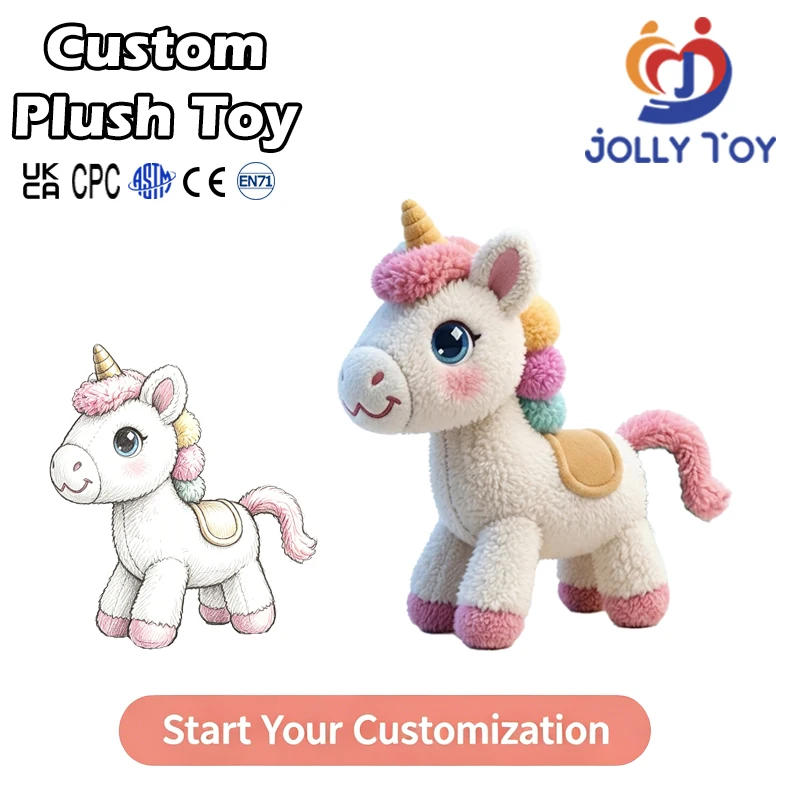
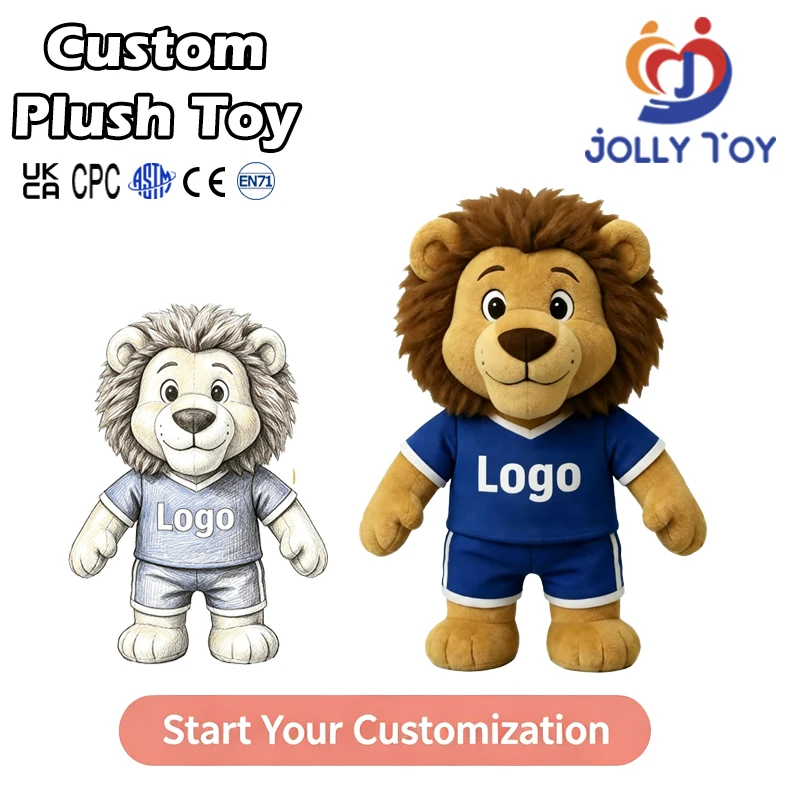
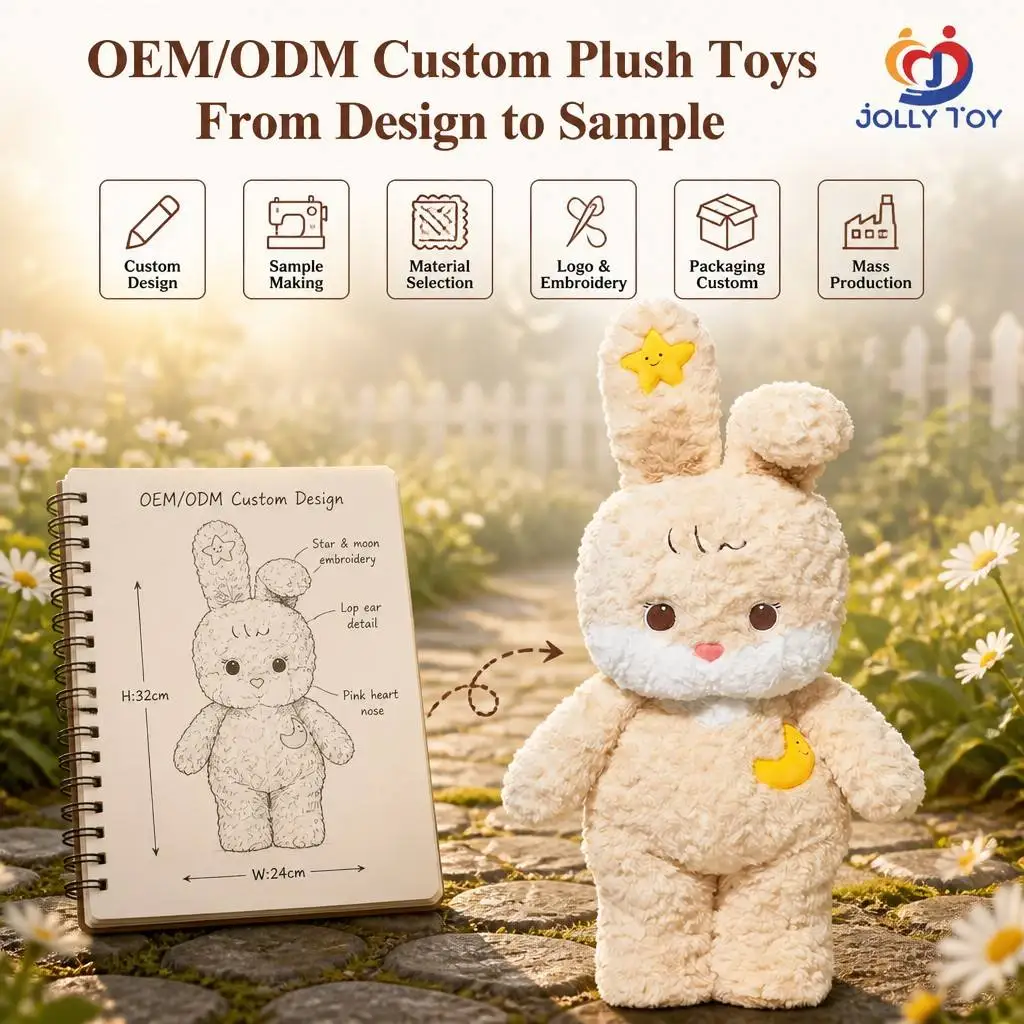
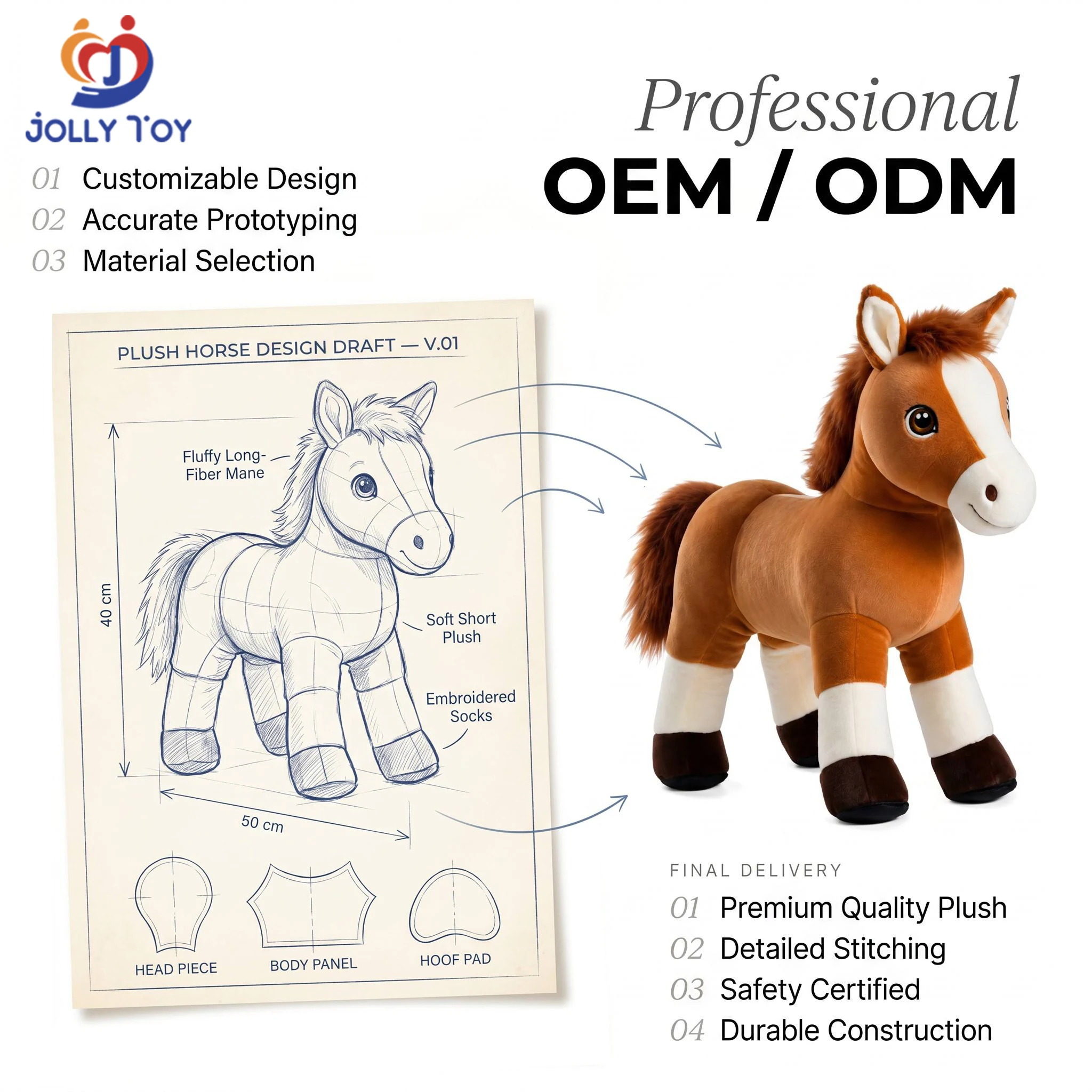
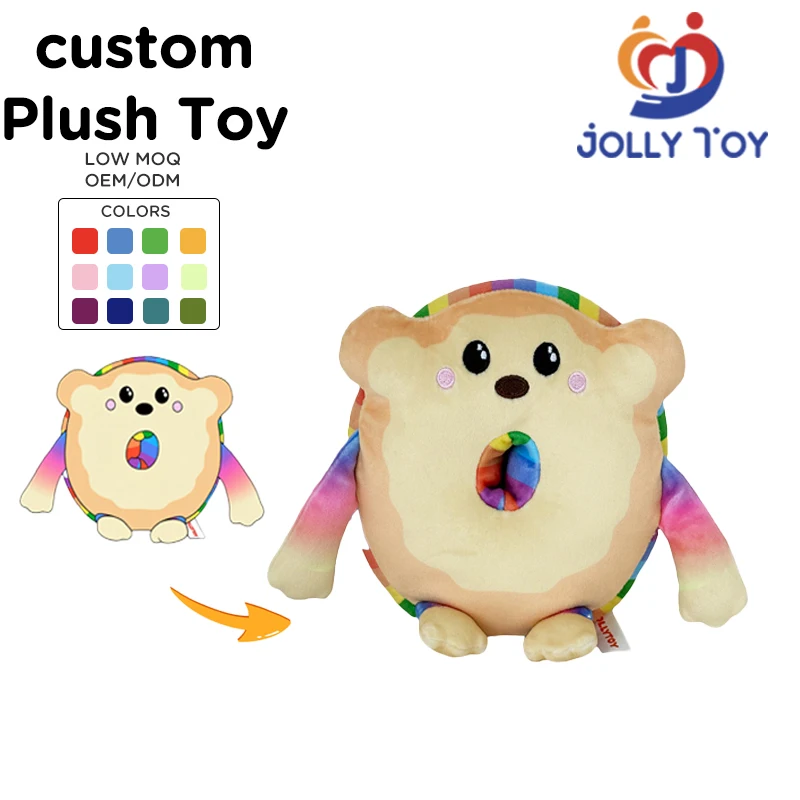
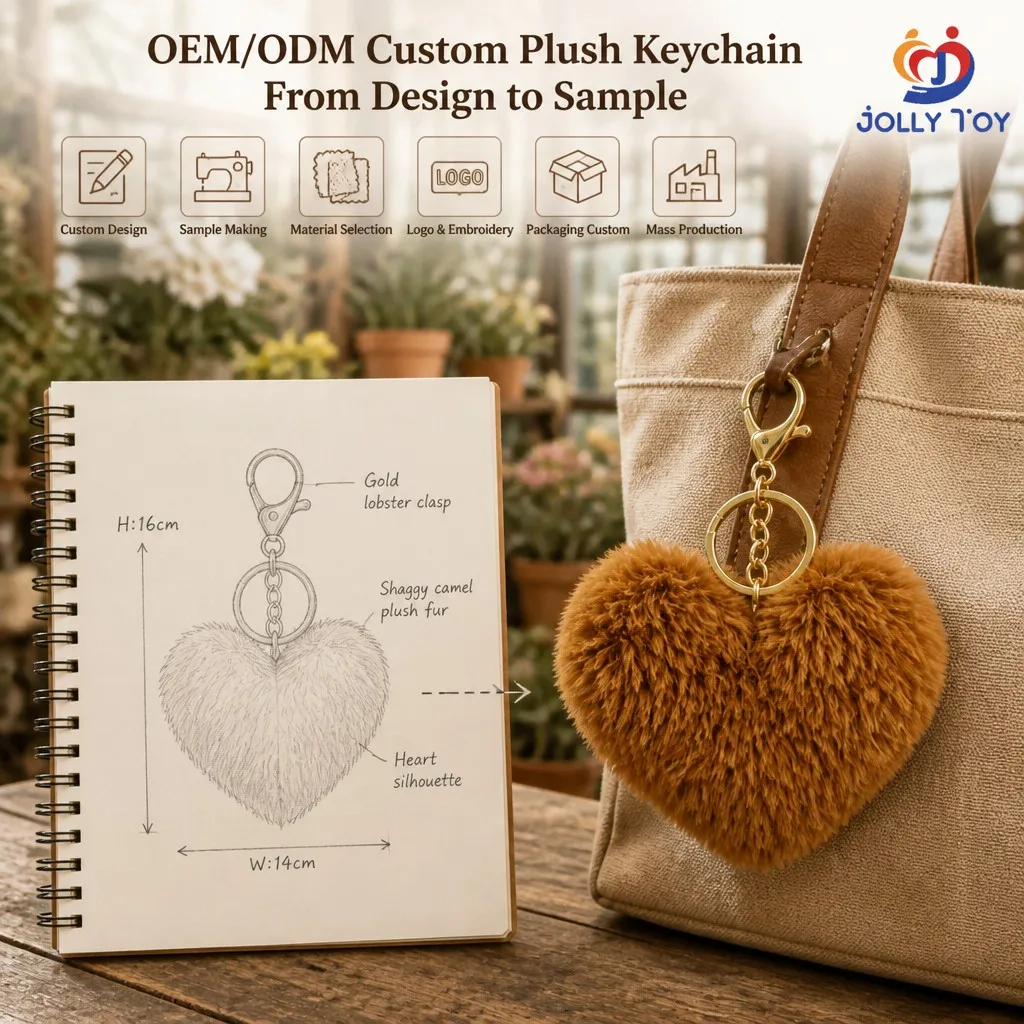
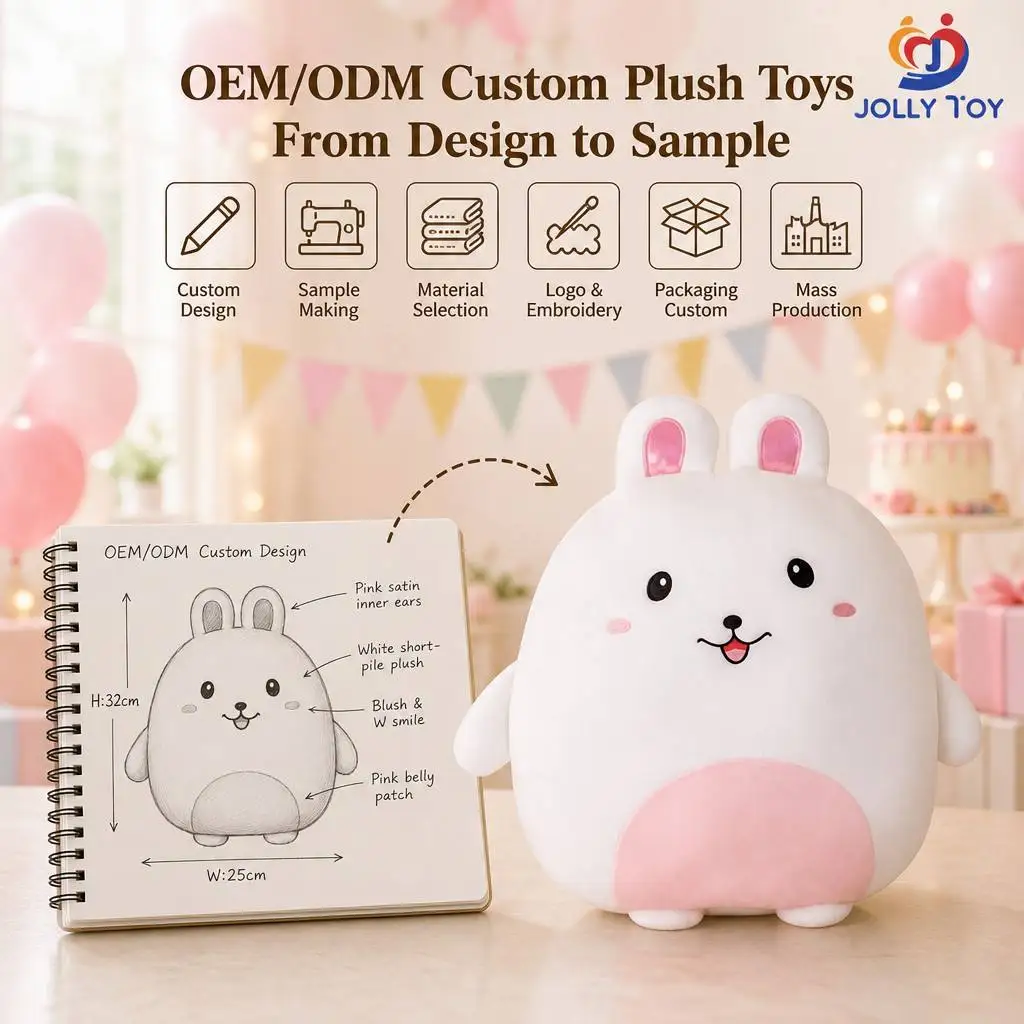
Customization Options: Many manufacturers offer customization in terms of design, color, and branding. Discuss your specific requirements with the supplier to understand what can be tailored to fit your business.
Production Capacity and Lead Time: It's essential to know the manufacturer's production capacity—our facility, for instance, can produce up to 800,000 pieces annually. Ensure that the lead time aligns with your project timelines.
Quality evaluation is critical when sourcing Jolly Toy plush animal puppets. Begin by assessing the following:
Material Quality: High-quality materials not only enhance the puppet's aesthetic appeal but also affect its longevity. Request samples to evaluate the texture and durability firsthand.
Stitching and Construction: Inspect the stitching and construction quality. Strong seams and secure attachments reduce the risk of parts coming loose during use, which is particularly important for children's toys.
Finish and Detailing: Look for details such as embroidery, eyes, and other features. These should be securely attached and free from sharp edges or small parts that could pose safety risks.
Quality Control Processes: Inquire about the supplier's quality control measures. Regular inspections and testing during the manufacturing process can help ensure that the final products meet your standards.
User Feedback: If possible, gather reviews or feedback from other businesses that have purchased from the supplier. This can provide insight into the performance and quality of their plush animal puppets.
Understanding the cost factors associated with plush animal puppets can help you budget effectively and ensure you receive value for your investment. Key considerations include:
Material Costs: The type of materials used significantly impacts the overall price. Synthetic materials tend to be less expensive than natural fibers.
Customization Fees: Custom designs or branding often incur additional costs. Clarify any extra charges for customization early in your discussions with suppliers.
Minimum Order Quantities (MOQ): Suppliers may have minimum order requirements. Larger orders may reduce the unit cost, so assess your budget and needs accordingly.
Shipping and Handling: Factor in shipping costs, which can vary based on the order size and destination. Ensure you understand the shipping terms and any potential delays.
Quality Assurance Costs: If you require third-party quality inspections, include these costs in your budget. This can safeguard against receiving subpar products.
While plush animal puppets are generally well-received, buyers should be aware of potential issues that may arise:
Quality Inconsistencies: Variations in quality can occur, especially in large orders. Implementing a stringent quality inspection process before accepting shipments can mitigate this risk.
Material Defects: Occasionally, defects such as fraying or improper stitching may be present. Always check samples thoroughly and establish return policies with your supplier.
Safety Concerns: Ensuring compliance with safety standards is vital. Work with suppliers who can provide documentation confirming that their products meet relevant safety guidelines.
Supply Chain Delays: Production and shipping delays can impact your timelines. Keep open lines of communication with your supplier and discuss contingency plans for unexpected delays.
Limited Customization Options: Sometimes, suppliers may not accommodate specific design requests. Discuss your customization needs upfront to avoid misunderstandings later in the process.
Investing in custom plush animal puppets for bulk orders can offer several advantages:
Brand Identity: Customization allows you to incorporate your brand's colors, logos, and themes, making the puppets a great promotional tool.
Unique Offerings: Custom designs can set your products apart from competitors, appealing to niche markets or specific customer preferences.
Enhanced Engagement: Tailored puppets can resonate more with your target audience, increasing engagement rates, especially in educational or therapeutic environments.
Cost Efficiency: Bulk ordering typically allows for lower unit prices. This can lead to significant savings, particularly when factoring in customization benefits.
Long-Term Partnerships: Building a relationship with a supplier who can provide custom solutions fosters collaboration and can lead to better pricing, improved service, and priority handling for future orders.
By understanding the nuances of purchasing Jolly Toy animal finger puppets, you can make informed decisions that align with your business goals. Whether you're aiming for educational tools, promotional items, or therapeutic aids, assessing specifications, quality, cost factors, and common challenges will help ensure a successful procurement process.

 EN
EN
 AR
AR
 CS
CS
 DA
DA
 NL
NL
 FI
FI
 FR
FR
 DE
DE
 EL
EL
 IT
IT
 JA
JA
 KO
KO
 NO
NO
 PL
PL
 PT
PT
 RU
RU
 ES
ES
 SV
SV
 IW
IW
 UK
UK
 TR
TR
 AF
AF
 GA
GA
 IS
IS
 LA
LA