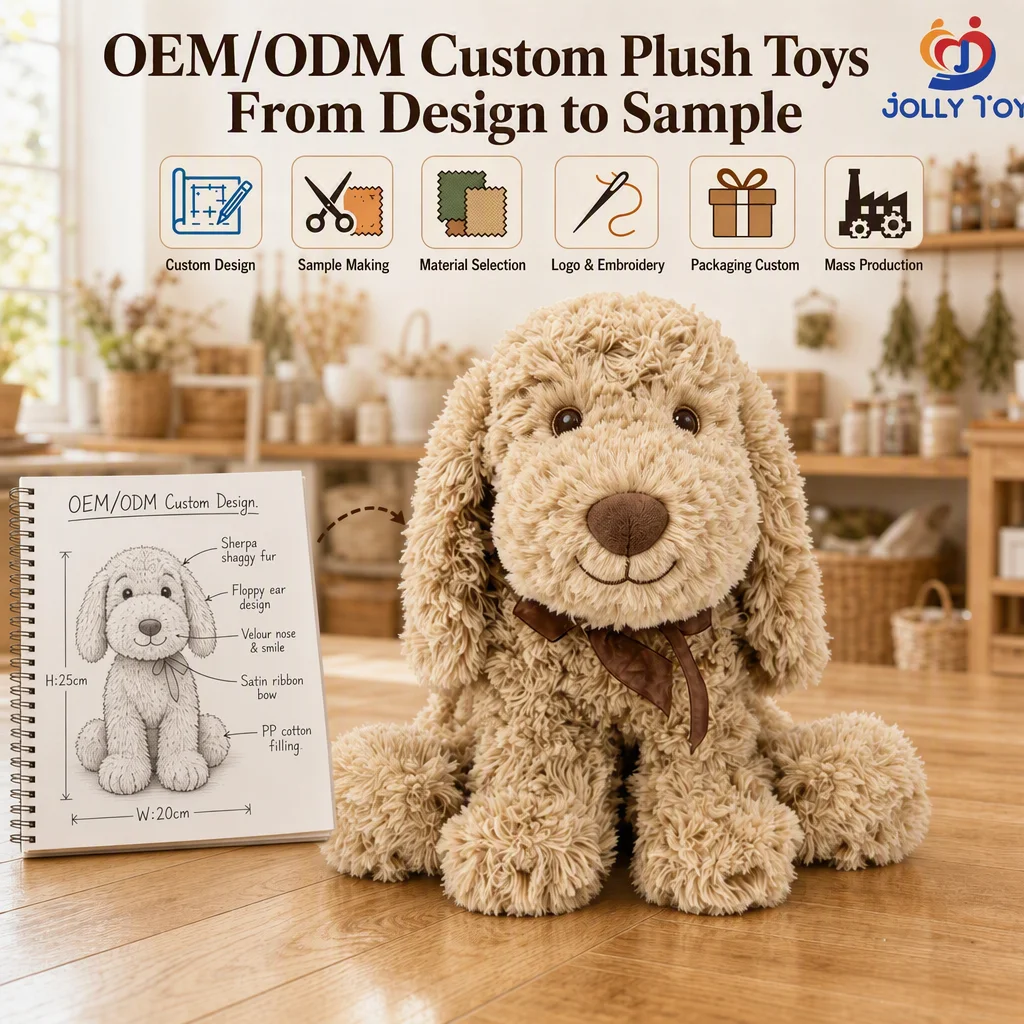
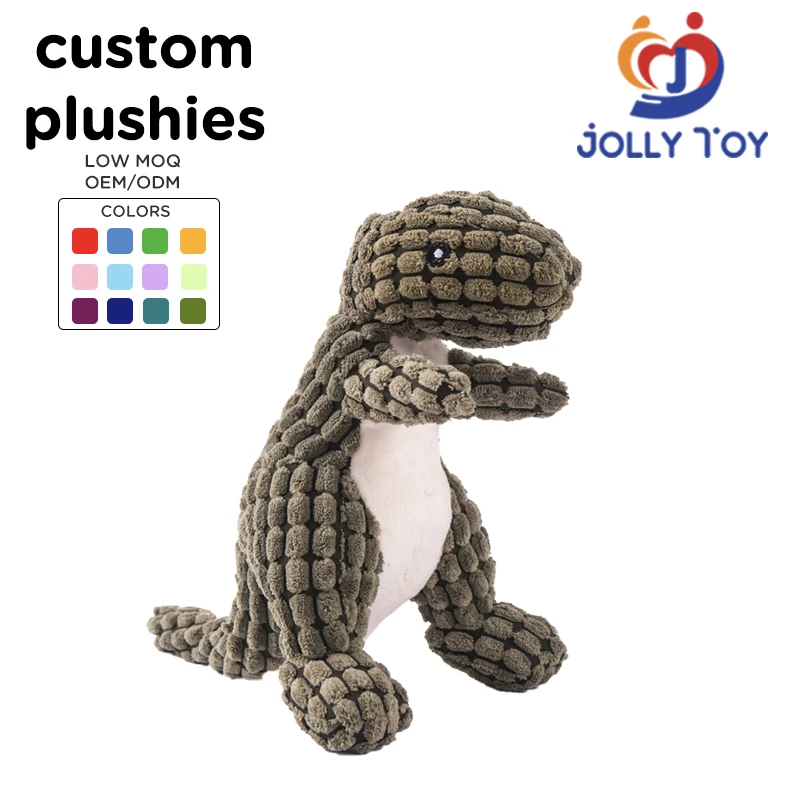
Stuffed animal puppets are versatile toys that seamlessly blend play and creativity, making them popular in educational settings, retail environments, and as promotional items. As a B2B buyer, your primary concerns include quality, customization options, production capacity, and compliance with safety standards. This article will guide you through key considerations when sourcing stuffed puppet finger animals, providing insights into specifications, problem-solving, and cost factors to help you make informed purchasing decisions.
When sourcing stuffed animal puppets, several key factors should be evaluated to ensure you are making a sound investment. First, consider the materials used in production. Plush toys typically require soft, durable fabrics that comply with safety standards, especially if intended for children. Look for certifications such as ICTI, Sedex, and BSCI, which indicate adherence to ethical manufacturing practices and quality control. Next, assess the customization capabilities of the manufacturer. Many buyers seek unique designs, logos, or colors to align with branding or educational themes. Ensure the manufacturer has experience with custom orders and can provide samples for approval before mass production. Finally, investigate production capacity and lead times. With an annual production capacity of 800,000 pieces, it's essential to confirm whether the animal finger puppets supplier can meet your order size within your desired timeframe. Understanding these aspects will help you avoid delays in delivery and ensure product availability.
Sourcing stuffed animal puppets in bulk requires a strategic approach. Start by identifying your specific requirements, including the quantity, design, and intended use. This information will help you communicate effectively with potential suppliers. Once you have your specifications, request quotations from multiple manufacturers. Ensure that you provide details such as material preferences, dimensions, and any customization needs. This will allow suppliers to offer accurate pricing and lead times. When evaluating suppliers, consider their experience in producing stuffed animal puppets. A reputable manufacturer should provide references or case studies demonstrating their ability to deliver quality products consistently. Additionally, visiting the factory or requesting a virtual tour can give you insight into their production capabilities and quality control processes.
Technical specifications are crucial in ensuring the stuffed animal puppets meet your intended use and quality standards. Key specifications to consider include:
Material: Common materials include polyester, cotton, or blends that focus on durability and softness. Polyester is often preferred for its resilience and ease of cleaning
Dimensions: Sizes can vary significantly, from small handheld puppets to larger display models. Confirm the dimensions based on your target market and intended use
Safety compliance: Ensure the puppets meet safety standards relevant to your market, such as EN71 in Europe or ASTM F963 in the United States. These standards address flammability, choking hazards, and toxic materials
Stuffing type: The choice of stuffing can affect the puppet's feel and durability. Polyester Fiberfill is common for plush toys, providing a soft texture and maintaining shape after washing
By confirming these specifications, you can ensure that the stuffed animal puppets are suitable for your application and meet safety requirements.
Like any manufactured product, stuffed animal puppets can encounter several common issues. Being aware of these problems allows you to take preventative measures
Quality inconsistencies: Variations in stitching or fabric quality can lead to defects. To mitigate this, request pre-production samples and conduct thorough quality inspections. Establishing quality control checkpoints during production is also advisable
Material durability: Plush toys can wear down over time, especially if subjected to frequent washing or rough handling. Discuss material choices with your manufacturer to ensure longevity. Fabrics labeled as ‘washable’ or ‘durable’ should be prioritized
Design misalignment: If the design is not properly aligned during production, it can result in misprinted or poorly shaped puppets. Request digital proofs or physical samples before finalizing large orders, allowing you to confirm that the design meets your expectations
By addressing these common issues upfront, you can enhance the quality and appeal of your stuffed animal puppets.
Understanding the cost factors involved in purchasing stuffed animal puppets is essential for effective budgeting. Key elements that influence pricing include:
Material costs: The choice of fabric and stuffing directly impacts the overall cost. Higher-quality materials may increase the unit price but provide better durability and appeal
Customization: Custom designs, colors, or logos may incur additional costs. Discuss these requirements upfront to get a clear idea of how they affect pricing
Order quantity: Manufacturers often have minimum order quantities (MOQ), which can affect your overall cost. Larger orders typically benefit from volume discounts
Shipping and handling: Don’t overlook logistics when budgeting. Shipping costs can vary based on distance, weight, and packaging requirements. Ensure you account for these expenses in your total cost assessment
By carefully evaluating these factors, you can better understand the pricing structure and make informed purchasing decisions regarding stuffed rabbit hand puppet.

 EN
EN
 AR
AR
 CS
CS
 DA
DA
 NL
NL
 FI
FI
 FR
FR
 DE
DE
 EL
EL
 IT
IT
 JA
JA
 KO
KO
 NO
NO
 PL
PL
 PT
PT
 RU
RU
 ES
ES
 SV
SV
 IW
IW
 UK
UK
 TR
TR
 AF
AF
 GA
GA
 IS
IS
 LA
LA