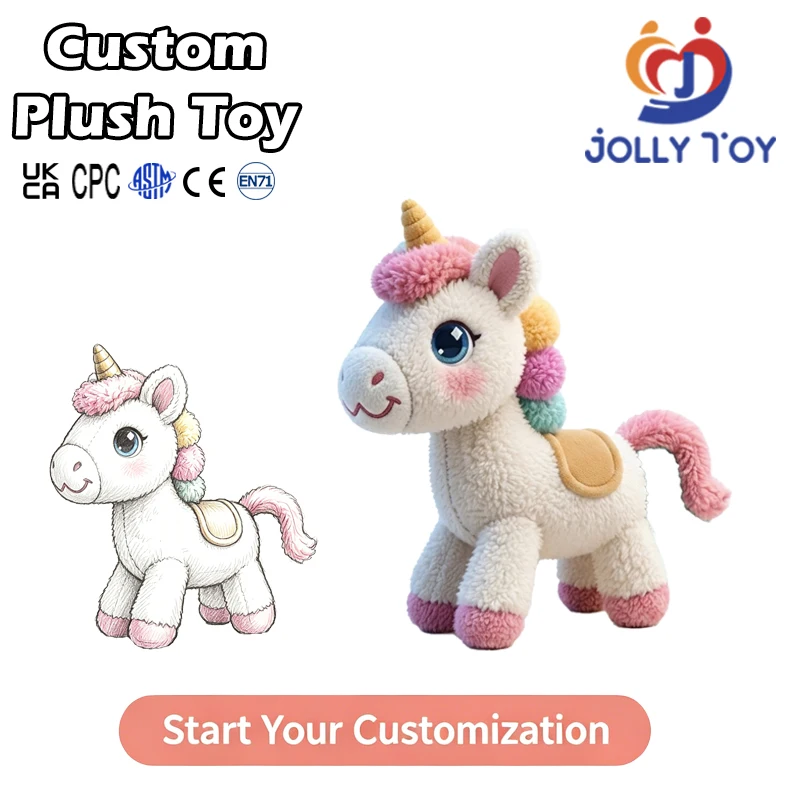
When sourcing toys for retail or distribution, selecting the right wholesale toy suppliers is crucial for ensuring product quality, compliance, and profitability. Buyers, including purchasing managers and distributors, often face concerns regarding product specifications, manufacturing capabilities, and the reliability of suppliers. This article will guide you through the essential factors to consider when choosing Jolly Toy plush toy supplier and provide insights into the specifications and common issues in the toy sourcing process.
When evaluating wholesale toy suppliers, consider their manufacturing capabilities, certifications, and experience in the industry. A reputable Jolly Toy toy suppliers have advanced machinery and a proven production process, ensuring that they can meet your product demands effectively. Certifications such as ICTI, Sedex, and BSCI are indicators of commitment to quality and social compliance, which are increasingly important for consumers and retailers alike.
Additionally, inquire about their production capacity. With an annual capacity of 800,000 pieces, suppliers who can handle large orders efficiently are better suited for high-demand seasons. Look for Jolly Toy action figure supplier who offer flexibility in order quantities, allowing you to scale your orders based on market needs.
Understanding the key specifications of toy products is vital for making informed purchasing decisions. Some critical parameters include:
Material: Toys are typically made from various materials, including plush fabrics and plastic. Each material offers unique properties; for instance, plush toys are often favored for their softness and safety, while plastic toys might be preferred for durability and ease of cleaning.
Dimensions and Weight: These specifications affect storage, shipping, and safety compliance. Ensure that the dimensions comply with relevant safety standards, especially for children’s toys.
Safety Standards: Compliance with safety regulations such as ASTM, EN71, or CPSIA is essential. These standards dictate the materials used and the manufacturing processes, ensuring the toys are safe for children.
Customization Options: Many suppliers offer customization, allowing you to tailor products to your brand's specifications. This includes custom designs, colors, and packaging.
Understanding these specifications will help you select products that meet your market demands and regulatory requirements.
Sourcing toys can come with challenges, such as quality inconsistencies, delayed shipments, and compliance issues. Here are some common problems and their potential solutions:
Quality Control Issues: It’s crucial to establish a robust quality control process. Request samples before mass production to evaluate the toy's material, design, and functionality. This step can prevent costly mistakes and ensure the final product meets your expectations.
Communication Barriers: Miscommunication can lead to errors in orders. Maintain clear and open lines of communication with your supplier. Use detailed specifications and visual aids, such as technical drawings or prototypes, to clarify your requirements.
Compliance Failures: Ensure that your supplier understands and adheres to the necessary safety regulations. Request documentation for compliance testing and certifications to verify that their products meet industry standards.
By addressing these common challenges proactively, you can ensure a smoother sourcing process.
Evaluating supplier reliability involves examining their track record, capacity for meeting deadlines, and willingness to collaborate. Here are key factors to consider:
References and Reviews: Look for testimonials or references from other clients. A supplier with a solid reputation among peers is more likely to be reliable.
Production Timeline: Ask about their lead times and ability to handle urgent requests. Understanding their production schedule will help you plan your inventory and avoid stockouts.
Site Visits: If feasible, visiting the supplier's facility can provide valuable insights into their operations. You can assess their manufacturing processes, quality control measures, and overall working conditions.
A reliable supplier will have transparent processes and a commitment to customer satisfaction, which are crucial for maintaining a steady supply chain.
Plush and plastic toys have diverse applications across different markets. Understanding these applications can help you target your sales effectively:
Retail: Retailers often stock a variety of plush and plastic toys due to their popularity among children. Seasonal trends can influence which types of toys are in demand, such as holiday-themed plush toys or educational plastic toys.
Promotional Products: Many companies utilize custom toys as promotional items. Plush toys can be branded with logos and messages, serving as effective marketing tools.
Educational Markets: Toys designed with educational purposes, particularly plastic toys that promote STEM learning, are increasingly popular in schools and educational centers.
By recognizing the various applications of these toys, you can better align your product offerings with market needs and expand your customer base.
Choosing the right wholesale toy suppliers involves careful consideration of their capabilities, product specifications, and reliability. By following the guidelines and insights provided, you can make more informed decisions that will enhance your purchasing process and ultimately lead to greater business success.

 EN
 AR
 CS
 DA
 NL
 FI
 FR
 DE
 EL
 IT
 JA
 KO
 NO
 PL
 PT
 RU
 ES
 SV
 IW
 UK
 TR
 AF
 GA
 IS
 LA