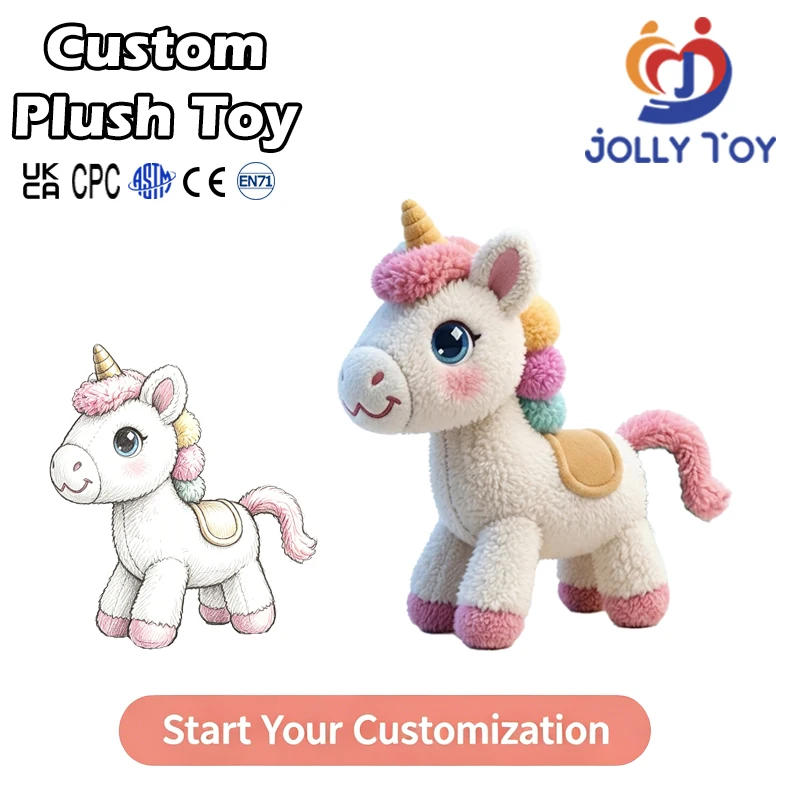
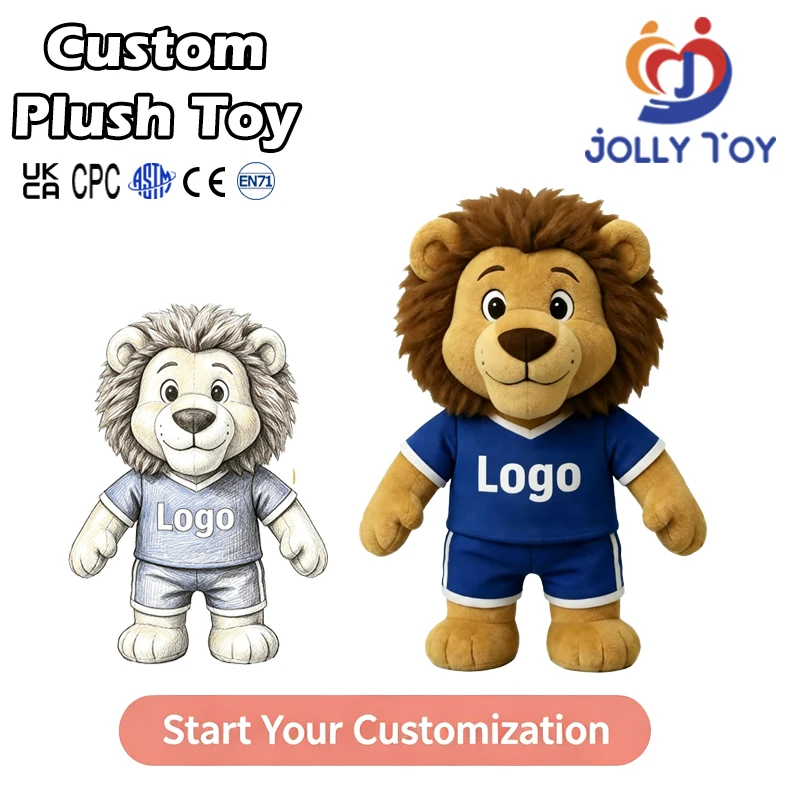
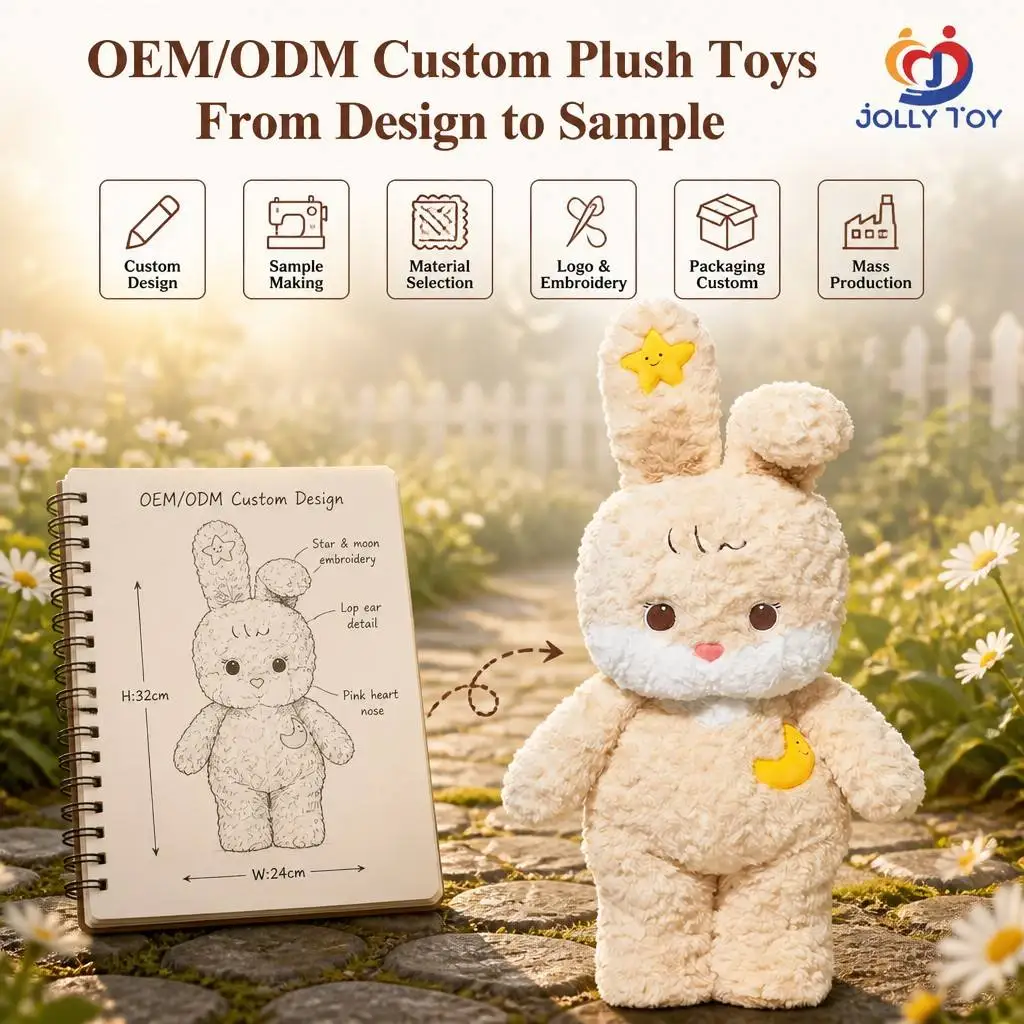
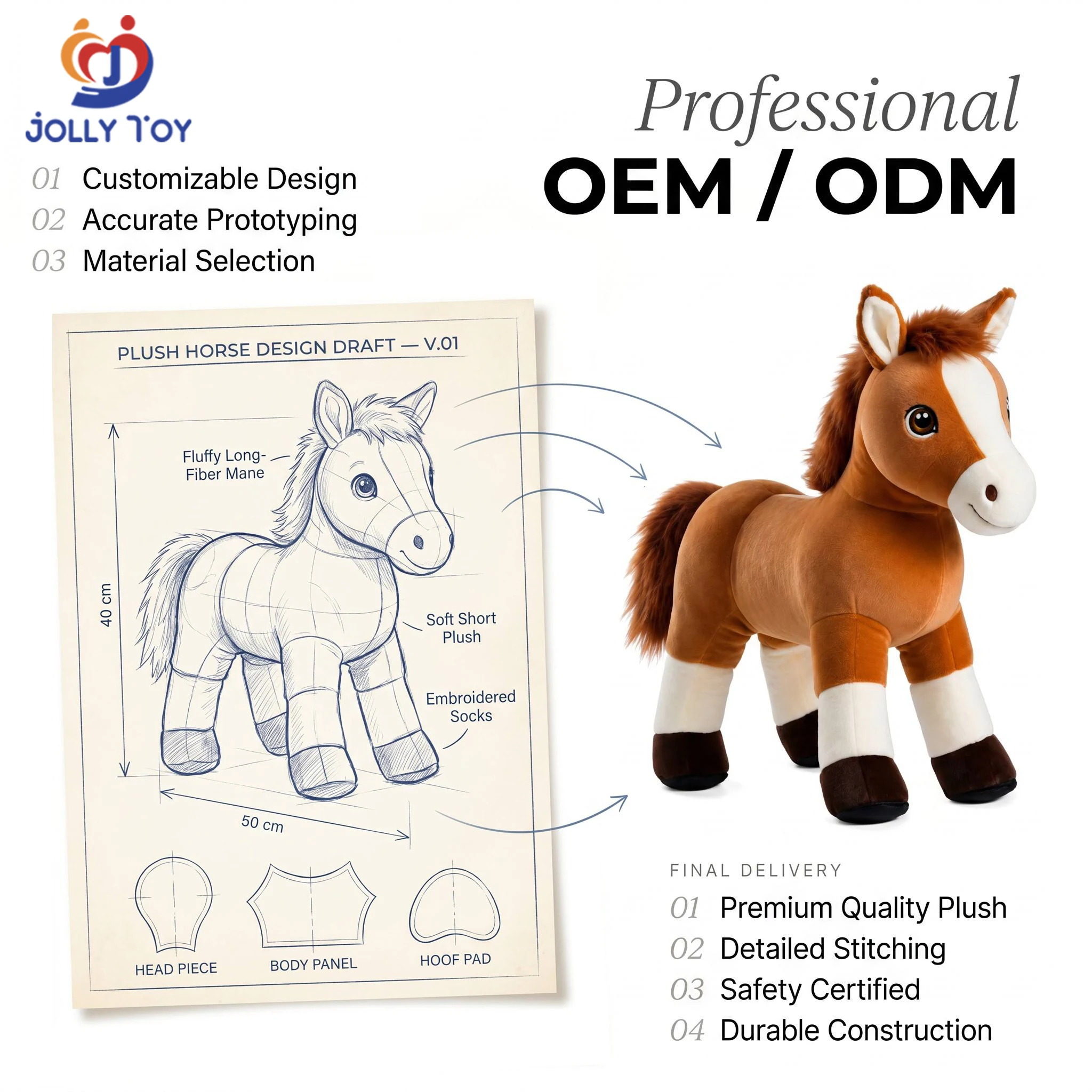
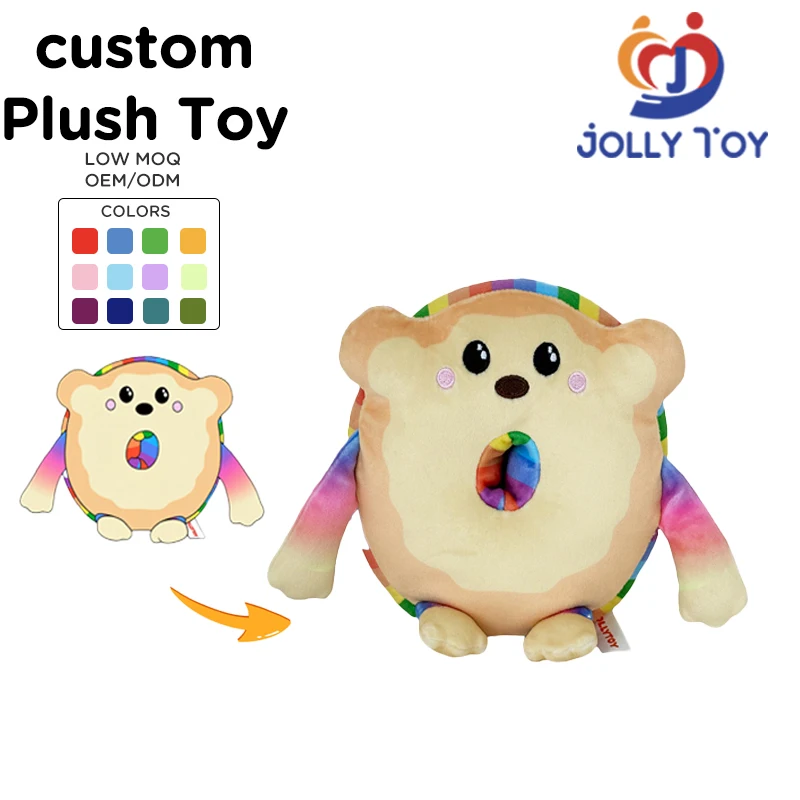
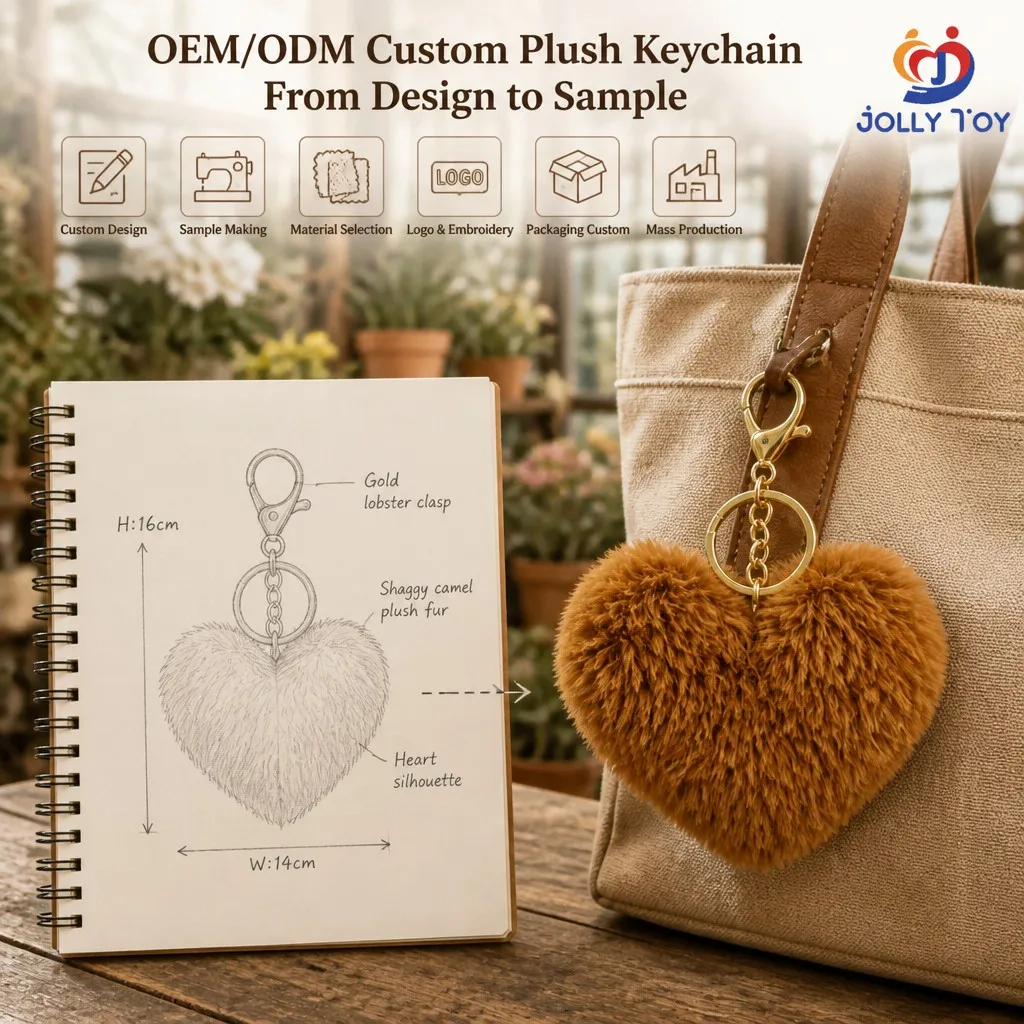
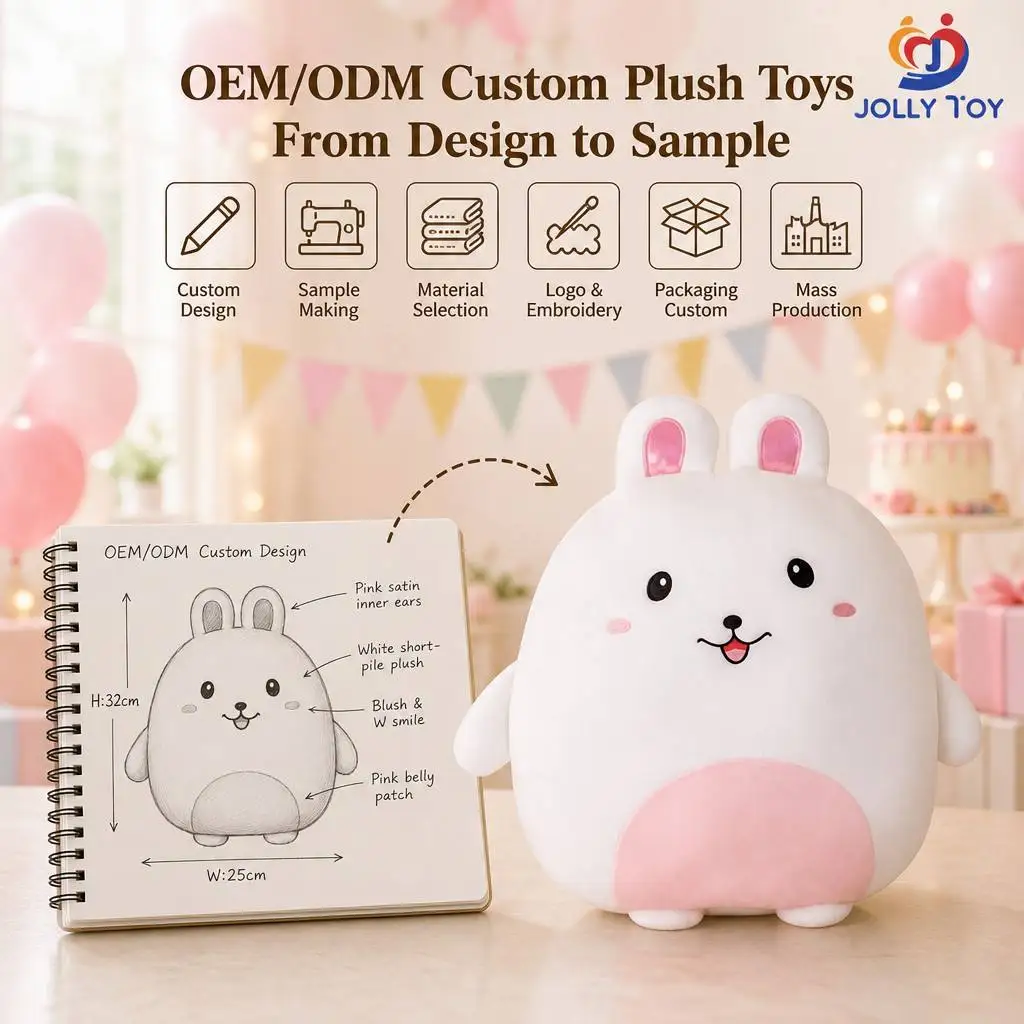
Custom plushies are unique, soft toys tailored to meet specific design and branding needs, making them popular among businesses looking to create memorable promotional items or gifts. When searching for custom character plush, B2B buyers often prioritize quality, material selection, and customization options. This article will provide you with essential insights into evaluating custom plushies, understanding specifications, exploring market ideas, addressing common problems, and recognizing the advantages of materials used in production.
Evaluating the quality of custom plushies is crucial to ensure they meet both your brand standards and customer expectations. Start by examining the materials used in production, as they directly impact durability and appearance. For instance, plush fabric should be soft yet resilient, while stitching should be tight and secure to withstand wear and tear.
Additionally, request samples before placing a bulk order. This allows you to check the custom plush maker for consistency in size, shape, and color. Pay attention to details such as the seams and embroidery, as these can reveal the overall craftsmanship. It's advisable to partner with a manufacturer that adheres to quality control processes and holds relevant certifications like ICTI, Sedex, and BSCI, as these ensure compliance with international labor and safety standards.
When preparing a project involving custom plushies, several specifications must be confirmed to ensure the final product aligns with your vision. Key specifications to consider include:
Dimensions: Specify the desired height, width, and depth of the plushies to fit your intended use, whether as promotional gifts or retail items.
Material: Choose materials based on their intended use, safety regulations, and required durability. Common options include polyester, cotton, and eco-friendly fabrics.
Customization Options: Clarify what level of customization is available, such as unique designs, colors, and embroidered logos.
Production Volume: Determine your minimum order quantity (MOQ) to align with your budget and sales forecasts.
Lead Time: Understand the production and shipping timelines to plan your marketing campaigns effectively.
Providing this information during the initial discussions with your manufacturer will streamline the quotation process and lead to a smoother production phase.
Jolly Toy Custom plushies can cater to various markets, each with unique preferences and requirements. Here are some ideas for different sectors:
Corporate Gifts: Design custom bunny plush that represent your brand, such as mascots or logo-based characters, to distribute at events or as thank-you gifts.
Educational Institutions: Create educational plush toys that teach children about animals, numbers, or letters, which can be used in schools or sold in gift shops.
Healthcare Sector: Offer plush toys that provide comfort to children in hospitals, such as soft animals or characters that can be personalized with names.
Retail and E-commerce: Develop plushies that tie into current trends or popular characters to attract customers in stores or online platforms.
By tailoring your custom plushies to specific markets, you can increase their appeal and functionality.
While Jolly Toy custom plushies offer great opportunities, buyers may encounter common problems during the ordering and production process. Here are some challenges along with their solutions:
Quality Inconsistencies: Variations in plushie quality can occur if the manufacturer does not have stringent quality control measures. To mitigate this, always request samples and establish clear quality standards before mass production.
Long Lead Times: Delays in production can affect your marketing plans. To avoid this, discuss lead times upfront and explore options for expedited production if necessary.
Miscommunication of Design: Ensure that you provide clear artwork and specifications to the manufacturer. Consider using technical drawings or prototypes to communicate your vision accurately.
Safety Compliance Issues: Different markets have specific safety regulations regarding toys. Confirm that your manufacturer complies with relevant safety standards to avoid potential recalls or legal issues.
By proactively addressing these issues, you can enhance your experience and the quality of your final products.
The choice of material plays a significant role in the production and performance of custom plushies. Here are several material options and their advantages:
Polyester: Known for its durability and resistance to fading, polyester is a popular choice for plushies that will see frequent handling. It’s easy to clean and can be produced in vibrant colors.
Cotton: Soft and breathable, cotton is an excellent choice for plush toys aimed at younger audiences. Its natural composition makes it hypoallergenic, which is a key selling point for parents.
Eco-friendly Fabrics: Increasingly, consumers are looking for environmentally friendly options. Materials like organic cotton or recycled polyester not only appeal to eco-conscious buyers but also align with corporate social responsibility goals.
Filling Materials: The type of filling—such as polyester fiber or eco-friendly stuffing—affects the plushie's softness and resilience. Consider the intended use when selecting filling; for example, plushies for children may require softer, hypoallergenic materials.
choosing the right materials is essential for creating high-quality Jolly Toy custom plushies that meet your specific needs and appeal to your target audience. Always consult with your manufacturer to explore suitable materials based on your project requirements.

 EN
EN
 AR
AR
 CS
CS
 DA
DA
 NL
NL
 FI
FI
 FR
FR
 DE
DE
 EL
EL
 IT
IT
 JA
JA
 KO
KO
 NO
NO
 PL
PL
 PT
PT
 RU
RU
 ES
ES
 SV
SV
 IW
IW
 UK
UK
 TR
TR
 AF
AF
 GA
GA
 IS
IS
 LA
LA