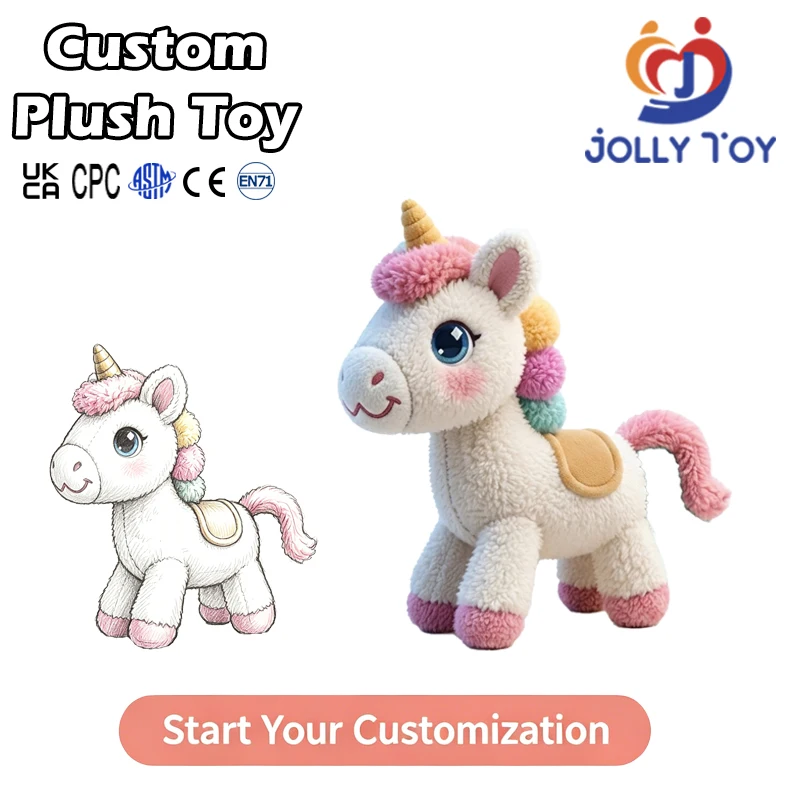
In the world of B2B purchasing, understanding plush toy companies is crucial for buyers looking to source high-quality products for their markets. Jolly Toy plush keychain, with their appeal across various demographics, require careful consideration of material, production methods, and compliance with safety standards. This article addresses key concerns for purchasing managers and distributors, providing insights into cost factors, common manufacturing issues, and essential guidance for retail installation.
When evaluating plush toy companies, several cost factors come into play that can influence the final pricing of products. These include material selection, manufacturing processes, and order quantities.
Materials: The type of fabric and stuffing used significantly impact costs. High-quality Jolly Toy keychain plush toy materials may raise prices but can enhance durability and safety—important factors for buyers.
Customization: Custom designs or features increase production complexity, which can elevate costs. Buyers should consider whether customization aligns with their target market and pricing strategy.
Production Capacity and MOQ: Understanding the manufacturer’s minimum order quantities (MOQ) and annual production capacity is vital. A higher MOQ may result in better pricing per unit but requires careful planning regarding inventory and sales forecasts with Jolly Toy plush animal keychain.
Quality Control: Suppliers with robust quality control processes may charge a premium, but this can mitigate risks associated with product recalls or safety compliance issues. Always inquire about the certifications held by the manufacturer to assess their commitment to quality.
Shipping and Logistics: Costs associated with shipping, customs, and handling can add up. Buyers should factor in these additional expenses when calculating the total cost of procurement.
Manufacturing plush toys can present several challenges that, if not addressed, can affect product quality and delivery timelines. Here are some common issues along with potential solutions:
Material Defects: Quality variations in fabric can lead to inconsistent product appearance. To mitigate this, buyers should request material samples before placing orders and ensure that the supplier has stringent quality checks in place.
Production Delays: Time overruns can occur due to machine malfunctions or supply chain disruptions. Establishing clear timelines and maintaining open communication with the manufacturer can help manage expectations and mitigate delays.
Compliance Issues: Safety standards for toys, such as those set by the American Society for Testing and Materials (ASTM), must be adhered to. Buyers should ensure that manufacturers have certifications such as ICTI, Sedex, and BSCI to confirm compliance with safety and ethical standards.
Design Flaws: Final designs should be tested in a sample run before mass production. This helps identify any potential flaws in the manufacturing process, allowing for corrections before large quantities are produced.
By addressing these issues proactively, buyers can ensure a smoother procurement process and higher quality end products.
For retailers, displaying plush toys effectively can enhance customer engagement and sales. Here are some practical tips for installation:
Display Units: Use appropriate display units that highlight the toys’ features and appeal. Consider using shelving that allows for visibility at various heights, catering to both children and adults.
Safety Considerations: Ensure that the display setup adheres to safety regulations, preventing any risk of falling or tipping. The materials used for displays should also be safe and compliant.
Themed Displays: Create themed sections that resonate with target demographics. This could be based on current trends, seasons, or character themes, enhancing the shopping experience.
Interactive Elements: If feasible, incorporate interactive elements such as sound or lighting that engage customers and draw attention to the products.
Clear Pricing and Information: Ensure that pricing is clearly displayed, along with any relevant product information, such as safety certifications or age recommendations.
These installation practices can significantly influence consumer behavior and drive sales in retail settings.
For project purchasers looking to source plush toys, it's essential to gather specific information to streamline the RFQ process. Here are key insights:
Detailed Specifications: Clearly define the desired specifications, including dimensions, materials, and safety standards. This helps suppliers provide accurate quotes and samples.
Volume and Frequency: Indicate the expected order volume and whether this will be a one-time purchase or ongoing. This information allows manufacturers to assess pricing and lead times appropriately.
Customization Needs: Specify any customization requirements upfront. This includes design elements, branding, and packaging preferences, which can impact pricing and production timelines.
Delivery Requirements: Provide details about delivery deadlines and locations to ensure that suppliers can meet logistical requirements.
Sample Approval Process: Establish a clear process for sample approvals to ensure that the final product aligns with expectations before mass production begins.
By preparing this information, buyers can facilitate smoother negotiations and reduce the risk of misunderstandings.
The choice of materials in plush toy production significantly affects product quality, safety, and marketability. Here are some material advantages to consider:
Safety Compliance: Materials should be non-toxic and pass safety regulations. Fabrics like organic cotton or recycled polyester can be appealing for eco-conscious markets, providing a competitive edge.
Durability: High-quality fabrics can enhance the lifespan of plush toys, making them more appealing to consumers. Materials with good wear resistance, such as microfiber, can withstand rough handling, especially in children's toys.
Aesthetic Appeal: The right material can enhance the look and feel of plush toys. For instance, soft and luxurious fabrics can improve perceived value, attracting buyers looking for premium products.
Customization Flexibility: Some materials lend themselves better to customization options, such as embroidery or printing. This flexibility allows brands to create unique designs that resonate with their audience.
Cost-Effectiveness: While some materials may initially seem more expensive, their durability and aesthetic appeal can lead to a better return on investment through increased customer satisfaction and reduced returns.
Understanding these material advantages can help buyers make informed decisions, ensuring that the chosen plush toys will meet market demands and safety standards effectively.

 EN
 AR
 CS
 DA
 NL
 FI
 FR
 DE
 EL
 IT
 JA
 KO
 NO
 PL
 PT
 RU
 ES
 SV
 IW
 UK
 TR
 AF
 GA
 IS
 LA