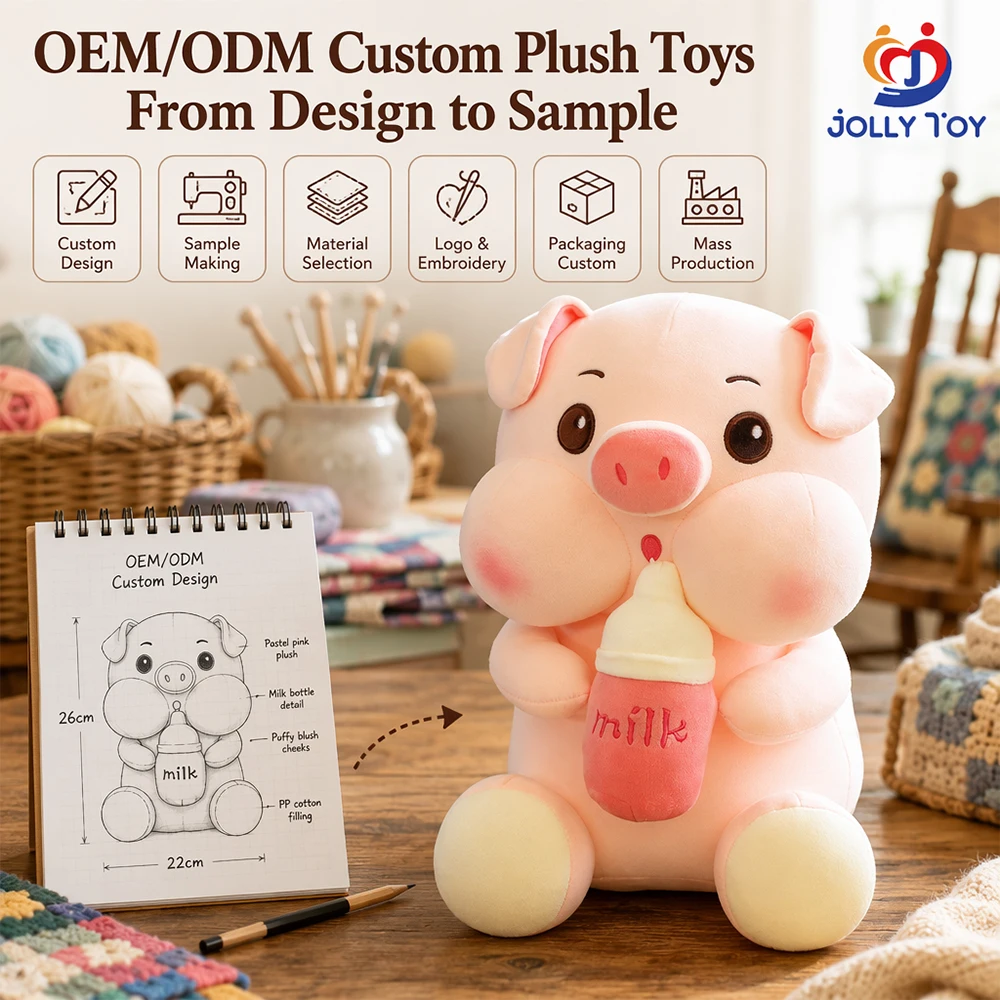
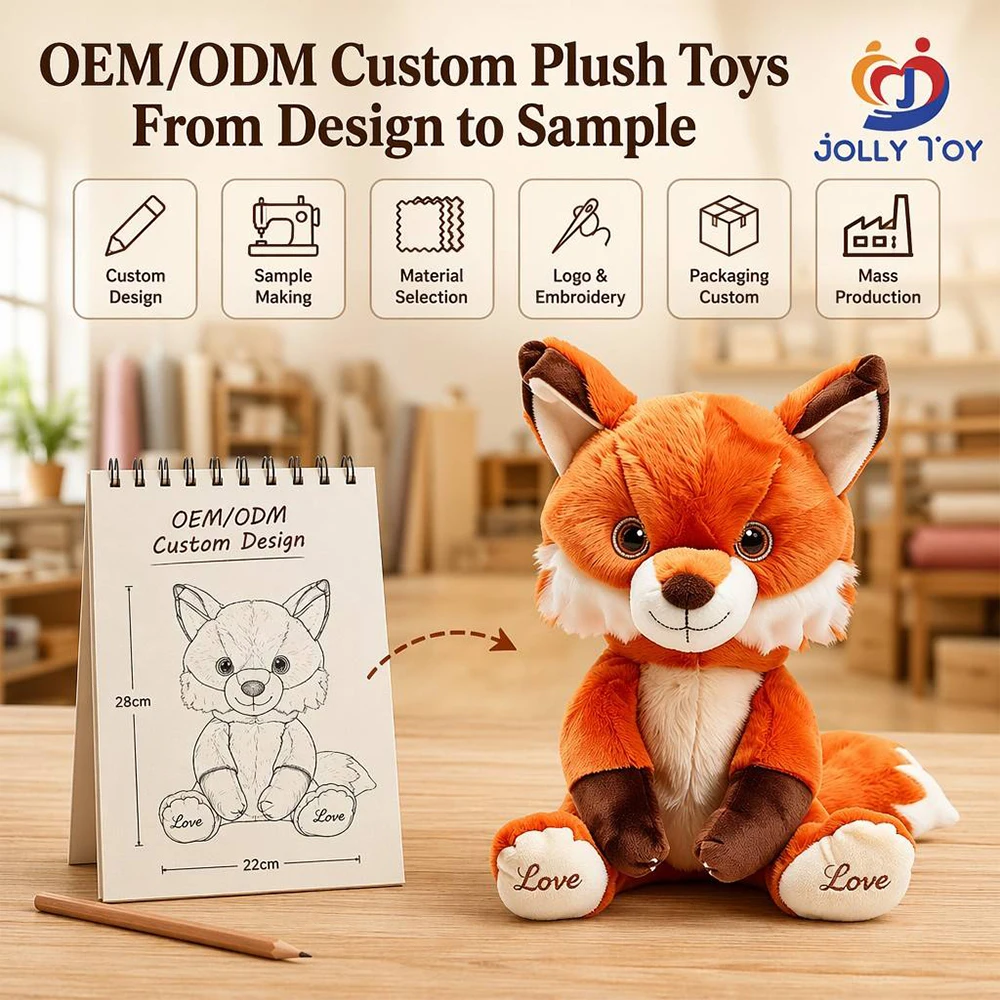
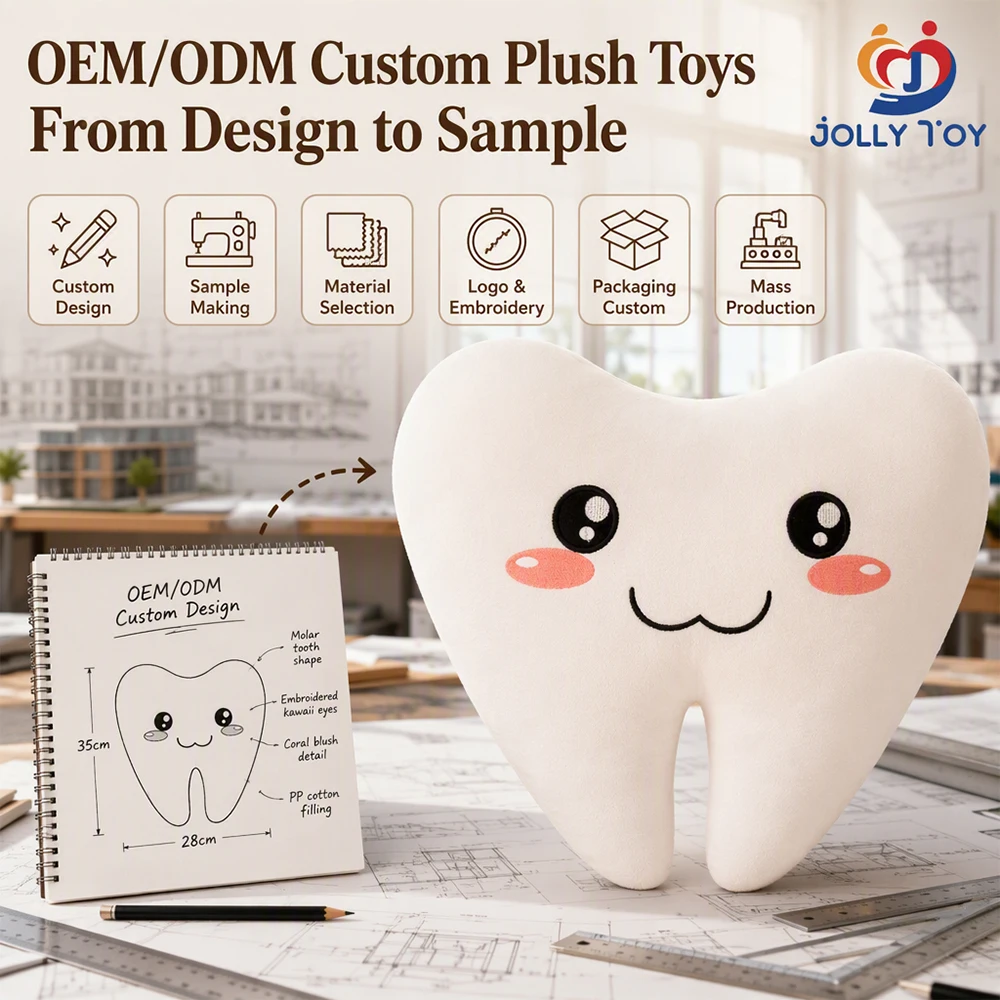
Choosing the right toy factory to partner with is crucial for businesses looking to source plush and plastic toys. With the growing demand for high-quality toys, buyers often face concerns regarding product specifications, manufacturing capabilities, and compliance with safety standards. This article aims to provide practical insights into selecting the right wholesale toy factory, understanding key specifications for bulk orders, and navigating common challenges in toy manufacturing.
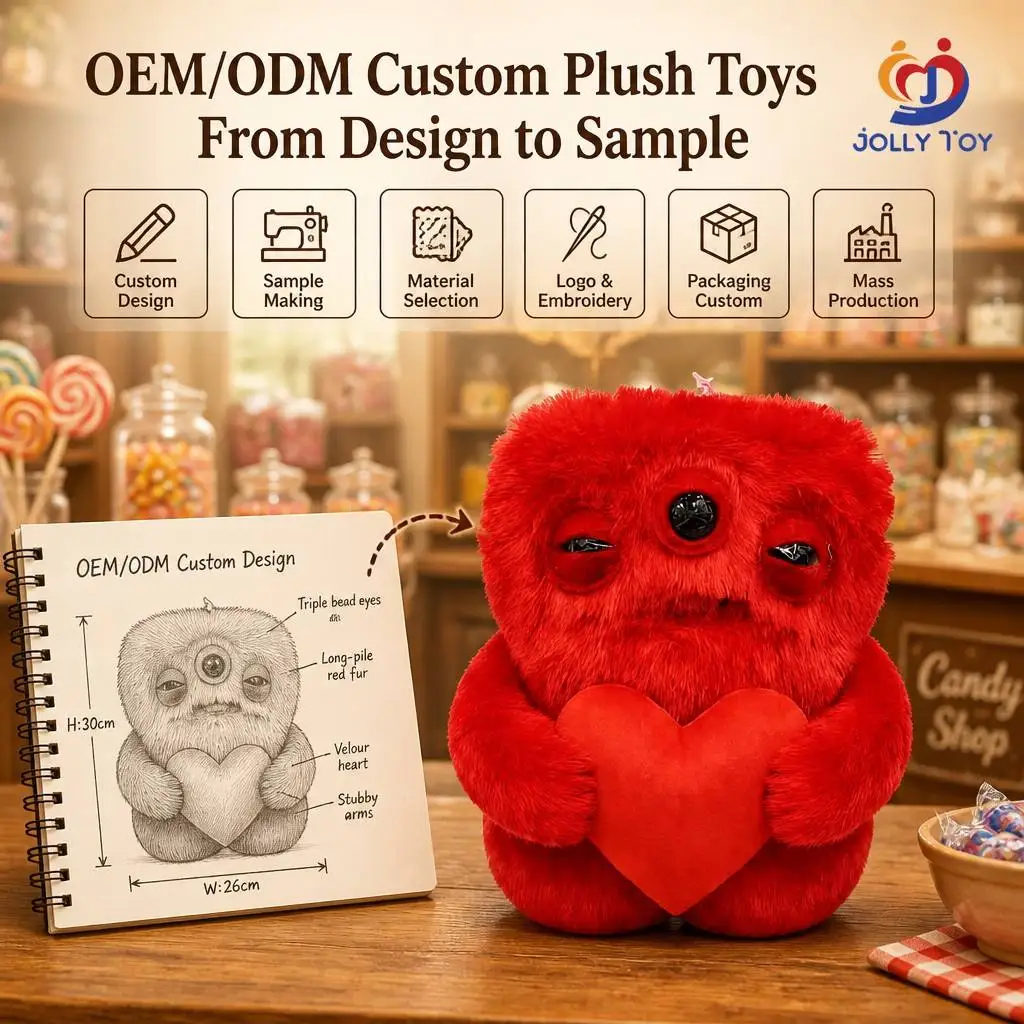
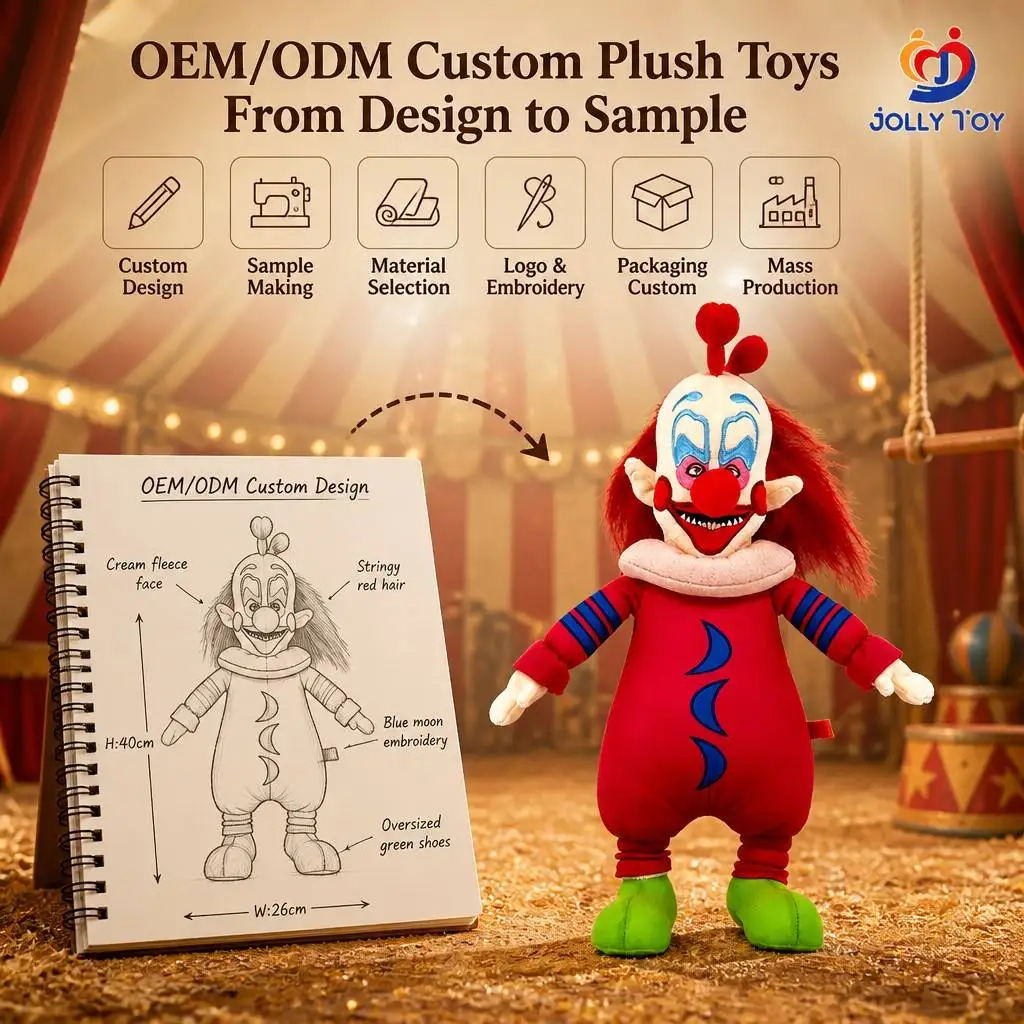
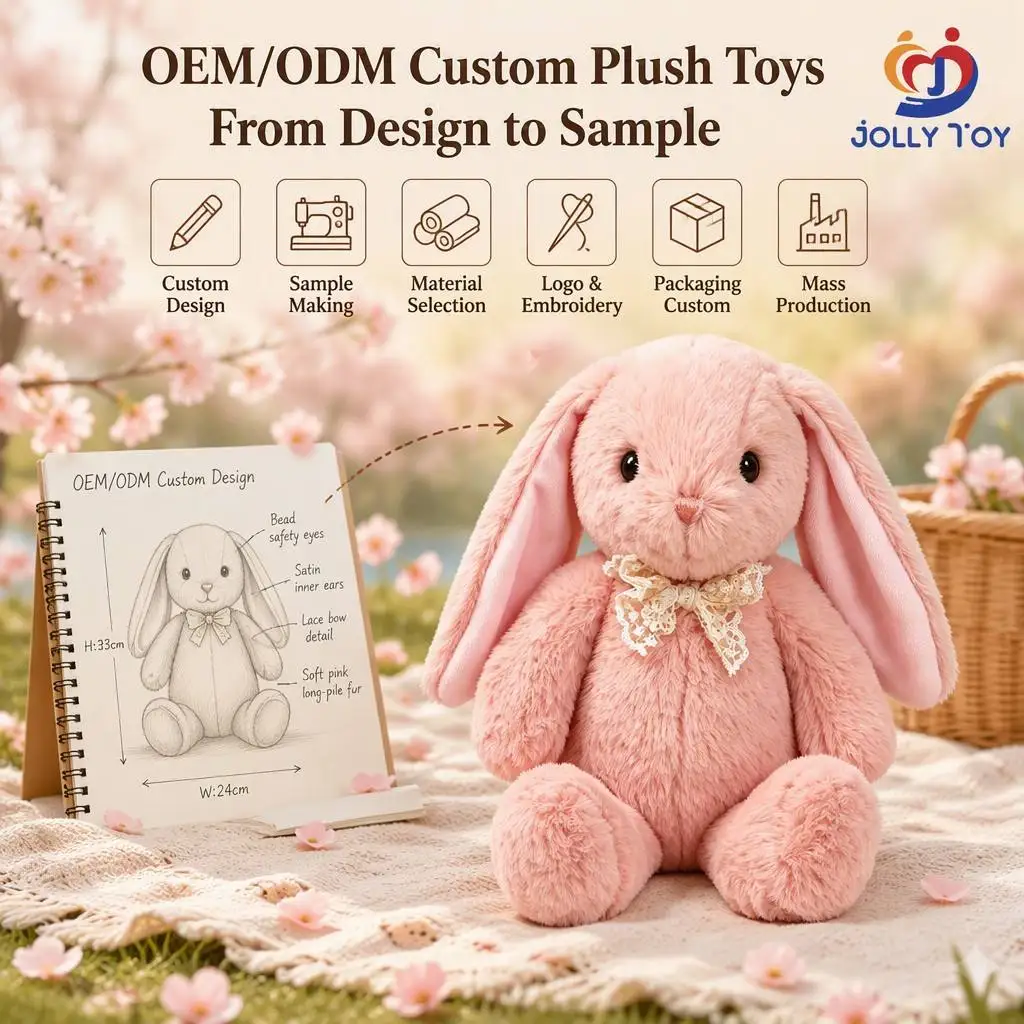
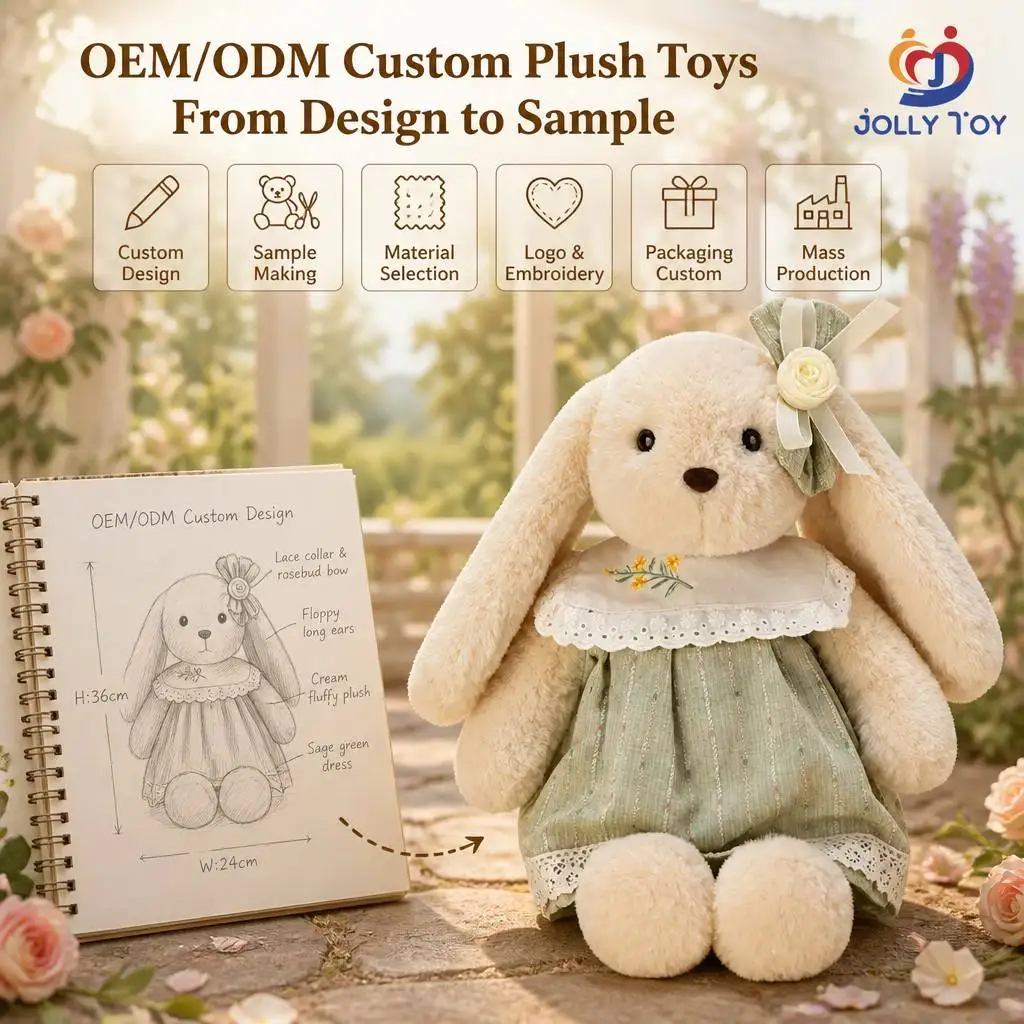
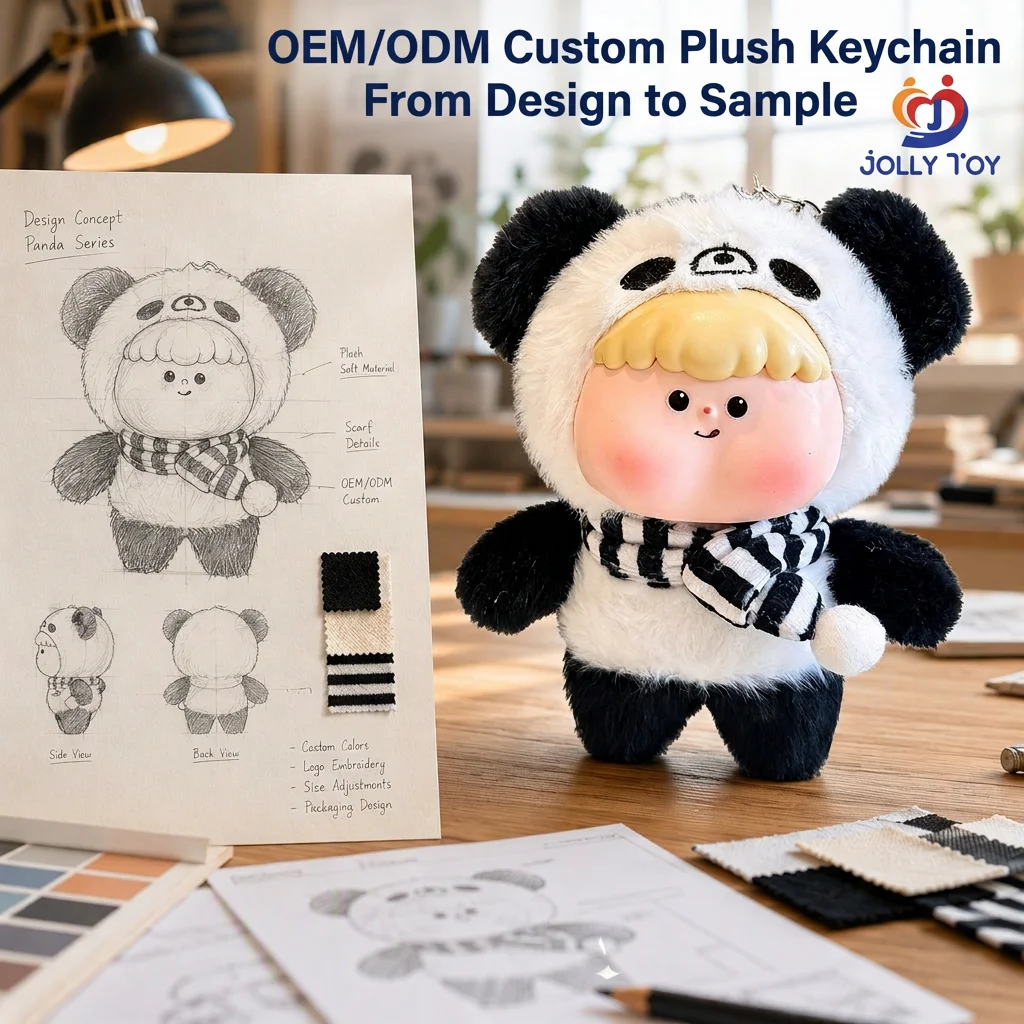
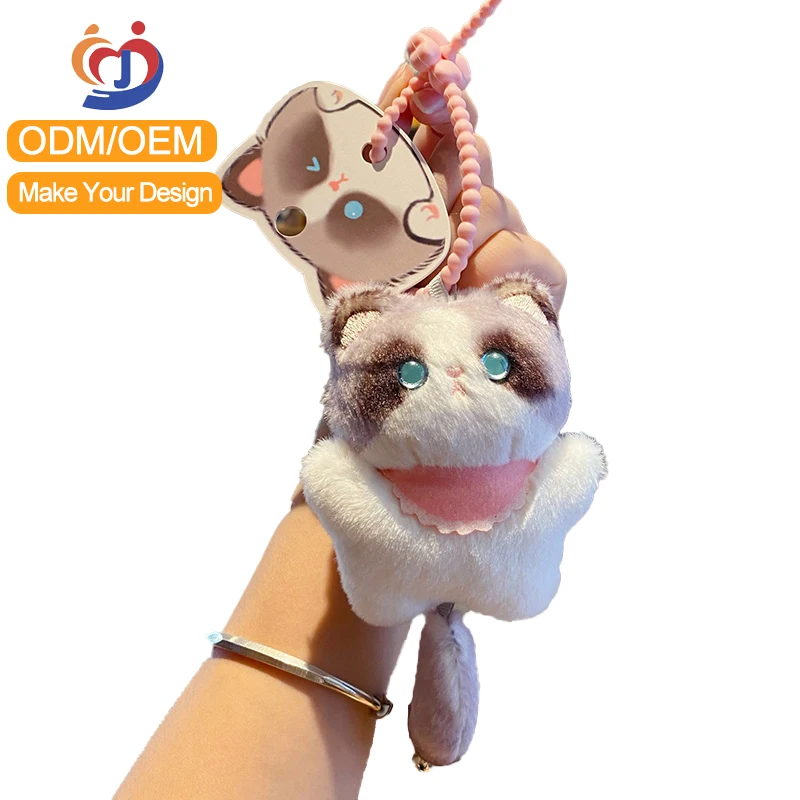
When sourcing toys from a factory, buyers should prioritize suppliers with a proven track record in manufacturing plush and plastic toys. Look for suppliers that offer transparency in their production processes and have relevant certifications, such as ICTI, Sedex, and BSCI, which indicate compliance with social and environmental standards. Assess the factory's production capacity and technological capabilities, as these factors will influence lead times and the ability to fulfill large orders. For instance, a factory that can produce 800,000 pieces annually is likely to meet high-volume demands efficiently. Additionally, inquire about customization options. A good plush toy supplier, just like Jolly Toy, should provide flexibility in design and materials, allowing you to tailor products to your target market. Lastly, consider the supplier's communication and support during the ordering process, as effective collaboration is essential for successful project execution.
When placing bulk orders for toys, it's important to confirm several key specifications to ensure product quality and compliance
Material Selection: Plush toys typically utilize polyester or cotton blends for softness, while plastic toys may use ABS or PVC for durability. Understanding the material properties is crucial for ensuring safety and suitability for children's use
Dimensions and Weight: Verify the dimensions and weight of the toys, as these factors can affect shipping costs and compliance with safety regulations. Ensure that the dimensions are suitable for your target market and intended age group
Safety Standards: Confirm that the toys meet safety standards such as ASTM F963 or EN71, which pertain to toy safety regulations. This includes checks for small parts, choking hazards, and toxic materials
Packaging Requirements: Discuss packaging methods, including branding and labeling requirements. Effective packaging not only protects the toys during transit but also enhances the product's market appeal
Minimum Order Quantity (MOQ): Understand the MOQ for different product lines, as this can significantly impact your purchasing strategy. A flexible MOQ policy can facilitate smaller test orders before committing to larger quantities.
Reliable suppliers for toy distribution can be found through various channels. Trade shows and industry expos are excellent venues to meet manufacturers face-to-face, allowing you to assess their products and capabilities firsthand. Websites and directories such as Alibaba, ThomasNet, or Global Sources can also help identify potential manufacturers, but due diligence is necessary to verify their credentials. Networking within industry associations or forums can provide recommendations from peers who have worked with specific suppliers. Conducting background checks, requesting references, and checking reviews can also help gauge a supplier's reliability. Additionally, when evaluating suppliers, consider their export experience. Toy suppliers, like Jolly Toy, with strong track record in international trade can navigate customs regulations and shipping logistics effectively, ensuring timely delivery of your orders.
For plush and plastic toys, installation largely pertains to assembly processes, especially if the toys include multiple components. Buyers should receive clear instructions from the manufacturer regarding assembly, maintenance, and safety checks. For plush toys, ensure that all seams are securely stitched to prevent any part from detaching during use. Regular inspections for wear and tear are recommended, particularly for toys intended for younger children. As for plastic toys, buyers should check for any assembly requirements and the ease of disassembly for cleaning. Additionally, inquire about the expected lifespan of the toys and any specific storage recommendations to maintain their quality. Proper installation and maintenance guidelines can help prevent common issues, ensuring customer satisfaction.
Toy manufacturing can present several challenges, but understanding these common problems can help buyers mitigate risks effectively
Quality Control Issues: Variability in product quality can arise from inconsistent manufacturing processes. Implementing stringent quality control measures, including pre-production samples and random inspections during production, can help ensure adherence to specifications
Supply Chain Disruptions: Delays in material supply can impact production timelines. Establishing strong relationships with multiple suppliers for raw materials can provide flexibility and reduce the risk of disruptions
Compliance Failures: Toys that do not meet safety standards can lead to costly recalls. Buyers should work closely with manufacturers to ensure that all products undergo thorough testing and certification before shipment
Communication Gaps: Miscommunication can lead to errors in orders. Maintaining open lines of communication throughout the production process, including regular updates and feedback loops, can enhance overall collaboration
By anticipating these challenges and working proactively with suppliers, buyers can navigate the complexities of toy manufacturing and ensure a successful partnership.

 EN
 AR
 CS
 DA
 NL
 FI
 FR
 DE
 EL
 IT
 JA
 KO
 NO
 PL
 PT
 RU
 ES
 SV
 IW
 UK
 TR
 AF
 GA
 IS
 LA