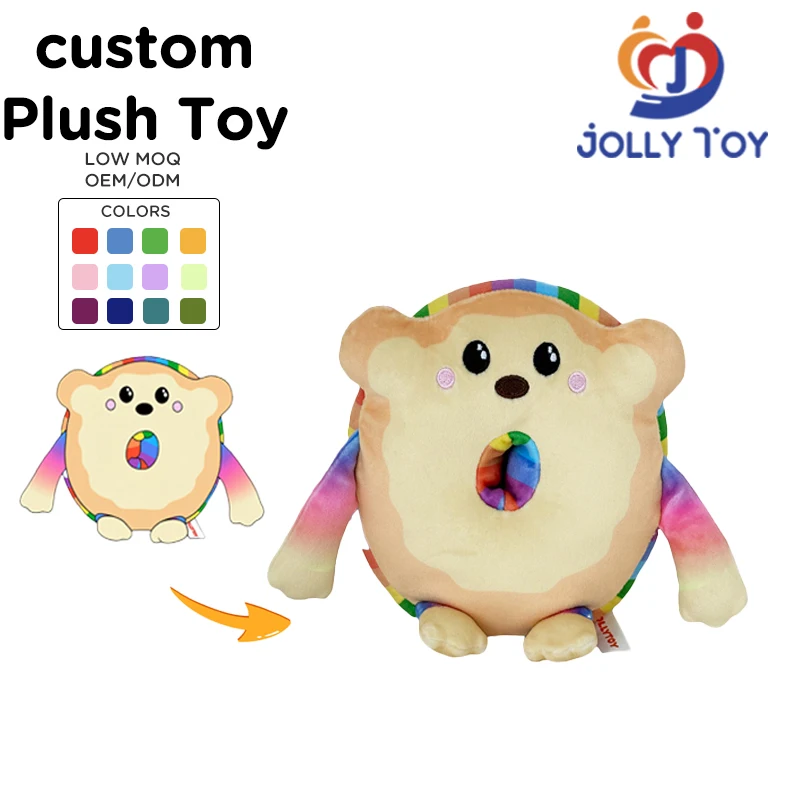
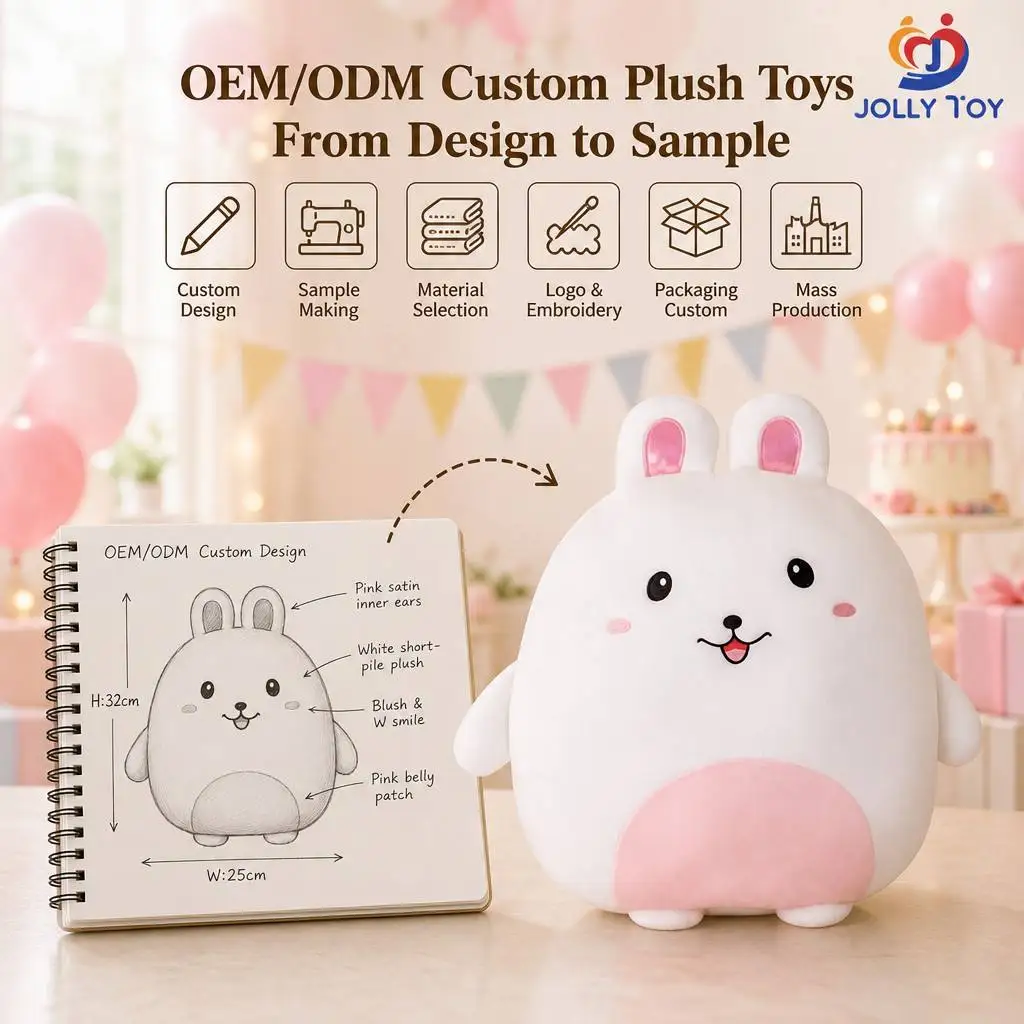
In the world of wholesale toy procurement, finding reliable toy suppliers is crucial for meeting the demands of your business. Whether you are a purchasing manager, a distributor, or a product manager, understanding how to select the right supplier can significantly impact your operations and bottom line. This article will guide you through essential considerations when sourcing Jolly Toy plush toy backpack, focusing on key specifications, cost factors, applications, and common challenges in the supply chain.
Selecting the right toy supplier involves several critical considerations. Start by assessing their manufacturing capabilities, such as production capacity and available technology. For instance, a supplier with advanced machinery for sewing, cutting, and injection molding can offer a more diverse range of products and ensure efficient production schedules.
Next, check for relevant certifications like ICTI, Sedex, and BSCI, which indicate adherence to quality and social compliance standards. These certifications not only assure you of product quality but also demonstrate the supplier's commitment to ethical manufacturing practices.
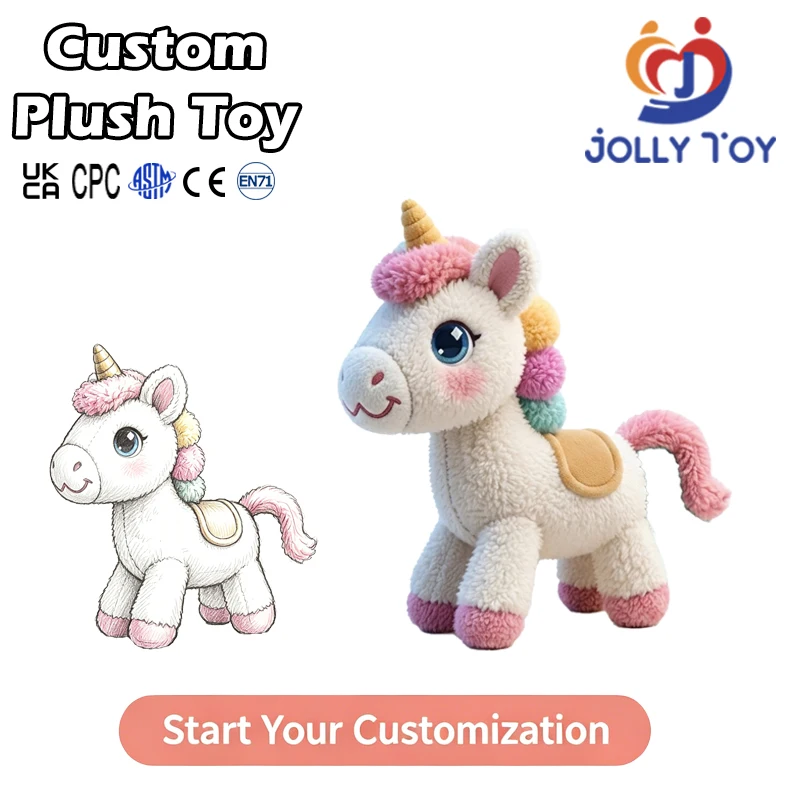
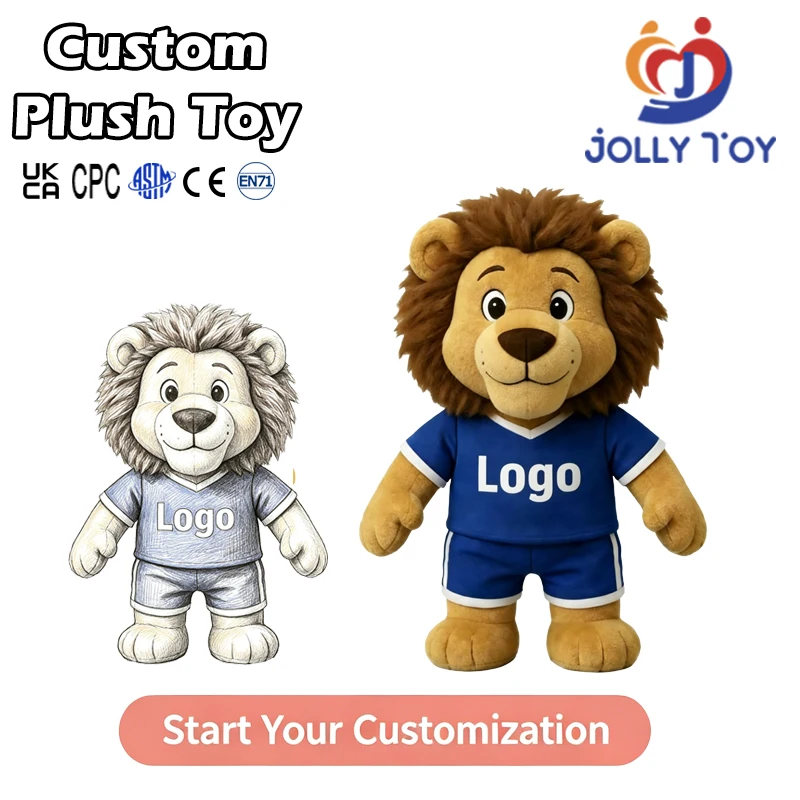
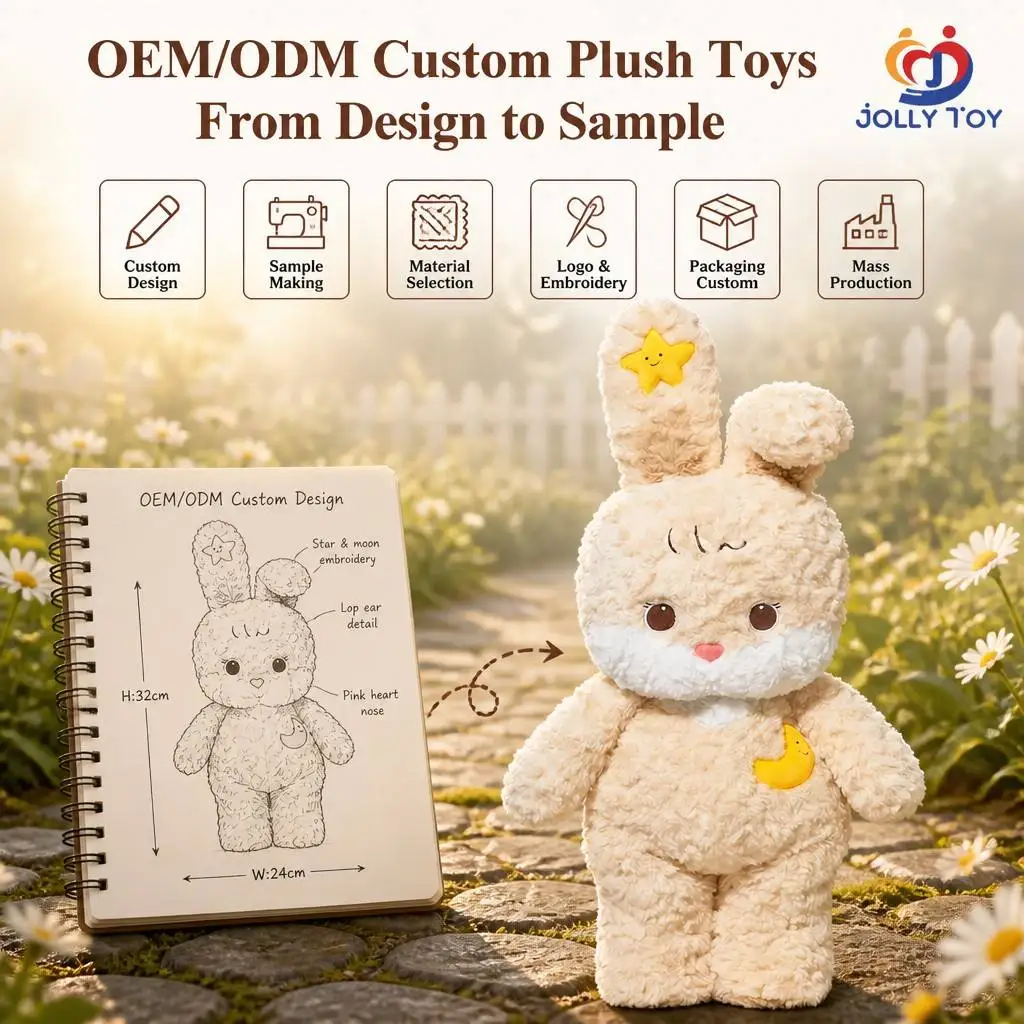
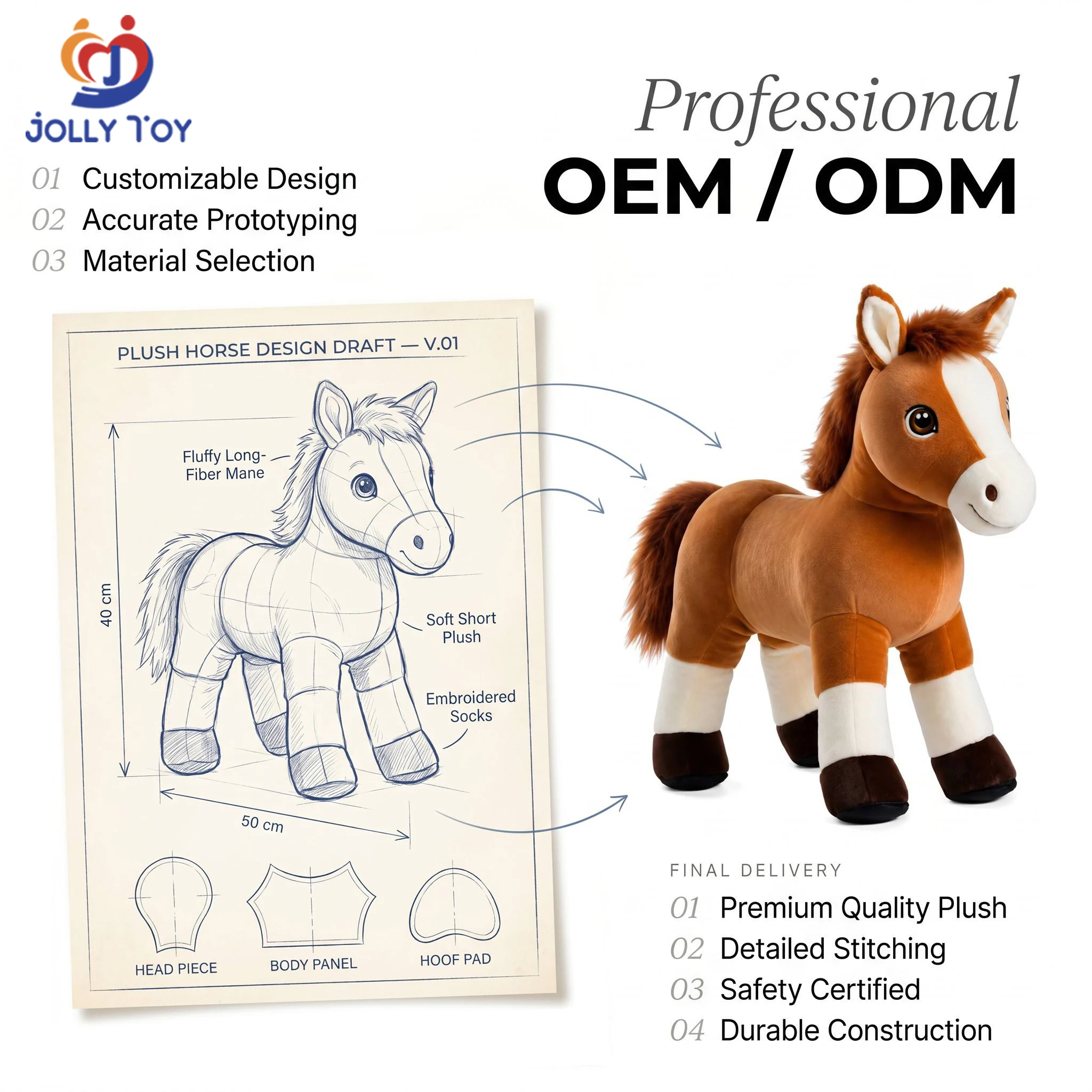
It's also essential to evaluate their customization capabilities. Many buyers require specific designs or adaptations to meet market trends or customer preferences. A supplier that offers robust design and prototyping services can help streamline this process and reduce time to market.
Finally, consider the supplier's communication and support. A responsive supplier will facilitate better collaboration and can provide assistance throughout the purchasing process, from initial inquiries to after-sales support.
When sourcing toys in bulk, it is vital to evaluate various specifications to ensure the products meet your expectations. Key specifications include:
Material: Different materials, such as plush fabrics or plastic types, impact durability, safety, and aesthetic appeal. Ensure the materials used comply with safety standards relevant to your target market.
Dimensions: Accurate dimensions ensure that toys meet safety standards and fit into the intended packaging. Buyers should verify dimensions against existing product data or through samples before placing large orders.
Production Techniques: Understand the manufacturing processes used, such as embroidery for keychain soft toy or injection molding for plastic toys. Each method can affect the product quality and cost, so align these with your product requirements.
Quality Control: Inquire about the supplier's quality assurance processes. A supplier that conducts thorough quality inspections at various production stages can help mitigate risks associated with product defects.
Confirming these specifications before placing a bulk order can save time and reduce costs associated with returns or production delays.
Cost is a significant factor when purchasing Jolly Toy in bulk. Here are some cost factors to consider:
Unit Price vs. Total Cost: While a lower unit price may seem attractive, be mindful of the total cost, which includes shipping, customs, and any taxes. A supplier with higher unit prices may offer better overall value if they provide superior quality and reliability.
Minimum Order Quantity (MOQ): Different suppliers may have varying MOQs. Understanding the MOQ can help you plan your budget and inventory effectively. Ensure the MOQ aligns with your sales forecasts to avoid excess stock or missed sales opportunities.
Shipping and Handling: Consider logistics costs when evaluating suppliers. A supplier located closer to your market may offer reduced shipping costs and shorter delivery times, which can be significant for fast-moving toys.
Payment Terms: Favorable payment terms can improve cash flow. Suppliers that offer flexible payment options may help you manage your finances better, especially during peak seasons.
By analyzing these cost factors, you can make informed purchasing decisions that contribute to your profitability.
Understanding the best applications for Jolly Toy plush and plastic toys can help you position your products effectively in retail environments.
Plush Toys: These are ideal for children’s sections, gift shops, and promotional events. Their soft texture and appeal make them popular among younger demographics. They can be used for branding purposes, featuring custom designs or characters that resonate with specific audiences.
Plastic Toys: Durable plastic toys, including action figures and educational kits, are suited for both indoor and outdoor settings. They often target older children and can serve as promotional items for events or educational institutions.
Seasonal Promotions: Both types of toys can be effectively utilized in seasonal promotions, such as holidays or back-to-school sales. By understanding your market and customer preferences, you can optimize inventory levels for peak selling periods.
Strategically placing these personalized plush toys in high-traffic areas of your retail space can increase visibility and drive sales.
Sourcing toys can come with its share of challenges. Here are common problems and potential solutions:
Quality Variability: Inconsistent product quality can arise from varying production methods or materials. To mitigate this, always request samples before mass production. Testing these samples under real-world conditions can help identify potential issues before they affect your customers.
Lead Time Delays: Delays in production or shipping can disrupt your supply chain. Maintain open communication with your supplier regarding production schedules and shipping timelines. Setting clear expectations can help manage your inventory levels and customer satisfaction.
Compliance Issues: Navigating compliance with safety standards can be complex. Ensure your supplier provides documentation for all relevant certifications and conducts regular testing. This proactive approach helps avoid costly recalls or legal issues.
Communication Breakdowns: Poor communication can lead to misunderstandings about product specifications or timelines. Establish a clear point of contact within the supplier organization and utilize regular check-ins to ensure everyone is aligned.
By anticipating these challenges and implementing strategic solutions, you can enhance your sourcing experience and build a more efficient supply chain.

 EN
 AR
 CS
 DA
 NL
 FI
 FR
 DE
 EL
 IT
 JA
 KO
 NO
 PL
 PT
 RU
 ES
 SV
 IW
 UK
 TR
 AF
 GA
 IS
 LA