
 EN
 AR
 CS
 DA
 NL
 FI
 FR
 DE
 EL
 IT
 JA
 KO
 NO
 PL
 PT
 RU
 ES
 SV
 IW
 UK
 TR
 AF
 GA
 IS
 LA
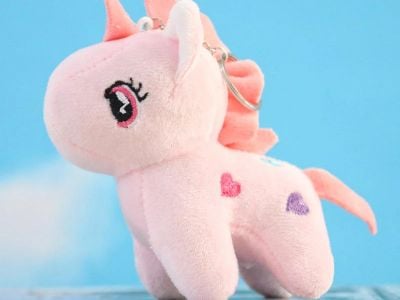
When importing a custom plush toy order, understanding the key safety certifications involved is crucial. These certifications not only ensure compliance with safety standards but also protect your business from potential liabilities. As a purchasing manager or distributor, you may have concerns about the quality and safety of the toys you import. This article aims to clarify the essential safety certifications needed when importing custom plush toys, helping you make informed decisions in your sourcing process.
Key Safety Certifications for Importing Custom Plush Toys
When importing custom plush toys, several key safety certifications must be considered to ensure that the products comply with industry standards and regulations.
ASTM F963: This is the American Standard for Toy Safety, which outlines safety requirements for toys sold in the U.S. It covers aspects such as choking hazards, sharp edges, and toxic substances. Importers should ensure that their plush toys meet these requirements to avoid recalls and legal issues.
EN71: This European standard specifies safety requirements for toys sold in the European Union. It includes various parts covering mechanical and physical properties, flammability, and chemical properties. If you plan to sell in Europe, compliance with EN71 is non-negotiable.
CPSIA Compliance: The Consumer Product Safety Improvement Act mandates that toys for children under 12 years old must be tested for lead content and phthalates. Importers must ensure that their personalized plush toys are compliant with CPSIA to avoid heavy fines and product recalls.
ISO 8124: This international standard provides guidelines on the safety aspects of toys. It is particularly important for manufacturers looking to export their plush toys to multiple countries.
ICTI Care Process Certification: Given the increasing demand for ethical manufacturing practices obtaining ICTI certification demonstrates that your plush toys are produced under safe and fair working conditions. This can enhance your brand’s reputation and appeal in the marketplace.
Establishing compliance with these certifications not only assures safety but also builds trust with your customers.
Where to Find Reliable Suppliers for Custom Plush Toys?
Finding reliable suppliers for custom plush toys involves thorough research and evaluation. Here are some methods you can employ:
Industry Trade Shows: Attending trade shows focused on toys and manufacturing can be an effective way to meet potential suppliers face-to-face. You can assess their products, manufacturing capabilities, and certifications directly.
Online Marketplaces: Platforms like Alibaba or Global Sources allow you to search for manufacturers with relevant certifications and production capabilities. Be sure to check reviews and ratings to gauge reliability.
Industry Associations: Joining industry associations such as the custom plush toys wholesale Industry Association can provide access to a network of reputable suppliers. These associations often have directories that list certified manufacturers.
Referrals and Networking: Leveraging your professional network can lead to trusted recommendations. Fellow industry professionals can share their experiences with specific suppliers, helping you avoid common pitfalls.
Factory Visits: Whenever possible, visiting the factory is crucial. This allows you to evaluate production processes, quality control measures, and labor conditions firsthand.
By following these steps, you can identify suppliers that align with your quality expectations and compliance needs.
What to Consider When Sourcing Plush Toys in Bulk?
Sourcing plush toys in bulk requires careful consideration of various factors to ensure a smooth process:
Material Selection: The choice of material affects safety, durability, and appearance. Common materials include polyester and cotton, but ensure they comply with safety standards. Verify the sourcing of materials to avoid harmful substances.
Design and Customization: Custom plush toys should reflect your brand. Discuss design options with your supplier, including fabric colors, sizes, and additional features like sound boxes or embroidery.
Minimum Order Quantities (MOQ): Suppliers often have MOQs, which can significantly impact your budget and inventory management. Confirm these limits before proceeding to ensure they align with your purchasing plans.
Lead Times: Understand the lead times associated with production and shipping. Factors such as design complexity, order size, and supplier location can affect delivery schedules. Factor this into your inventory planning.
Quality Control Measures: Establish clear quality control procedures before production begins. This may include pre-production samples, in-line inspections, and final product evaluations to ensure compliance with safety standards.
By addressing these considerations, you can streamline the sourcing process and mitigate risks associated with bulk orders.
Evaluating Cost Factors for Custom Plush Toy Orders
When evaluating costs for custom plush toy orders, several factors come into play:
Manufacturing Costs: This includes labor, materials, and overhead. Understanding the breakdown can help you identify areas to negotiate. For instance, sourcing materials locally might reduce shipping costs and lead times.
Shipping and Logistics: International shipping can add significant costs, especially for bulky items like plush toys. Consider options such as freight forwarders who can optimize logistics and potentially save costs.
Custom Duties and Taxes: Depending on your import destination, customs duties and taxes will affect the total landed cost of the toys. Research applicable tariffs to avoid surprises during the import process.
Quality Inspection Costs: Incorporating a third-party inspection service can increase upfront costs but can save money in the long run by preventing defective products from reaching your customers.
Payment Terms: Favorable payment terms can significantly influence cash flow. Negotiate terms that allow you to manage your finances effectively while ensuring timely payments to suppliers.
By understanding these cost factors, you can make more informed decisions and optimize your purchasing strategy.
Common Problems Importers Face with Plush Toy Compliance
Importers often encounter challenges related to plush toy compliance that can lead to costly delays or liabilities:
Inconsistent Quality Standards: Suppliers may have varying interpretations of safety standards, leading to non-compliance. Conducting thorough audits and requiring certifications can mitigate this risk.
Changing Regulations: Safety regulations can change frequently, especially in different markets. Staying informed about regulatory updates is essential to maintain compliance and avoid fines.
Insufficient Testing: Some suppliers may not conduct adequate safety testing on their products. It is advisable to request documentation proving that products have been tested according to applicable standards.
Communication Barriers: Language and cultural differences can lead to misunderstandings regarding specifications and compliance. Establishing clear communication channels and using detailed contracts can help avoid these issues.
Logistical Delays: Regulatory inspections at customs can cause delays. Being proactive about compliance documentation and certifications can facilitate smoother customs clearance.
By recognizing these common problems, importers can take steps to address them early in the sourcing process, ensuring a smoother import experience.
In summary, understanding the key safety certifications needed when importing custom plush toy maker is essential for protecting your business and ensuring product safety. By considering reliable suppliers, sourcing factors, cost evaluations, and common compliance issues, you can make informed decisions that enhance your purchasing strategy.

