
 EN
EN
 AR
AR
 CS
CS
 DA
DA
 NL
NL
 FI
FI
 FR
FR
 DE
DE
 EL
EL
 IT
IT
 JA
JA
 KO
KO
 NO
NO
 PL
PL
 PT
PT
 RU
RU
 ES
ES
 SV
SV
 IW
IW
 UK
UK
 TR
TR
 AF
AF
 GA
GA
 IS
IS
 LA
LA
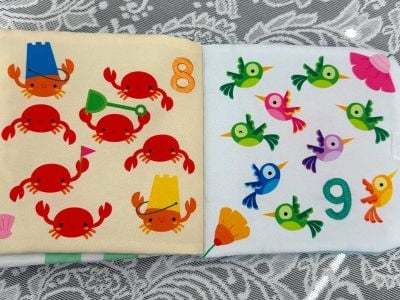
The rise of custom smart toys in the educational sector represents a significant trend that is shaping demand globally. These toys, which blend playful engagement with educational value, are increasingly sought after by schools, educational institutions, and parents alike. Buyers in this market are primarily concerned with quality, safety, customization options, and compliance with educational standards. This article will provide insights into the educational market trend driving global demand for custom smart toys, addressing key specifications, cost factors, best practices for bulk orders, and their applications in educational settings.
Understanding the Educational Market Trend for Custom Smart Toys
The educational market's shift towards custom smart toys is driven by a growing recognition of the importance of experiential learning. Smart toys not only entertain but also facilitate cognitive development, problem-solving, and fine motor skills among children. As schools and educational institutions seek innovative ways to engage students, the demand for kids toys that can be tailored to specific learning objectives has surged.
Additionally, advancements in technology have made it easier to create interactive toys that can be customized to suit various educational themes, such as STEM (Science, Technology, Engineering, and Mathematics). This trend is supported by a broader societal focus on early childhood education and the need for tools that enhance learning experiences.
Furthermore, as educational standards evolve, the push for toys that align with curricula has intensified, prompting manufacturers to produce smart toys that are not only entertaining but also educationally valuable.
Key Specifications for Custom Smart Toys in the Educational Market
When considering custom smart toys for educational purposes, several key specifications must be taken into account:
Materials: The choice of materials is critical for safety and durability. Common materials include non-toxic plastics and sustainable fabrics for plush toys. Buyers should ensure that materials comply with safety standards such as ASTM F963 and EN71.
Customization Options: Custom smart toys can be tailored in various ways, including size, color, branding, and functionality. Buyers should specify their desired features, such as interactive elements or educational content, during the design phase.
Dimensions and Weight: The size and weight of the custom toys should be appropriate for the target age group. Smaller toys may pose choking hazards for younger children, while larger toys may be impractical for classroom settings.
Technology Integration: Many smart toys incorporate technology, such as Bluetooth connectivity or educational apps. Buyers should consider how the technology will function in an educational setting and whether it requires specific compatibility with devices.
Quality Control: Given the high stakes of educational environments, quality control processes are essential. Manufacturers should have robust testing protocols to ensure that each toy meets safety and educational standards.
Understanding these specifications will help buyers make informed decisions that align with their educational goals.
Cost Factors to Consider When Purchasing Custom Smart Toys
Several cost factors affect the pricing of custom smart toys in the educational market:
Material Costs: The choice of materials directly impacts the final cost. Sustainable or specialized materials may incur higher production costs but can enhance the product's appeal in eco-conscious markets.
Customization Complexity: The more complex the customization whether in design, technology, or features—the higher the production costs. Buyers should evaluate the benefits of certain customizations against their budget.
Production Volume: Bulk orders typically lower the per-unit cost. Understanding the minimum order quantity (MOQ) is crucial, as it can significantly affect overall pricing.
Shipping and Logistics: Costs associated with shipping, including tariffs for international orders, can influence the total expenditure. Buyers should factor in the shipping timeline as well, as this can impact project deadlines.
Compliance and Quality Assurance: Investing in quality assurance and compliance testing may add to upfront costs but can prevent costly recalls or reputational damage later.
By carefully considering these factors, buyers can better navigate the costs associated with purchasing custom smart toys.
Best Practices for Bulk Orders of Custom Smart Toys
When placing bulk orders for custom smart toys, it’s vital to follow best practices to ensure a smooth purchasing process:
Define Clear Specifications: Provide manufacturers with detailed specifications, including dimensions, materials, and desired features. This reduces the risk of misunderstandings and ensures the final product meets expectations.
Request Prototypes: Before committing to a large order, request prototypes or samples. This allows buyers to assess the quality, design, and functionality of the toys before mass production.
Establish a Timeline: Clearly communicate timelines for production and delivery. Understanding lead times will help in planning for classroom integration or promotional events.
Quality Assurance Checks: Implement quality assurance checks throughout the production process. Regular updates from the manufacturer can help catch potential issues early.
Evaluate Supplier Credentials: Ensure that the manufacturer has the necessary certifications (e. g., ICTI, Sedex, BSCI) and a proven track record in producing educational toys. This adds a layer of trust in the quality and safety of the products.
By adhering to these practices, buyers can streamline their ordering process and ensure the final product aligns with their educational objectives.
Applications of Custom Smart Toys in Educational Settings
Custom smart toys have diverse applications in educational settings, enhancing learning through interactive experiences:
STEM Education: Many smart toys are designed to teach principles of science, technology, engineering, and mathematics. For instance, toys that incorporate coding principles can help children develop critical thinking and problem-solving skills.
Sensory Play: Custom smart toys can be tailored for sensory play, supporting children with different learning needs. Toys that respond to touch or sound can engage students and facilitate learning through play.
Social Skills Development: Group activities with smart toys can promote teamwork and communication among students. These toys often encourage collaborative problem-solving and social interaction.
Cultural Education: Customization can also include educational content that reflects cultural diversity, helping students learn about different traditions and practices through play.
Assessment Tools: Some smart toys can be integrated with assessment tools, allowing educators to track students' progress and adapt learning strategies effectively.
By leveraging the unique capabilities of custom smart toys, educators can create dynamic learning environments that enhance engagement and educational outcomes.
In summary, the educational market trend driving global demand for custom smart toys underscores the importance of quality, safety, and customization in product offerings. Understanding the specifications, cost factors, best practices, and applications will enable buyers to make informed decisions that support educational growth and development.
Table of Contents
- Understanding the Educational Market Trend for Custom Smart Toys
- Key Specifications for Custom Smart Toys in the Educational Market
- Cost Factors to Consider When Purchasing Custom Smart Toys
- Best Practices for Bulk Orders of Custom Smart Toys
- Applications of Custom Smart Toys in Educational Settings

