
 EN
EN
 AR
AR
 CS
CS
 DA
DA
 NL
NL
 FI
FI
 FR
FR
 DE
DE
 EL
EL
 IT
IT
 JA
JA
 KO
KO
 NO
NO
 PL
PL
 PT
PT
 RU
RU
 ES
ES
 SV
SV
 IW
IW
 UK
UK
 TR
TR
 AF
AF
 GA
GA
 IS
IS
 LA
LA
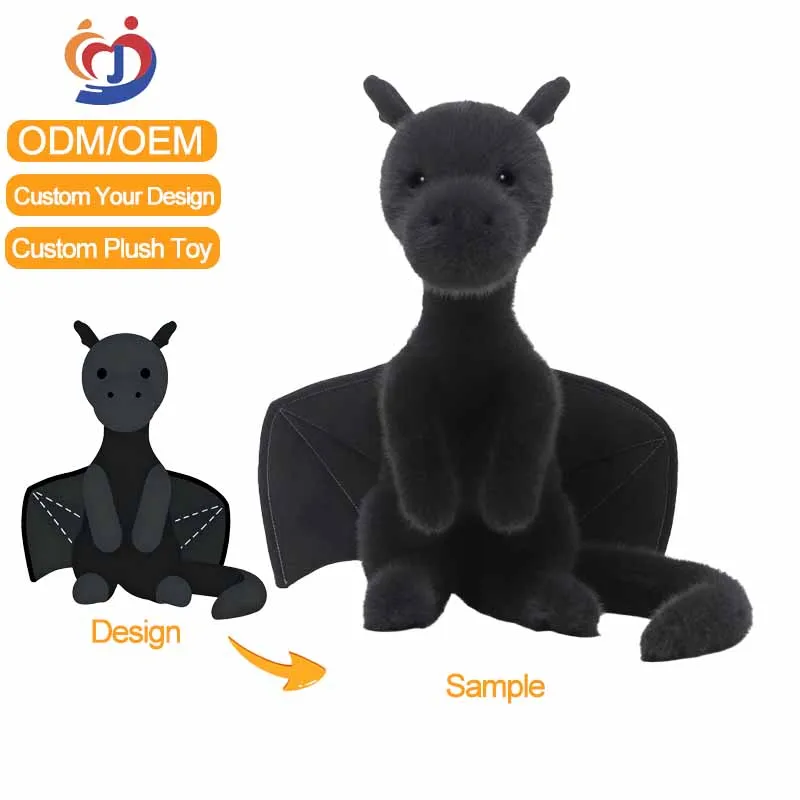
Mass manufacturing stuffed animal supplies involves various critical factors, including factory timelines and costs that significantly impact the profitability and efficiency of your operations. For purchasing managers, distributors, and product managers, understanding these elements is essential for making informed decisions. This article will explore how to evaluate supplier reliability, the cost factors in bulk orders, where to find trusted suppliers, common manufacturing problems, and guidance on selecting materials for durable stuffed animal products.
How to Evaluate Supplier Reliability for Plush Toy Production
When selecting a supplier for plush toys production, reliability can be assessed through several key indicators. First, review the manufacturer’s experience in the industry. A company with over ten years of experience, like ours, typically has refined processes and a proven track record. Additionally, look for certifications such as ICTI, Sedex, and BSCI, which indicate compliance with industry standards for quality and social responsibility.
Visiting the factory, if possible, can provide direct insight into operational capabilities and quality control processes. During the visit, observe the machinery used for sewing, cutting, and embroidery, as these directly affect production quality and efficiency. Engage in discussions about their production capacity, which should align with your expected order volume. A facility that can produce 800,000 pieces annually is well-equipped for mass production, providing the scale needed for larger orders.
Lastly, don’t hesitate to ask for references from previous clients. A reputable supplier should be willing to share testimonials or case studies that illustrate their reliability and customer satisfaction.
Understanding Cost Factors in Bulk Orders of Stuffed Animals
The cost of bulk orders for stuffed animals is influenced by multiple factors, including material selection, design complexity, and production timelines. One of the most significant cost components is the choice of materials, as different fabrics and fillings can vary greatly in price. For instance, organic cotton may be more expensive than synthetic alternatives but could appeal more to environmentally conscious consumers.
Another critical factor is the complexity of the design. Custom designs that require intricate detailing or unique shapes may incur higher production costs due to additional labor and time involved. It is essential to provide clear technical specifications and artwork when requesting quotes, as these details will help manufacturers estimate costs more accurately.
Furthermore, order quantity plays a crucial role in determining price. Manufacturers often have a minimum order quantity (MOQ) that can affect unit pricing; larger orders typically lead to lower per-unit costs. Buyers should weigh their current demand against the MOQ to ensure that they are not over-committing financially.
Finally, consider potential additional costs such as shipping, packaging, and tariffs, especially if sourcing internationally. A thorough understanding of these factors will help you budget effectively and negotiate better with suppliers.
Where to Find Trusted Suppliers for Plush and Plastic Toys
Finding reliable suppliers for plush and plastic toys can be achieved through various channels. Start by attending industry trade shows and exhibitions, where you can meet manufacturers face-to-face, inspect products, and establish direct relationships. Events focused on toys and children’s products are particularly beneficial for networking and discovering new suppliers.
Online platforms such as Alibaba and ThomasNet offer searchable databases of manufacturers, allowing you to filter by specific capabilities, certifications, and geographic locations. Ensure to read reviews and check ratings from other buyers to gauge supplier reliability.
Another effective method is leveraging industry associations and trade organizations, which often provide directories of certified manufacturers. These organizations can also offer insights into market trends and best practices, further guiding your supplier selection process.
Lastly, consider referrals from industry peers. Businesses within your network can provide recommendations based on their experiences, helping you narrow down your options to trustworthy manufacturers.
Common Problems in Stuffed Animal Manufacturing and Their Solutions
Manufacturing stuffed animals can present several challenges that buyers should be aware of. One common issue is quality control inconsistencies, which can arise from variations in materials or production processes. To mitigate this, ensure that the supplier has robust quality control measures in place, including regular inspections and testing of materials.
Another frequent problem is delays in production timelines, often caused by underestimating lead times. Buyers should communicate expectations clearly and build contingencies into their timelines. It’s advisable to establish a production schedule that includes buffer time for unforeseen circumstances.
Customization challenges can also occur, particularly when it comes to intricate designs or unique features. Always request a sample before mass production to verify that the final product meets your specifications. This step can help catch potential issues early and ensure that the manufacturer fully understands your requirements.
Lastly, keep an eye on compliance with safety regulations. Ensure that all products meet relevant safety standards, especially if they are intended for children. Engaging a supplier with a strong compliance record will help avoid issues related to product recalls or safety violations.
Guide to Selecting Materials for Durable Stuffed Animal Products
Selecting the right materials for stuffed animal production is crucial for durability and safety. Start by considering the primary fabric; options like plush polyester or cotton are popular for their softness and washable. However, the choice may depend on the intended use of the toy. For example, toys designed for infants may require hypoallergenic materials and certifications to ensure safety.
Filling materials also play a significant role in the durability of the final product. Polyfill is commonly used due to its lightweight and compressible nature, but consider alternatives like recycled filling for an eco-friendly option. If the stuffed animals are intended for heavy use, investing in durable, high-quality fillings will enhance longevity.
Additionally, assess the stitching and finishing techniques. Double-stitched seams and secure embroidery can significantly improve the durability of stuffed animal toys, making them withstand rough handling. Discuss these specifications with your supplier and ensure that they align with your quality expectations.
Finally, always confirm that the selected materials comply with relevant safety regulations, especially if the product will be marketed to children. This diligence will help ensure that your stuffed animals are not only appealing but also safe for their intended audience.
Table of Contents
- How to Evaluate Supplier Reliability for Plush Toy Production
- Understanding Cost Factors in Bulk Orders of Stuffed Animals
- Where to Find Trusted Suppliers for Plush and Plastic Toys
- Common Problems in Stuffed Animal Manufacturing and Their Solutions
- Guide to Selecting Materials for Durable Stuffed Animal Products

