Plush backpacks have become increasingly popular in the market, appealing to various demographics from children to adults. These soft, comfortable backpack plush not only serve practical purposes but also reflect style and personality. For B2B buyers, such as purchasing managers or product managers in retail, understanding the intricacies of plush backpacks is vital to making informed purchasing decisions. This article will explore the advantages of bulk ordering, key specifications to look for, material impacts on safety and performance, cost factors, and common problems along with effective solutions.
Ordering plush backpacks in bulk presents numerous advantages for wholesalers and retailers. One of the most significant benefits is cost efficiency. Manufacturers often provide tiered pricing, where the unit cost decreases with larger order quantities. This can lead to substantial savings, particularly for businesses aiming to stock up for seasonal sales or promotional events.
Additionally, bulk orders can ensure product uniformity, which is essential for branding and marketing. Consistent quality and design across all items enhance brand recognition and customer trust. With a manufacturer like ours, which has over a decade of experience and an annual production capacity of 800,000 pieces, buyers can expect reliable supply and timely delivery, further simplifying inventory management.
Moreover, placing bulk orders often allows for customization options, such as specific designs, colors, or branding elements. This can differentiate a retailer's offerings in a competitive market, appealing to specific target audiences.
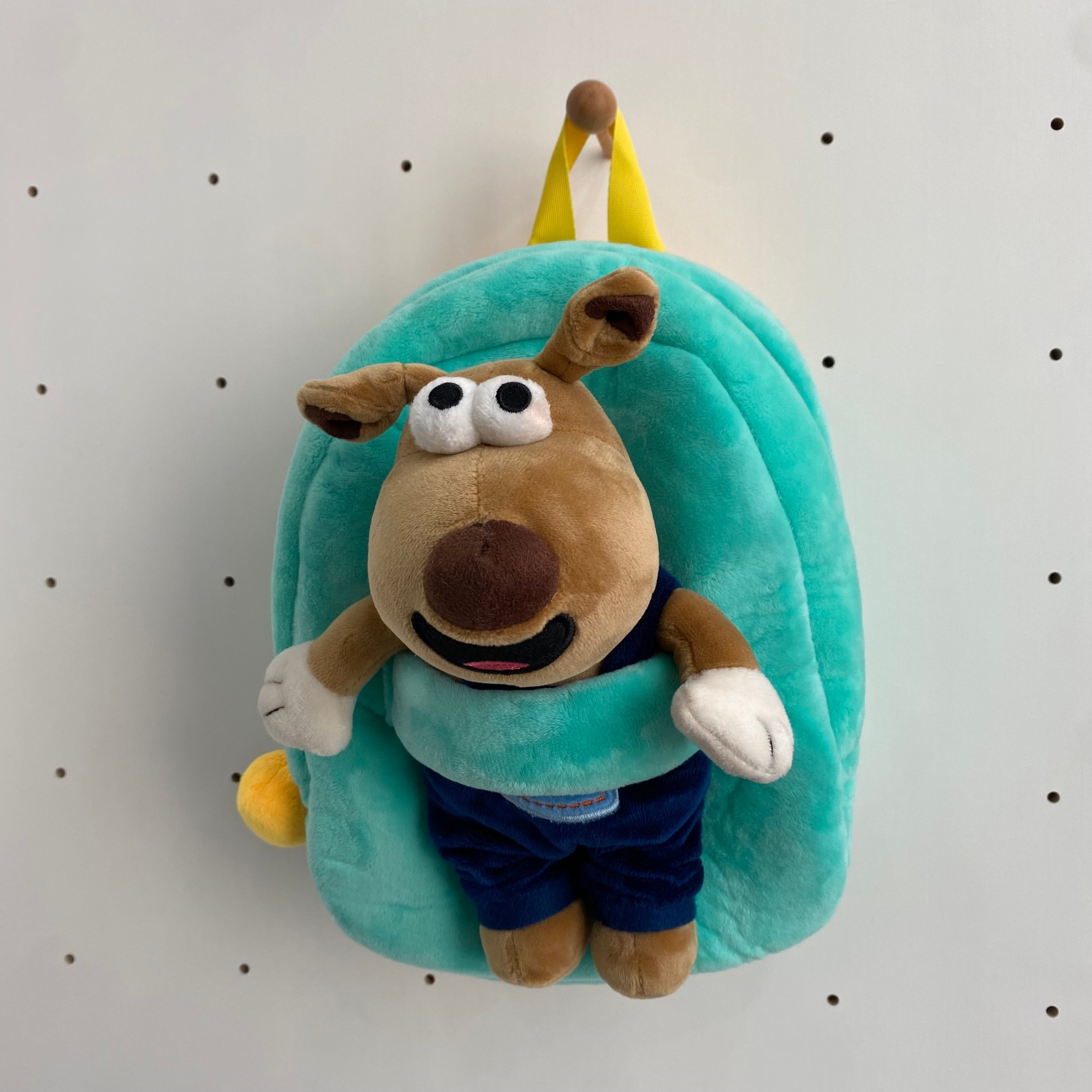
When sourcing plush backpacks, certain specifications are crucial for ensuring product quality. Key elements to consider include dimensions, weight capacity, and the type of closure mechanisms. Proper dimensions are essential to ensure the backpack can comfortably hold expected loads while remaining ergonomically friendly for users of all ages.
Material specifications are equally important. High-quality plush backpacks typically utilize durable fabrics that resist wear and tear while maintaining their aesthetic appeal. Look for options that incorporate reinforced stitching to enhance durability, especially in high-stress areas such as seams and straps. Additionally, closures whether zippers, snaps, or Velcro should be robust and easy to operate, ensuring user convenience.
Safety certifications, such as ICTI and BSCI, are also critical. These certifications indicate that the product meets specific safety and quality standards, which is especially important for items intended for children. Ensuring compliance with these standards not only protects users but also mitigates potential liabilities for retailers.
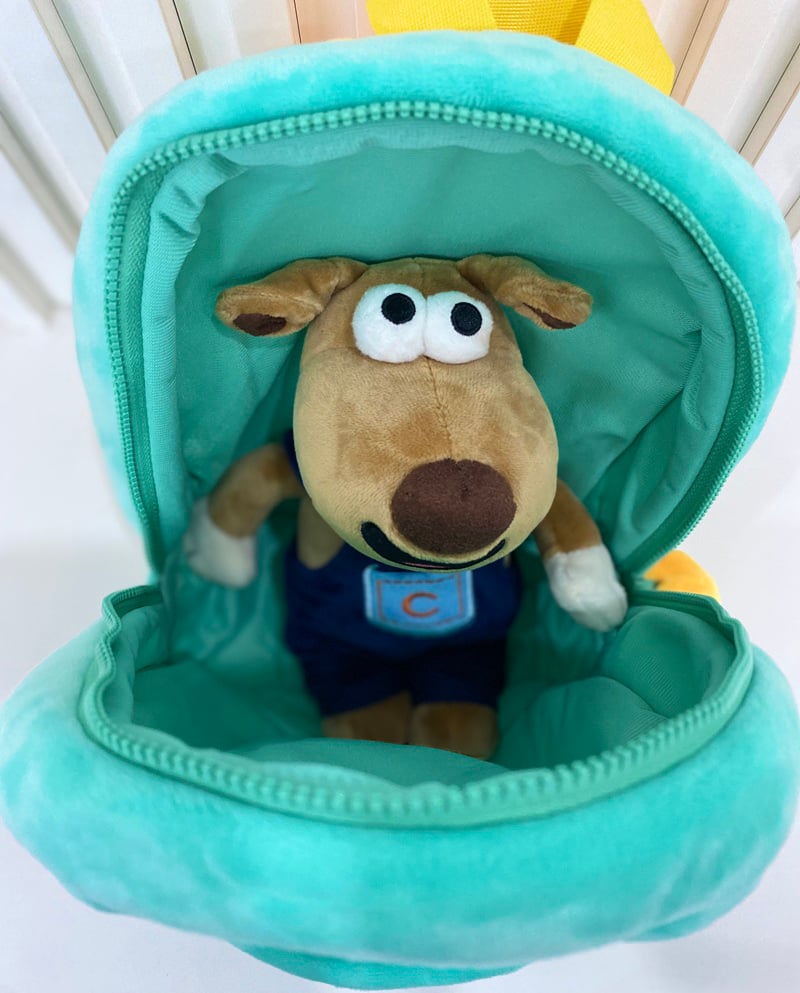
The materials used in plush backpacks significantly influence their performance and safety. Common materials include polyester, cotton blends, and various synthetic fabrics, each offering different benefits. For instance, polyester is lightweight and resistant to moisture, making it ideal for outdoor use or for younger users who may be prone to spills.
Safety considerations are paramount when selecting materials. Non-toxic, hypoallergenic fabrics should be prioritized, especially for products aimed at children. Additionally, the fill material used in plush elements should be tested for safety to prevent any health risks associated with ingestion or allergies.
Understanding the implications of different material choices can help buyers make informed decisions. For example, while a weighted plush backpack with a soft exterior may be visually appealing, it should also incorporate inner linings that are durable and easy to clean. Buyers should consult with manufacturers to clarify material specifications and safety standards.
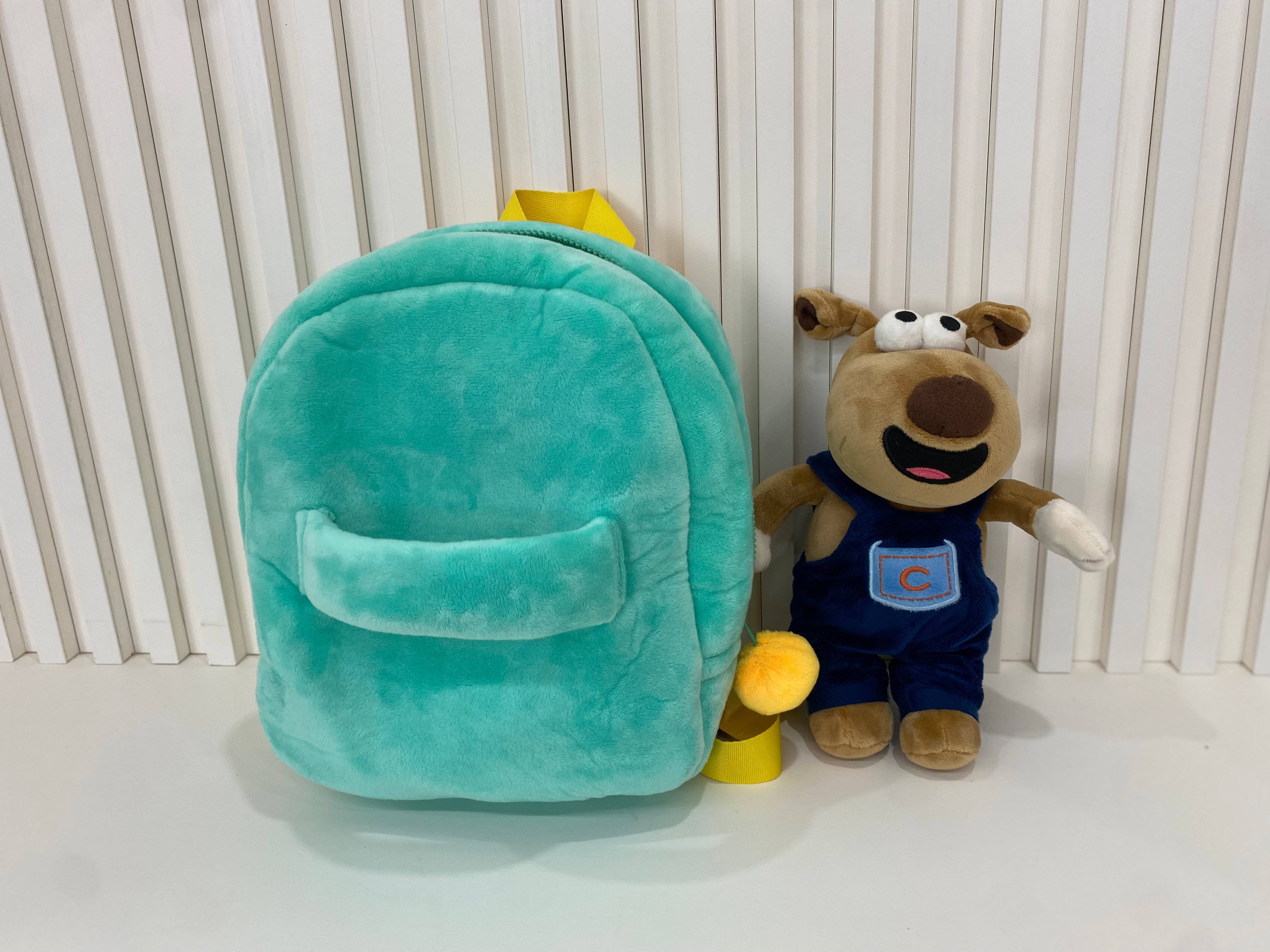
Several cost factors play a pivotal role in sourcing plush backpacks. The initial price is often influenced by material quality, design complexity, and manufacturing processes. For instance, backpacks featuring intricate designs or custom branding may incur additional costs.
Another crucial aspect is the minimum order quantity (MOQ). Suppliers often set an MOQ that can significantly affect overall costs. Understanding the MOQ helps buyers plan their budgets and inventory levels effectively.
Shipping and logistics costs also contribute to the total expenditure. Buyers should factor in the shipping terms, including duties, taxes, and insurance, which can vary based on destination and shipping method. Evaluating these costs allows for a clearer understanding of the total investment required for plush backpacks.
Lastly, it’s essential to consider long-term value. Investing in higher-quality products may lead to lower return rates and customer satisfaction, ultimately enhancing profitability. Buyers should weigh initial costs against potential long-term returns when making sourcing decisions.
Despite their popularity, plush backpacks can present certain common problems. One frequent issue is fabric wear and tear, particularly in high-use scenarios. To mitigate this, buyers should prioritize quality materials and reinforced stitching. Additionally, manufacturers can offer insights on care instructions to prolong the lifespan of the cute plushies backpacks.
Another concern is safety hazards related to small parts or choking risks, especially for products aimed at younger children. Ensuring compliance with safety standards through thorough product testing can help address these risks. Buyers should inquire about the manufacturer's quality control processes to ensure that all products meet safety requirements before reaching the market.
Lastly, production delays can occur, impacting inventory levels and sales. A reliable manufacturer with efficient production capabilities, like ours, can help minimize these risks. Establishing clear communication channels and timelines with suppliers can further enhance planning and execution, allowing buyers to maintain optimal stock levels.
By understanding these potential challenges and their solutions, purchasing managers can make more informed decisions and foster better relationships with their suppliers, ultimately leading to successful product offerings in the market.

 EN
EN
 AR
AR
 CS
CS
 DA
DA
 NL
NL
 FI
FI
 FR
FR
 DE
DE
 EL
EL
 IT
IT
 JA
JA
 KO
KO
 NO
NO
 PL
PL
 PT
PT
 RU
RU
 ES
ES
 SV
SV
 IW
IW
 UK
UK
 TR
TR
 AF
AF
 GA
GA
 IS
IS
 LA
LA

