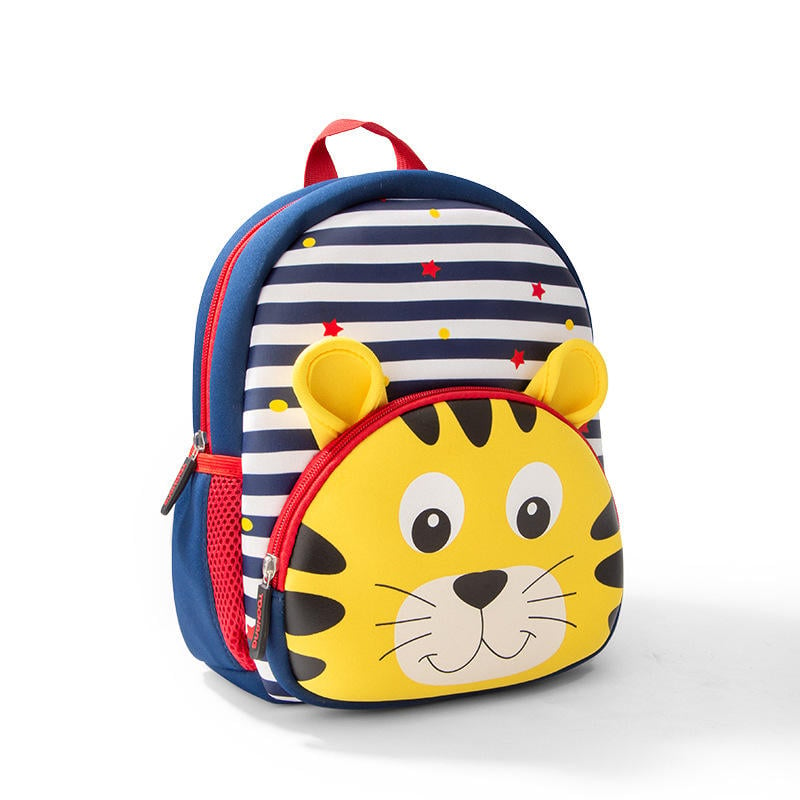
Plush toy backpacks are innovative products that blend functionality with fun, appealing to children and parents alike. As a B2B buyer, your main concerns may revolve around quality, safety, customization options, and supplier reliability. This article will guide you through essential considerations when sourcing backpack plush, from evaluating quality to understanding common challenges and exploring their various applications in retail and promotions.
When purchasing plush toy backpacks for your business, it’s crucial to understand the key specifications and features that will appeal to your target market. Factors such as size, design, and material composition play an essential role in the product's appeal and safety. Typical specifications include dimensions that cater to children of various ages, lightweight materials for ease of use, and safe, durable fabrics that comply with international safety standards.
Customization options can enhance your product offering. Many manufacturers provide personalized designs, colors, and branding opportunities, which can be appealing for promotional activities or special events. As a buyer, you should communicate your specific requirements clearly, including any safety certifications needed, which can affect your supplier's ability to meet your expectations.
Quality control is a critical aspect of sourcing plush toy backpacks. When placing a bulk order, consider the following evaluation criteria:
Material Quality: Ensure the backpacks are made from non-toxic, durable materials. Common materials include polyester and cotton, which are soft yet resilient. Check for relevant safety certifications that ensure compliance with international safety standards.
Construction Quality: Inspect stitching and seams. The plush backpack should be reinforced at stress points to withstand daily use. A well-constructed backpack will have consistent stitching with no loose threads.
Safety Features: Look for safety standards compliance, such as the ICTI certification, which confirms ethical manufacturing processes. Ensure that any embellishments or accessories are securely attached to prevent choking hazards.
Sample Approval: Always request samples before mass production. This step allows you to assess construction, material quality, and overall design. Testing the sample under real-world conditions can help identify any potential issues before placing a large order.
Selecting the right supplier for plush toy backpacks involves evaluating several key factors:
Experience and Certifications: Choose a manufacturer with a proven track record in producing plush toys. Certifications like ICTI, Sedex, and BSCI indicate a commitment to quality and ethical manufacturing practices.
Manufacturing Capabilities: Assess the supplier's production capacity, which should align with your order volume. A manufacturer with an annual production capacity of 800,000 pieces can likely meet larger demands without compromising quality.
Customization Options: Verify the supplier’s ability to accommodate custom designs and branding. Discuss their design process and lead times for modifications.
Communication and Support: Evaluate the supplier's responsiveness and willingness to address your concerns. An open line of communication is crucial for a successful partnership.
Customer Reviews and Case Studies: Look for testimonials from previous clients or case studies showcasing the supplier's work. This information can provide insight into their reliability and product quality.
While plush toy backpacks are generally well-received, there are common issues buyers may encounter:
Material Durability: Some materials may wear out faster than expected. To mitigate this risk, ensure that the manufacturer uses high-quality, durable fabrics. Request information on the material's wear and tear resistance.
Design Failures: A soft toys backpack design that appears functional may not perform well in real use. Prioritize user feedback during the design phase and conduct thorough testing on samples.
Safety Compliance Issues: Ensure that all products comply with safety regulations. Regular audits and testing can help identify compliance issues before products reach the market.
Inconsistent Quality: When ordering in bulk, variations in quality can occur. Establish a clear quality control process with the manufacturer, including inspection checkpoints during production.
Shipping Delays: Shipping times can affect your inventory levels. Discuss logistics and expected lead times with your supplier upfront to avoid disruptions.
Plush toy backpacks serve various purposes in retail and promotional settings:
Retail Sales: These backpacks can be positioned as unique gifts or functional items for children, appealing to parents looking for both utility and fun. Their eye-catching designs can attract attention in-store and online.
Promotional Items: Businesses can use plush toy backpacks as promotional giveaways to enhance brand recognition. By customizing these products, companies can create memorable marketing items that resonate with consumers.
Event Merchandise: At trade shows or community events, plush toy backpacks can be offered as merchandise or prizes. Their playful nature makes them appealing to families and children, helping to draw attention to your brand.
Educational Tools: These backpacks can also serve as educational tools in schools or daycare centers, where they can be used to encourage imaginative play while teaching organizational skills.
Seasonal Promotions: They are particularly popular during holidays, back-to-school seasons, or special events, making them versatile products for seasonal marketing strategies.
By understanding the nuances of plush toy backpacks, you can make informed decisions that enhance your product offerings and align with your business objectives.

 EN
EN
 AR
AR
 CS
CS
 DA
DA
 NL
NL
 FI
FI
 FR
FR
 DE
DE
 EL
EL
 IT
IT
 JA
JA
 KO
KO
 NO
NO
 PL
PL
 PT
PT
 RU
RU
 ES
ES
 SV
SV
 IW
IW
 UK
UK
 TR
TR
 AF
AF
 GA
GA
 IS
IS
 LA
LA