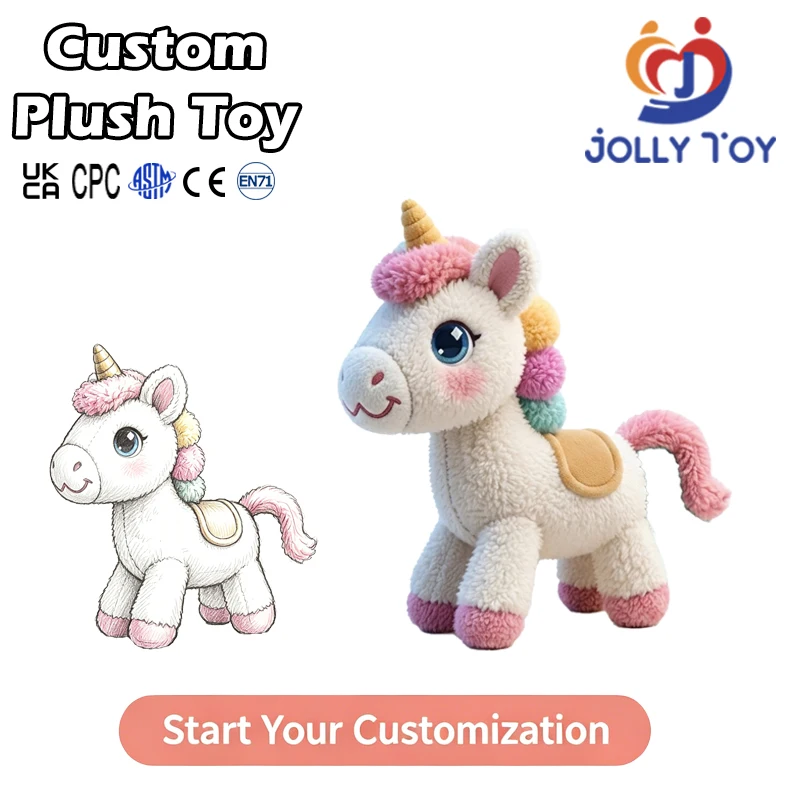
The demand for plush toys continues to grow, making it essential for businesses to partner with reliable plush toy manufacturers. This article will explore key considerations when selecting a manufacturer like Jolly Toy plush keychain, from product specifications to cost factors, and installation guidance in retail environments. For B2B buyers, understanding these elements is crucial for making informed purchasing decisions that meet quality and compliance standards.
When evaluating plush toys, several specifications should be considered to ensure the product meets safety and quality standards. First, assess the materials used in production. Common materials of Jolly Toy keychain plush toy include polyester, cotton, and various synthetic fibers, each impacting the plush toy's durability, softness, and wash ability. Buyers should verify that the materials are non-toxic and compliant with safety regulations such as ASTM F963 or EN71.
Next, consider the size and dimensions of the plush toys. Custom sizes may be available, but it’s important to confirm that the dimensions suit your target market, whether for infants, children, or collectors. Additionally, the weight of the toy can affect shipping costs and shelf display options, so ensure the weight aligns with your logistical needs.
Furthermore, evaluate the manufacturing capabilities of the supplier. Look for advanced machinery used in sewing, cutting, and embroidery, as well as injection molding for plastic components. A manufacturer with a proven track record in high-volume production, like our facility with an annual capacity of 800,000 pieces, can better meet your demands for bulk orders.
Finding reliable suppliers for plush toy bulk orders can be challenging. Start by exploring industry-specific trade shows, which provide an opportunity to meet manufacturers face-to-face and assess their products. Online platforms like Alibaba or ThomasNet can also help identify potential suppliers, but it's essential to verify their credentials and certifications, such as ICTI, Sedex, and BSCI, which indicate compliance with ethical manufacturing practices.
Networking within industry associations can yield referrals to reputable manufacturers. Additionally, reaching out to colleagues in your network for recommendations can lead to trustworthy suppliers who have demonstrated quality and reliability in their production processes.
When evaluating suppliers, pay attention to their communication responsiveness and willingness to provide samples. A reliable manufacturer will be open to discussing customization options and willing to send a prototype for approval before mass production.
Understanding the cost factors involved in plush toy manufacturing is critical for budgeting and pricing strategies. Key components include material costs, labor, production methods, and overhead expenses. Materials can significantly impact the final price; for instance, organic or eco-friendly fabrics may be more expensive than standard synthetic options.
Labor costs can vary based on the region of the manufacturer and their workforce practices. It's essential to consider the implications of labor costs on production quality and timelines. A manufacturer focused on ethical labor practices, as demonstrated by our certifications, may have higher costs but offers peace of mind regarding compliance.
Production methods also influence costs. For example, advanced machinery may reduce labor costs but require a higher upfront investment. Buyers should assess whether the quality and efficiency of the production methods justify the cost.
Finally, consider the minimum order quantity (MOQ), as larger orders typically reduce the per-unit price. Understanding these cost factors allows B2B buyers to negotiate effectively and select suppliers that align with their financial objectives.
Proper installation and display of plush toys in retail environments can enhance customer engagement and drive sales. Start by assessing the display area to ensure it accommodates the chosen plush toy sizes and quantities. Arrange the toys to be visually appealing, using color schemes and thematic groupings to attract attention.
Consider the use of shelving that is sturdy enough to showcase the plush toys without risk of falling. For larger toys, consider floor displays or designated sections where they can be easily accessed. It’s also beneficial to use signage that highlights key features, such as safety certifications or unique selling points, to inform and persuade potential buyers.
Moreover, ensure that the plush toys are adequately secured to prevent theft and damage. Retailers should regularly check stock levels and restock popular items to maintain visibility and appeal. A well-designed display not only enhances the retail environment but also improves the overall shopping experience for customers.
With over a decade of experience in plush toy manufacturing, our expertise lies in delivering high-quality products that meet stringent safety and quality standards. Our factory utilizes advanced machinery for sewing, cutting, and embroidery, ensuring consistency and precision in every toy produced.
We emphasize rigorous quality control processes throughout the production cycle, from material selection to final inspection. Our certifications, including ICTI, Sedex, and BSCI, reflect our commitment to ethical manufacturing and social compliance, ensuring that every plush toy is made in a safe and fair working environment.
In addition, we understand the importance of customization in meeting diverse client needs. Our flexible manufacturing capabilities allow us to adapt to specific requirements regarding design, size, and materials, empowering clients to create unique products that resonate with their target audiences.
By partnering with an experienced manufacturer, buyers can be confident in the quality and safety of their plush toys, ultimately enhancing their brand reputation and customer satisfaction.

 EN
 AR
 CS
 DA
 NL
 FI
 FR
 DE
 EL
 IT
 JA
 KO
 NO
 PL
 PT
 RU
 ES
 SV
 IW
 UK
 TR
 AF
 GA
 IS
 LA