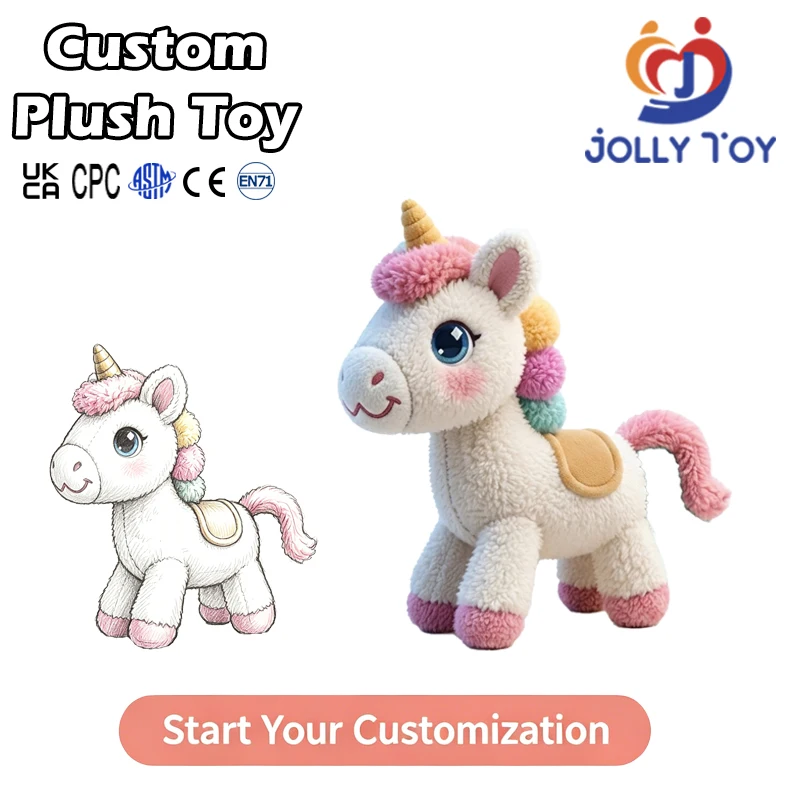
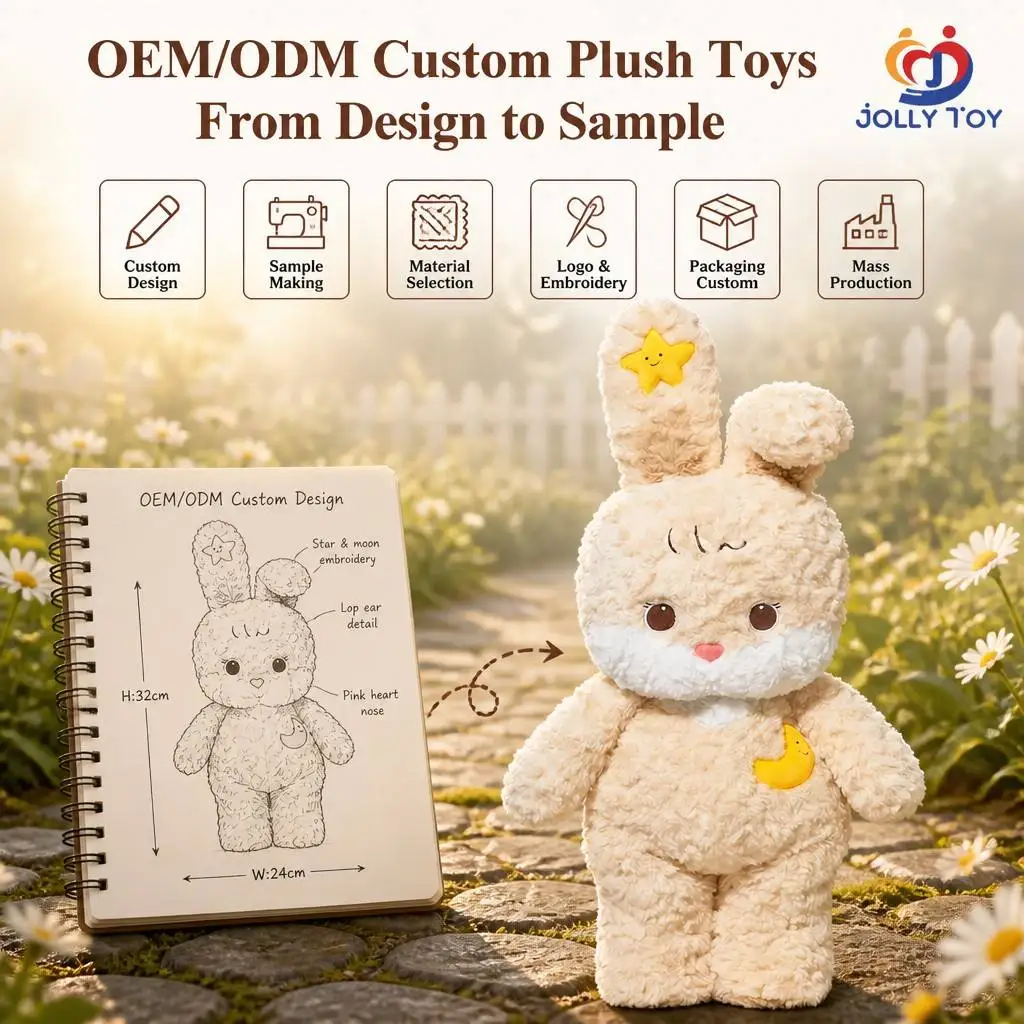
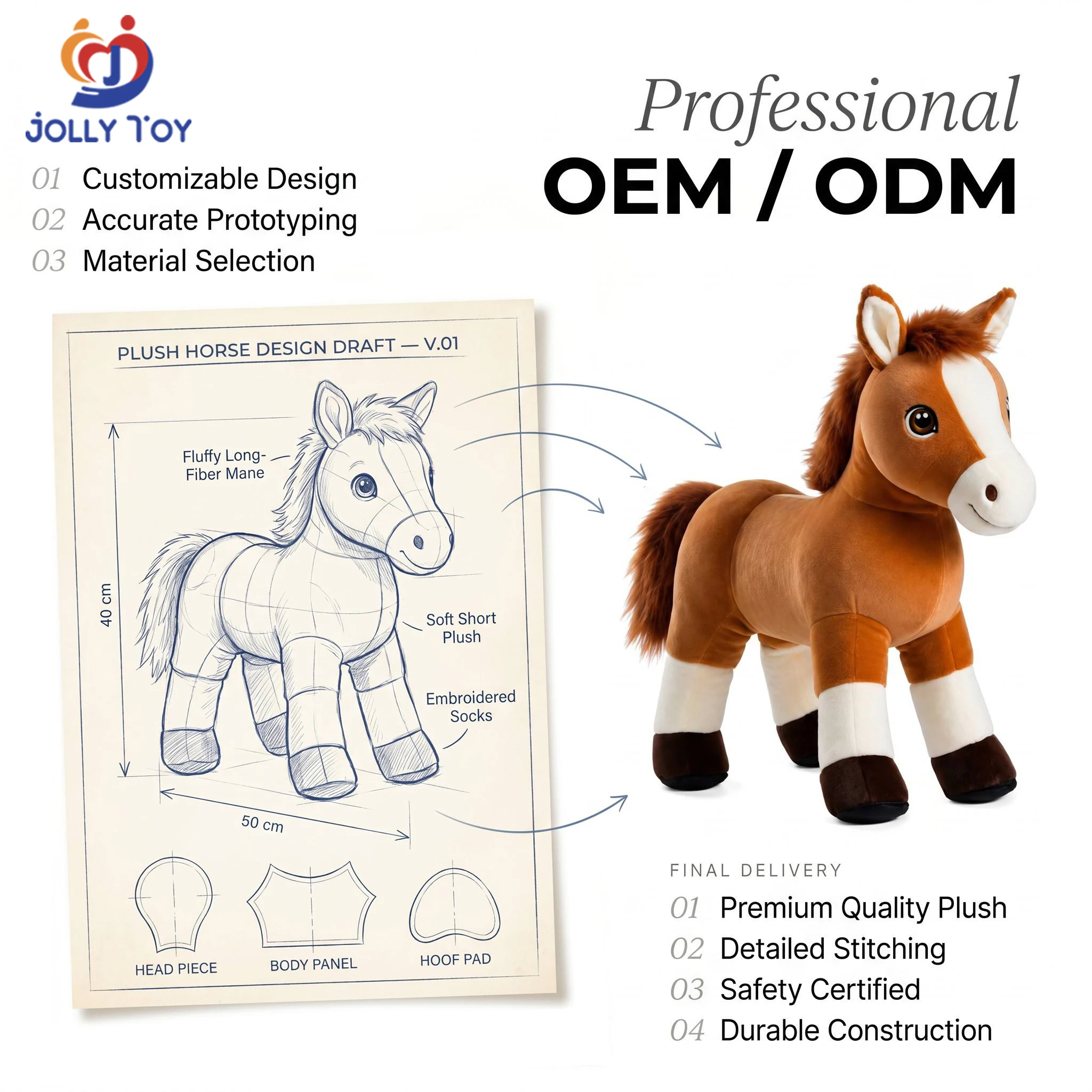
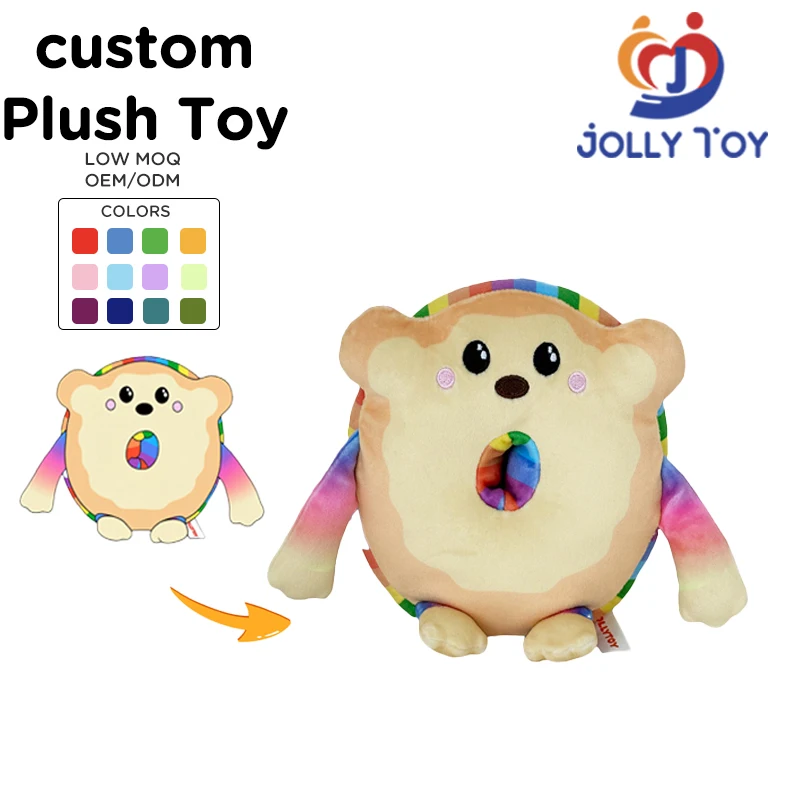
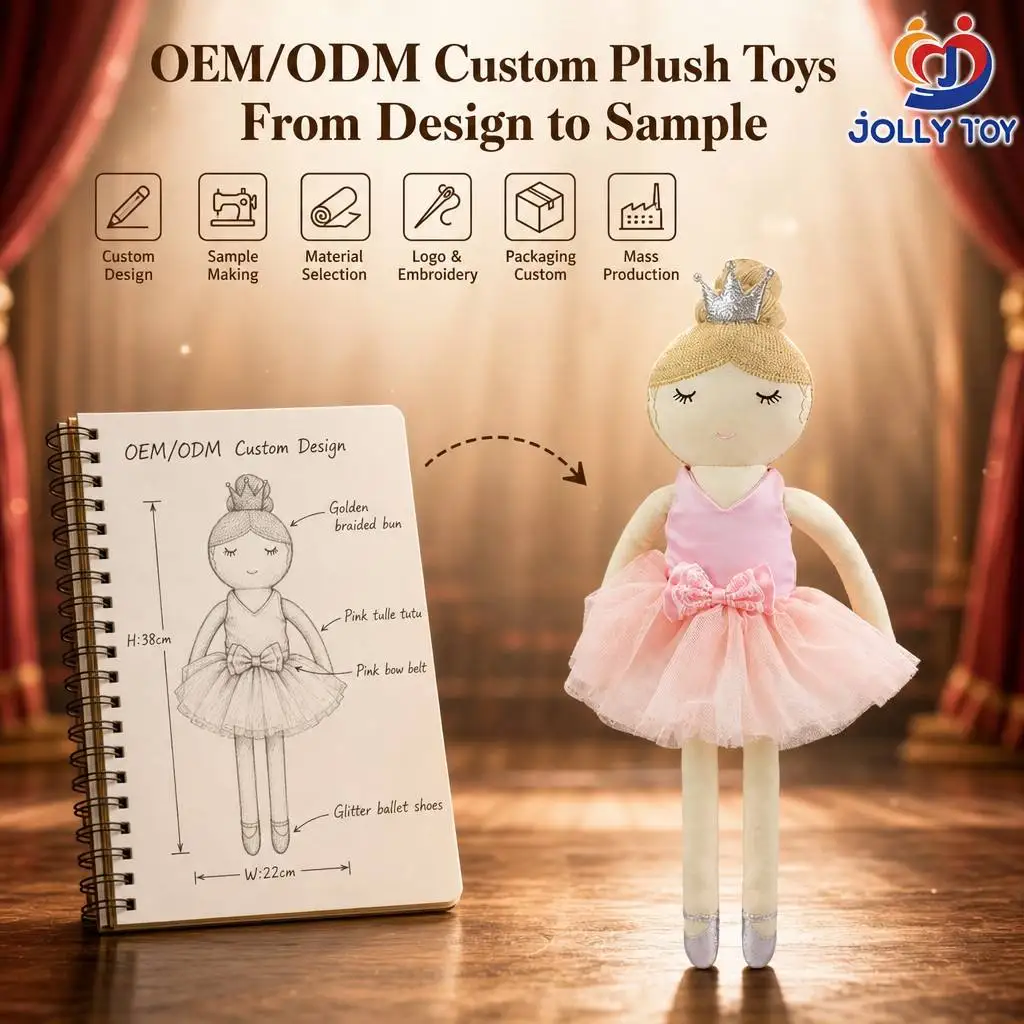
When sourcing toy factory toys, it's essential to understand the complexities involved in selecting a reliable manufacturer. With over a decade of experience as a one-stop manufacturer of plush and plastic toys, we focus on providing high-quality products while ensuring compliance with industry standards. This article will guide B2B buyers through key considerations when sourcing wholesale toy manufacturers, including how to evaluate a toy manufacturer's reliability, specifications for high-quality toys, and compliance with safety regulations.
When searching for toy factory toys, buyers should prioritize manufacturers that demonstrate a solid reputation in the industry. Look for manufacturers with extensive experience and a proven track record. Key factors to consider include:
Certifications: Ensure the manufacturer holds relevant certifications such as ICTI, Sedex, and BSCI, which indicate compliance with social and quality standards
Production Capacity: Confirm that the manufacturer can meet your volume requirements. Our facility has an annual production capacity of 800,000 pieces, which allows us to handle both small and large orders efficiently
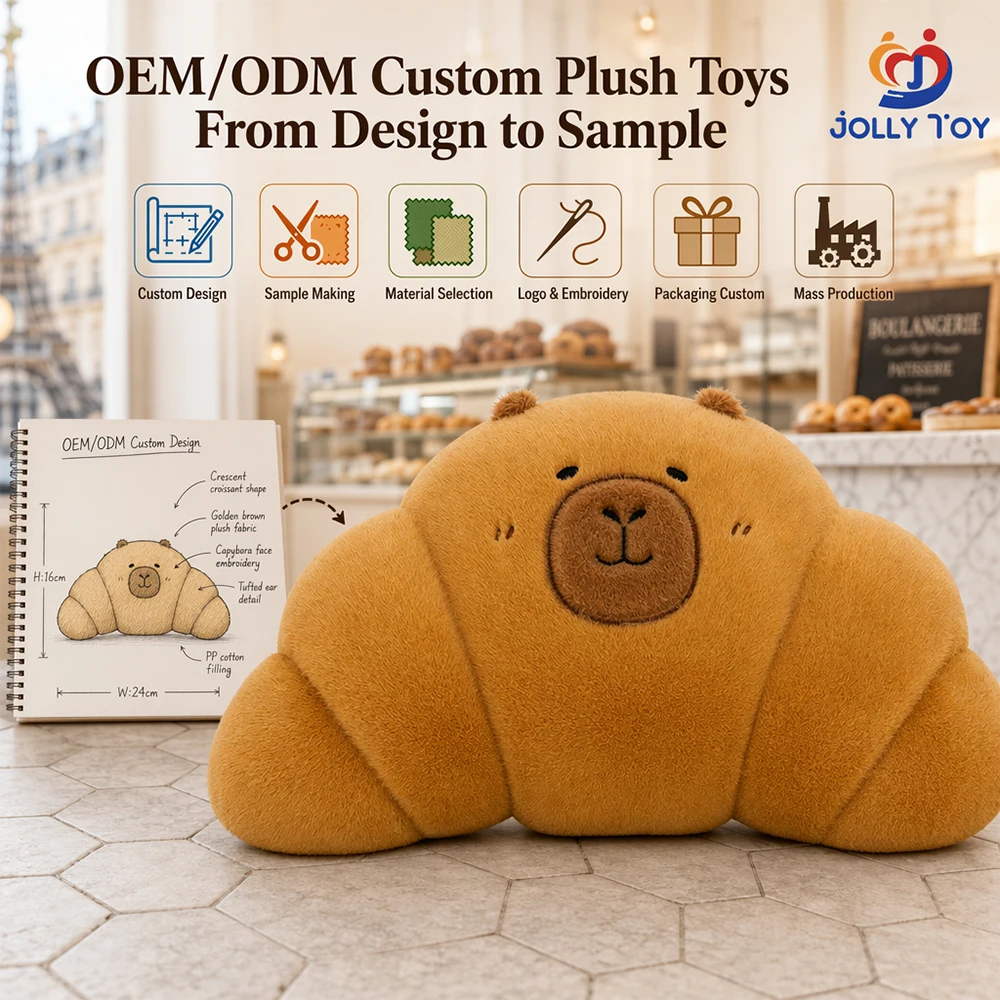
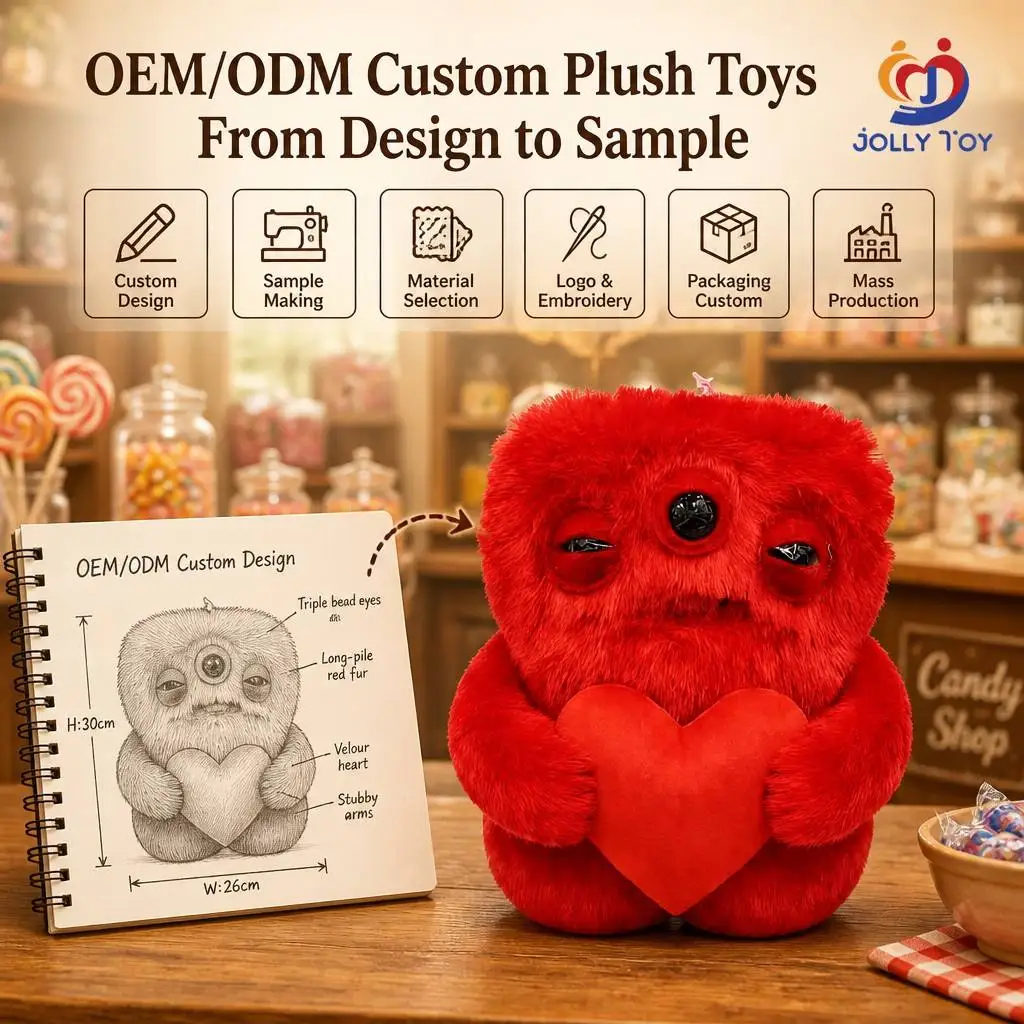
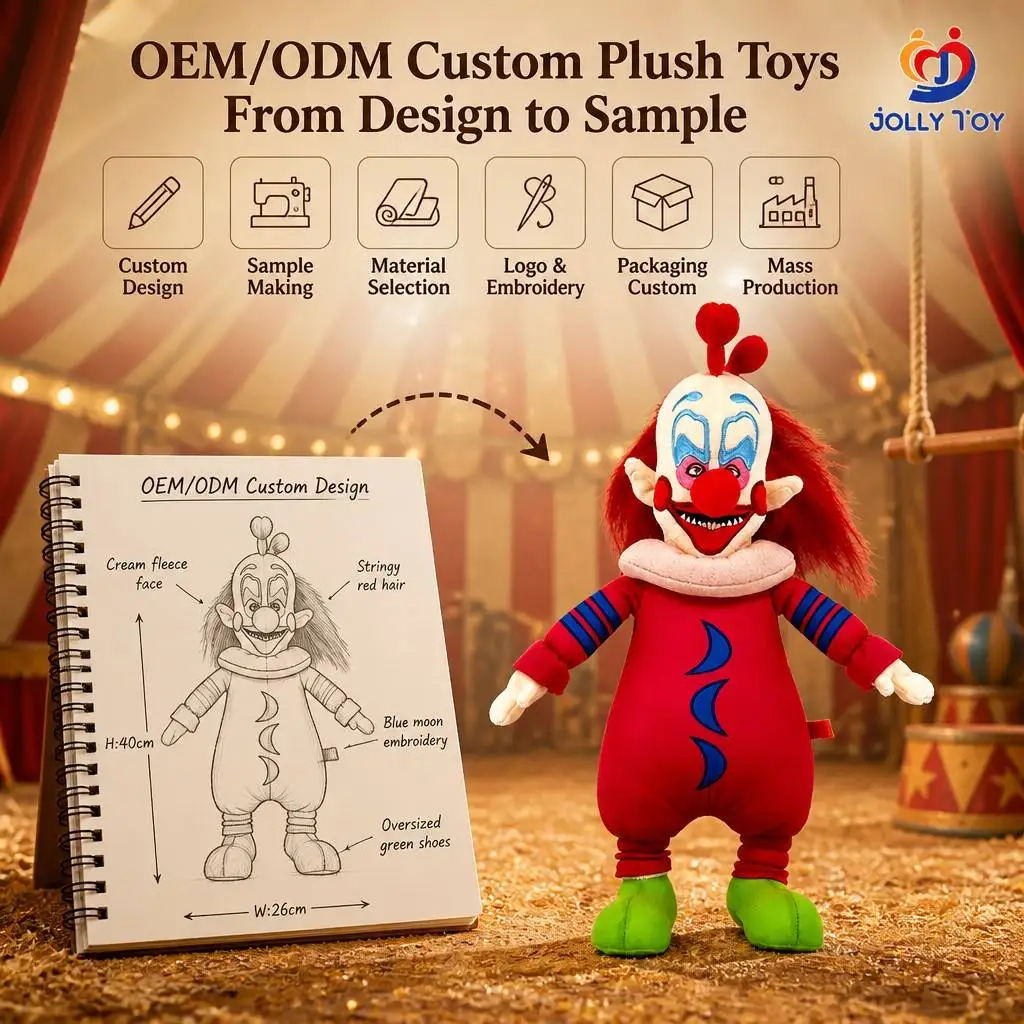
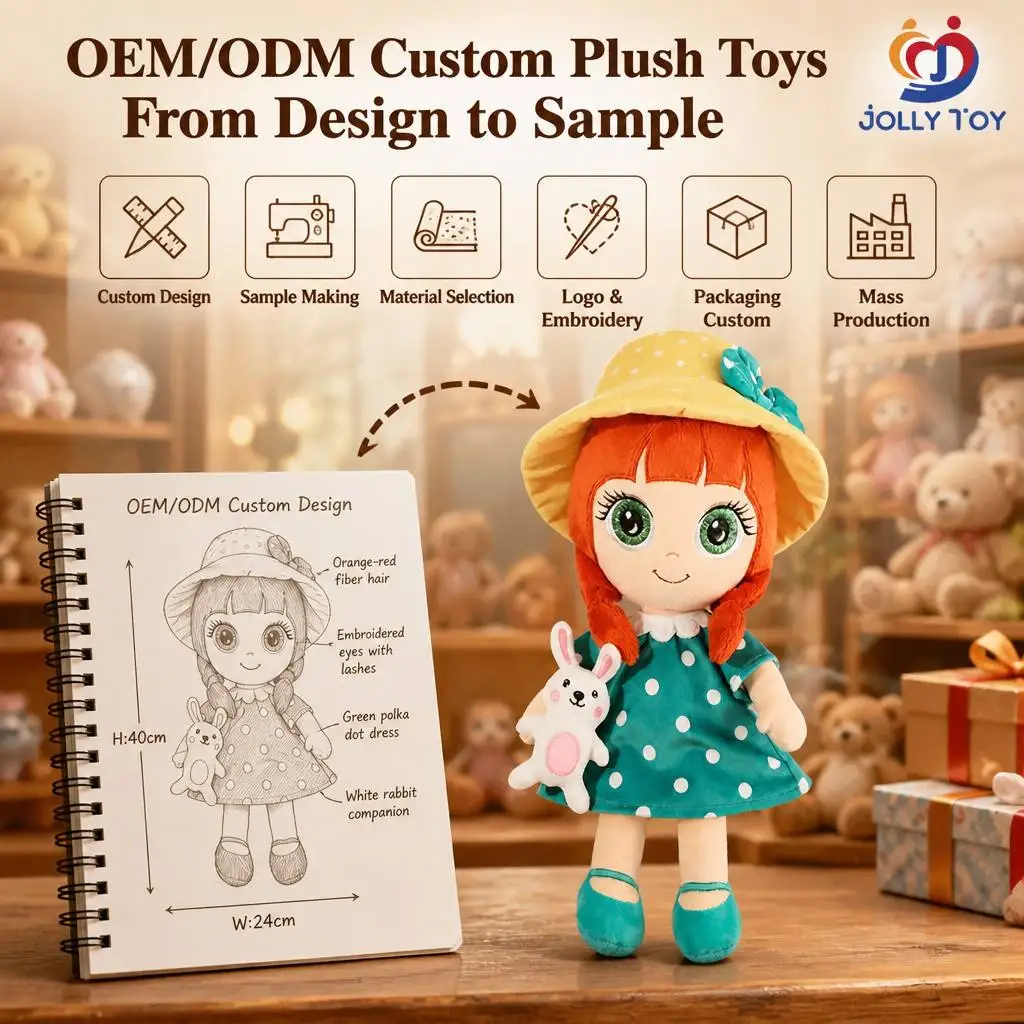
Customization Capabilities: Assess whether the manufacturer can accommodate custom designs or modifications to existing products, as this can be crucial for branding and market differentiation
Furthermore, inquire about their supply chain and logistics capabilities. A reliable custom toy manufacturer should have robust processes in place to manage timely deliveries and product quality.
Understanding the specifications that define high-quality toy factory toys is vital for making informed purchasing decisions. Here are several key specifications to evaluate:
Materials: The choice of materials can significantly affect a toy's durability, safety, and appeal. Ensure that the materials used meet safety standards and are suitable for the intended age group. For example, plush toys should use non-toxic fabrics and fillings, while plastic toys should be free from harmful chemicals like phthalates
Dimensions and Weight: Dimensions should be consistent with industry standards and suitable for the target age range. This also applies to weight; toys should be lightweight enough for young children to handle safely
Design and Safety Features: Inspect the design for any small parts that could pose choking hazards. Additionally, safety features like rounded edges and secure seams are essential for plush toys to prevent injury
Buyers should request detailed product specifications and samples to verify that they meet these criteria before proceeding with larger orders.
Evaluating supplier reliability is crucial in the toy industry, where quality and safety are paramount. Here are some practical steps to assess a potential supplier:
References and Reviews: Request references from previous clients and look for online reviews or case studies. This will provide insights into the supplier's reliability and quality of service
Quality Control Processes: Inquire about the manufacturer's quality control measures. A reputable supplier should have stringent quality assurance processes throughout the production cycle, including raw material inspection, in-process quality checks, and final product testing
Communication and Support: Evaluate the supplier's responsiveness and willingness to address concerns. A reliable supplier will be open to communication and provide support throughout the manufacturing process
Additionally, conducting factory visits, if feasible, can give buyers a first-hand look at the production processes and working conditions.
Cost is a significant consideration when sourcing toy factory toys in bulk. Here are the main factors that can influence pricing:
Material Costs: The choice of materials will directly affect the overall cost. High-quality materials may lead to higher upfront costs but can reduce the likelihood of returns and increase customer satisfaction
Production Methods: Different manufacturing methods, such as injection molding for plastic toys or sewing for plush toys, have varied cost implications. Understanding these methods will help buyers evaluate pricing structures effectively
Customization and Design Fees: Custom projects may incur additional fees. Be clear about design specifications and any related costs at the outset to avoid surprises later on
Buyers should also consider the total cost of ownership, including shipping, handling, and potential tariffs, to gauge the full financial impact of their orders.
Safety compliance is non-negotiable in the toy manufacturing industry. Buyers must ensure that their products meet national and international safety standards. Here are essential considerations:
Testing and Certification: Ensure that the manufacturer conducts relevant safety tests and obtains necessary certifications. This includes compliance with standards such as ASTM F963 (U.S.) or EN71 (European Union). These tests assess various factors, including mechanical and physical properties, flammability, and chemical composition
Material Safety: Buyers should verify that all materials used in the toys are non-toxic and safe for children. Request Material Safety Data Sheets (MSDS) for transparency on materials
Labeling and Instructions: Proper labeling, including age recommendations and safety warnings, is crucial. Ensure that the manufacturer can provide labels consistent with compliance regulations
Before placing orders, buyers should request documentation verifying compliance to protect themselves and their customers from potential liabilities. By understanding these critical factors in sourcing plush toy manufacturers, B2B buyers can make informed decisions that prioritize quality, safety, and reliability.

 EN
 AR
 CS
 DA
 NL
 FI
 FR
 DE
 EL
 IT
 JA
 KO
 NO
 PL
 PT
 RU
 ES
 SV
 IW
 UK
 TR
 AF
 GA
 IS
 LA