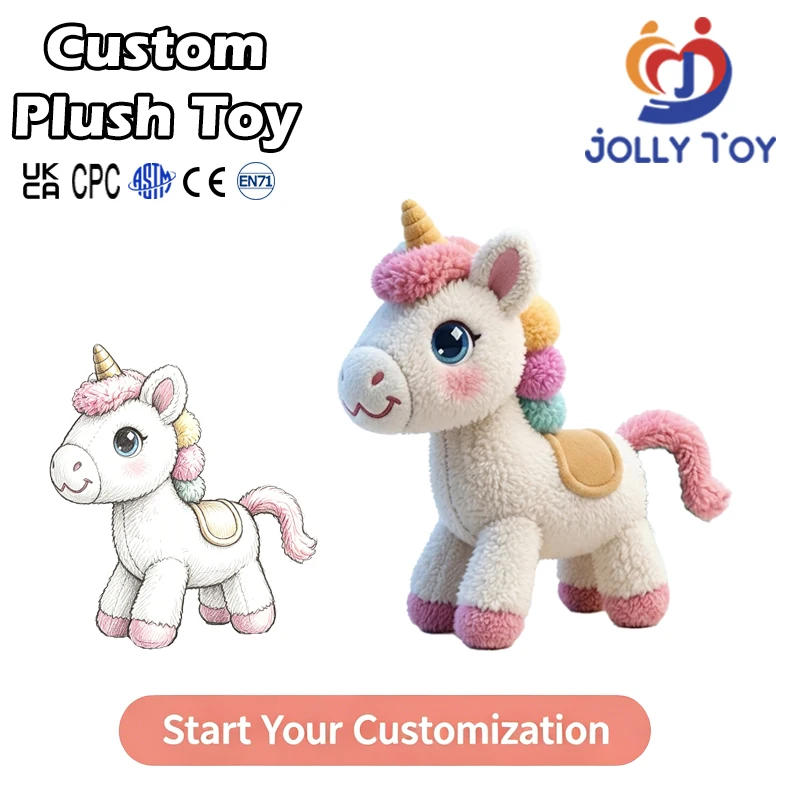
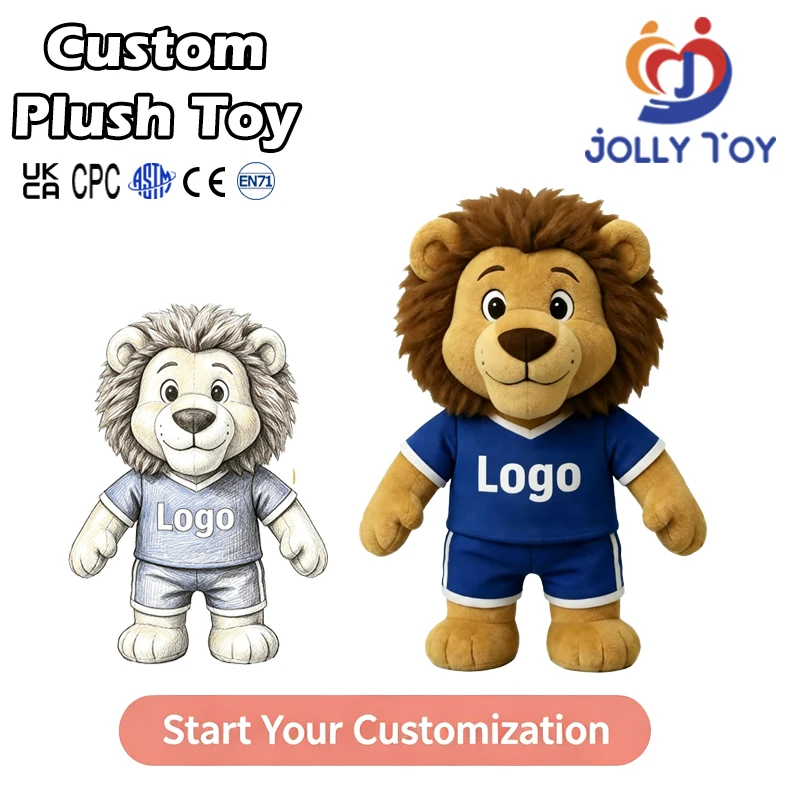
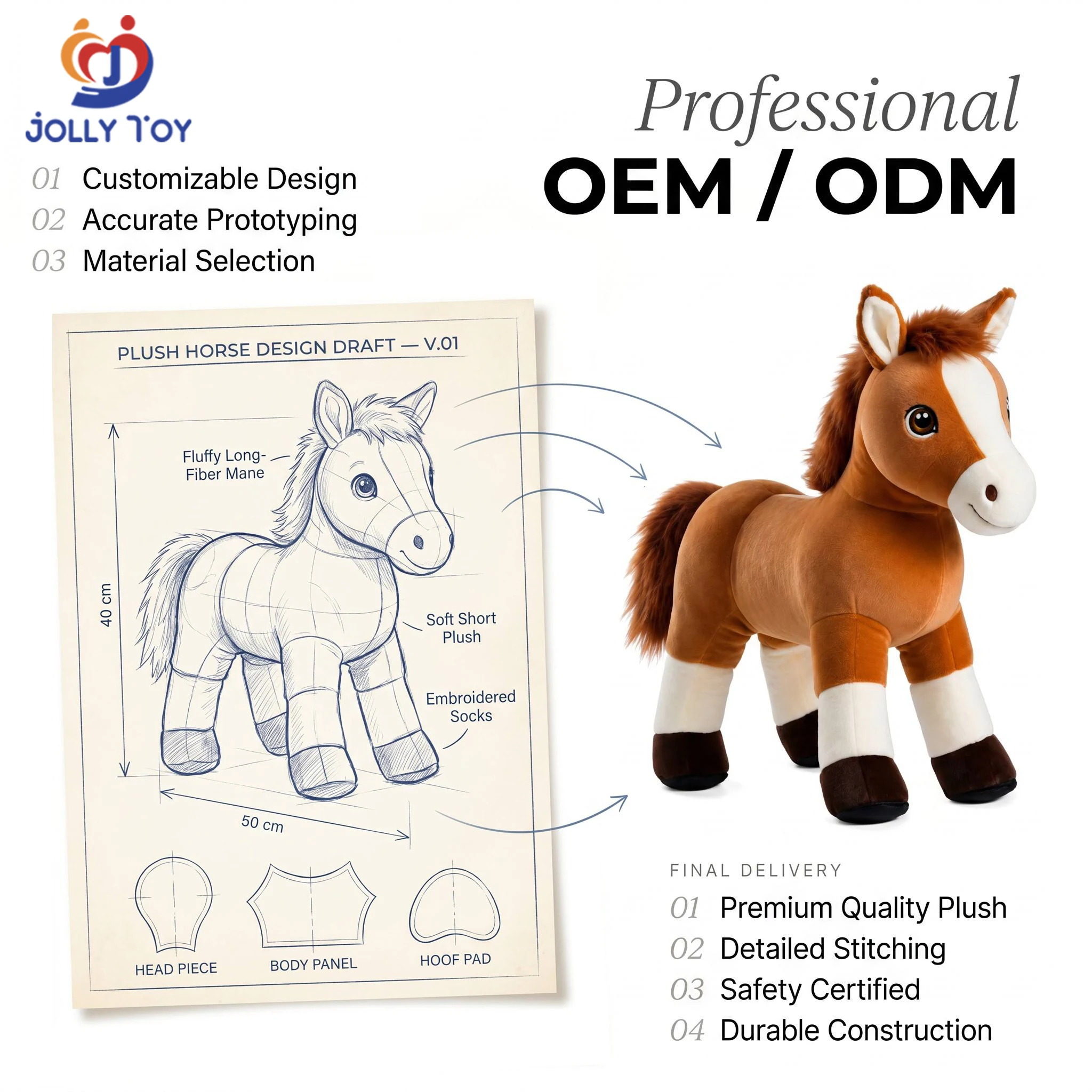
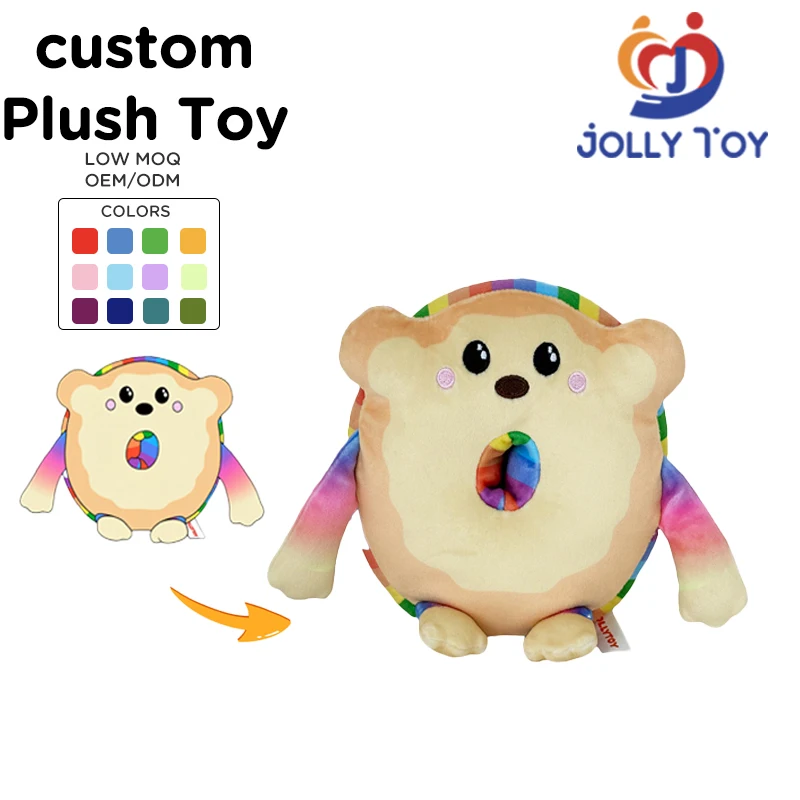
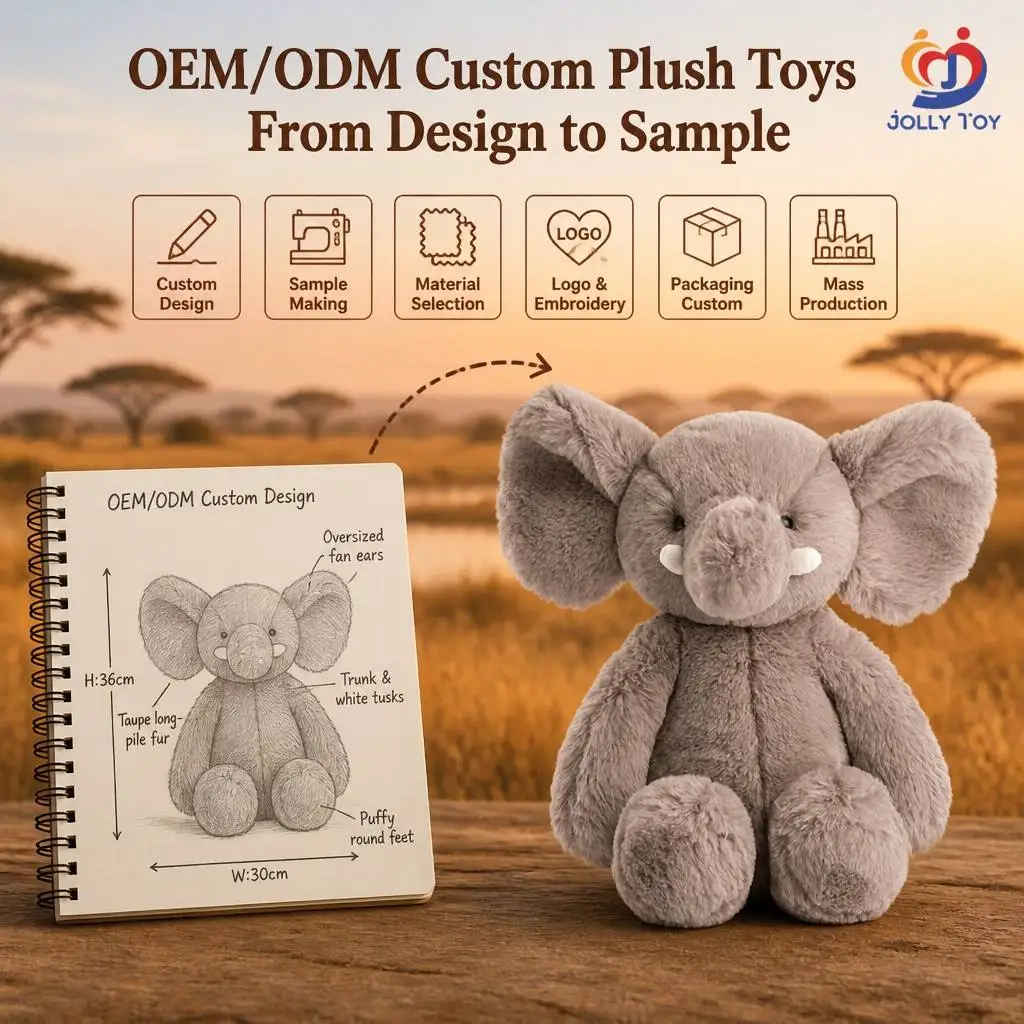
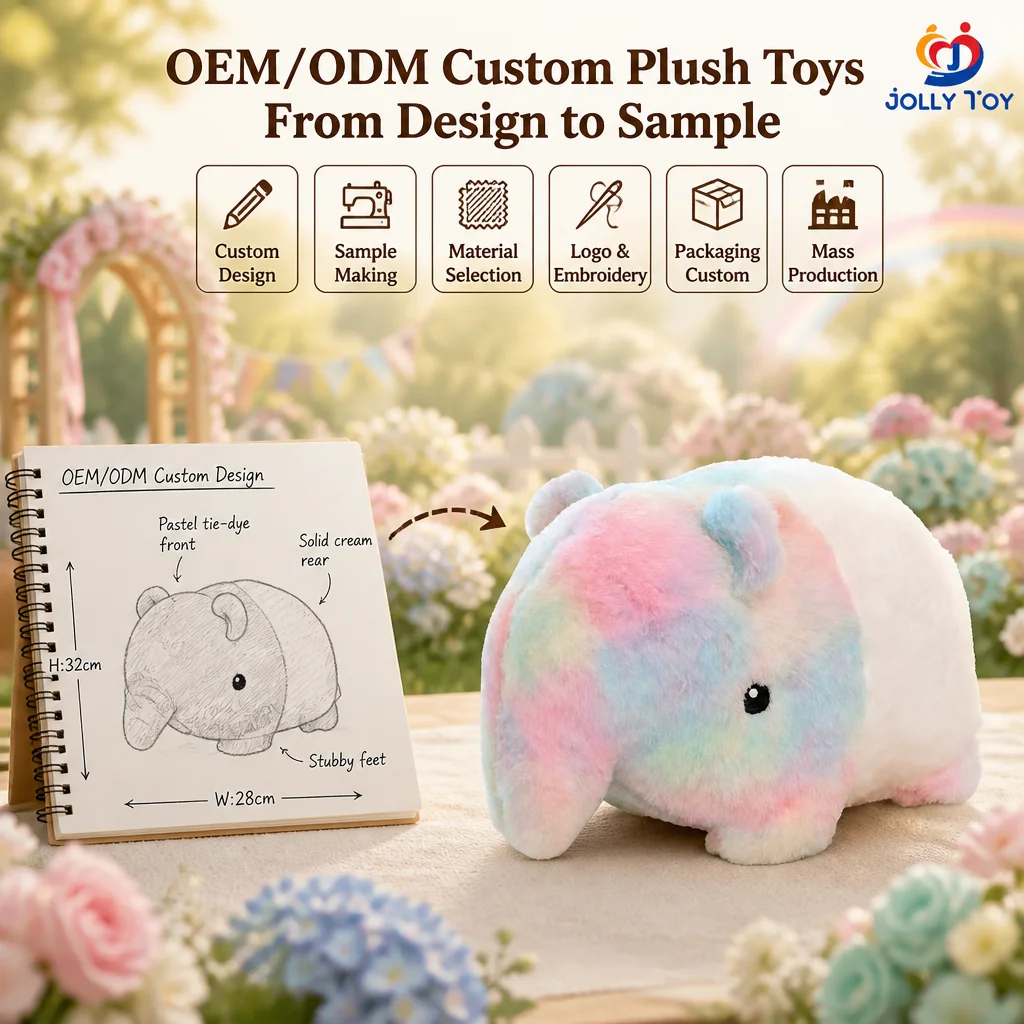
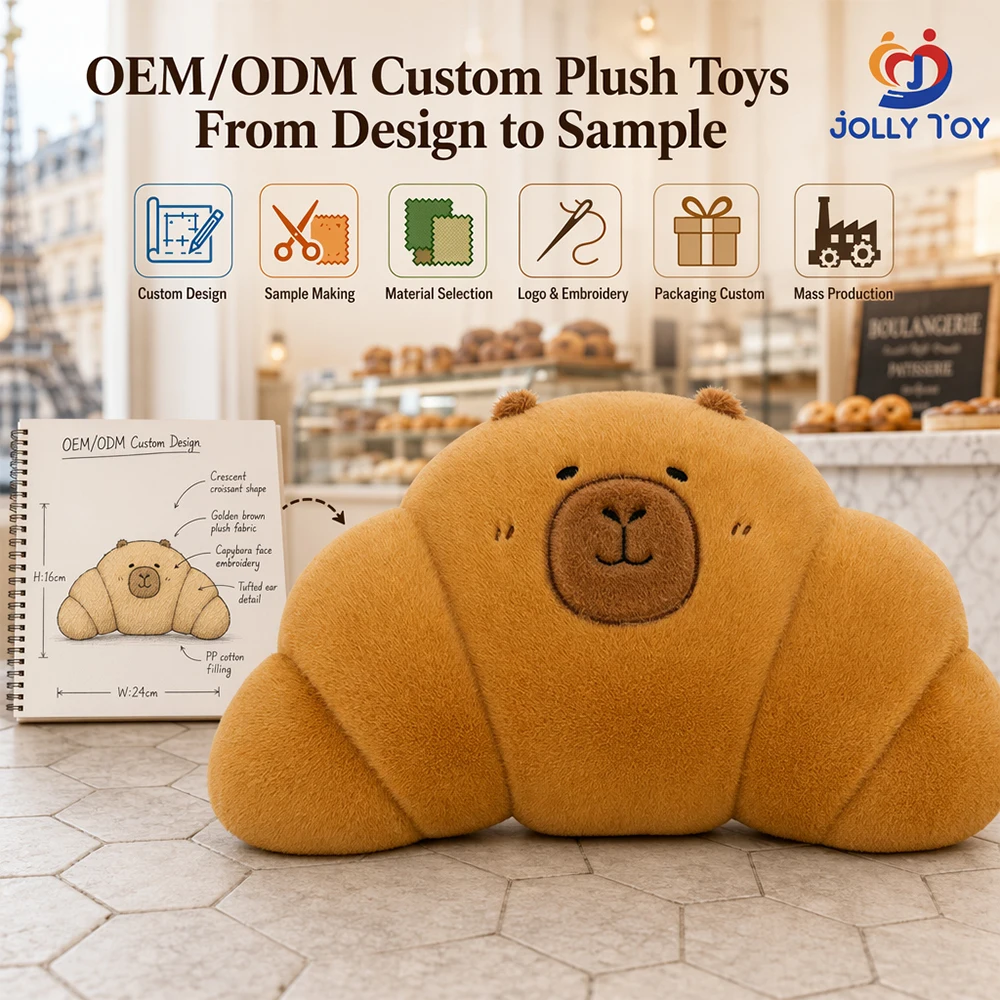
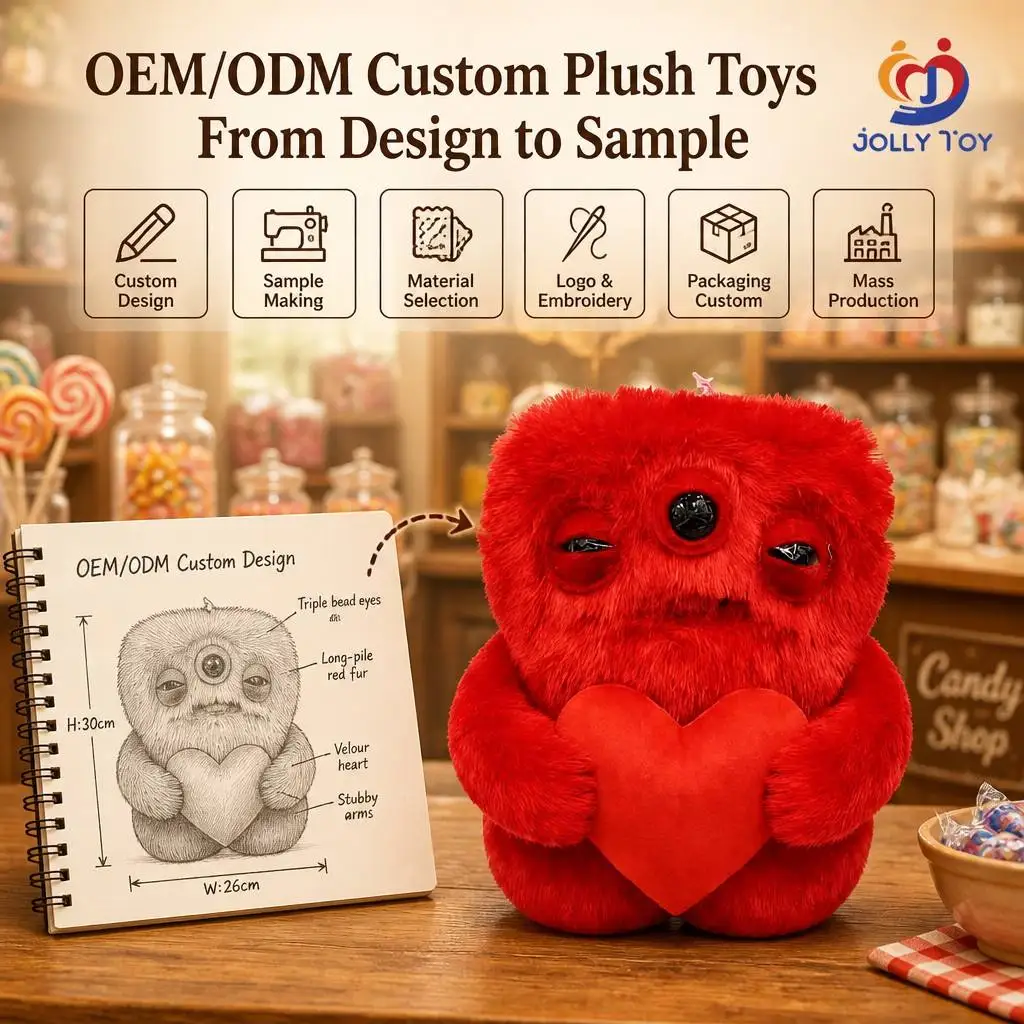
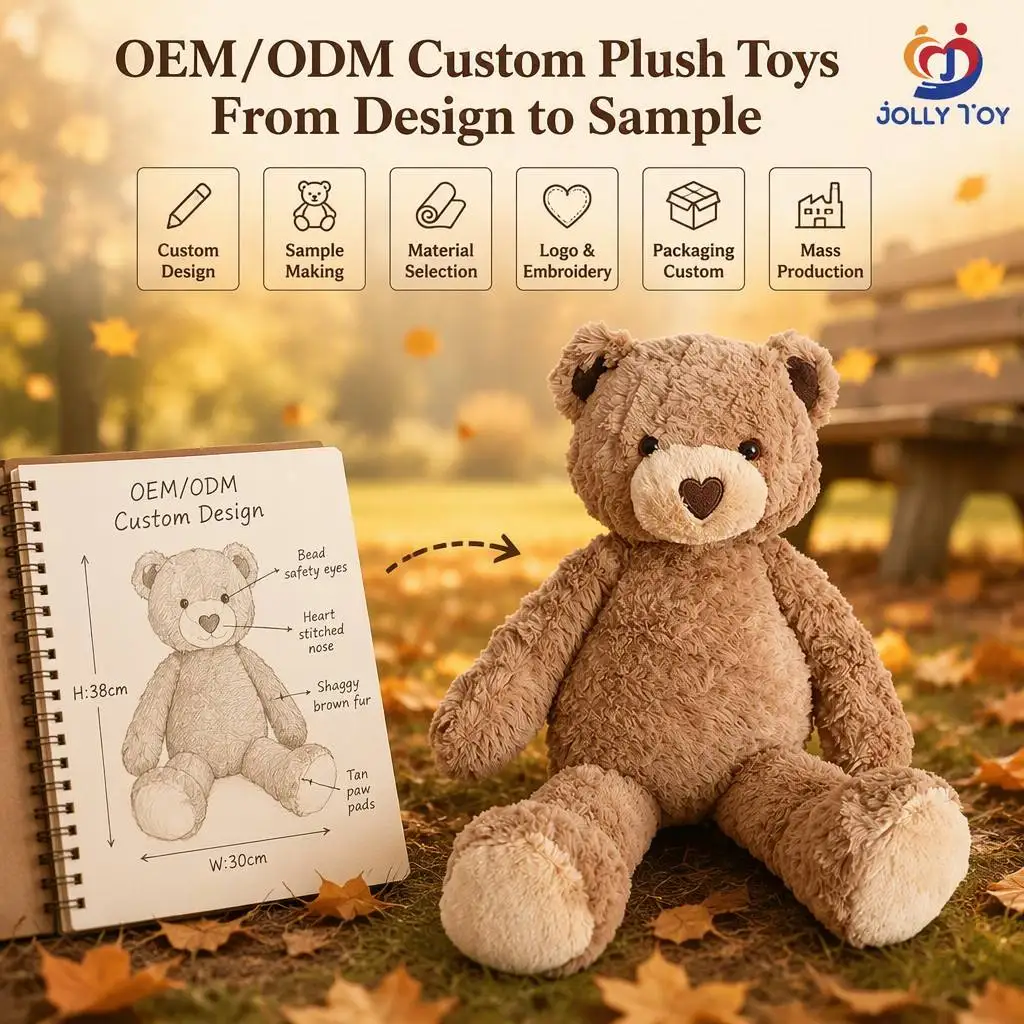
Weighted plush toys are increasingly popular in various sectors, from therapy to education and beyond. As a manufacturer with over a decade of experience, we understand the unique considerations involved in sourcing these specialized personalized plush toys. B2B buyers, including purchasing managers and product designers, often seek reliable suppliers who can meet their specific needs while ensuring quality and compliance. This article will provide key insights into sourcing, selecting, and implementing weighted plush toys effectively.
When sourcing wholesale weighted plush toys, several critical factors should be evaluated:
Material Quality: Ensure that the materials used for both the plush exterior and the internal weighting are safe and durable. Common materials include polyester for the outer fabric and glass beads or plastic pellets for the weighting. Each material has different tactile qualities and safety certifications, which are essential for compliance with industry standards.
Design and Customization: Assess whether the supplier offers customization options for shapes, sizes, and designs. Customization can enhance the product's appeal in specific markets, such as therapeutic or educational sectors.
Production Capacity and Timeline: Confirm the supplier’s annual production capacity—in this case, our facility can produce up to 800,000 pieces annually. This capacity ensures that they can meet large orders without compromising on quality. Additionally, inquire about lead times for bulk orders, as this can greatly affect your project timelines.
Certifications: Verify that the manufacturer holds relevant certifications, such as ICTI, Sedex, and BSCI. These certifications ensure compliance with safety and ethical manufacturing practices, which are increasingly important to consumers and regulatory bodies.
Quality Control Processes: Understanding the manufacturer’s quality control measures is crucial. Ask about their inspection processes, both pre-production and post-production, to ensure that the final product meets your specifications.
Selecting the right Jolly Toy weighted plush toys involves understanding the specific application and audience. Here are some key considerations:
Target Age Group: Different age groups may require specific features. For example, custom made plush toys for infants should have safety features that prevent choking hazards, while those for older children can include more complex designs.
Weight Considerations: The weight of the plush toy should align with its intended use. For therapeutic applications, the general guideline is to use a weight that is approximately 10% of the user’s body weight. This ensures that the toy provides the desired calming effect without being overly burdensome.
Functionality: Determine the primary function of the toy. Is it meant for comfort, play, or therapeutic use? This will influence the design choices, including the type of materials used and the overall shape of the toy.
Aesthetic Appeal: The design should be visually appealing to the target audience. Consider color schemes, character designs, and other aesthetic elements that can enhance marketability.
Durability and Maintenance: Evaluate how the weighted plush toys will hold up over time, especially in environments like schools or therapy centers where they may receive heavy use. Toys should be machine washable or easy to clean to maintain hygiene.
Finding trustworthy suppliers for Jolly Toy weighted plush toys involves thorough research and evaluation. Consider the following approaches:
Industry Trade Shows: Participating in toy fairs and industry-specific trade shows can help you connect with manufacturers directly. This provides an opportunity to see product samples, discuss customization options, and understand the supplier’s capabilities firsthand.
Online Marketplaces and Directories: Platforms like Alibaba or ThomasNet can connect you with manufacturers globally. Review supplier ratings and customer feedback to gauge reliability.
Networking: Leverage industry connections and networks. Recommendations from peers can lead to reputable suppliers who have been vetted through direct experiences.
Certifications and Compliance: Prioritize suppliers who are transparent about their certifications and compliance with safety standards. This will help ensure that the products meet legal requirements for your target markets.
Request Samples: Before placing a bulk order, request samples to evaluate the quality of the weighted plush toys. This allows you to assess the material, weight distribution, and overall craftsmanship.
While Jolly Toy weighted plush toys are generally straightforward to use, their application may vary based on the intended setting. Here are some guidelines to consider:
Therapeutic Use: In therapy settings, it’s essential to explain to users how to incorporate the weighted plush toy into their routine. For example, users can hold the toy during calming exercises or use it during sensory breaks to help reduce anxiety.
Educational Settings: When used in classrooms, teachers can integrate stuffed plush toys into activities that promote focus and attention. Positioning these toys in designated areas can help students utilize them as needed for self-soothing.
Home Use: For home applications, provide guidance on how and when to use the toys effectively. Families should be informed about the benefits of using weighted toys during bedtime routines to promote relaxation and sleep.
Maintenance Practices: Include care instructions that outline cleaning methods to maintain hygiene, especially in shared environments. This may include machine washability or surface cleaning recommendations.
Despite their benefits, buyers should be aware of potential issues that may arise with weighted plush toys. Here are some common problems and their solutions:
Weight Distribution: Uneven weight distribution can lead to discomfort or dissatisfaction. Ensure that the supplier employs quality control measures to verify that the weight is evenly distributed throughout the toy.
Material Wear and Tear: Over time, the exterior fabric may wear out or lose its softness. Recommend that buyers consider the durability of the outer materials when selecting plush toys, opting for higher-quality fabrics that can withstand frequent use.
Safety Concerns: Always verify that the toys meet safety standards to prevent choking hazards. This includes ensuring that any internal components are securely stitched and that the outer materials are non-toxic.
User Acceptance: Some individuals may not respond positively to the weight of plush toys. It’s important to educate users about the purpose and benefits of weighted toys and to provide options in varying weights to accommodate individual preferences.
Supply Chain Delays: As with any manufacturing process, delays can occur. Establish clear communication with suppliers about timelines and have contingency plans in place for potential delays in production or shipping.
By understanding these common challenges and having solutions ready, buyers can feel more confident in their purchasing decisions and ensure that weighted plush toys serve their intended purpose effectively.

 EN
EN
 AR
AR
 CS
CS
 DA
DA
 NL
NL
 FI
FI
 FR
FR
 DE
DE
 EL
EL
 IT
IT
 JA
JA
 KO
KO
 NO
NO
 PL
PL
 PT
PT
 RU
RU
 ES
ES
 SV
SV
 IW
IW
 UK
UK
 TR
TR
 AF
AF
 GA
GA
 IS
IS
 LA
LA