
 EN
EN
 AR
AR
 CS
CS
 DA
DA
 NL
NL
 FI
FI
 FR
FR
 DE
DE
 EL
EL
 IT
IT
 JA
JA
 KO
KO
 NO
NO
 PL
PL
 PT
PT
 RU
RU
 ES
ES
 SV
SV
 IW
IW
 UK
UK
 TR
TR
 AF
AF
 GA
GA
 IS
IS
 LA
LA
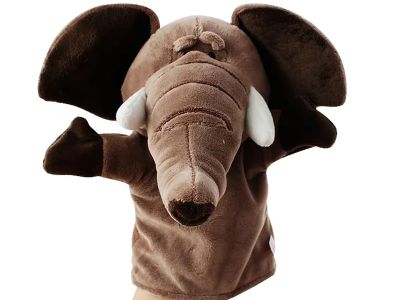
Sourcing high-volume kids' toys requires a careful approach to ensure global compliance with safety standards and regulations. B2B buyers, including purchasing managers and distributors, face unique challenges when navigating the complexities of manufacturing, quality control, and material selection. This article will provide insights into how buyers can effectively source kids toys while ensuring compliance and maintaining product quality.
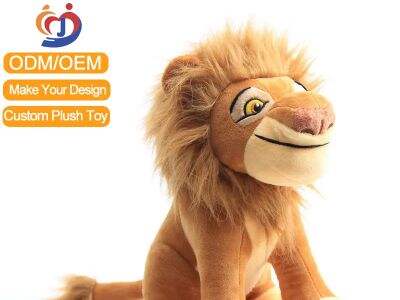
What to Look for in Reliable Suppliers of Kids Toys
When sourcing kids' toys, it is crucial to partner with suppliers who demonstrate reliability and compliance with industry standards. Buyers should prioritize manufacturers with proven experience and a solid reputation in the market. Key factors to consider include:
Certifications: Look for suppliers with certifications such as ICTI, Sedex, and BSCI. These certifications indicate adherence to ethical manufacturing practices and social compliance, which are critical for toys intended for children.
Production Capabilities: Evaluate the manufacturer's facilities and machinery. A supplier with advanced equipment for sewing, cutting, embroidery, and injection molding can offer greater flexibility and quality in production.
Experience and Track Record: A manufacturer with over ten years of experience in the industry is typically more adept at managing production challenges and meeting buyer requirements. Seek references or case studies that demonstrate their ability to deliver on time and within specifications.
Customization Options: Determine whether the supplier can accommodate custom designs and variations. This flexibility is essential for meeting specific market trends and customer preferences.
Evaluating Quality Control Processes for Kids Toy Manufacturing
Quality control is paramount in the toy industry, where safety and durability are non-negotiable. When assessing potential suppliers, buyers should inquire about their quality control processes:
Inspection Protocols: A robust quality assurance program should include multiple stages of inspection, from raw materials to finished products. Buyers should request details on the specific checks performed at each stage.
Testing Procedures: Verify that the supplier conducts compliance testing for safety standards relevant to the target markets. This may include tests for choking hazards, toxic materials, and overall durability.
Sample Approval: Before mass production, it is essential for buyers to approve a finished sample. This step helps confirm that the product meets specifications for dimensions, fit, surface appearance, and overall performance.
Understanding Material Advantages in High-Volume Toy Production
The choice of materials can significantly impact the quality, safety, and marketability of kids' toys. Buyers should familiarize themselves with the advantages of various materials:
Plush vs. Plastic: Plush toys often appeal due to their softness and tactile qualities, while plastic toys offer durability and ease of cleaning. Understanding the target audience's preferences will influence material selection.
Safety Standards: Ensure that materials used comply with local and international safety regulations. For example, phthalate-free plastics and non-toxic dyes are essential for toys designed for younger children.
Sustainability: Sustainable materials are increasingly important to consumers. Buyers should explore suppliers who offer eco-friendly options, such as recycled plastics or organic fabrics, to meet growing demand for environmentally responsible products.
How to Compare Kids Toy Products for Your Wholesale Needs
When evaluating different kids' toy products for wholesale purposes, a systematic approach can help buyers make informed decisions:
Product Specifications: Create a checklist of essential specifications, including dimensions, weight, material type, and safety features. This will facilitate direct comparisons between products.
Pricing Structure: Understand the pricing model and any volume discounts offered by suppliers. Always inquire about the minimum order quantity (MOQ) and any additional costs related to customization or packaging.
Lead Times: Confirm the supplier's lead times for production and shipping. Factors such as order complexity and current production capacity can impact delivery schedules.
Market Trends: Stay informed about current trends in the toy industry. Products that align with popular themes or educational focuses may have better market potential.
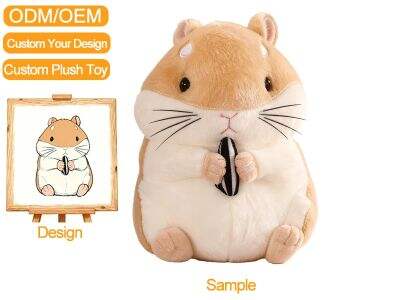
Cost Factors to Consider When Sourcing Kids Toys in Bulk
Cost is a critical factor when sourcing personalized plush toys in bulk. Buyers must consider various elements that can affect the overall price:
Material Costs: The choice of materials can significantly influence production costs. For instance, high-quality, compliant materials may incur higher upfront costs but lead to lower returns due to product failures.
Production Efficiency: Assess the manufacturer's production efficiency. Suppliers with advanced machinery and streamlined processes may offer competitive pricing due to lower labor costs and reduced waste.
Shipping and Logistics: Factor in shipping costs, especially for international orders. Buyers should discuss packaging options that minimize shipping weight and volume to reduce transportation expenses.
Payment Terms: Negotiate payment terms that align with your cash flow. Some suppliers may offer discounts for upfront payments, while others may provide credit terms for established relationships.
By focusing on these essential aspects of sourcing high-volume kids' toys, B2B buyers can ensure compliance with global standards while maintaining product quality and meeting market demands.

