
 EN
EN
 AR
AR
 CS
CS
 DA
DA
 NL
NL
 FI
FI
 FR
FR
 DE
DE
 EL
EL
 IT
IT
 JA
JA
 KO
KO
 NO
NO
 PL
PL
 PT
PT
 RU
RU
 ES
ES
 SV
SV
 IW
IW
 UK
UK
 TR
TR
 AF
AF
 GA
GA
 IS
IS
 LA
LA
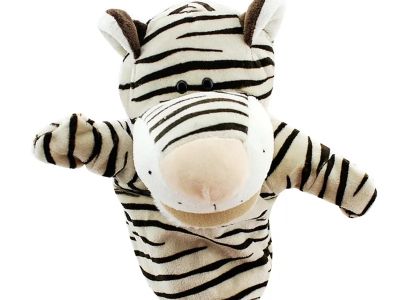
Auditing a plush toy manufacturer for safety and global compliance is an essential step for businesses looking to ensure their products meet various international standards. This process addresses buyer concerns about quality, safety, and compliance, which are critical for maintaining a trustworthy brand and satisfying regulatory requirements. We will explore key specifications for quality plush toy manufacturing processes, how to find trusted importers, understand cost factors in wholesale plush toy purchases, ensure safety and compliance, and best practices for auditing Plush Toys manufacturers.
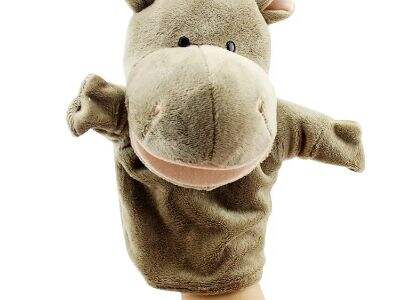
Key Specifications for Quality Plush Toy Manufacturing Processes
When evaluating a plush toy manufacturer, understanding key specifications is vital. Begin with the materials used; plush toys typically require soft, hypoallergenic fabrics such as polyester or cotton that meet safety standards. The choice of stuffing material is equally important. Manufacturers often use polyester fiberfill, which is lightweight and safe for children.
Manufacturing capabilities also play a significant role. Look for manufacturers equipped with advanced machinery for sewing, cutting, embroidery, and injection molding, as these ensure consistent quality and efficiency. For instance, an automatic sewing machine can significantly reduce stitching errors, leading to better quality control.
Additionally, certifications such as ICTI, Sedex, and BSCI validate a manufacturer’s commitment to social compliance and ethical practices. These certifications not only assure buyers of the manufacturer's operational integrity but also enhance the product’s marketability.
Where to Find Trusted Importers for Plush Toy Products
Finding reliable importers is crucial for sourcing plush toys. Start by researching industry trade shows, where importers often showcase their products and capabilities. Events like the Hong Kong Toys & Games Fair or the Nuremberg Toy Fair are excellent venues for networking and establishing connections.
Online platforms such as Alibaba or ThomasNet can also provide directories of verified importers. Look for those with a solid reputation and positive reviews. Additionally, reaching out to trade associations, such as the Toy Industry Association (TIA), can help you find reputable importers who prioritize compliance and quality.
Understanding Cost Factors in Wholesale Plush Toy Purchases
Cost factors in plush toy purchases can vary widely based on several elements. The choice of materials is the first consideration; higher-quality fabrics and fillings will increase production costs. Additionally, custom designs may require specialized machinery and labor, further impacting pricing.
Minimum Order Quantity (MOQ) is another critical factor. Many manufacturers set an MOQ to ensure production efficiency, which can range from a few hundred to thousands of pieces. Understanding this can help you budget appropriately and avoid unexpected costs.
Other factors include production lead times, shipping costs, and any applicable tariffs or duties for imported goods. It's wise to ask potential suppliers for detailed quotes that outline all costs involved, allowing for a clearer comparison between different manufacturers.
Ensuring Safety and Compliance
Safety and compliance are non-negotiable in plush toy manufacturing. Buyers should ensure that products comply with relevant safety standards, such as ASTM F963 (USA), EN71 (Europe), and ISO 8124 (international). These standards cover various aspects, including flammability, choking hazards, and chemical safety.
During the audit, verify that the manufacturer conducts regular safety testing through accredited third-party labs. Request documentation proving compliance with these standards. Additionally, inquire about the manufacturer's quality control processes, such as regular inspections and testing protocols during production.
It's also essential to assess the materials used in production. Ensure that fabrics and fillings are free from harmful substances like lead, phthalates, and formaldehyde. Manufacturers should provide Material Safety Data Sheets (MSDS) for all materials used, confirming their safety for children.
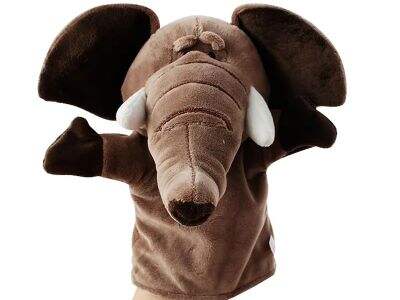
Best Practices for Auditing Plush Toy Manufacturers for Compliance
When auditing a plush toy backpack manufacturer, follow these best practices to ensure thorough evaluation:
Review Certifications and Compliance Documentation: Request copies of all relevant certifications (e. g., ICTI, Sedex, BSCI) and compliance documentation related to safety standards.
Conduct On-Site Inspections: If possible, visit the manufacturing facility. This allows you to assess production processes, machinery, and overall working conditions firsthand.
Verify Quality Control Processes: Inquire about the manufacturer’s quality assurance practices. Ask how they handle defects and what measures are in place to prevent issues during production.
Evaluate Past Performance: Request references or case studies from other clients to understand their experiences with the manufacturer. This can provide insight into reliability and product quality.
Examine Product Samples: Before placing large orders, review product samples to assess quality, safety, and compliance with specifications. Ensure that samples are tested under conditions similar to their intended use.
By following these practices, buyers can confidently audit plush toy manufacturers, ensuring that they meet safety and compliance standards necessary for successful market entry.

