
 EN
EN
 AR
AR
 CS
CS
 DA
DA
 NL
NL
 FI
FI
 FR
FR
 DE
DE
 EL
EL
 IT
IT
 JA
JA
 KO
KO
 NO
NO
 PL
PL
 PT
PT
 RU
RU
 ES
ES
 SV
SV
 IW
IW
 UK
UK
 TR
TR
 AF
AF
 GA
GA
 IS
IS
 LA
LA
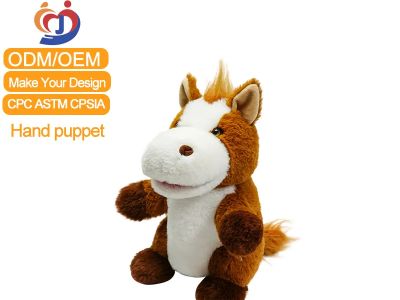
Evaluating an Original Equipment Manufacturer (OEM) toy manufacturer for global safety compliance is crucial for businesses seeking to ensure their products meet regulatory standards and consumer expectations. With the rising concerns regarding soft toys safety, purchasing managers and product managers need to navigate this landscape carefully. This article will guide you through the evaluation process, covering essential factors such as quality control measures, reliable supplier sourcing, safety certifications, and cost considerations, all aimed at helping you make informed decisions in your procurement process.
How to Compare OEM Toy Manufacturers for Global Safety Compliance?
When assessing OEM toy manufacturers, it's important to establish a set of criteria that reflects your specific needs and the regulatory requirements of the markets you serve. Start by comparing manufacturers based on their safety compliance records and certifications. A robust manufacturer should hold certifications such as ICTI, Sedex, and BSCI, which indicate adherence to ethical, social, and safety standards.
Additionally, consider the manufacturer's experience and track record in producing toys that comply with global safety regulations. Look for case studies or references that demonstrate their ability to consistently deliver compliant products. A manufacturer with a proven history in your specific toy category can provide added assurance.
Lastly, evaluate their production capabilities and capacity. A manufacturer with advanced machinery and a high annual production capacity can better manage large orders while maintaining quality and compliance. Make sure to inquire about their processes for quality assurance, as these are critical in preventing non-compliance issues.
Understanding Quality Control Measures in Toy Manufacturing
Quality control (QC) is a vital component in toy manufacturing, as it directly impacts safety compliance. Effective QC measures should start at the design phase and continue through production to shipment. First, ensure that the manufacturer employs rigorous material inspections, as the choice of materials can influence a plush toy safety and durability.
Additionally, examine their testing protocols. Manufacturers should conduct regular safety tests, including mechanical and physical tests, flammability tests, and chemical tests to ensure compliance with standards like EN71 or ASTM F963. Understanding their testing frequency and the standards they adhere to can help you gauge their commitment to safety.
Another important aspect is the traceability of components. A reliable manufacturer should maintain detailed records of material sourcing and production processes, allowing for quick identification of any compliance issues that may arise post-production. This can be especially crucial in the event of a product recall.
Where to Find Reliable OEM Toy Suppliers for Your Needs?
Finding reliable OEM toy suppliers requires a strategic approach. Start by leveraging industry networks, trade shows, and online platforms dedicated to manufacturing. Websites such as Alibaba or ThomasNet can provide access to a wide range of manufacturers, but due diligence is necessary.
Look for suppliers with positive reviews and testimonials from previous clients. Contacting references directly can provide insights into their reliability, communication, and adherence to deadlines. Additionally, consider reaching out to industry associations, as they often have member directories that include vetted manufacturers.
Another effective method is to work with sourcing agents or consultants who specialize in the toy industry. They can help identify suppliers with the necessary certifications and experience while also assisting in negotiations and quality assurance processes.
What to Look for in Safety Certifications from Toy Manufacturers?
Safety certifications are a critical aspect of evaluating OEM toy manufacturers. Key certifications to look for include ICTI, which emphasizes ethical manufacturing practices; BSCI, which focuses on social compliance; and specific safety standards like EN71 or ASTM F963, which pertain to kids toys safety in various regions.
When reviewing certifications, verify their validity and the manufacturer's compliance history. Certification bodies often publish lists of compliant manufacturers, which can serve as a reliable resource. Additionally, inquire about the certification process and the frequency of renewal; a manufacturer that undergoes regular audits demonstrates a commitment to maintaining compliance.
It's also wise to ask about the manufacturer's internal quality control and testing processes that align with these certifications. A comprehensive understanding of their compliance protocols will help you gauge their reliability and commitment to safety.
How Cost Factors Influence Your Choice of Toy Manufacturers?
Cost is a significant factor when evaluating OEM toy manufacturers, but it should not be the sole criterion. Start by understanding the total cost of ownership, which includes not just the unit price but also potential costs associated with safety compliance, quality control, and shipping.
Lower unit prices may appeal to your budget, but they may indicate compromises in quality or compliance. Always consider the manufacturer's reputation for delivering compliant products. A slightly higher upfront cost may save you from costly recalls or compliance issues later on.
Additionally, evaluate the manufacturer's minimum order quantities (MOQ) and lead times. A supplier that offers flexible MOQs may allow for better cash flow management, while a manufacturer with shorter lead times can help you react quickly to market demands.
Finally, factor in the value-added services a manufacturer may provide, such as design assistance or custom packaging solutions. These services can enhance product appeal and streamline your supply chain, potentially offsetting the initial cost differences.
By carefully evaluating these considerations, you can make a well-informed decision when selecting an OEM toy manufacturer that aligns with your company's safety compliance and quality assurance goals.
Table of Contents
- How to Compare OEM Toy Manufacturers for Global Safety Compliance?
- Understanding Quality Control Measures in Toy Manufacturing
- Where to Find Reliable OEM Toy Suppliers for Your Needs?
- What to Look for in Safety Certifications from Toy Manufacturers?
- How Cost Factors Influence Your Choice of Toy Manufacturers?

