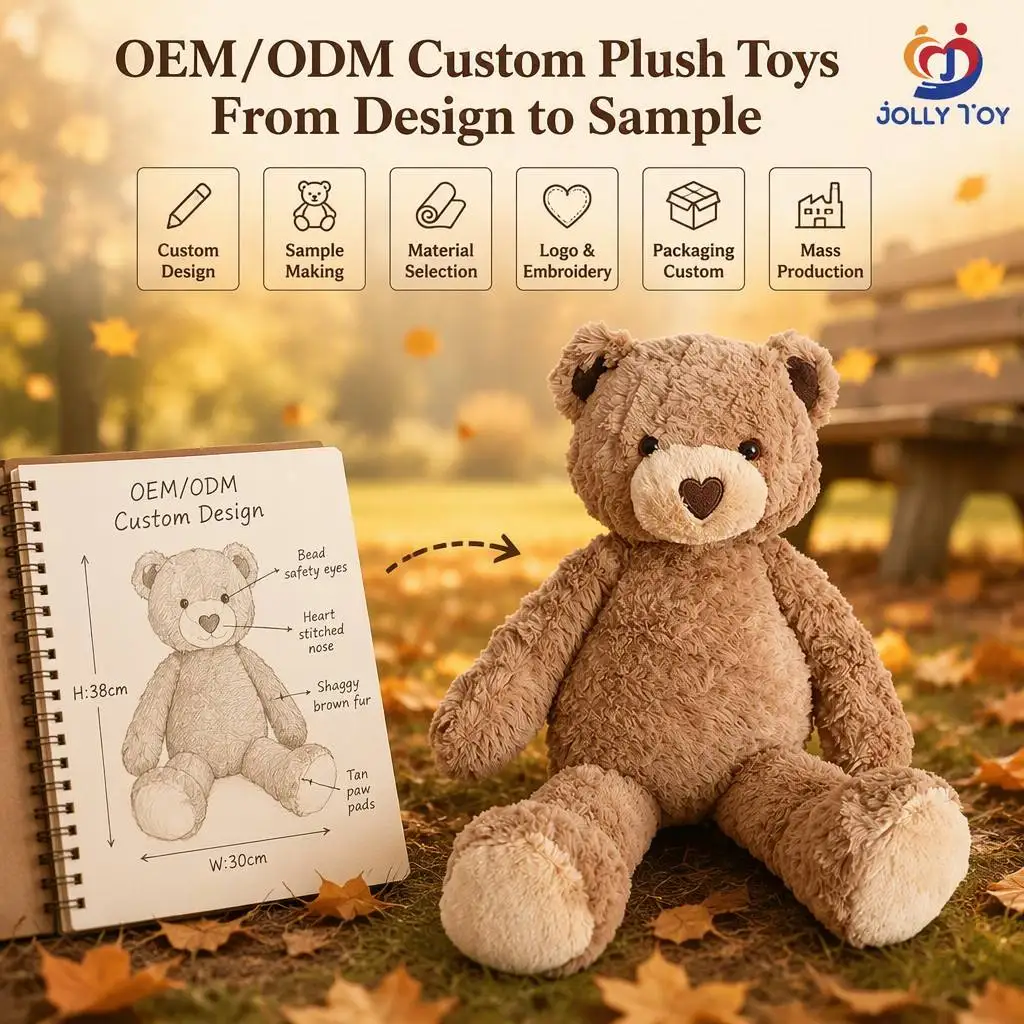
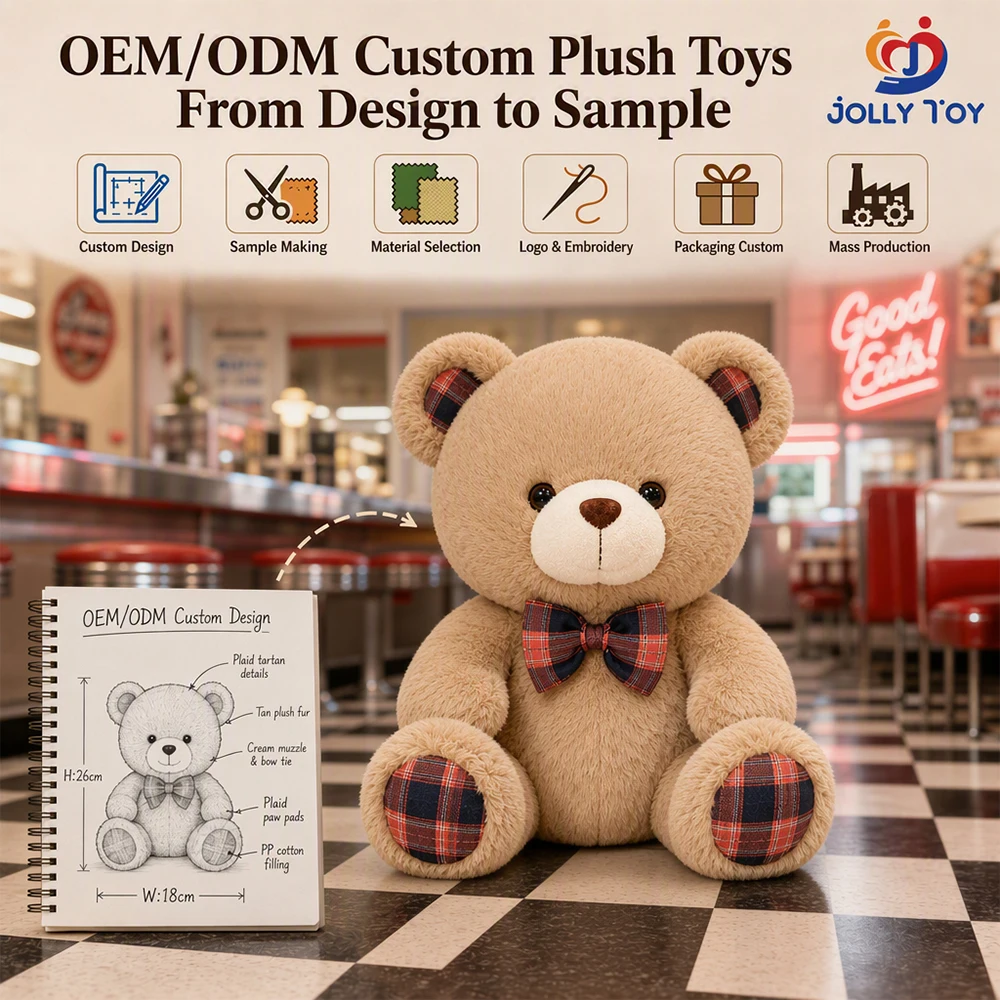
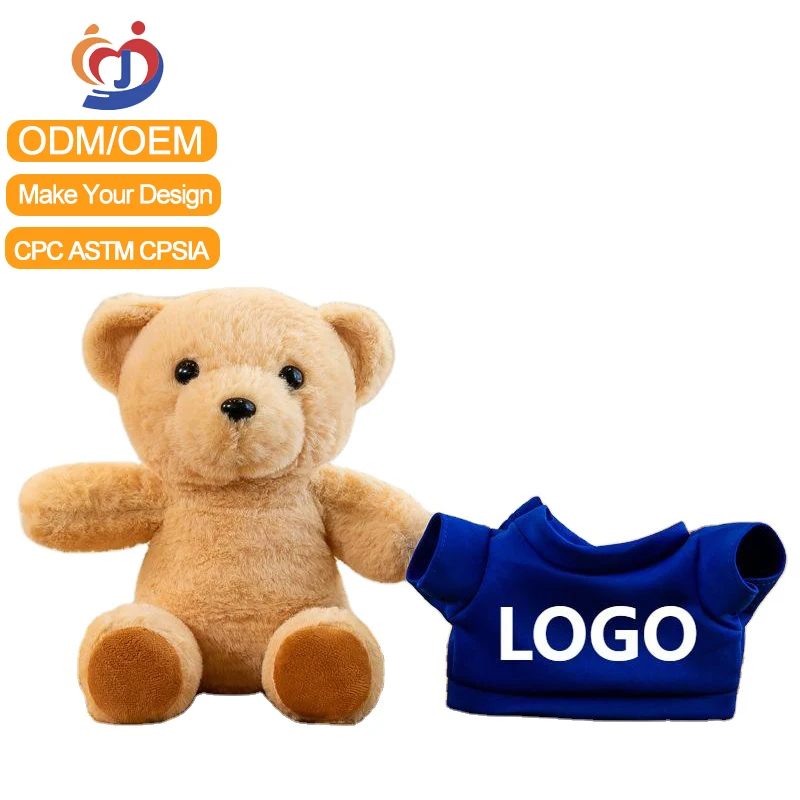
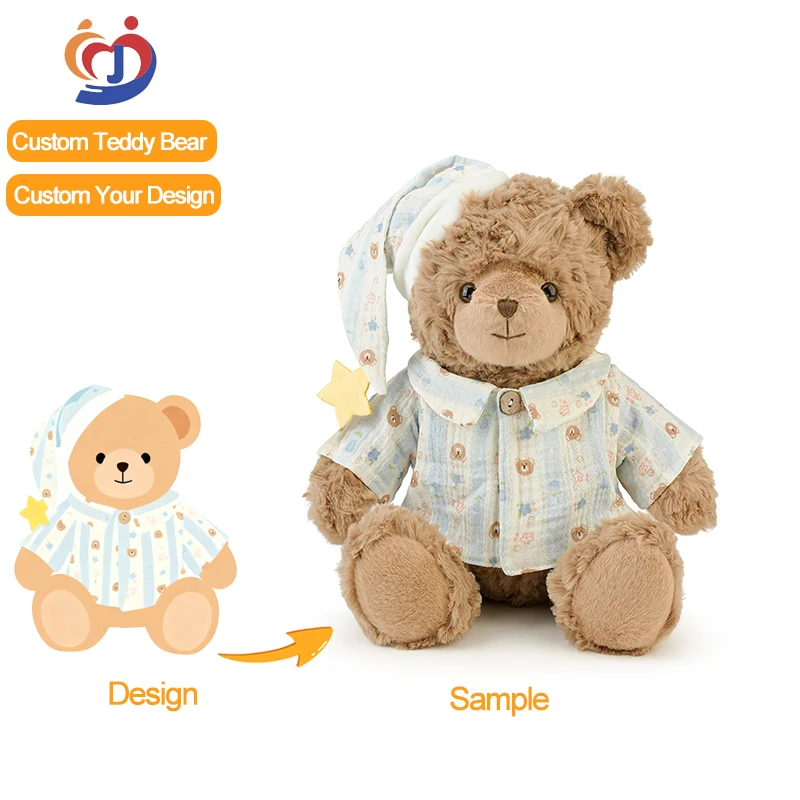
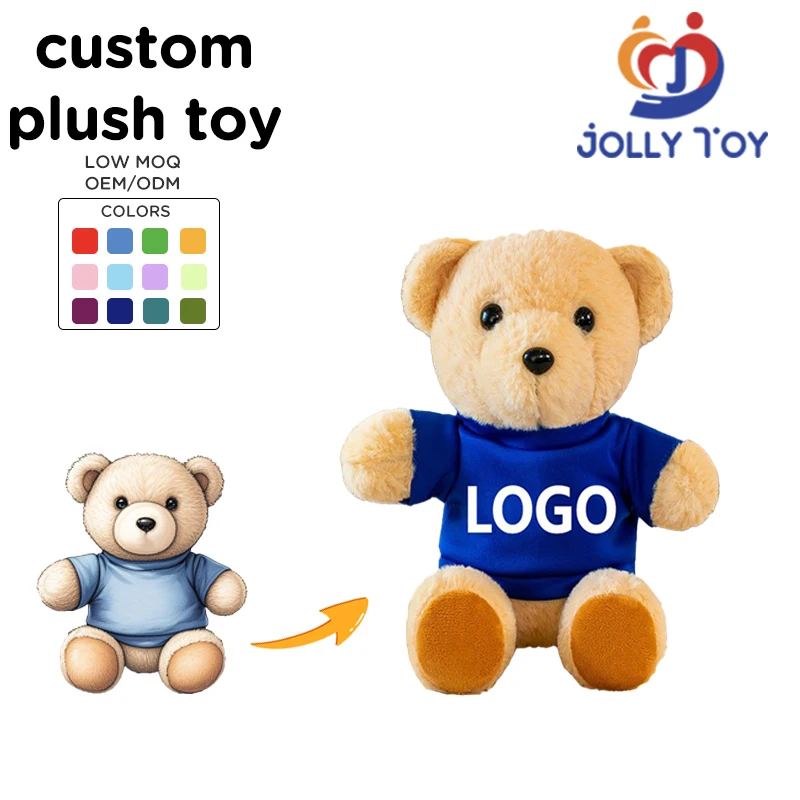
Custom pet teddies offer a unique blend of comfort and companionship for pets, designed to cater to their specific needs and preferences. As a B2B buyer, understanding the nuances of custom made teddy bear manufacturing is essential for making informed purchasing decisions. This article will explore key specifications, quality control measures, supplier reliability, market trends, and installation guidance for custom pet teddies, ensuring you have the comprehensive knowledge needed to select the best products for your business.
When considering custom pet teddies, several key specifications should be evaluated to ensure the final product meets your brand's quality and safety standards
Materials: The choice of materials is crucial for both durability and safety. Look for non-toxic, hypoallergenic fabrics that are soft yet robust enough to withstand pet play. Common materials include polyester plush and cotton blends, which provide comfort while being easy to clean
Dimensions and Weight: Customization allows you to specify dimensions and weight. Consider the size of the intended pet; larger breeds may require sturdier, larger teddies, while smaller breeds might prefer lightweight options
Design Features: Evaluate the design aspects, such as the presence of removable stuffing or special compartments for scents. These features enhance the appeal and functionality of the teddies
Customization Options: Your manufacturing partner should offer a range of customization options, including color variations, embroidery, and special designs that reflect your brand identity
Compliance Standards: Ensure that the products meet relevant safety regulations, such as those set by organizations like ASTM and EN71, which govern toy safety standards
Understanding these specifications will help you select a manufacturer that can produce personalized stuffed toy teddies tailored to your customer base while ensuring compliance and safety.
Quality control is a vital aspect of custom pet teddy production, ensuring that each product meets the established safety and quality standards
Material Inspection: Before production begins, raw materials undergo rigorous inspection for quality and safety compliance. This includes checking for harmful substances and ensuring the materials meet specified standards
In-Process Quality Checks: Throughout the manufacturing process, regular inspections are conducted at various stages, such as sewing, stuffing, and final assembly. This helps identify any defects early on, reducing the likelihood of faulty products reaching the market
Final Product Testing: After production, a sample batch of custom pet teddies is tested for durability, safety, and compliance with industry standards. This may involve stress tests, wash tests, and safety assessments to ensure that the toys can withstand typical use
Certification Audits: Partnering with a manufacturer that holds certifications like ICTI, Sedex, and BSCI ensures that they adhere to ethical manufacturing practices and high-quality standards. These certifications indicate a commitment to quality and social responsibility
By prioritizing these quality control measures, you can mitigate risks associated with product recalls or customer dissatisfaction, ensuring that the custom pet teddies you offer are safe and reliable.
Finding a reliable supplier for bulk custom pet teddies involves thorough research and evaluation. Here are some strategies to identify trustworthy manufacturers:
Industry Trade Shows and Exhibitions: Attending industry events can connect you with established manufacturers specializing in plush toys. These events allow you to see products firsthand and engage directly with suppliers
Online B2B Platforms: Websites like Alibaba, ThomasNet, and Global Sources are valuable resources for finding manufacturers. Look for suppliers with verified ratings, customer reviews, and documented experience in producing custom pet teddies
Networking: Leverage industry connections or join professional groups on platforms like LinkedIn. Engaging with peers can provide recommendations and insights into reputable suppliers
Request for Proposals (RFPs): Send out RFPs to multiple manufacturers, outlining your specific needs, including materials, production capacity, and lead time. Evaluate responses based on their ability to meet your requirements and communicate effectively
Trial Orders: Before committing to a large order, consider placing a small trial order to assess the quality of the products, responsiveness of the manufacturer, and delivery timelines
By employing these strategies, you can find a reliable supplier that aligns with your business goals and quality expectations for custom pet teddies.
Custom pet teddies have gained traction in various retail segments, driven by trends focused on pet comfort and personalization. Understanding these applications can help you position your products effectively in the market
Pet Retail Stores: Custom pet teddies are increasingly popular in pet retail stores as they cater to pet owners looking for unique and tailored products. Retailers can leverage the customization aspect to attract customers seeking gifts for their pets
Online Marketplaces: E-commerce platforms provide a broader reach, allowing retailers to showcase custom pet teddies in various designs and styles. This trend is supported by the growing online shopping habits of pet owners
Corporate Gifting: Businesses are utilizing custom pet teddies as promotional items for pet-related events or corporate gifting. These items not only enhance brand visibility but also resonate with pet-loving consumers
Themed Collections: Seasonal and themed collections, such as holiday-themed teddies or those representing popular trends, can drive sales and attract diverse customer demographics
Sustainability Focus: Increasing consumer interest in eco-friendly Plush Toys has led to a demand for sustainably sourced materials in pet teddies. Retailers can capitalize on this trend by offering eco-conscious options that appeal to environmentally aware consumers
Staying informed about these applications and market trends will help you tailor your offerings and marketing strategies effectively, ensuring alignment with consumer preferences.
For B2B buyers purchasing custom pet teddies in wholesale, understanding installation and setup processes is crucial for smooth operations. Here are key considerations:
Packaging Requirements: Ensure that the packaging is designed for bulk shipping while protecting the integrity of each teddy. Consider using eco-friendly packing materials that align with consumer preferences for sustainability
Labeling Compliance: All products should be labeled according to legal requirements, including safety warnings, material content, and any relevant certifications. Clear labeling helps ensure compliance and provides essential information to consumers
Inventory Management: Implement a robust inventory management system to track stock levels of custom pet teddies. This system should provide insights into sales patterns, helping you make informed decisions about reordering and managing bulk supplies
Display Solutions: If you plan to showcase custom pet teddies in-store, consider display solutions that highlight the unique features of each product. Use point-of-purchase displays to attract customer attention and encourage sales
Staff Training: Train your sales staff on the features and benefits of custom pet teddies, equipping them to effectively engage with customers and address any queries. Knowledgeable staff can significantly enhance customer experience
By following these installation guidelines, you can ensure a seamless process from order placement to in-store merchandising, ultimately resulting in increased customer satisfaction and sales.

 EN
EN
 AR
AR
 CS
CS
 DA
DA
 NL
NL
 FI
FI
 FR
FR
 DE
DE
 EL
EL
 IT
IT
 JA
JA
 KO
KO
 NO
NO
 PL
PL
 PT
PT
 RU
RU
 ES
ES
 SV
SV
 IW
IW
 UK
UK
 TR
TR
 AF
AF
 GA
GA
 IS
IS
 LA
LA