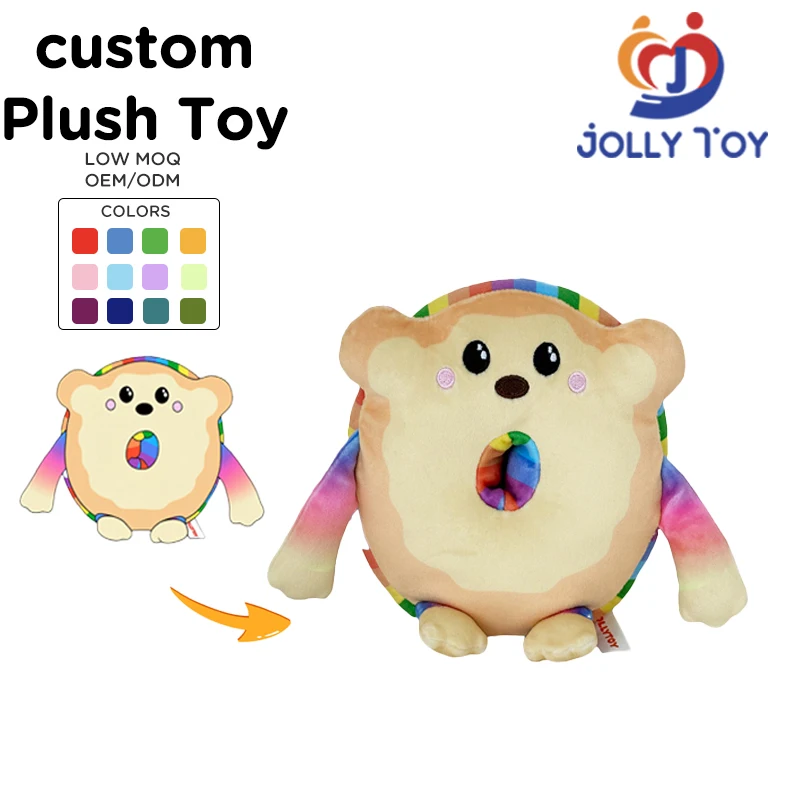
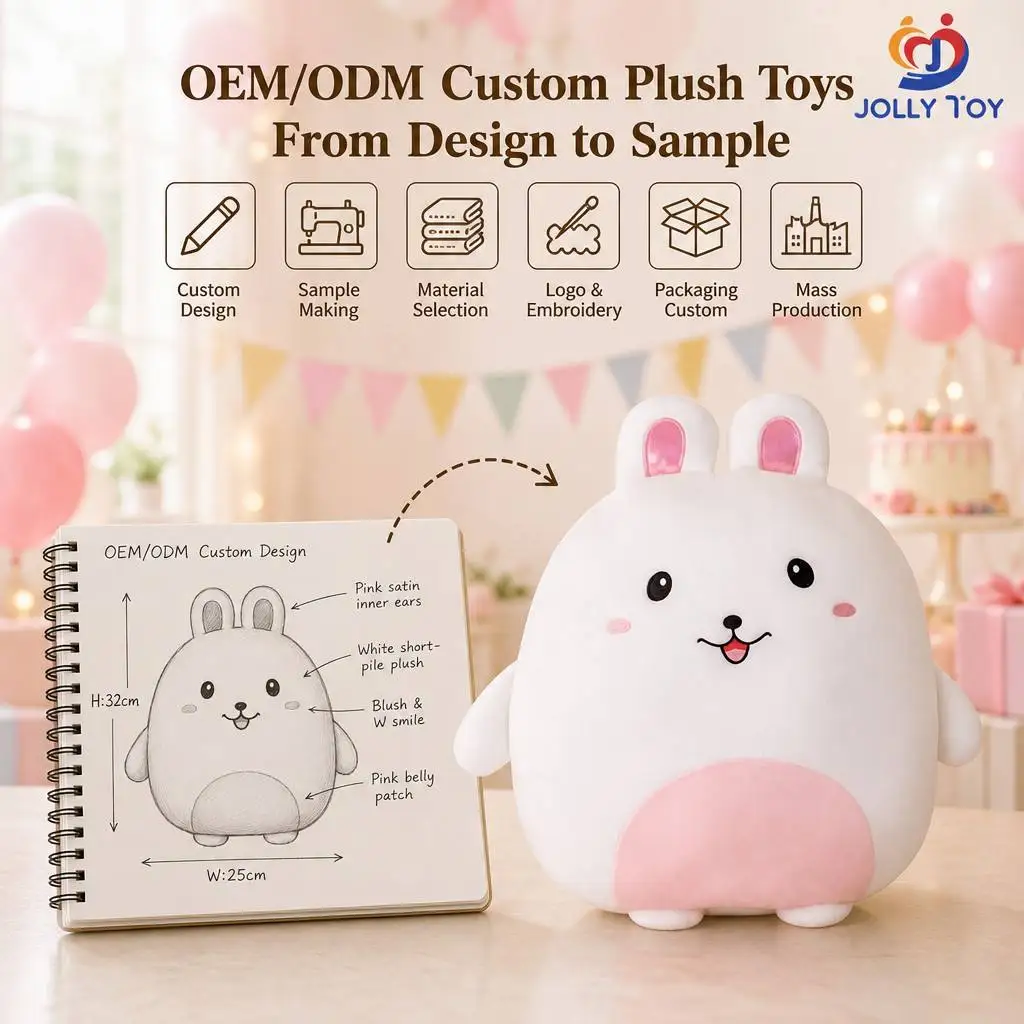
In the realm of toy manufacturing, sourcing from reliable suppliers is crucial for businesses looking to ensure quality and compliance. This article will examine key considerations for engaging with toy manufacturing companies, focusing on plush and plastic toys. As a purchasing manager or product manager, your primary concerns likely include quality assurance, customization capabilities, production capacity, and compliance with industry standards. Through this guide, you will gain insights into evaluating manufacturers, addressing common sourcing challenges, and understanding the applications of Jolly Toy keychain plush toy in retail.
When considering toy manufacturing companies, it’s essential to start with a clear understanding of your needs. This includes defining the type of toys required (plush or plastic), the target market, and the desired features. Begin by evaluating potential suppliers based on their experience and capabilities.
Key factors to consider include:
Manufacturing Experience: Look for companies with a proven track record in the plush toy keychain. A manufacturer with over ten years of experience, like our facility, can bring valuable insights into design and production.
Production Capacities: Assess the production capacity of the manufacturer. For instance, our facility can produce up to 800,000 toys annually, providing the scalability needed for larger orders.
Certifications: Ensure the manufacturer holds relevant certifications such as ICTI, Sedex, and BSCI. These certifications indicate adherence to quality and social compliance standards.
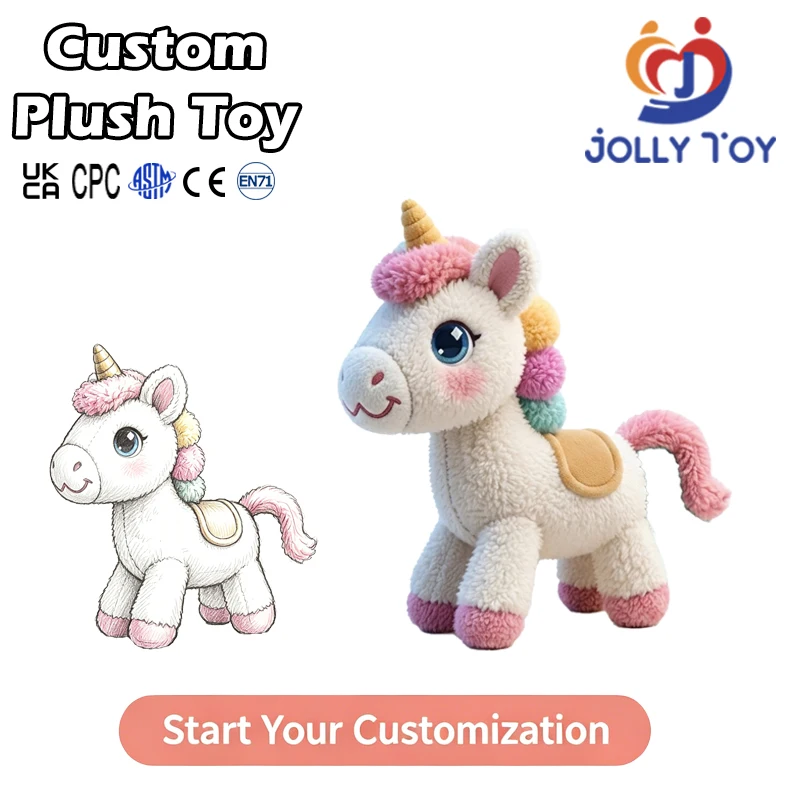
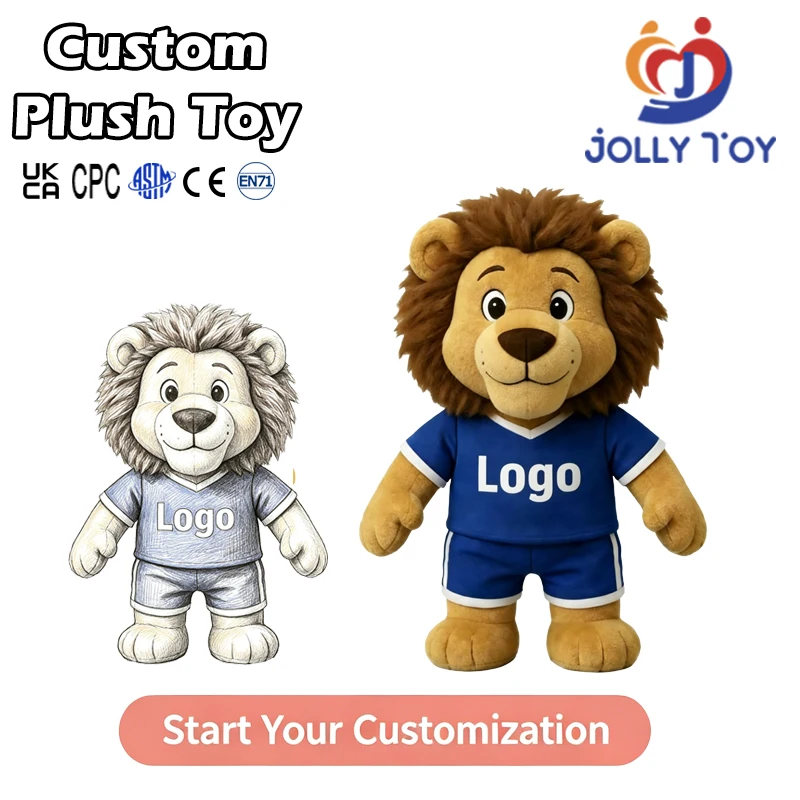
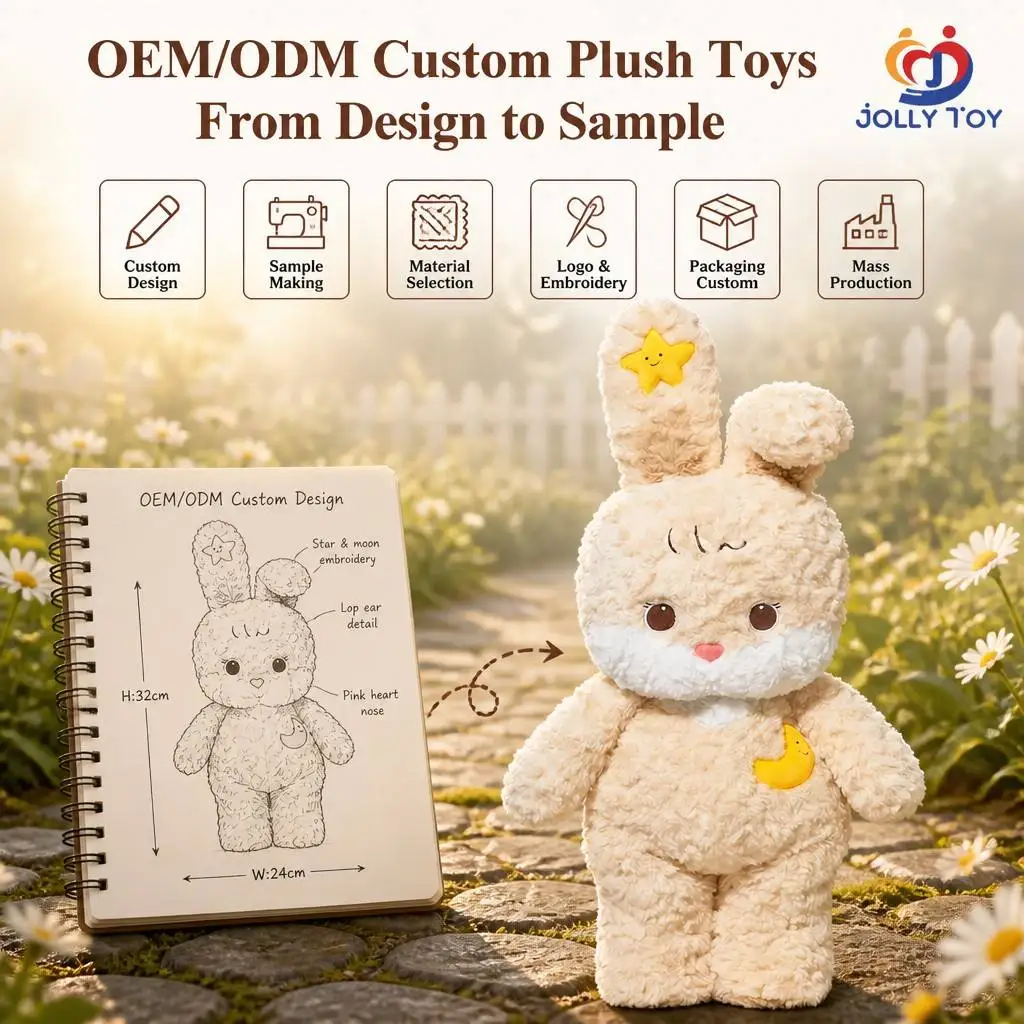
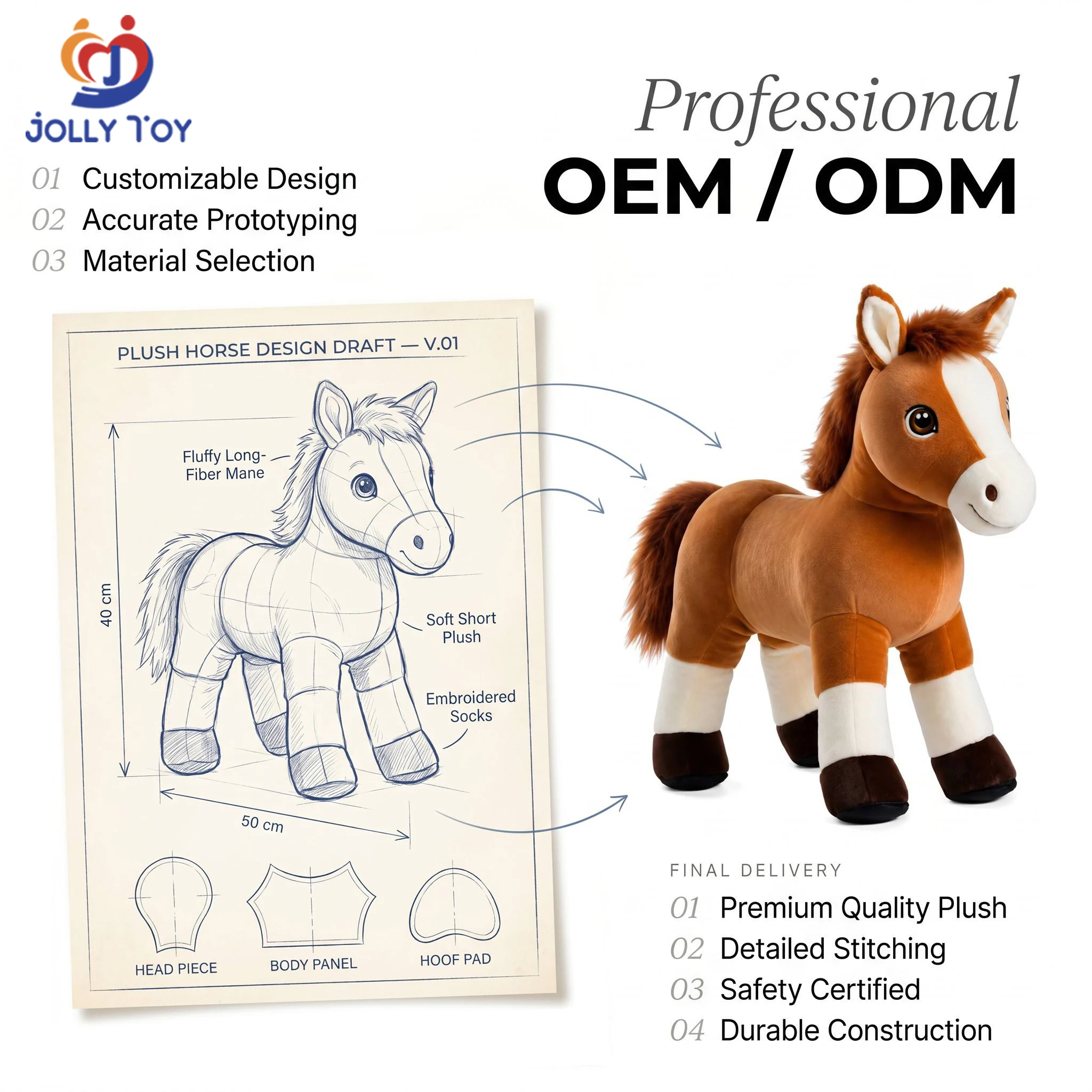
Customization Options: Discuss the possibilities for customization to meet your specific design and branding needs. A capable manufacturer should be able to adapt their processes to create unique products.
Quality Control Processes: Inquire about the quality assurance measures in place. Effective quality control can prevent defects and ensure that the final products meet your specifications.
By focusing on these key areas, you can streamline your sourcing process and find a manufacturer that aligns with your business objectives.
Evaluating the quality of toys is essential to ensure they meet safety standards and customer expectations. Here are practical steps to assess toy quality from manufacturers:
Material Selection: Confirm the materials used in production. Plush toys should use non-toxic fabrics and safe stuffing, while plastic toys should be made from high-quality, durable plastics. Ask for material specifications and safety certifications.
Sample Approval: Before committing to a full order, request samples. This allows you to inspect the toys for quality, design, and safety. Pay attention to stitching, seams, and overall craftsmanship.
Testing Compliance: Ensure that the toys comply with relevant safety regulations, such as ASTM F963 or EN71. A reputable manufacturer will provide documentation of safety tests.
Inspection Processes: Inquire about the manufacturer's inspection processes. Regular quality checks during production can help catch issues early.
By following these steps, you can ensure that the personalized stuffed toy sourced from manufacturers meet both quality and compliance standards.
Sourcing toys can present various challenges. Understanding these common problems and their solutions can improve your sourcing experience:
Quality Inconsistency: Variability in production quality can arise from inconsistent materials or manufacturing processes. To combat this, establish clear quality standards and conduct regular audits of the manufacturing process.
Communication Barriers: Miscommunication regarding specifications can lead to unsatisfactory products. Maintain open lines of communication and use detailed technical drawings or specifications to minimize misunderstandings.
Lead Time Delays: Production delays can affect your supply chain. Discuss lead times upfront and consider including buffer time in your project timelines to accommodate potential delays.
Compliance Issues: Non-compliance with safety regulations can lead to costly recalls. Ensure that your manufacturer has a thorough understanding of compliance requirements and that they conduct regular testing.
Customization Challenges: Custom designs can sometimes face manufacturing hurdles. Work closely with the manufacturer during the design phase to ensure feasibility and address any potential issues early.
By proactively addressing these problems, you can mitigate risks and enhance the efficiency of your sourcing efforts.
When integrating Jolly Toy plush and plastic toys into projects, proper installation is crucial to ensure safety and functionality. Here are some installation guidelines:
Placement Considerations: Assess the intended location for the toys. Ensure surfaces are clean, dry, and appropriate for the toy's materials. For plush toys, consider their exposure to moisture and direct sunlight, which can degrade materials.
Secure Attachment: For projects involving display or installation of larger toys, ensure they are securely attached to prevent tipping or falling. Use anchors or appropriate mounting methods based on the toy's weight.
Safety Checks: Conduct safety checks post-installation. Ensure that all toys are securely positioned and that there are no sharp edges or loose components.
Maintenance Guidelines: Provide guidelines for maintaining the toys. Plush toys may require periodic washing, while plastic toys should be cleaned with non-abrasive materials to avoid scratches.
By following these installation guidelines, you can enhance the safety and longevity of custom plush toy maker in your projects.
Plush and plastic toys have diverse applications in the retail sector. Understanding these applications can help you tailor your offerings to meet market demand:
Promotional Items: Retailers often use plush toys as promotional giveaways due to their appeal to children and collectors. Custom branding options can enhance visibility and customer engagement.
Educational Tools: Educational toys that combine fun with learning are increasingly popular. Plastic toys can be designed to promote cognitive skills, while Jolly Toy plush toys can be used in storytelling to enhance imagination.
Themed Merchandise: Collaborations with popular media franchises can drive sales. Retailers can leverage plush and plastic toys to create themed merchandise that attracts fans and collectors.
Seasonal Products: Seasonal events like holidays often see increased demand for themed toys. Understanding market trends can help in planning production runs to align with these peaks.
In-store Displays: Creative display ideas can enhance product visibility. Consider using eye-catching arrangements or interactive displays to draw attention to plush and plastic toys.
By recognizing these applications, retailers can better position their products to meet consumer expectations and capitalize on market trends.

 EN
 AR
 CS
 DA
 NL
 FI
 FR
 DE
 EL
 IT
 JA
 KO
 NO
 PL
 PT
 RU
 ES
 SV
 IW
 UK
 TR
 AF
 GA
 IS
 LA