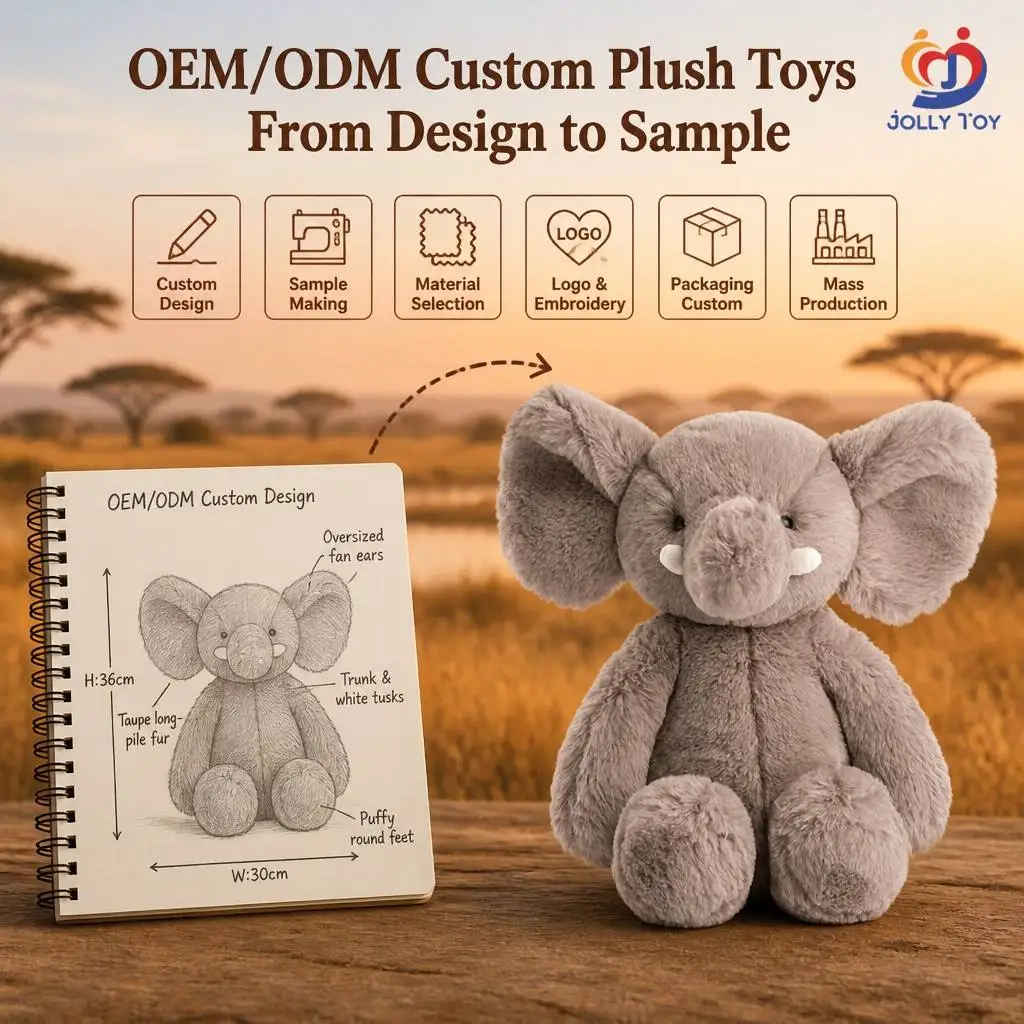
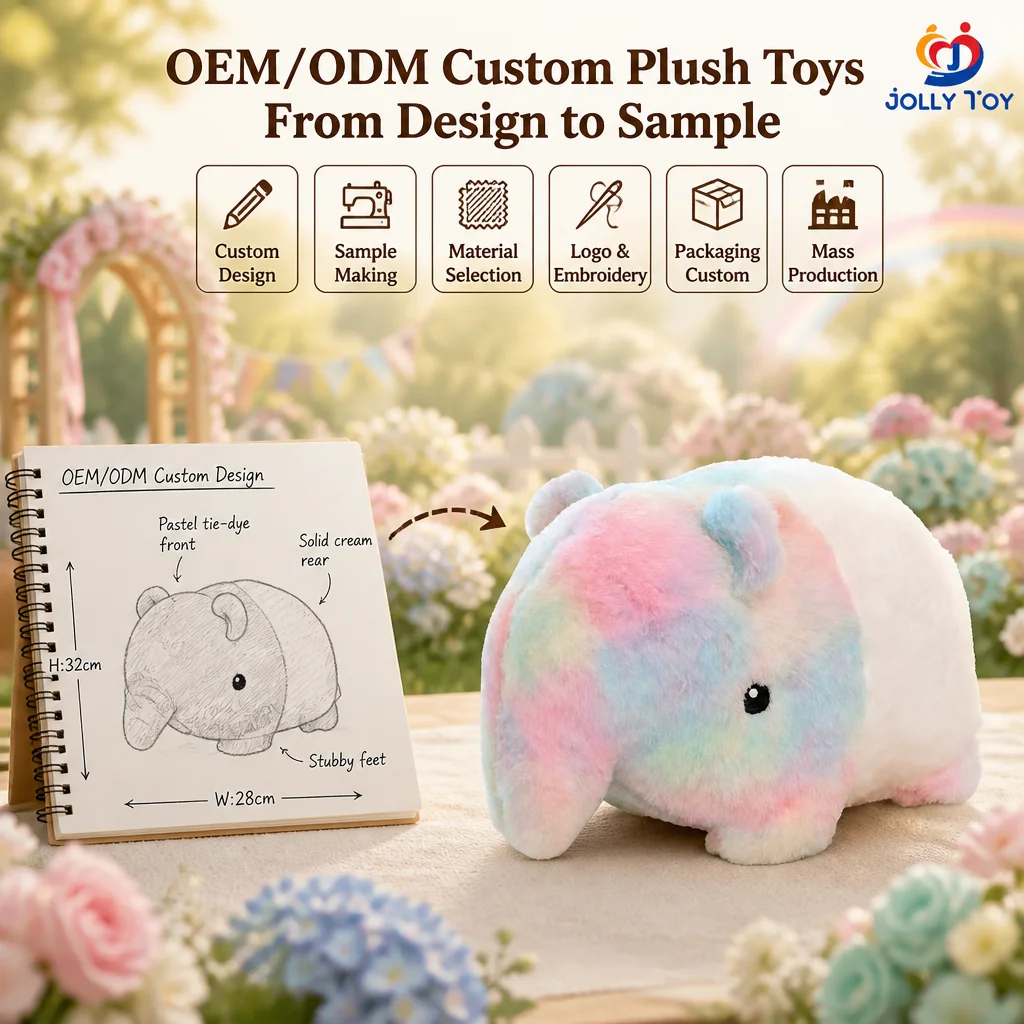
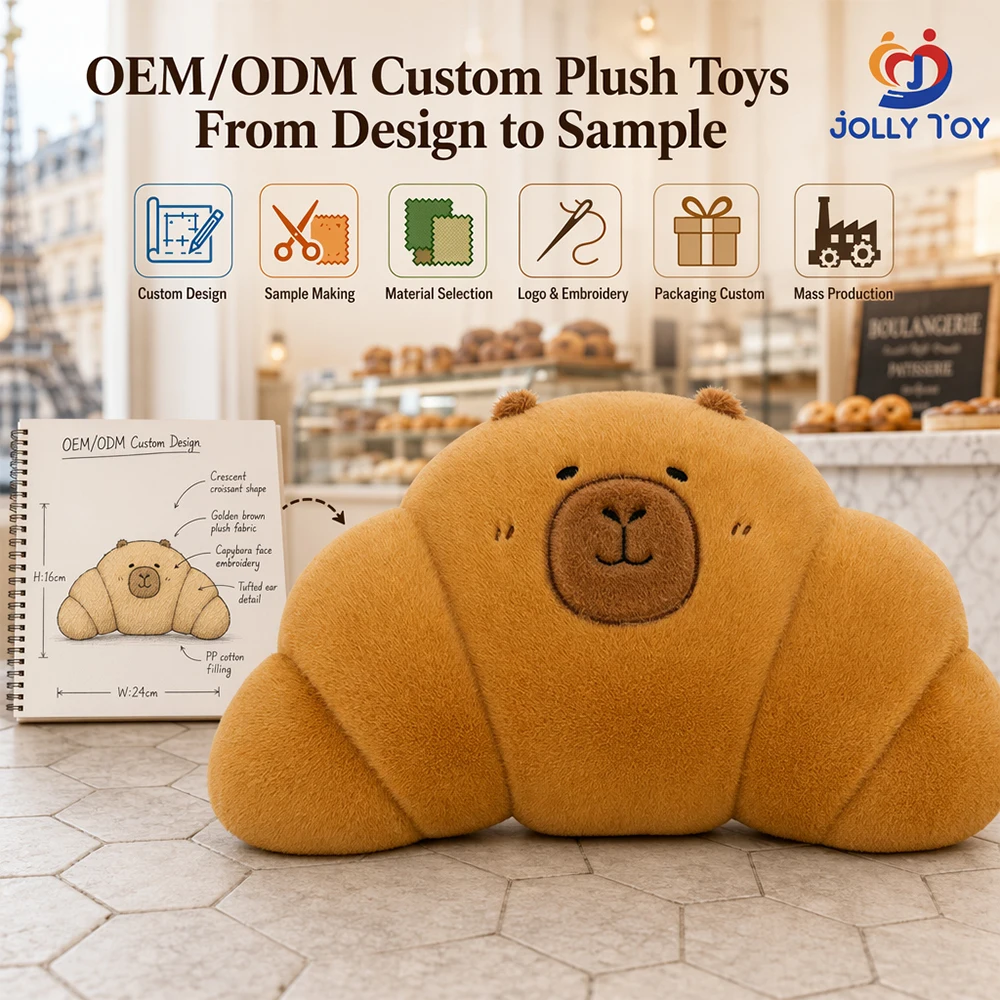
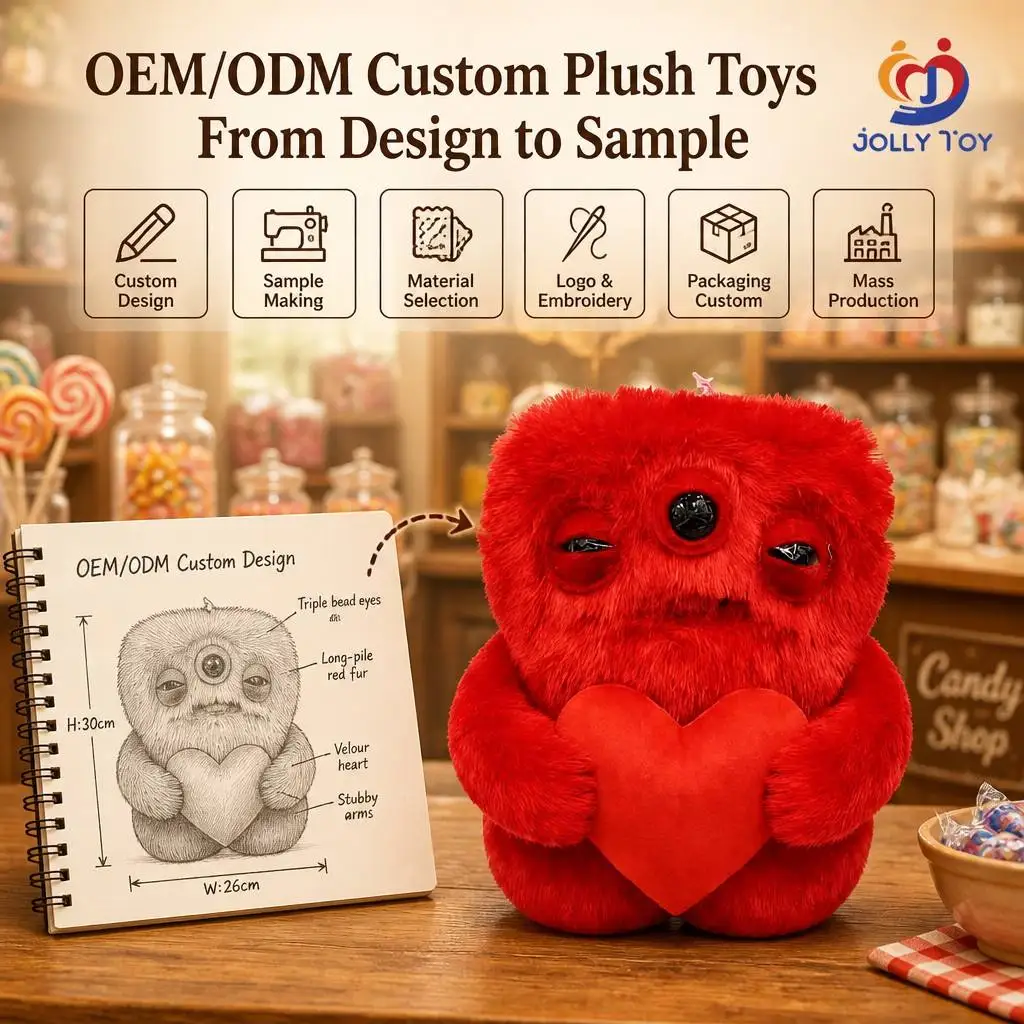
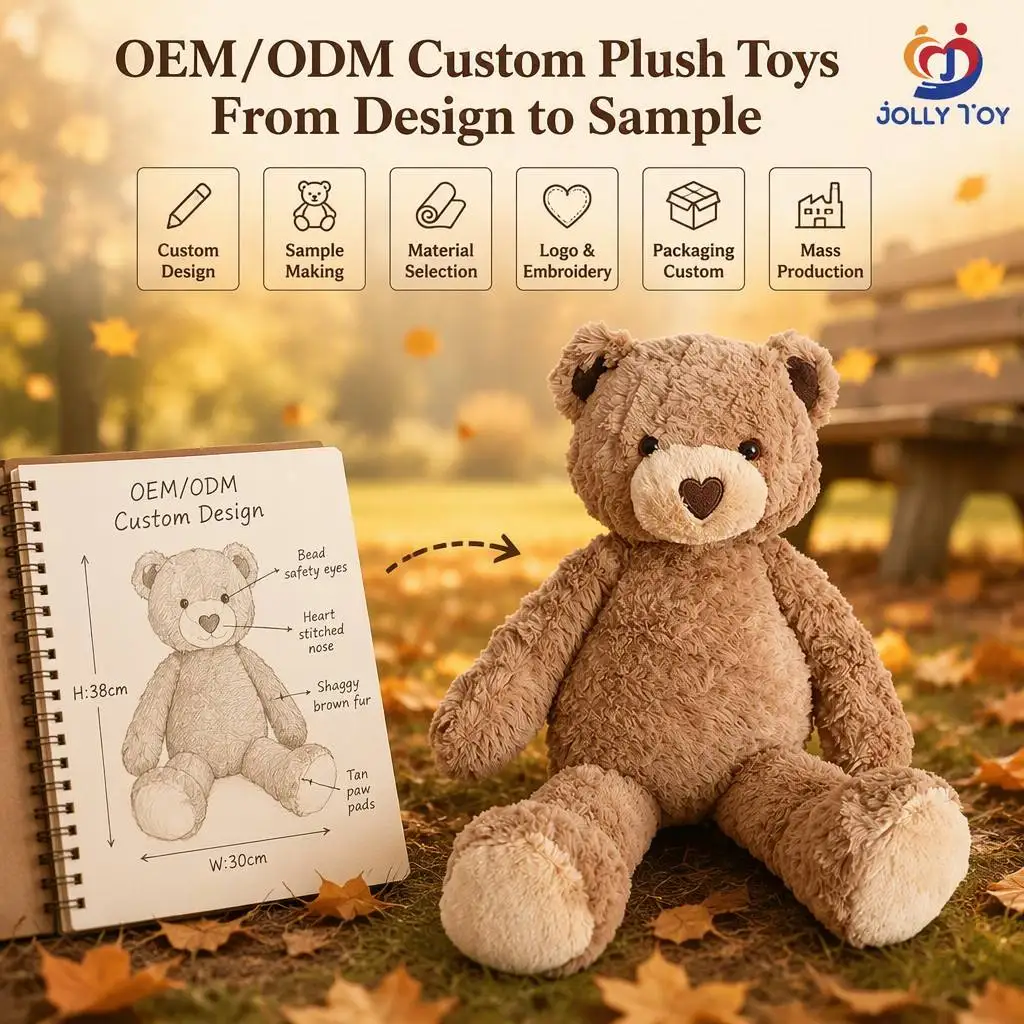
When it comes to custom made plushies, buyers in the B2B space are often focused on quality, safety, and manufacturing capabilities. Custom plush toys are not just playthings; they serve various purposes, from promotional items to educational tools. Understanding how to evaluate these products is crucial for purchasing managers, distributors, and product managers alike. This article will guide you through essential considerations, helping you make informed decisions in sourcing custom made Plush Toys.
Evaluating the quality of custom made plushies involves a multi-faceted approach, focusing on materials, manufacturing processes, and safety standards
Materials: The fabric used in plush toys should be soft yet durable, typically made from polyester or cotton blends. Review the fiber content to ensure it's compliant with safety regulations, particularly for children’s toys. The stuffing material is equally important; consider hypoallergenic options if the plushies are intended for sensitive users
Manufacturing Process: A reliable supplier will have transparent manufacturing processes. Look for certifications such as ICTI, Sedex, or BSCI, which indicate adherence to social compliance and ethical labor practices. Ensure the factory uses advanced machinery for efficient and consistent production, such as high-quality sewing and embroidery equipment
Quality Control: Verify the supplier's quality control processes. Ask about sample approval protocols before mass production. A thorough inspection should cover dimensions, seams, and overall finish to ensure the stuffed plush toys meet your quality standards.
Finding a trustworthy supplier for custom made plushies can be challenging but essential for ensuring quality and reliability. Here are some strategies:
Industry Directories: Utilize platforms like Alibaba, ThomasNet, or industry-specific directories that list manufacturers with verified credentials. Look for suppliers who specialize in plush toy production and have a proven track record
Trade Shows: Attend toy industry trade shows or exhibitions. These events are excellent for meeting suppliers face-to-face, inspecting their products, and discussing your specific needs directly
Networking: Leverage professional networks and forums. Engage with industry peers to get recommendations for suppliers they trust. Personal experiences can provide insights into a supplier's reliability and product quality.
Custom made plushies can encounter various issues during production and after delivery. Here are some common problems and their solutions:
Defective Seams: Poor stitching can lead to seams that easily come apart. To mitigate this, ensure that the supplier uses double stitching techniques and conducts thorough inspections
Material Wear: Plushies made from low-quality fabrics may wear out quickly. Specify the use of high-quality, durable materials, and ask for fabric swatches to assess the texture and strength before placing bulk orders
Safety Compliance: Non-compliance with safety regulations can lead to product recalls. Make sure your supplier provides documentation proving that their customized plush toys meet safety standards, including CE or ASTM certifications, depending on your target market.
Custom made plushies find applications across diverse industries, enhancing brand visibility and customer engagement. Here are some key applications:
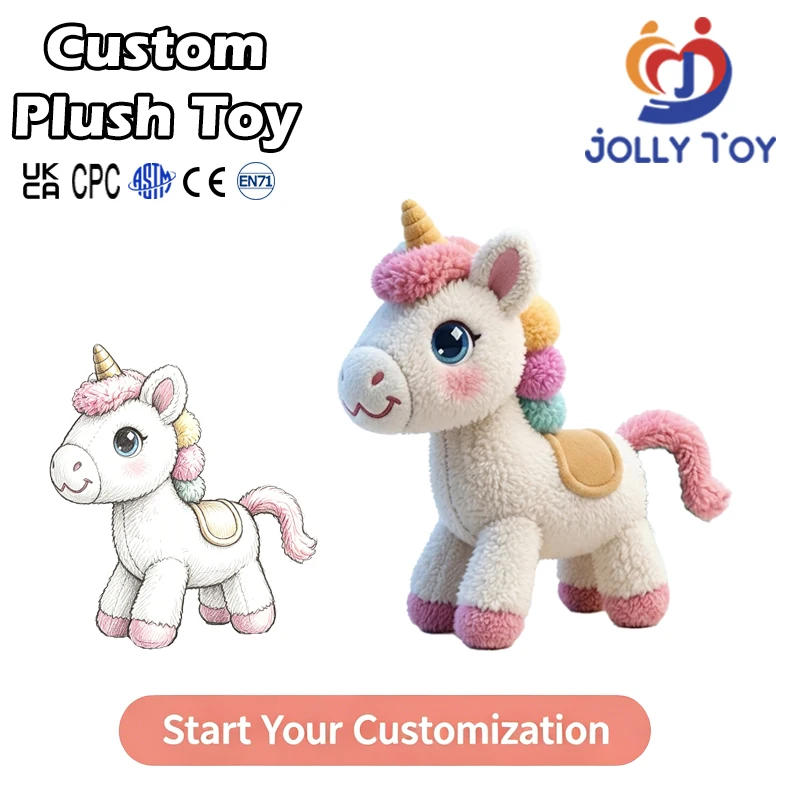
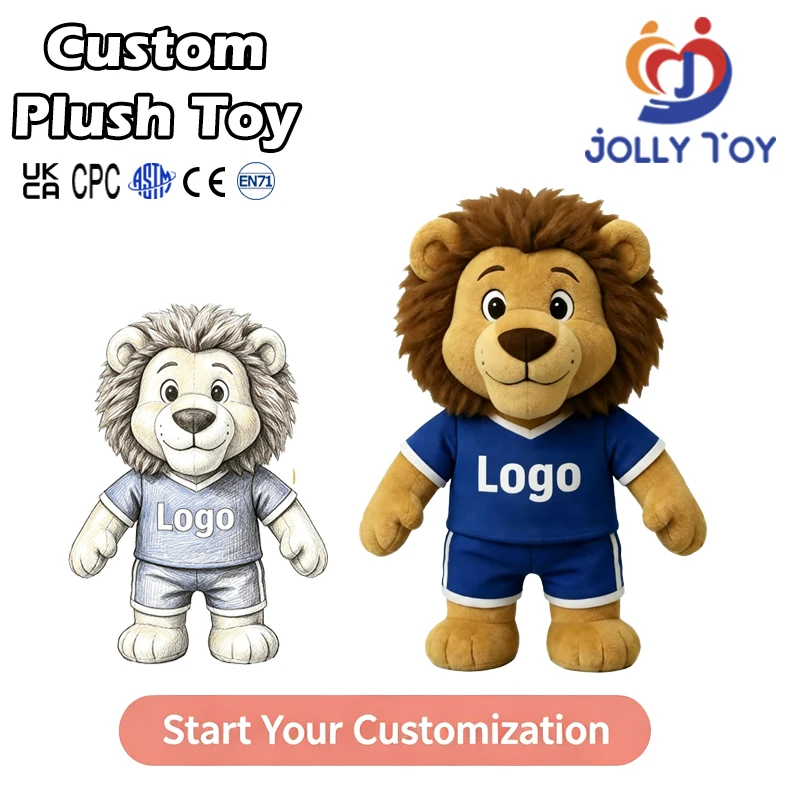
Marketing and Promotion: Companies often use plush toys as promotional giveaways to increase brand recognition. Custom toys can be designed to reflect the brand’s colors and logo, creating a memorable marketing tool
Education: Educational institutions utilize plushies to engage young learners. These toys can help teach concepts in a fun and interactive manner, making learning enjoyable
Healthcare: Plush toys are used in hospitals and clinics to comfort children during medical procedures. Custom plushies can be designed to represent friendly characters that help alleviate anxiety.
When comparing custom made plushies from various suppliers, consider the following factors to ensure you select the best option for your needs:
Specifications: Clarify product specifications, including dimensions, weight, and safety features. Ensure that the plushies fit your intended use, whether for promotional purposes or as educational tools
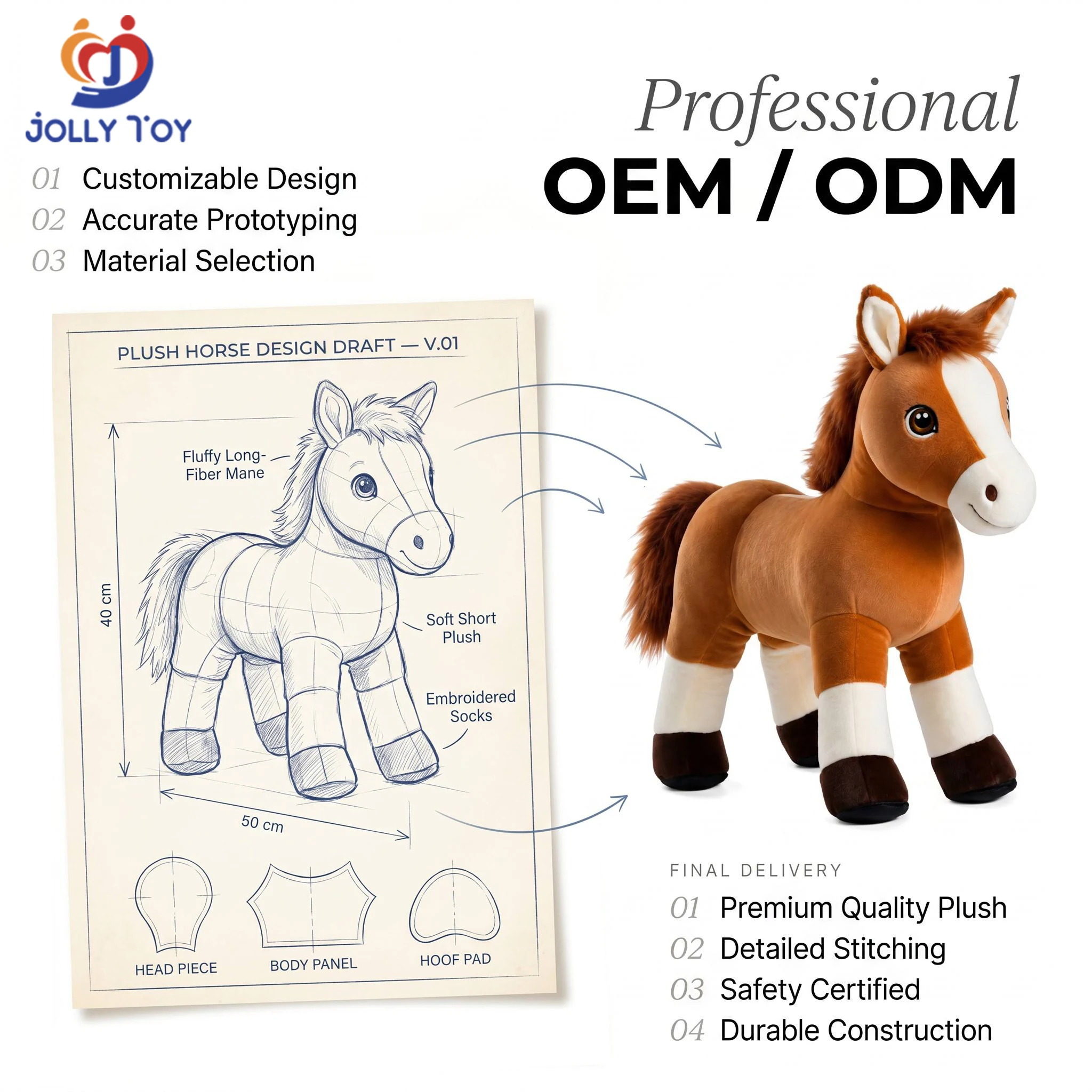
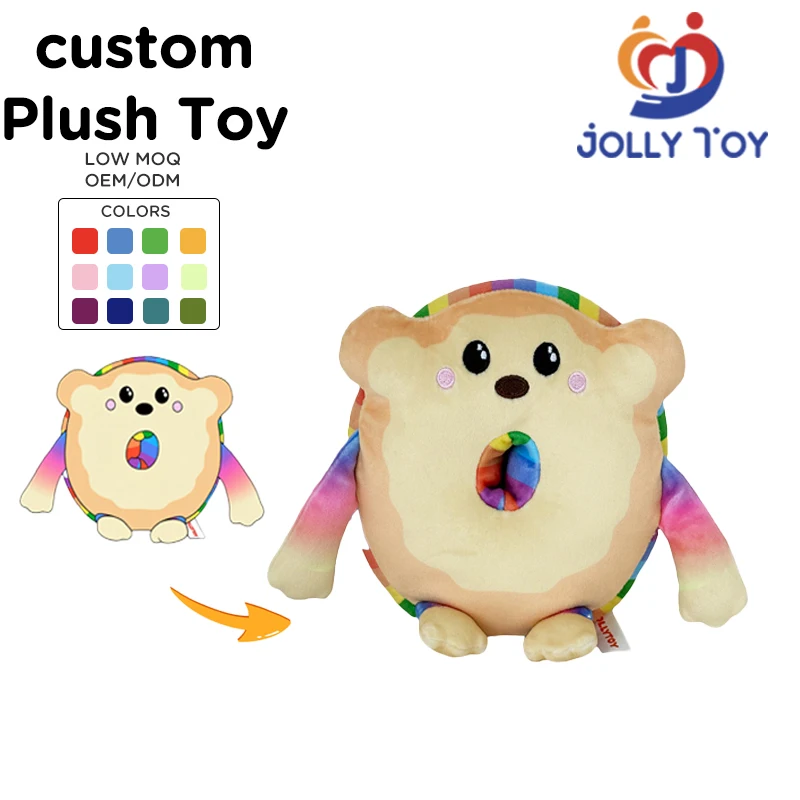
Customization Options: Evaluate the level of customization offered. Some suppliers provide extensive options for tailoring the design, while others may have limited capabilities. Choose a supplier that can accommodate your specific design requirements
Pricing and Minimum Order Quantity (MOQ): Compare pricing structures and MOQs from different suppliers. A lower unit price may not always translate to cost savings if it compromises quality. Consider the total cost of ownership, including shipping and potential reordering
Lead Times: Understand the lead times for production and delivery. Efficient suppliers can provide realistic timelines, ensuring that you receive your products when you need them
By focusing on these key aspects, B2B buyers can effectively navigate the market for custom made plushies, ensuring they select a supplier that meets their quality and operational needs.

 EN
EN
 AR
AR
 CS
CS
 DA
DA
 NL
NL
 FI
FI
 FR
FR
 DE
DE
 EL
EL
 IT
IT
 JA
JA
 KO
KO
 NO
NO
 PL
PL
 PT
PT
 RU
RU
 ES
ES
 SV
SV
 IW
IW
 UK
UK
 TR
TR
 AF
AF
 GA
GA
 IS
IS
 LA
LA