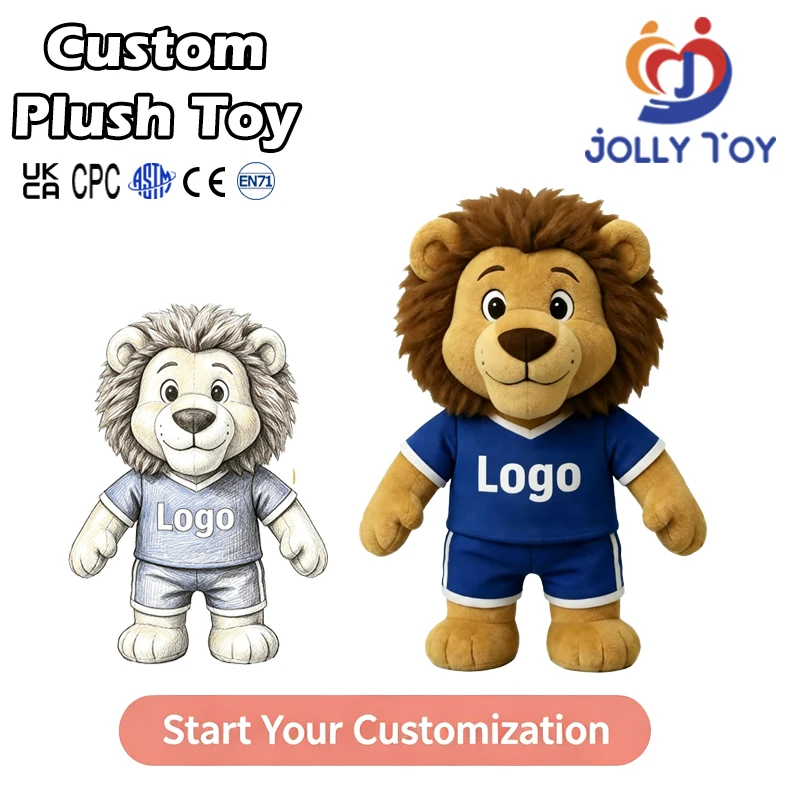
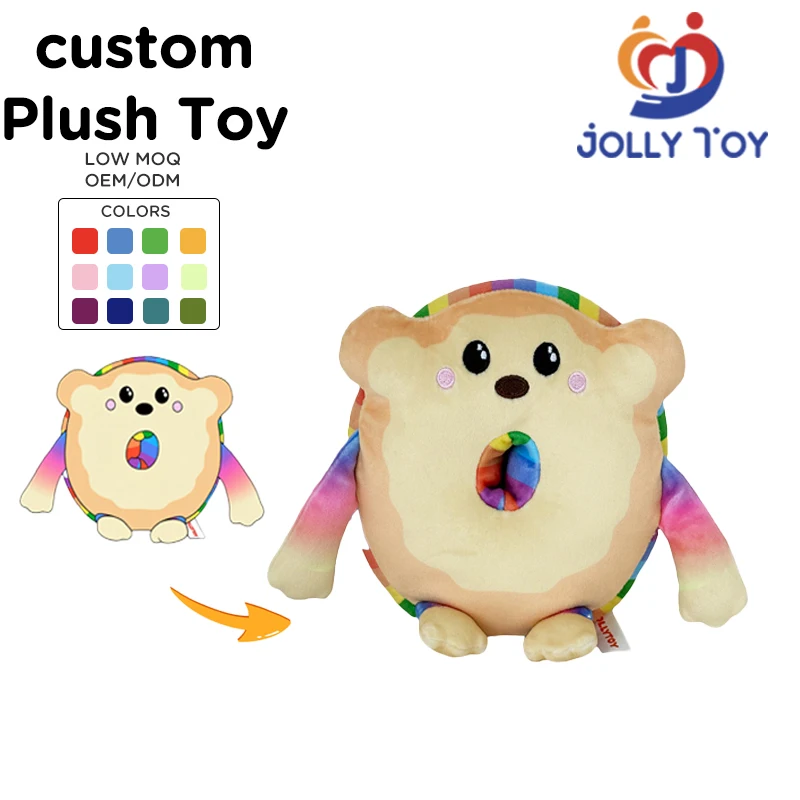
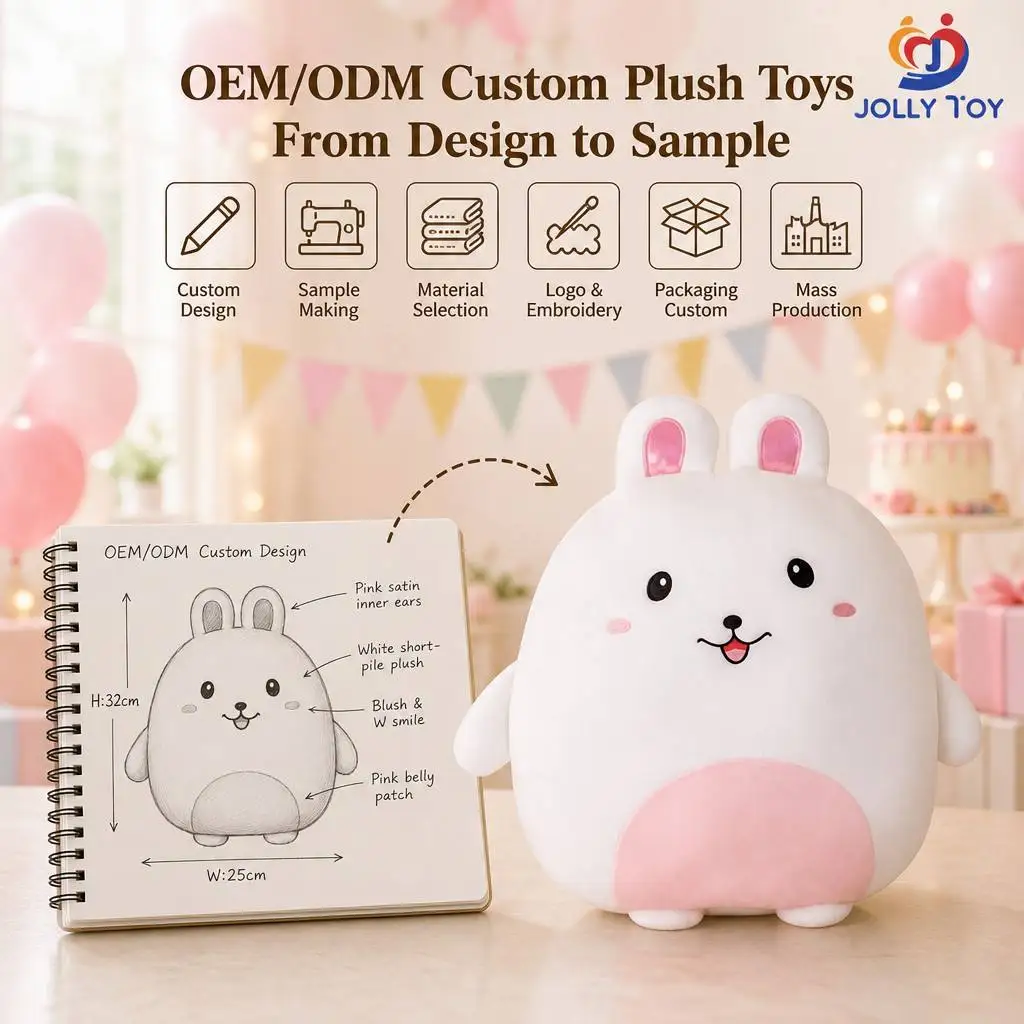
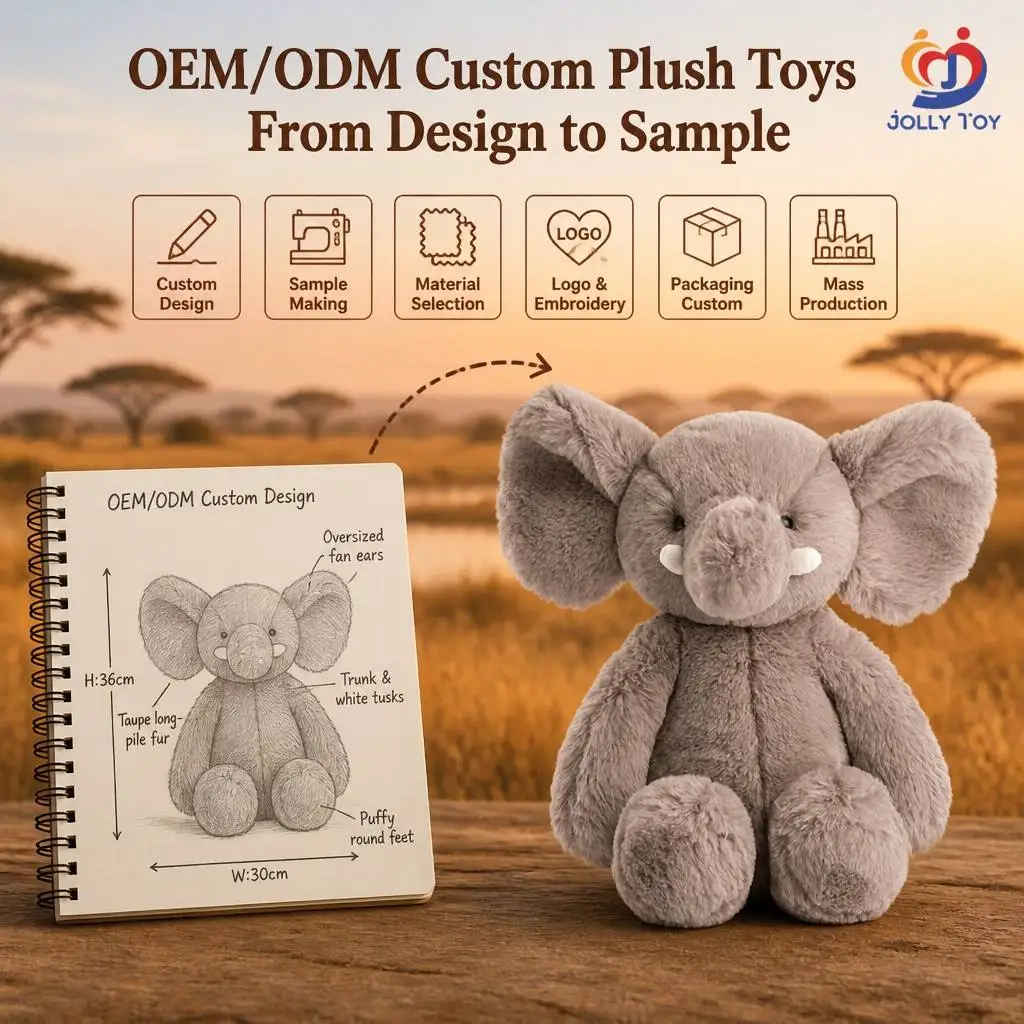
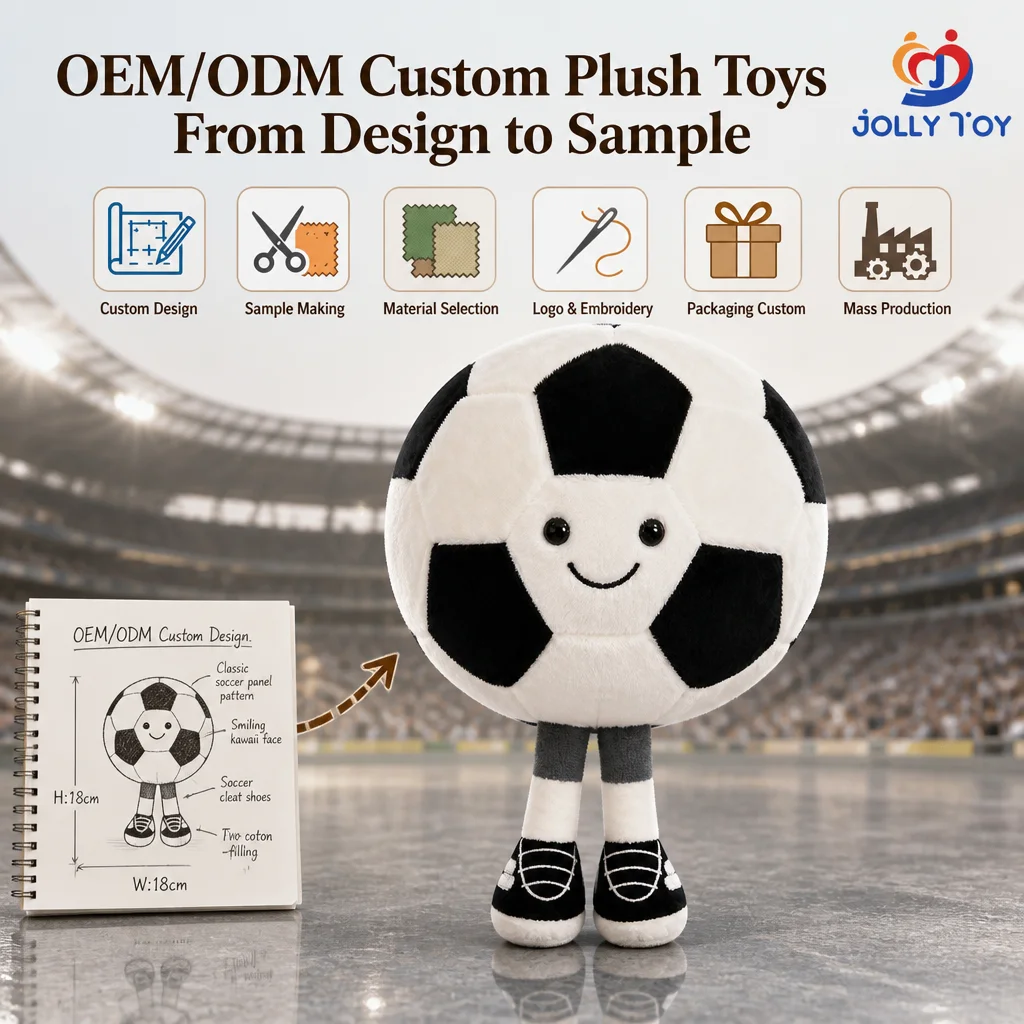
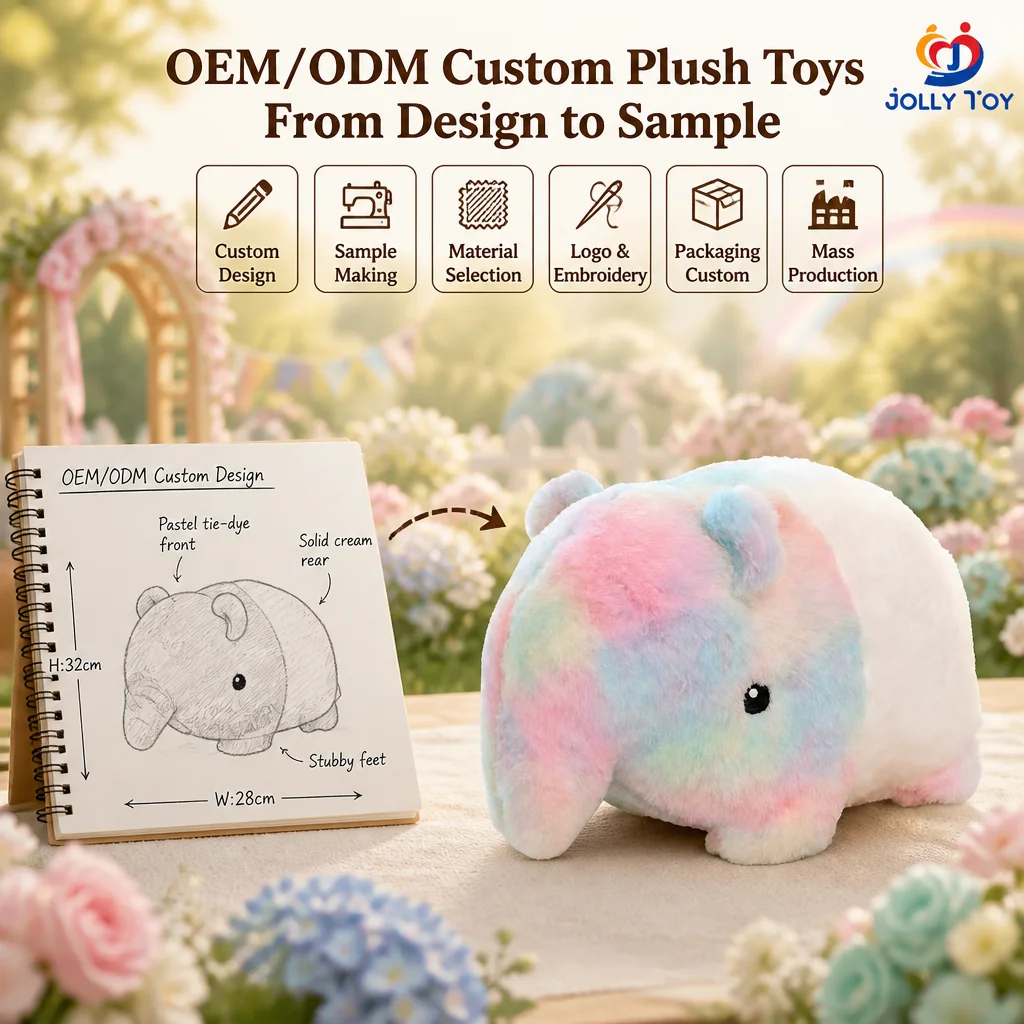
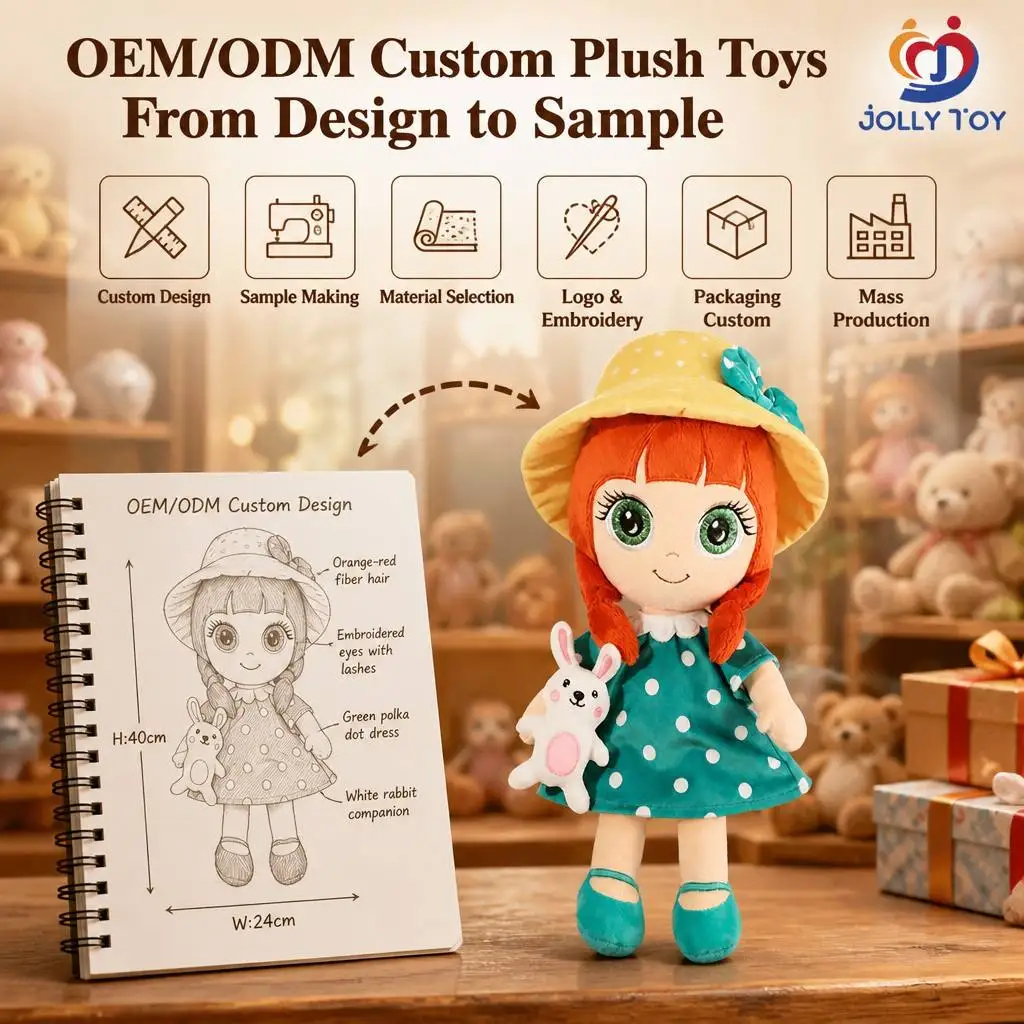
In the world of custom-made soft toys, sourcing the right products is crucial for businesses in the toy industry. Custom-made soft toys offer unique branding opportunities and can be tailored to meet specific market needs. However, B2B buyers often face challenges in ensuring quality, compliance, and cost-effectiveness when selecting a manufacturer. This article aims to address key considerations for sourcing custom-made soft toys wholesale, providing valuable insights to help purchasing managers, distributors, and product managers make informed decisions.
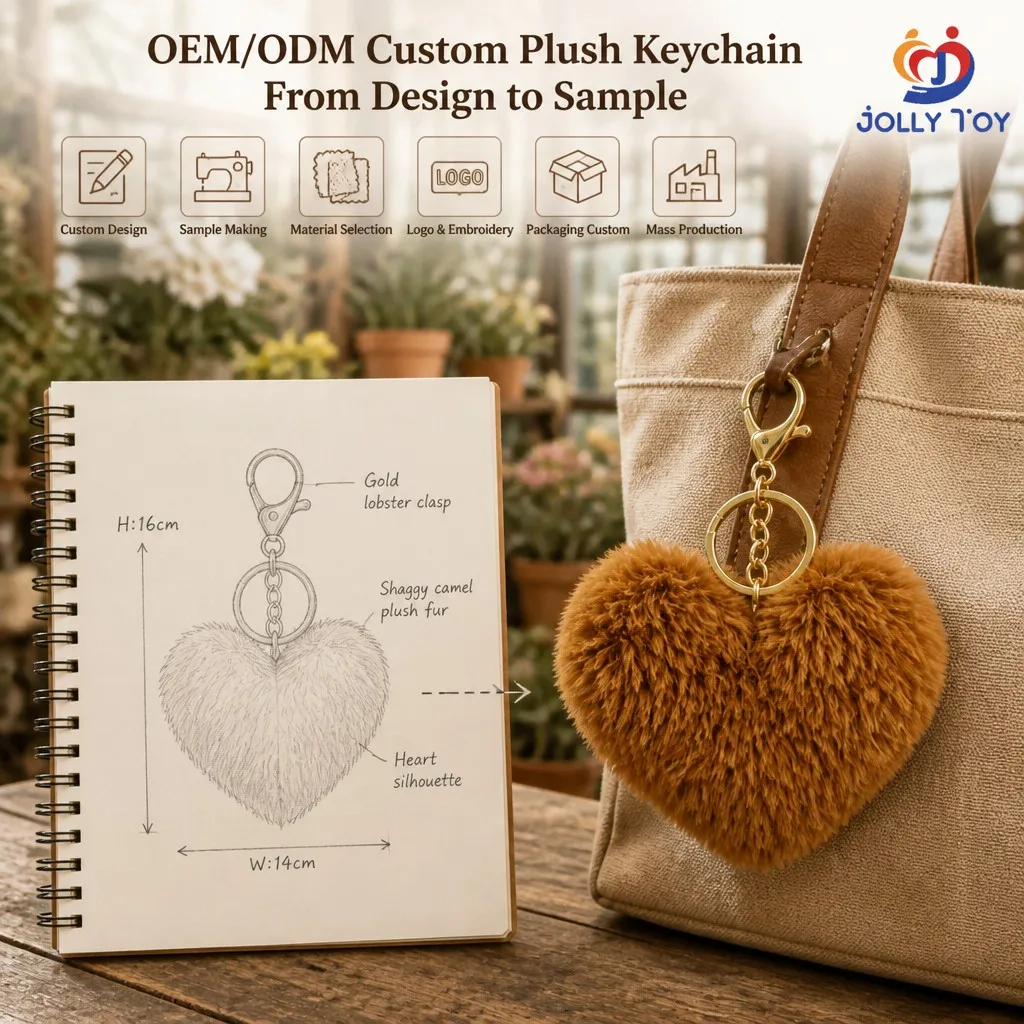
When sourcing custom-made soft toys, several factors are critical to ensuring a successful partnership with a manufacturer. First, consider the materials used in production. Plush toys can be made from various fabrics such as cotton, polyester, or a blend, each offering different tactile experiences and durability levels. It's essential to specify your desired material based on the target audience and intended use, as this impacts safety and comfort. Next, evaluate the manufacturer's design capabilities. A reputable manufacturer should offer design support, including the ability to create custom patterns and colors. This is particularly important for branding, as unique designs can enhance market appeal. Additionally, inquire about the manufacturer's production capabilities, including their machinery and technology. A facility equipped with advanced sewing, cutting, and embroidery machinery can ensure precision and consistency in production. Lastly, assess the manufacturer's certifications, such as ICTI, Sedex, and BSCI, which demonstrate adherence to ethical manufacturing practices. These certifications not only ensure product quality but also confirm that the keychain soft toy manufacturer complies with international labor standards.
Understanding the significance of each factor in your sourcing decision can lead to strategic advantages. High-quality materials enhance the longevity and safety of soft toys, which is essential for maintaining brand reputation and customer satisfaction. For instance, toys made from hypoallergenic fabrics can attract health-conscious consumers, while compliance with safety standards reduces liability risks. Furthermore, a manufacturer’s design capabilities can facilitate the creation of innovative products that stand out in a competitive market. With a strong design partnership, businesses can respond quickly to trends and consumer preferences, ensuring their offerings remain relevant. In addition, certifications serve as a quality assurance mechanism. Buyers can trust that certified manufacturers have implemented rigorous quality control processes, which can minimize defects and recalls. This not only saves costs associated with returns but also builds consumer trust in your brand.
Cost is often a primary concern for B2B buyers. When assessing pricing for custom-made soft toys, several cost factors come into play. First, consider the material costs. Different fabrics vary in price, and bulk purchasing can significantly impact overall expenses. Discussing minimum order quantities (MOQ) with the manufacturer can also provide insights into pricing tiers. Next, evaluate the labor costs associated with production. Manufacturers with skilled labor and advanced equipment may charge higher rates, but this investment can lead to better quality and fewer issues during production. Additionally, ask about design fees and setup costs, as these can add to the overall expenditure, especially for unique designs or complex patterns. Finally, factor in shipping and logistics costs. Understanding the manufacturer’s location in relation to your business can help estimate shipping times and costs. A local manufacturer may offer quicker turnaround times, while overseas suppliers may present lower unit prices but higher shipping and customs fees.
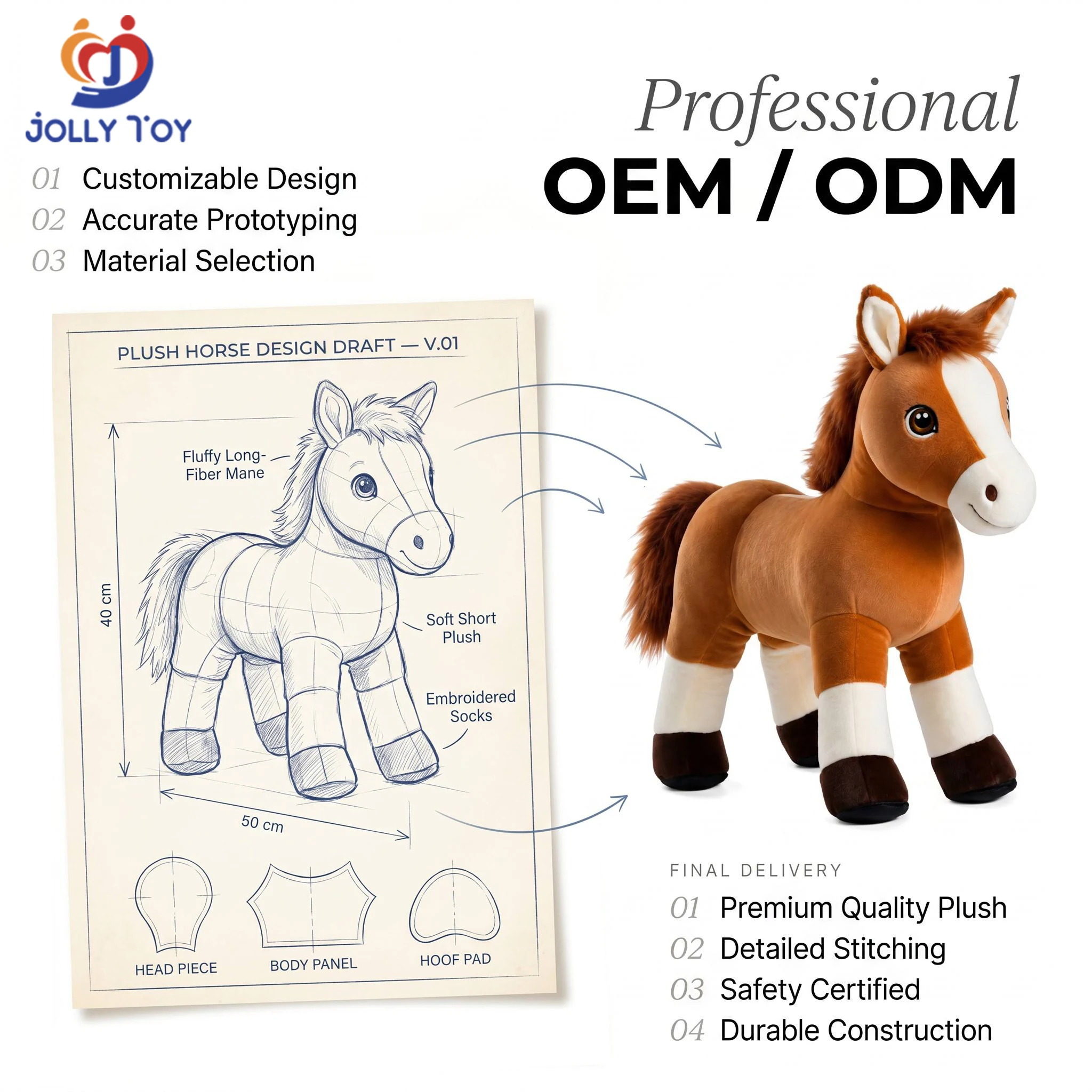
B2B buyers can encounter several common issues when ordering custom-made soft toys. One significant problem is miscommunication regarding design specifications. To avoid this, provide clear technical drawings and prototypes during the initial stages. Approval of samples before mass production is crucial to ensure that the final product aligns with your expectations. Another common issue is production delays. These can arise from unforeseen circumstances, such as equipment malfunctions or material shortages. To mitigate this risk, establish a clear timeline with the manufacturer and include buffer periods for unexpected delays. Regular communication throughout the production process can also help identify potential issues early. Quality assurance is another area where problems can arise. Without stringent quality control measures, defects may slip through, leading to costly returns. Ensure that the manufacturer follows a robust quality inspection process, including pre-production samples and final product checks. This step is vital in maintaining your brand’s reputation and customer satisfaction.
Finding reliable suppliers for custom-made soft toys requires diligent research. Start by exploring industry directories and trade shows, which often feature reputable manufacturers showcasing their products. Attending events allows you to meet suppliers face-to-face and discuss your specific needs. Online platforms and marketplaces can also provide valuable insights. Websites that specialize in connecting buyers with manufacturers often include reviews and ratings from previous customers, helping you gauge the supplier’s reliability. Look for manufacturers with a strong portfolio and a history of successful projects in the soft toy industry. Networking within industry associations can also lead to recommended suppliers. Engaging with peers and industry experts can provide insights into which manufacturers deliver quality products and services. Always request samples and verify certifications to ensure the supplier meets your quality standards and business requirements. By considering these factors and taking a strategic approach to sourcing custom-made soft Plush Toys, B2B buyers can secure partnerships that enhance their product offerings while minimizing risks and costs.

 EN
EN
 AR
AR
 CS
CS
 DA
DA
 NL
NL
 FI
FI
 FR
FR
 DE
DE
 EL
EL
 IT
IT
 JA
JA
 KO
KO
 NO
NO
 PL
PL
 PT
PT
 RU
RU
 ES
ES
 SV
SV
 IW
IW
 UK
UK
 TR
TR
 AF
AF
 GA
GA
 IS
IS
 LA
LA