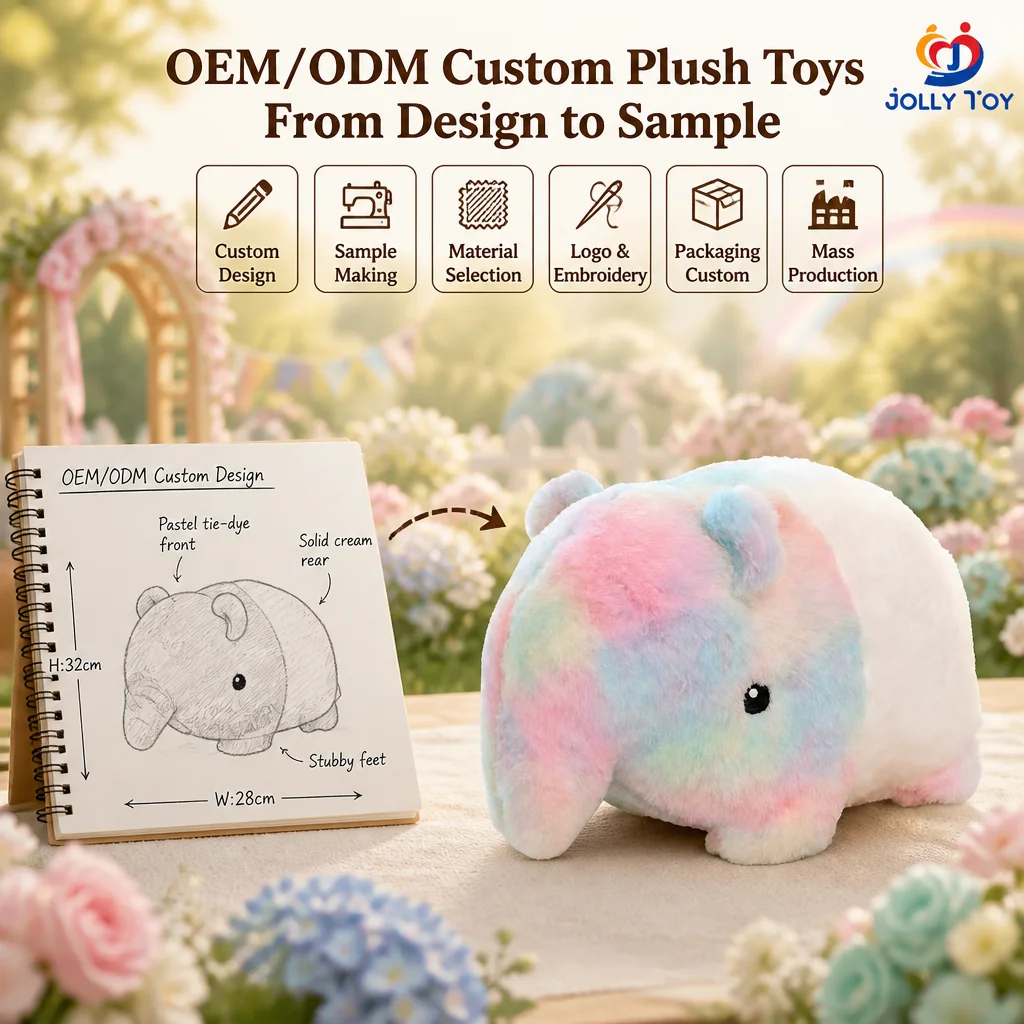
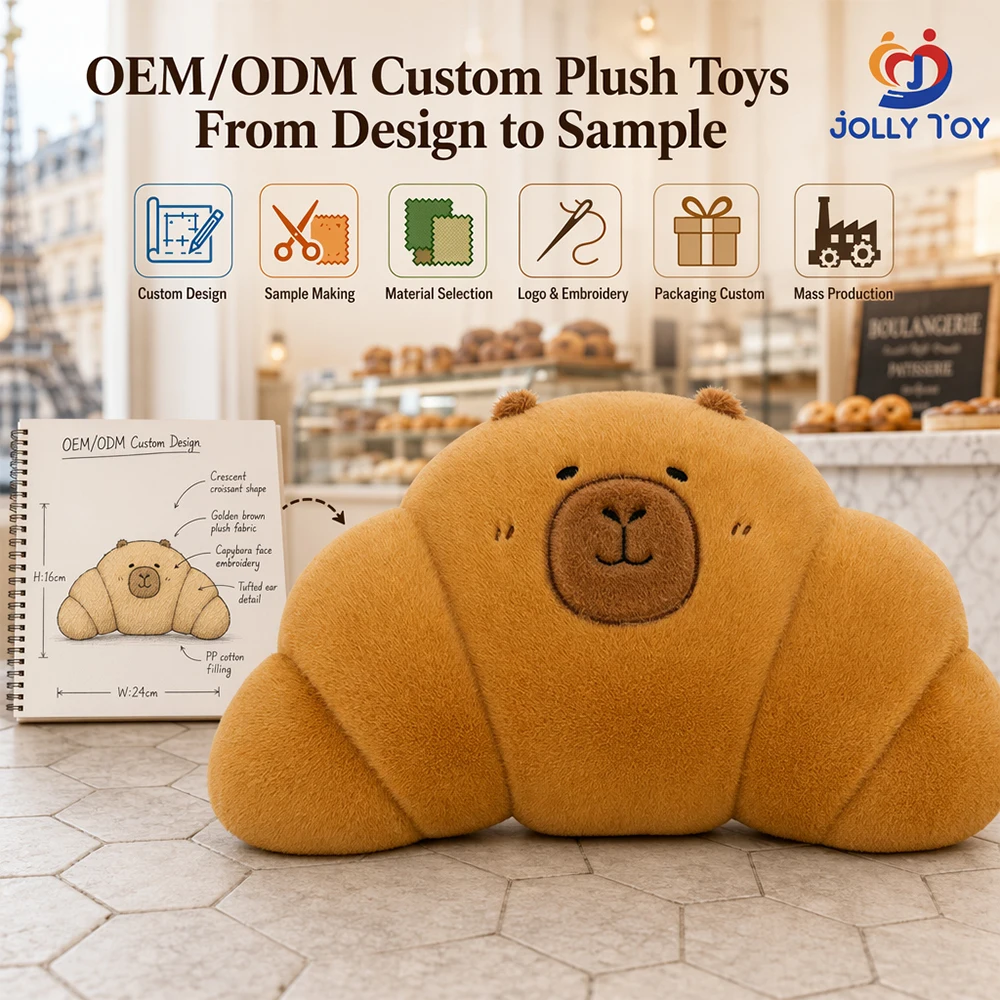
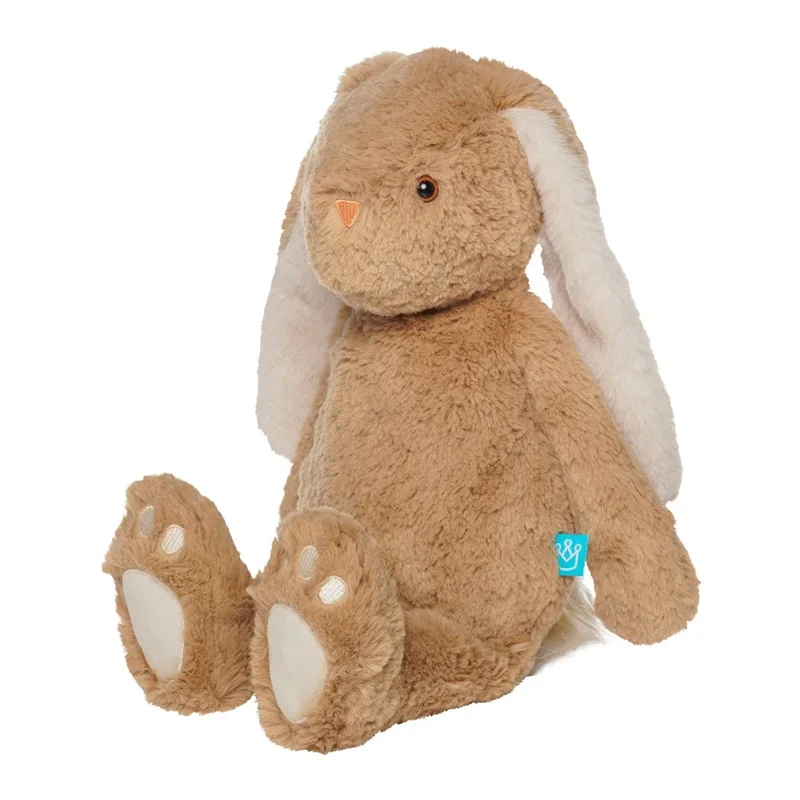
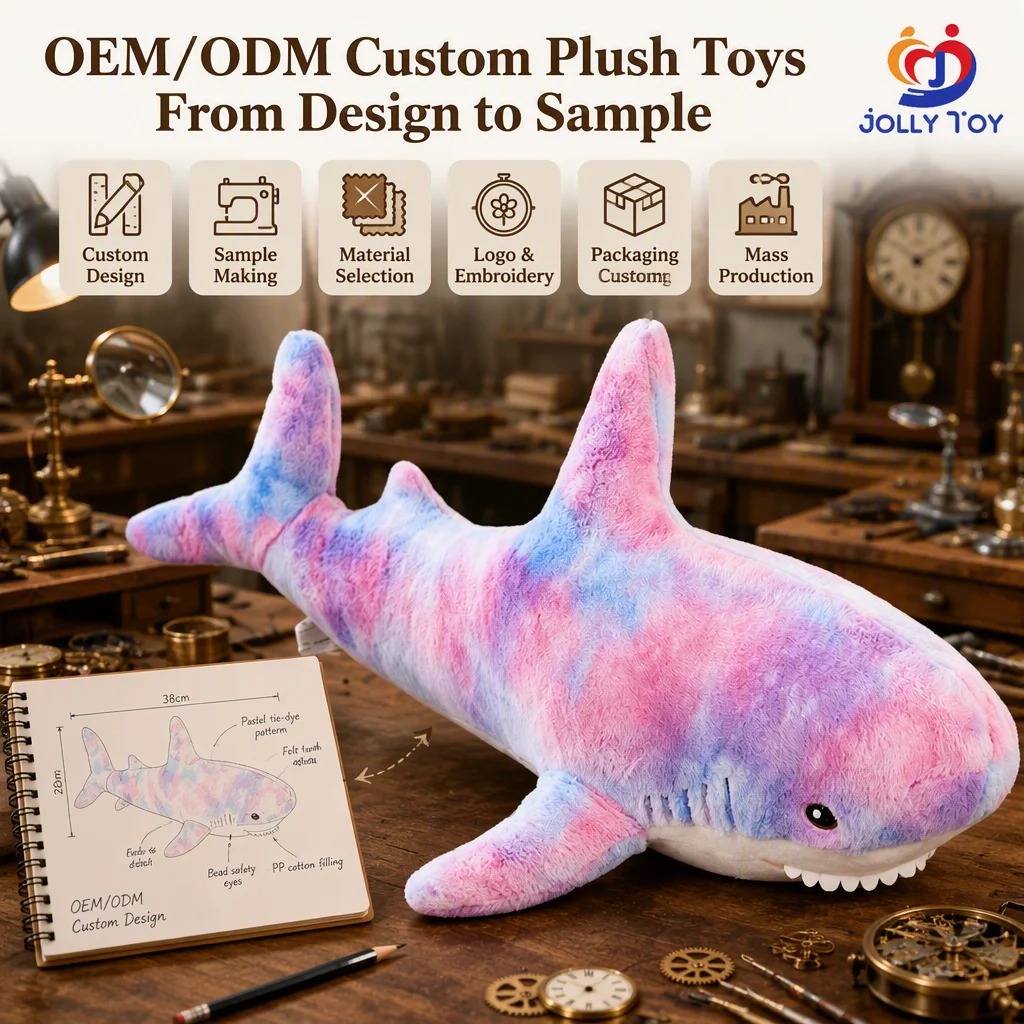
Custom plush toys are a popular choice for businesses looking to engage customers through unique and creative promotional items. When considering custom plush toys wholesale, buyers often have specific concerns related to quality, materials, and manufacturing processes. This article will guide you through key specifications, quality control measures, cost factors, material advantages, and applications of personalized plush toys, helping you make informed purchasing decisions.
When sourcing custom plush toys, it is essential to evaluate several specifications to ensure that the products meet your needs. Key specifications include:
Dimensions: The size of the plush toy should align with your branding and marketing objectives. Accurate dimensions are crucial, as toys that are too large or small may not fit packaging or display requirements.
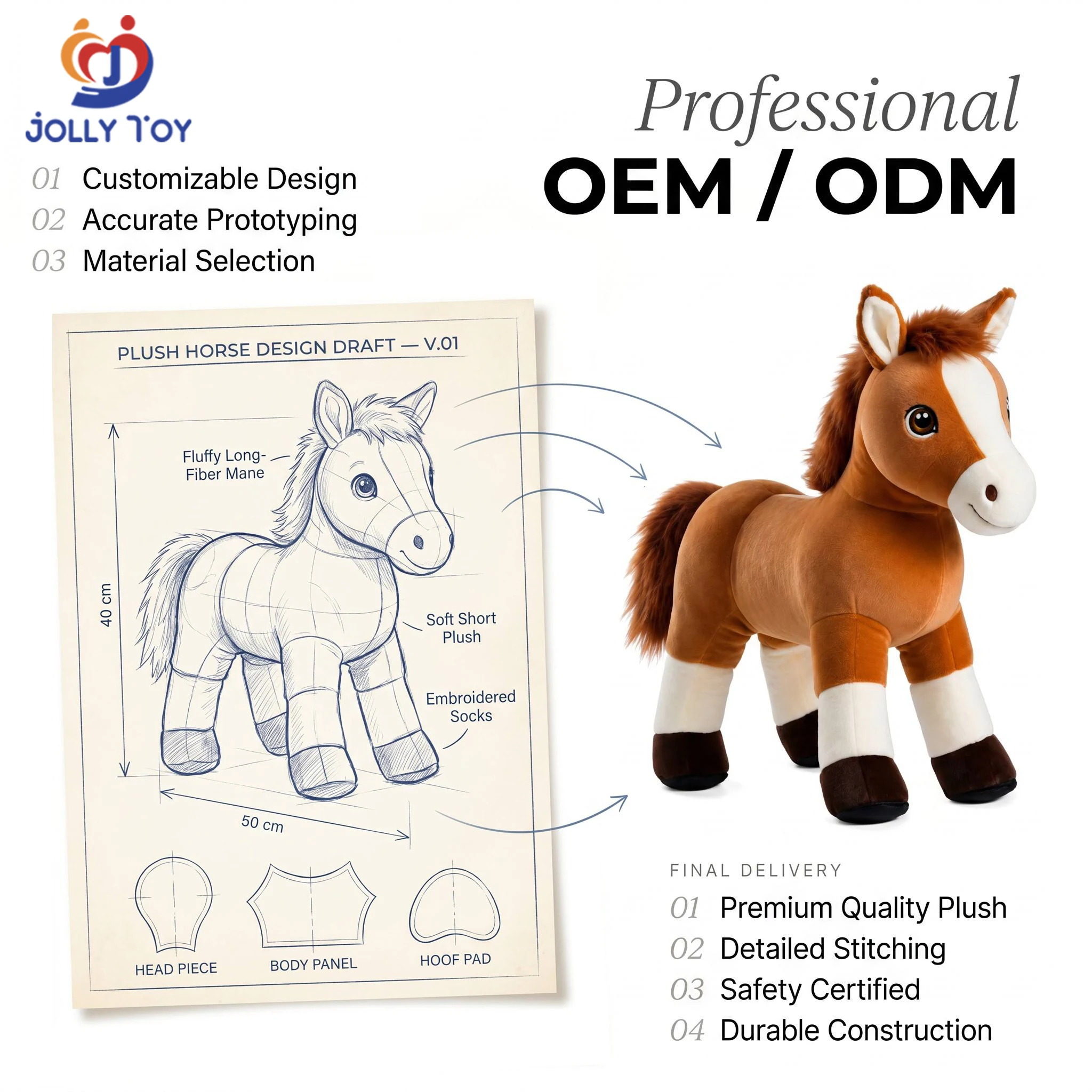
Materials: Evaluate the fabric, filling, and any additional components. Common materials include polyester, cotton, and recycled fibers. Each material has its advantages in terms of durability, safety, and appearance. For example, custom made plush toys made from high-quality polyester may offer better resilience against wear and tear.
Safety Standards: Ensure that the plush toys comply with relevant safety standards, such as ASTM F963 or EN71. These certifications confirm that the toys are safe for children and free from harmful substances.
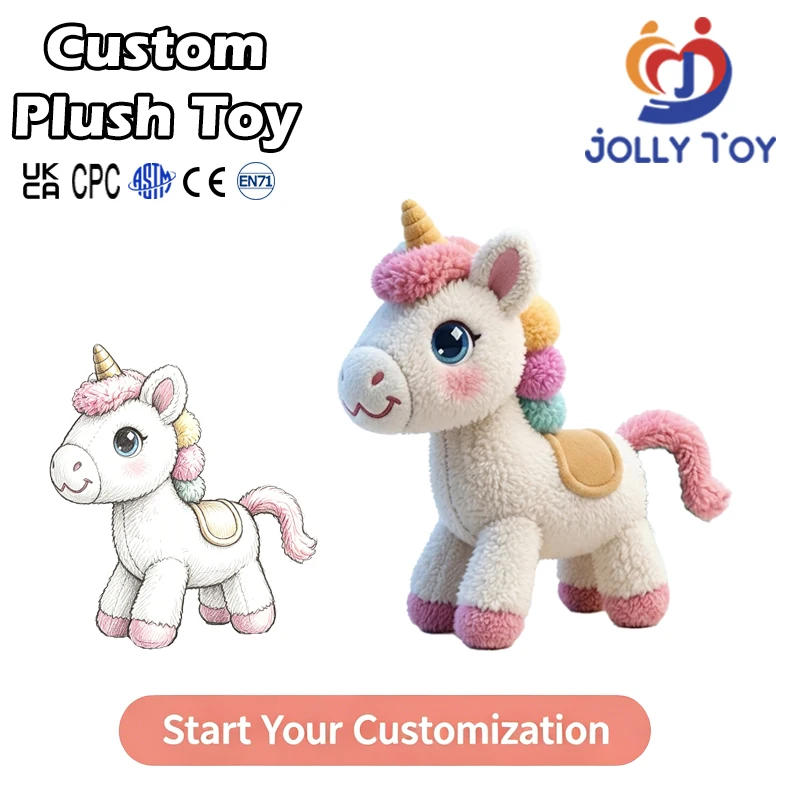
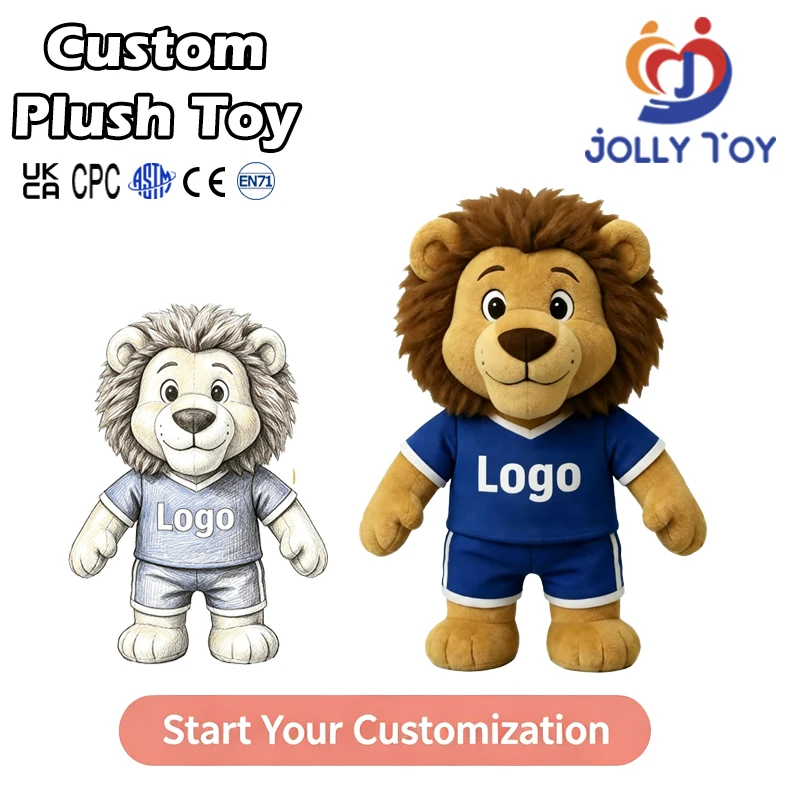
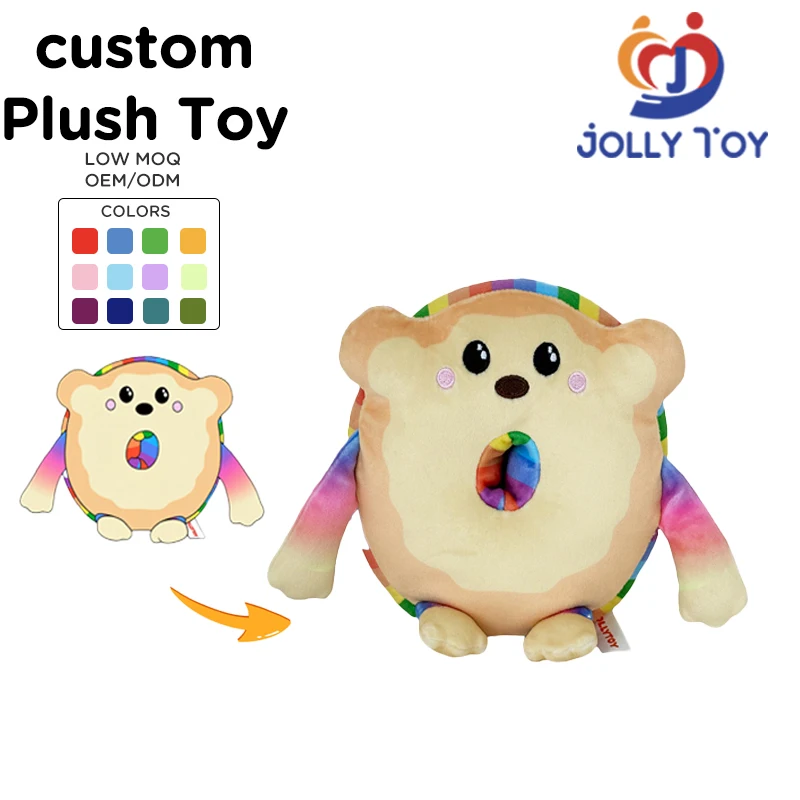
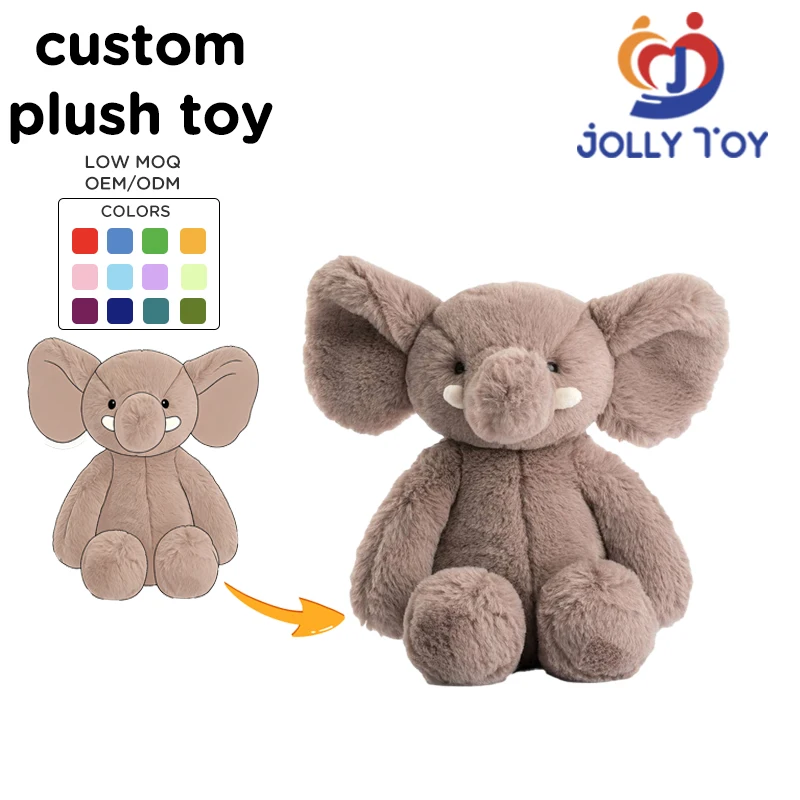
Customization Options: Consider the level of customization available. This may include color variations, embroidery options, or the ability to create entirely unique designs. Customization can significantly enhance your brand's visibility and appeal.
Production Capacity: Understanding the manufacturer’s production capacity is vital, especially if you anticipate large orders. Our facility, for example, has an annual production capacity of 800,000 pieces, allowing for scalability based on demand.
Quality control is paramount in the manufacturing of Jolly Toy custom plush toys. Effective measures include:
Material Inspection: Before production begins, raw materials should undergo thorough inspections to ensure they meet the required safety and quality standards. This reduces the risk of defects in the final product.
In-Process Checks: Implementing quality checks at each stage of the manufacturing process—from cutting and sewing to stuffing and finishing—helps identify any issues early. This proactive approach minimizes waste and ensures consistency.
Final Inspection: Once production is complete, a final quality inspection should be conducted. This includes checking for stitching integrity, seams, and overall finish. This step is crucial to ensure that the plush toys meet your specifications before shipping.
Compliance Audits: Manufacturers should be regularly audited for compliance with social responsibility standards, such as ICTI, Sedex, and BSCI. These certifications ensure ethical practices in labor treatment and manufacturing processes.
Understanding the cost factors involved in sourcing custom plush toys is essential for budgeting. Key aspects to consider include:
Material Costs: The choice of materials significantly impacts overall costs. Higher quality materials may have a higher upfront cost but can lead to lower return rates and increased customer satisfaction.
Customization Fees: Custom designs, colors, and features can incur additional fees. It's important to clarify these costs with your supplier upfront to avoid surprises.
Production Volume: Generally, larger orders lead to lower per-unit costs. Understanding the minimum order quantities (MOQ) and how they affect pricing can help you plan your purchases effectively.
Shipping and Handling: Don’t overlook shipping costs, as these can vary based on the destination and order size. Consider logistics when negotiating with suppliers to ensure a comprehensive understanding of total costs.
Lead Time: Faster production times may come with increased costs. Determine your timelines and discuss lead times with your manufacturer to align your budget with expectations.
Material selection plays a crucial role in the durability and overall quality of Jolly Toy custom plush toys. Here are some common materials and their advantages:
Polyester: Known for its resilience, polyester is a popular choice for stuffed plush toys due to its soft feel and ability to withstand repeated washing. It retains its shape and color over time, making it suitable for long-term use.
Cotton: Organic cotton is a safe and eco-friendly option for plush toys, appealing to environmentally conscious consumers. It is soft and breathable, though it may not be as durable as synthetic materials.
Recycled Fibers: Utilizing recycled materials in plush toy production is becoming increasingly popular. These materials can provide similar durability to traditional options while reducing environmental impact.
Filling Options: The type of filling also affects durability and feel. Common fillings include polyester fiberfill and foam. Each has distinct characteristics, with fiberfill offering a softer touch and foam providing a firmer structure.
Safety Compliance: Ensure that any material used complies with safety regulations, particularly if the toys are intended for children. Materials should be non-toxic and free from harmful chemicals.
Custom plush toys serve a variety of applications in retail and promotional projects. Understanding these uses can help you maximize their impact:
Brand Promotion: Plush toys can be used as promotional giveaways that enhance brand recognition. Companies often use them at events or as part of loyalty programs to create a lasting impression on customers.
Retail Sales: Many retailers incorporate plush toys into their product offerings, especially in sectors like children’s apparel, toy stores, and theme parks. These toys can drive sales through emotional connection and impulse buying.
Corporate Gifts: Businesses often use custom plush toys as corporate gifts to clients and employees. They can be branded with company logos, making them a delightful reminder of the brand.
Educational Purposes: Plush toys are also used in educational settings, such as schools and daycare centers, to aid in learning and development. They can be designed to represent characters from educational programs or themes.
Themed Promotions: Seasonal or themed Jolly Toy plush toys—such as holiday characters or mascot representations—can generate excitement and encourage sales during specific times of the year.
By understanding the specifications, quality control measures, cost factors, material advantages, and applications of custom plush toys, B2B buyers can make informed decisions that align with their business goals. Whether for retail or promotional purposes, selecting the right plush toys can significantly enhance customer engagement and brand loyalty.

 EN
EN
 AR
AR
 CS
CS
 DA
DA
 NL
NL
 FI
FI
 FR
FR
 DE
DE
 EL
EL
 IT
IT
 JA
JA
 KO
KO
 NO
NO
 PL
PL
 PT
PT
 RU
RU
 ES
ES
 SV
SV
 IW
IW
 UK
UK
 TR
TR
 AF
AF
 GA
GA
 IS
IS
 LA
LA