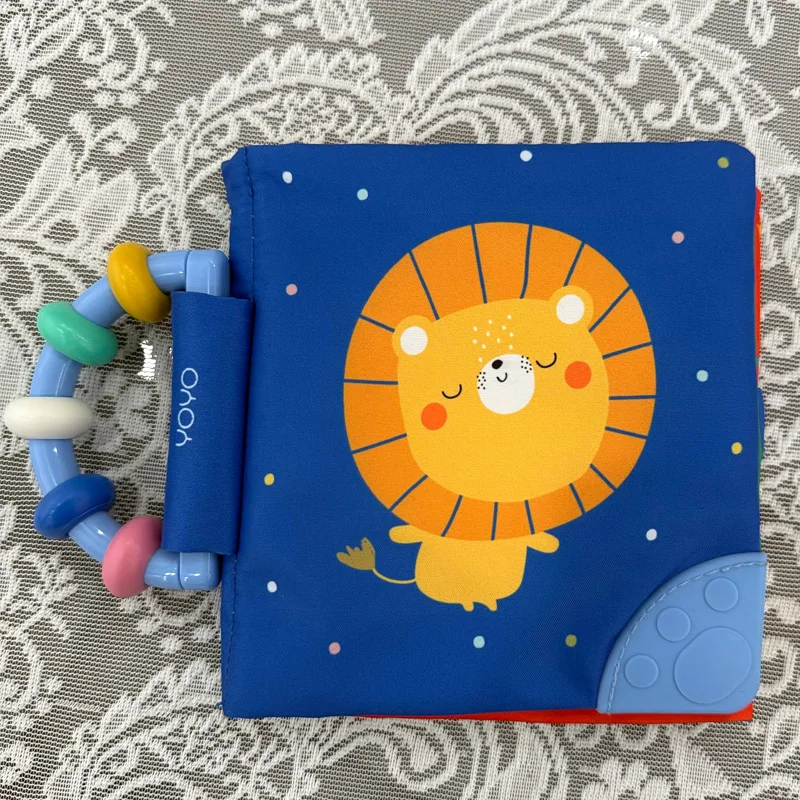
Hanging rattles are popular toys designed to engage infants and toddlers, providing both auditory and tactile stimulation. As a B2B buyer, you're likely focused on quality, safety, and cost-effectiveness when selecting hanging rattles for your wholesale needs. This article will guide you through the critical aspects of choosing the right newborn rattle, including cost considerations, material advantages, installation tips, and common issues with effective solutions, ensuring you make informed purchasing decisions.
When selecting Jolly Toy hanging rattles for wholesale, start by evaluating the target demographic's age and safety standards. Look for products that comply with relevant safety regulations, such as those outlined by ASTM or EN71, which ensure toys are safe for children. Consider the age range of your intended market; rattles designed for infants may have different features than those for toddlers.
Next, assess the design and functionality. Hanging rattles often come in various shapes and colors, which can enhance visual stimulation and promote sensory development. The rattle should be easy for small hands to grasp and manipulate. Pay attention to the weight of the rattle; it should be light enough for infants to handle without difficulty but heavy enough to provide sensory feedback when shaken. Additionally, ensure that the construction allows for easy cleaning, as hygiene is crucial for children's toys.
Lastly, factor in customization options. Many manufacturers, including us, offer the ability to customize designs, colors, and even packaging, which can help differentiate your product offering in a competitive market.
The cost of wholesale hanging rattles can vary significantly based on several factors. First, consider the materials used in production. Plush and plastic materials each come with their own costs; plush may be more expensive due to the fabric and stitching required, while plastic can be more cost-effective but may compromise on tactile feel.
Another cost factor is the complexity of the design. Customized designs, intricate patterns, or added features like sound mechanisms will generally increase production costs. Additionally, the manufacturing process itself plays a role; injection molding for plastic parts may have different cost implications compared to sewing plush items.
Production volume also affects cost. Higher order quantities often lead to reduced per-unit costs due to economies of scale. Therefore, when placing an order, be clear about your expected quantity to ensure accurate pricing. Lastly, shipping and handling costs should not be overlooked, as these can significantly impact the overall cost of your purchase.
Hanging rattles can be made from a variety of materials, each offering distinct advantages. Plush rattles are typically soft and safe for infants, providing tactile comfort that encourages exploration. They can be machine-washable, which is essential for maintaining hygiene.
On the other hand, plastic rattles are often more durable and can withstand rough handling. They are typically lightweight and can be molded into various shapes, allowing for innovative designs. Plastic is also easier to clean than fabric, making it a practical choice for busy parents.
When evaluating materials, consider the intended use of the newborn rattle toys. For example, if the rattle is expected to be used outdoors or in water play, plastic may be more suitable due to its resistance to moisture. Additionally, ensure that any dyes or finishes used are non-toxic and compliant with safety regulations.
Proper installation of Jolly Toy hanging rattles is crucial for ensuring safety and functionality. When setting up a hanging rattle, ensure that it is securely fastened to the intended surface, such as a crib or play gym. Use appropriate hardware that is designed for the weight and type of rattle being installed.
If the rattle includes a clip or loop for attaching, verify that it is sturdy and tested for reliability. Regularly check the installation points for wear and tear, as repeated use can loosen attachments over time. If the rattle is designed to be adjustable, familiarize yourself with the adjustment mechanisms to maintain the desired height for the child’s reach.
In addition to installation, consider the environment where the rattle will be used. Ensure that the play area is free from hazards that could interfere with the rattle's use, such as sharp objects or unstable surfaces.
Despite careful selection and installation, issues can arise with hanging rattles. One common problem is wear and tear, especially on fasteners and seams. Over time, these components may loosen or fray, leading to safety concerns. Regular inspections are essential, and any damaged rattle toys for newborn should be removed from circulation immediately.
Another issue could be the rattle’s ability to produce sound. If the internal noisemaker becomes stuck or damaged, it may not function as intended. To avoid this, consider the quality of the components used in the rattle's design. High-quality materials and construction methods can mitigate these risks.
Lastly, some buyers may encounter difficulty in cleaning plush rattles, especially if they are not machine washable. Providing clear care instructions with the product can help buyers maintain cleanliness. Consider offering a cleaning guide with your products, emphasizing the importance of hygiene for Jolly Toy children’s toys.
By understanding these common problems and their solutions, you can ensure customer satisfaction and reduce return rates, ultimately boosting your brand's reputation in the market.

 EN
 AR
 CS
 DA
 NL
 FI
 FR
 DE
 EL
 IT
 JA
 KO
 NO
 PL
 PT
 RU
 ES
 SV
 IW
 UK
 TR
 AF
 GA
 IS
 LA