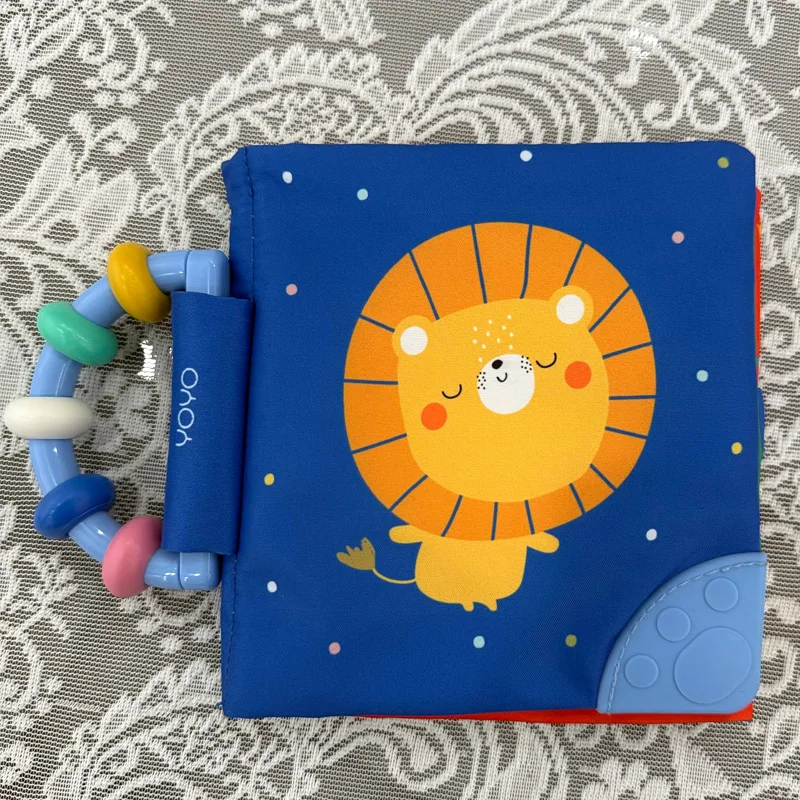
Stuffed animal rattles are essential toys designed to engage infants and promote sensory development. As a B2B buyer, you may have concerns about sourcing high-quality, safe, and compliant products that meet customer demands. This article will guide you through critical considerations when selecting plush bags, focusing on specifications, quality standards, cost factors, common import challenges, and their applications in early childhood development.
When sourcing stuffed animal rattles, key specifications include material composition, size, weight, and safety features.
Material: Plush fabrics are commonly used for the outer layer, while the internal structure often includes lightweight plastic components that create sound. It's essential to choose non-toxic materials that comply with safety regulations to ensure the safety of infants.
Size and Weight: The dimensions should be appropriate for small hands, typically ranging from 6 to 10 inches in length. Weight should be light enough for easy handling yet sturdy enough to withstand rough play.
Safety Features: Look for rattles that have securely attached parts and meet safety standards like EN71 or ASTM F963. These certifications indicate that the product has passed rigorous safety testing, minimizing choking hazards and ensuring durability.
Customization Options: Consider whether the manufacturer offers customization in terms of colors, designs, and branding, which can enhance marketability.
By paying close attention to these specifications, you can ensure that the stuffed animal rattles you source will meet both consumer expectations and safety standards.
Quality control is paramount when purchasing Jolly Toy stuffed animal rattles in bulk. Here are several approaches to ensure that you receive high-quality products:
Certifications: Verify that the manufacturer holds relevant certifications such as ICTI, Sedex, and BSCI. These certifications demonstrate a commitment to ethical manufacturing practices and social compliance.
Quality Control Processes: Understand the manufacturer's quality assurance procedures, including material inspections, in-process checks, and final product testing. A robust quality control process minimizes defects and ensures uniformity across production batches.
Sample Approval: Always request a production sample before committing to a bulk order. This sample should not only represent the final design but also undergo testing to confirm durability, safety, and functionality. Assess factors like seam strength and sound quality to ensure the product meets your standards.
Supplier Reputation: Research the manufacturer's history and customer feedback. A reputable supplier will have a proven track record of delivering consistent quality and adhering to timelines.
By focusing on these quality standards, you can mitigate risks associated with sourcing stuffed animal backpack and ensure that you receive products that satisfy market demands.
Understanding the cost factors involved in purchasing Jolly Toy stuffed animal rattles is essential for making informed decisions. Here are some key considerations:
Material Costs: The type of materials used can significantly impact the overall cost. Plush fabrics are generally more expensive than basic cotton, and eco-friendly materials may carry a premium.
Production Volume: Manufacturers often have minimum order quantities (MOQs). Higher volumes may lead to lower unit prices, so assess your sales projections to determine the most cost-effective order size.
Customization Fees: Custom designs or branding may incur additional fees. Ensure that you account for these costs when budgeting for your order.
Shipping and Duties: Importing stuffed animal rattles may involve shipping costs, customs duties, and taxes. Factor these into your total cost to avoid surprises.
Quality vs. Cost: While it may be tempting to prioritize lower costs, consider the long-term implications of quality. Investing in higher-quality rattles can reduce returns and enhance customer satisfaction, ultimately leading to better profitability.
By carefully evaluating these cost factors, you can ensure that your purchase aligns with your budget while meeting quality standards.
Importing Jolly Toy stuffed animal rattles can present several challenges. Here are some common problems and strategies to address them:
Customs Delays: Delays at customs can occur due to incomplete paperwork or non-compliance with safety regulations. To mitigate this, ensure that all documentation is accurate and complete, including invoices, packing lists, and compliance certificates.
Quality Issues: Variations in production quality can arise if the manufacturer does not adhere to established quality control processes. To avoid this, maintain open communication with the supplier and conduct periodic audits of the manufacturing process.
Shipping Logistics: Longer shipping times can impact inventory levels. Plan ahead by discussing lead times with your manufacturer and consider alternative shipping methods or routes if necessary.
Communication Barriers: Misunderstandings can occur due to language differences or cultural nuances. Establish clear communication channels and consider using a professional translation service if necessary to clarify specifications and expectations.
By anticipating these challenges and implementing proactive solutions, you can streamline the import process and ensure a successful transaction.
Stuffed animal rattles serve several important roles in early childhood development. Here are some applications to consider:
Sensory Stimulation: The sound produced by rattles engages infants’ auditory senses, promoting auditory development. The varied textures of plush fabrics also provide tactile stimulation, encouraging exploration.
Motor Skills Development: Handling rattles helps infants develop fine motor skills. Grasping and shaking the rattle enhances hand-eye coordination and strengthens grasping muscles.
Emotional Bonding: Stuffed animal rattles can serve as comfort objects, helping infants build emotional connections. Familiar toys provide security, making them vital for emotional development.
Cognitive Development: Engaging with rattles can also enhance cognitive skills as infants begin to understand cause and effect—shaking the rattle produces sound, which encourages further exploration and interaction.
By understanding these applications, you can better communicate the value of unicorn plush keychain to customers, emphasizing their role in promoting healthy development for infants.
sourcing stuffed animal rattles involves careful consideration of specifications, quality standards, cost factors, and the challenges associated with importing. By equipping yourself with this knowledge, you can make informed purchasing decisions that support both your business and the developmental needs of infants.

 EN
 AR
 CS
 DA
 NL
 FI
 FR
 DE
 EL
 IT
 JA
 KO
 NO
 PL
 PT
 RU
 ES
 SV
 IW
 UK
 TR
 AF
 GA
 IS
 LA