
 EN
EN
 AR
AR
 CS
CS
 DA
DA
 NL
NL
 FI
FI
 FR
FR
 DE
DE
 EL
EL
 IT
IT
 JA
JA
 KO
KO
 NO
NO
 PL
PL
 PT
PT
 RU
RU
 ES
ES
 SV
SV
 IW
IW
 UK
UK
 TR
TR
 AF
AF
 GA
GA
 IS
IS
 LA
LA
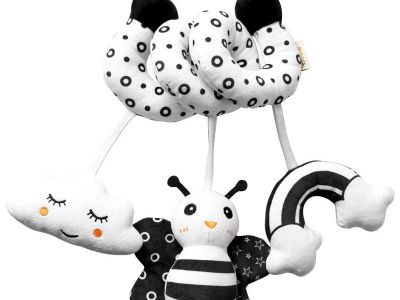
Selecting BPA-Free and Non-Toxic Materials for Wholesale Baby Toy Lines is crucial for manufacturers and buyers who prioritize safety and compliance. In a market where consumer concerns about health and environmental impact are rising, understanding how to choose the right materials is essential for creating safe products. This article aims to provide insights on selecting BPA-free and non-toxic materials, addressing common buyer concerns, and outlining the practical steps necessary for ensuring compliance and quality in baby toy production.
Selecting BPA-Free Materials for Safe Baby Toy Production
BPA (Bisphenol A) is a chemical often found in plastics that has been linked to various health issues, particularly in children. When selecting materials for baby toys, opting for BPA-free options is imperative. Materials such as polyethylene (PE), polypropylene (PP), and thermoplastic elastomers (TPE) are commonly used as safe alternatives. It’s essential to verify that any material sourced is certified BPA-free. Look for manufacturers who provide documentation confirming compliance with safety standards, such as those set by the American Society for Testing and Materials (ASTM) or the Consumer Product Safety Commission (CPSC). These certifications assure that the materials used are safe for children's use. Additionally, consider the manufacturing processes involved. For instance, injection molding techniques can produce high-quality plastic personalized stuffed toy that maintain rigorous safety standards. Understanding the production capabilities of your supplier can help ensure that the final products meet the necessary safety requirements.
How to Choose Non-Toxic Materials for Wholesale Toy Lines?
Choosing non-toxic materials requires a thorough understanding of the various substances that can be harmful to children. Apart from BPA, other chemicals such as phthalates, lead, and formaldehyde should also be avoided. Look for materials that are labeled as non-toxic and free from harmful substances.
When sourcing materials, consider the following:
Material Composition: Review the breakdown of materials used. For example, organic cotton and water-based paints are often preferred for plush toys.
Supplier Certifications: Ensure your supplier holds relevant certifications that indicate adherence to safety standards, such as ICTI or BSCI. These certifications can provide additional assurance regarding the ethical production and safety of materials.
Testing Protocols: Inquire about the testing protocols your supplier employs to ensure materials meet safety guidelines. Regular testing for heavy metals and other toxins is a good practice that reputable manufacturers follow.
Customer Feedback: Assess reviews and feedback from other clients regarding the supplier’s materials of stuffed toys. This can give insight into the durability and safety of the materials used.
What Buyers Need to Know?
When engaging with suppliers for wholesale baby toys, buyers should be equipped with foundational knowledge to make informed decisions. Here are key considerations:
Minimum Order Quantities (MOQs): Be clear about your order requirements. Understanding MOQs can help manage production schedules and inventory levels effectively.
Lead Times: Discuss lead times upfront. Production capacity and equipment availability can significantly impact how quickly you can receive products.
Customization Options: Many manufacturers offer customization services, allowing you to choose colors, designs, and materials that align with your brand. Discuss these options early in negotiations.
Quality Control: Establish a clear quality control process with your supplier. This should include pre-production samples and in-line inspections to ensure compliance with safety standards.
Packaging and Shipping: Ensure that the materials used for packaging are also non-toxic and compliant with regulations. Discuss shipping options and how they may impact costs.
Common Problems in Baby Toy Safety and How to Solve Them
Safety in baby toy production can encounter several challenges. The most common issues include:
Material Non-compliance: Sometimes, materials may not meet safety standards, leading to potential recalls. To mitigate this risk, always request certificates of compliance and conduct your own testing where feasible.
Production Defects: Variability in production processes can lead to defects. Implement stringent quality control measures throughout the manufacturing process, including inspections at various stages.
Supplier Reliability: Inconsistent suppliers can compromise safety and quality. Build relationships with trusted suppliers and establish clear communication channels to address any concerns promptly.
To address these challenges, maintain a proactive approach by developing a comprehensive checklist for safety compliance and regularly auditing supplier practices.
Benefits of Choosing BPA-Free Materials for Your Wholesale Toy Line
Selecting BPA-free materials provides numerous advantages that extend beyond compliance:
Enhanced Safety: Prioritizing BPA-free options significantly reduces health risks for children, fostering trust in your brand.
Market Differentiation: As consumers increasingly seek safer products, offering BPA-free custom made stuffed toys can serve as a unique selling proposition, setting your brand apart in a competitive market.
Eco-Friendliness: Many BPA-free materials are also more environmentally friendly, appealing to eco-conscious consumers and companies.
Quality Assurance: BPA-free materials often undergo rigorous testing, ensuring that they meet or exceed industry safety standards.
By choosing BPA-free and non-toxic materials, manufacturers and buyers can contribute to a safer environment for children, ensuring that their products align with consumer values and regulatory requirements.

