
 EN
EN
 AR
AR
 CS
CS
 DA
DA
 NL
NL
 FI
FI
 FR
FR
 DE
DE
 EL
EL
 IT
IT
 JA
JA
 KO
KO
 NO
NO
 PL
PL
 PT
PT
 RU
RU
 ES
ES
 SV
SV
 IW
IW
 UK
UK
 TR
TR
 AF
AF
 GA
GA
 IS
IS
 LA
LA
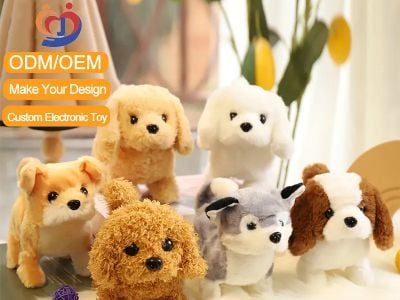
Blind box toys have gained significant traction among consumers, appealing to collectors and casual buyers alike. As a B2B buyer, understanding the nuances of high-margin blind box toys is crucial for making informed purchasing decisions. This guide aims to address key concerns such as supplier selection, quality evaluation, material considerations, distribution channels, and product features. By the end of this article, you will have a comprehensive understanding of how to navigate the landscape of blind box toys effectively.
Choosing the Right Supplier for High-Margin Blind Box Toys
Selecting a reliable supplier is one of the most critical decisions in the blind box toy market. Look for manufacturers with a proven track record in producing toys that meet safety and quality standards. One key factor to consider is the supplier's experience in the industry. A manufacturer with over 10 years of experience, for instance, is likely to have refined their processes and established robust quality control measures.
Additionally, certifications such as ICTI, Sedex, and BSCI indicate a commitment to ethical manufacturing practices and quality assurance. These certifications can help mitigate risks associated with compliance and consumer safety. It's also beneficial to assess the manufacturing capabilities, such as production capacity and machinery used. Suppliers with advanced equipment for sewing, cutting, and injection molding can provide a broader range of customization options and ensure efficient production timelines.
How to Evaluate the Quality of Your Toy Manufacturing Partner
Quality evaluation is essential when selecting a manufacturing partner for blind box toys. Start by requesting samples to assess the craftsmanship and materials used. Pay close attention to details such as stitching quality, surface finish, and overall design accuracy. It's advisable to establish clear quality benchmarks before mass production begins.
Furthermore, inquire about the manufacturer's quality control processes. A robust system should include regular inspections at various stages of production, from raw material sourcing to finished product evaluation. Ensure that the supplier can provide documentation of their testing methods and quality assurance protocols. This transparency will help you gauge their commitment to delivering high-quality products.
Understanding Material Advantages for Plush and Plastic Toys
Material selection plays a pivotal role in the performance and appeal of blind box toys. Plush toys, for example, often utilize soft, hypoallergenic fabrics that enhance the tactile experience for consumers, making them particularly appealing to children. On the other hand, plastic toys can offer durability and versatility in design, allowing for intricate shapes and vibrant colors.
When evaluating materials, consider their compliance with safety standards, especially for toys intended for children. Materials should be free from harmful chemicals and compliant with regulations such as EN71 or ASTM F963. Additionally, the expected lifespan of the product should be factored into the material selection process. A longer-lasting material can lead to higher customer satisfaction and repeat purchases, ultimately boosting profit margins.
Where to Find Reliable Distributors for Blind Box Toy Products
Finding the right distributors is crucial for successfully launching blind box toy products in the market. Start by exploring industry-specific trade shows and exhibitions, where you can meet potential distributors and assess their capabilities firsthand. Networking within industry associations can also provide valuable connections and insights.
Online platforms such as trade directories and B2B marketplaces can be effective for identifying distributors that specialize in toys. It's essential to evaluate their distribution network, market reach, and customer base. Look for distributors who have experience with similar products and understand the nuances of the blind box toys market. Their expertise can significantly enhance your market entry strategy.
Features and Benefits
High-margin blind box toys come with unique features that contribute to their appeal and profitability. First, the element of surprise inherent in blind box plush toys creates excitement for consumers, encouraging impulse purchases. This unpredictability also fosters a collector's mindset, leading to repeat purchases as consumers seek to complete their collections.
From a manufacturing perspective, customization options such as exclusive designs or limited editions can enhance product appeal and command higher prices. Additionally, consider the packaging, which should be both aesthetically pleasing and functional. Effective packaging not only protects the product during transport but also serves as a marketing tool at the point of sale.
In summary, understanding the various aspects of manufacturing high-margin blind box toys is essential for B2B buyers. By selecting the right suppliers, evaluating quality effectively, understanding material advantages, finding reliable distributors, and recognizing key product features, you can navigate this dynamic market with confidence. This comprehensive guide will help you make informed decisions that lead to successful product launches and sustained profitability.

