
 EN
EN
 AR
AR
 CS
CS
 DA
DA
 NL
NL
 FI
FI
 FR
FR
 DE
DE
 EL
EL
 IT
IT
 JA
JA
 KO
KO
 NO
NO
 PL
PL
 PT
PT
 RU
RU
 ES
ES
 SV
SV
 IW
IW
 UK
UK
 TR
TR
 AF
AF
 GA
GA
 IS
IS
 LA
LA
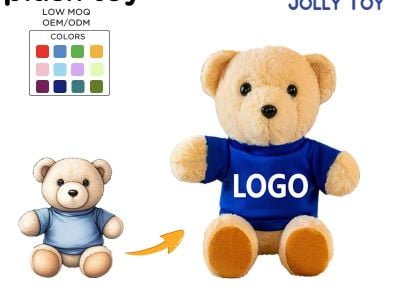
Working directly with a certified toy factory to lower sourcing costs is a strategic approach that can benefit businesses looking to optimize their supply chain. The concerns of B2B buyers often revolve around quality assurance, production efficiency, and cost-effectiveness. We will explore the key considerations in choosing a reliable supplier, the advantages of different materials for plush and plastic toys, common sourcing challenges and their solutions, installation guidance, and how to evaluate supplier reliability for your wholesale toy needs.
How to Choose a Reliable Supplier for Wholesale Toy Purchases?
Choosing a reliable supplier for wholesale toy purchases involves thorough evaluation and understanding of several key factors. First, assess the manufacturer’s certifications, as these ensure compliance with safety and quality standards. Look for certifications like ICTI, Sedex, and BSCI, which indicate a commitment to ethical manufacturing practices and social compliance. Next, consider the supplier’s manufacturing capabilities. A certified toy factory with advanced machinery for sewing, cutting, embroidery, and injection molding can offer a wider range of products and customization options. Understanding their production capacity such as an annual output of 800,000 pieces—can help you determine if they can meet your demand without compromising quality. Finally, don’t overlook communication. A supplier who is responsive and transparent about production timelines, pricing, and potential challenges will likely provide a smoother purchasing experience. Always request samples to evaluate quality before committing to a large order.
Understanding Material Advantages for Plush and Plastic Toys
The choice of material is critical in determining the quality, durability, and safety of plush and plastic toys. Plush toys are typically made from soft fabrics such as polyester or cotton, which provide a comforting texture. Polyester, for example, is favored for its durability and resistance to shrinking, making it suitable for toys that may require washing. On the other hand, plastic toys often utilize materials like ABS or PVC. ABS (Acrylonitrile Butadiene Styrene) is known for its toughness and impact resistance, which makes it ideal for high-usage toys. PVC (Polyvinyl Chloride) is versatile and can be molded into various shapes, but it requires careful selection to ensure it meets safety standards for children's soft toys. Understanding these material properties helps you select the right type of toy for your target market, ensuring both safety and satisfaction.
Common Sourcing Problems and Solutions for Toy Importers
Importers often face several common sourcing problems, including quality discrepancies, shipping delays, and miscommunication with suppliers. One prevalent issue is the mismatch between product specifications and the final product delivered. To mitigate this, it is essential to establish clear specifications and quality standards upfront. Detailed technical drawings and prototypes can serve as references during production. Shipping delays can also affect your inventory and sales. To address this, work closely with your supplier to establish realistic timelines and contingency plans. Ensure that your supplier has a reliable logistics partner and that they understand the importance of timely delivery. Miscommunication can lead to misunderstandings about customization options or product features. Regular updates and consultations throughout the production process can help avoid these pitfalls. Consider periodic audits or visits to the factory to ensure adherence to your requirements and to build a stronger relationship with your supplier.
Installation Guidance for Plush and Plastic Toy Products
When it comes to plush and plastic toy products, proper installation and assembly can enhance safety and user experience. For plush toys, ensure that any additional components, such as eyes or accessories, are securely attached. It's advisable to conduct a thorough inspection of samples to confirm that these parts are durable and safe for children. For plastic toys, clear assembly instructions should accompany the product. If the toys require assembly, consider providing a user-friendly guide that outlines each step. Highlighting safety tips, such as checking for small parts that may pose choking hazards, is crucial. Lastly, testing should be conducted under actual usage conditions to ensure that the Baby Soft Toys meet performance expectations. This includes durability tests, which can help identify potential points of failure before mass production.
Evaluating Supplier Reliability for Your Wholesale Toy Needs
Evaluating supplier reliability is essential for ensuring a consistent quality of toys. Start by reviewing the supplier’s track record and customer feedback. Look for testimonials or case studies that highlight their ability to meet deadlines and maintain quality standards. A robust quality control process is another indicator of reliability. Inquire about the steps the supplier takes to ensure that each toy meets safety regulations and quality benchmarks. This might include in-process inspections, final product testing, and adherence to international personalized stuffed toy safety standards. Additionally, assess the supplier’s financial stability and production capabilities. A reliable supplier should have the resources to handle fluctuations in demand and the ability to scale production as needed. This ensures that your orders can be fulfilled without delays, contributing to your overall business efficiency. By focusing on these key aspects, you can confidently work directly with a certified toy factory to lower sourcing costs while maintaining high standards of quality and reliability.

