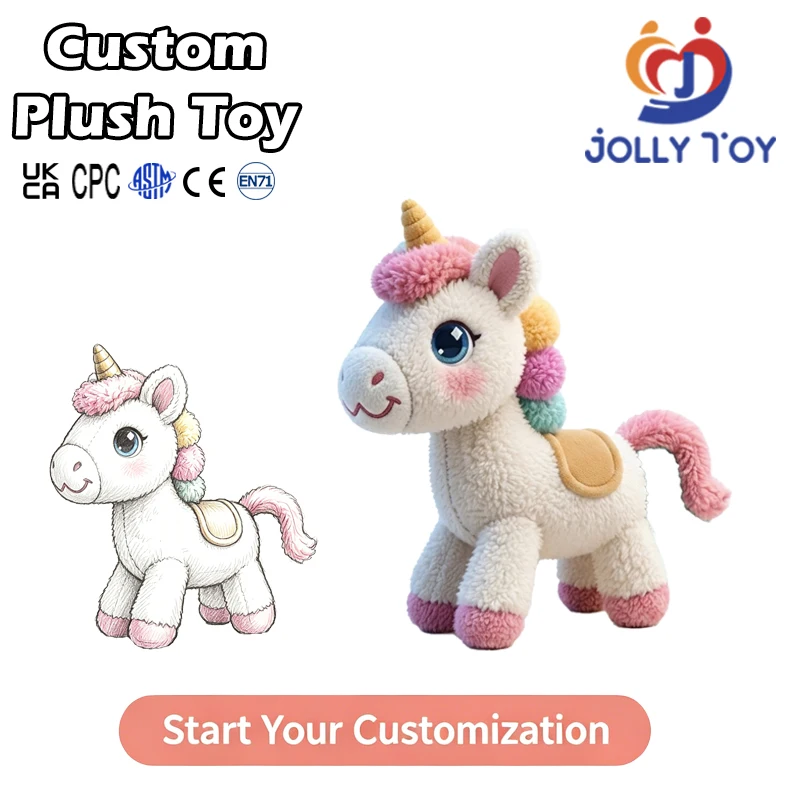
In the world of B2B commerce, selecting the right plush toy supplier is crucial for businesses looking to offer quality products while ensuring compliance and safety. Buyers, including purchasing managers, distributors, and product managers, often face challenges in evaluating suppliers based on manufacturing capabilities, quality assurance, and cost factors. This article aims to provide a comprehensive guide on what to consider when choosing Jolly Toy plush toy keychain, key specifications needed for manufacturing, cost factors, safety compliance, and the various applications of plush toys across industries.
When selecting a plush toy supplier, there are several critical factors to consider that can impact your purchase decision. First, assess the supplier's manufacturing capabilities. Jolly Toy plush toy has with over 10 years of experience, like ours, will likely have a well-established production process and advanced machinery for sewing, cutting, and embroidery. This experience translates into efficiency and quality in the final product.
Additionally, you should evaluate the supplier's certifications. Look for suppliers that hold certifications such as ICTI, Sedex, and BSCI, which indicate compliance with social and quality standards. These certifications of Jolly Toy custom plush toy maker ensure that the supplier maintains ethical labor practices and a commitment to quality control.
Another key consideration is the supplier’s capacity to customize products according to your specific needs. Whether you require unique designs, sizes, or materials, a capable supplier should offer customization options that align with your brand requirements. Finally, it's essential to review the supplier's lead times and minimum order quantities (MOQs) to ensure they can meet your business demands without delays.
When evaluating plush toy manufacturers, several specifications are crucial to ensuring high-quality products. Key specifications include material selection, dimensions, and safety features. The materials used in plush toys significantly affect their durability, feel, and safety. Common materials include polyester and cotton, both of which should be tested for compliance with safety standards.
Dimensions are equally important; toys should be designed to meet specific market requirements. For instance, toys for infants and toddlers must be sufficiently sized to avoid choking hazards. Therefore, obtaining detailed specifications and ensuring that they meet relevant safety guidelines is essential.
Quality control processes are another critical aspect. A reputable plush toy supplier should have stringent quality checks throughout the production process, from raw material inspection to final product testing. This helps prevent issues such as loose stitching or unsafe components, ensuring that the final products are safe and durable.
Cost is a significant factor for businesses when purchasing plush toys wholesale. Several elements influence pricing, including material costs, labor expenses, and production techniques. High-quality materials typically incur higher costs but can enhance the product's overall appeal and durability.
Labor costs also play a pivotal role in the final pricing. Suppliers with ethical labor practices may have higher wages, which can be reflected in the price. However, this often results in better craftsmanship and quality assurance.
Production techniques can also impact costs. For example, advanced machinery and automated processes can reduce production times and labor costs, leading to more competitive pricing. It's advisable to request detailed quotations from suppliers, highlighting how these factors contribute to the overall price. Additionally, consider the potential for discounts based on larger order quantities, which can help mitigate costs.
Safety is paramount when it comes to plush toys, especially for products aimed at children. Compliance with safety standards is non-negotiable. Ensure that your supplier adheres to relevant regulations, such as the ASTM F963 in the United States or EN71 in Europe, which outline safety requirements for toys.
In addition to regulatory compliance, it is essential to check for third-party testing certifications. Toys should be tested for harmful substances, choking hazards, and overall durability. A reliable supplier will provide documentation proving that their products have passed these safety tests.
Moreover, consider the specific requirements for your target market. Different regions may have varying safety standards, so it’s crucial to confirm that the supplier can meet these requirements based on your export markets. This diligence can help avoid costly recalls or reputational damage.
Plush toys are versatile products used in multiple sectors beyond traditional retail. They are commonly found in educational settings, where they serve as learning tools or comfort items for children. For example, plush toys can be used in early childhood education to teach children about emotions, animals, or other concepts.
In healthcare, plush toys are often used as therapeutic tools in pediatric hospitals, providing comfort to children undergoing treatment. They can help alleviate anxiety and make the medical environment feel less intimidating.
Promotional uses are another significant application. Many businesses use custom plush toys as branded merchandise to enhance their marketing efforts. A well-designed plush toy can serve as a memorable giveaway that reinforces brand identity and encourages customer loyalty.
Finally, plush toys are increasingly used in corporate gifting or as part of event promotions, making them attractive to a wide range of industries. Understanding these diverse applications can help buyers select the right plush toy supplier that meets their specific needs and market demands.
In summary, selecting a plush toy supplier requires careful consideration of several factors, including manufacturing capabilities, specifications, cost structures, safety compliance, and the intended applications of the toys. By being thorough in your evaluation process, you can ensure that you partner with a reliable supplier who meets your business requirements effectively.

 EN
 AR
 CS
 DA
 NL
 FI
 FR
 DE
 EL
 IT
 JA
 KO
 NO
 PL
 PT
 RU
 ES
 SV
 IW
 UK
 TR
 AF
 GA
 IS
 LA