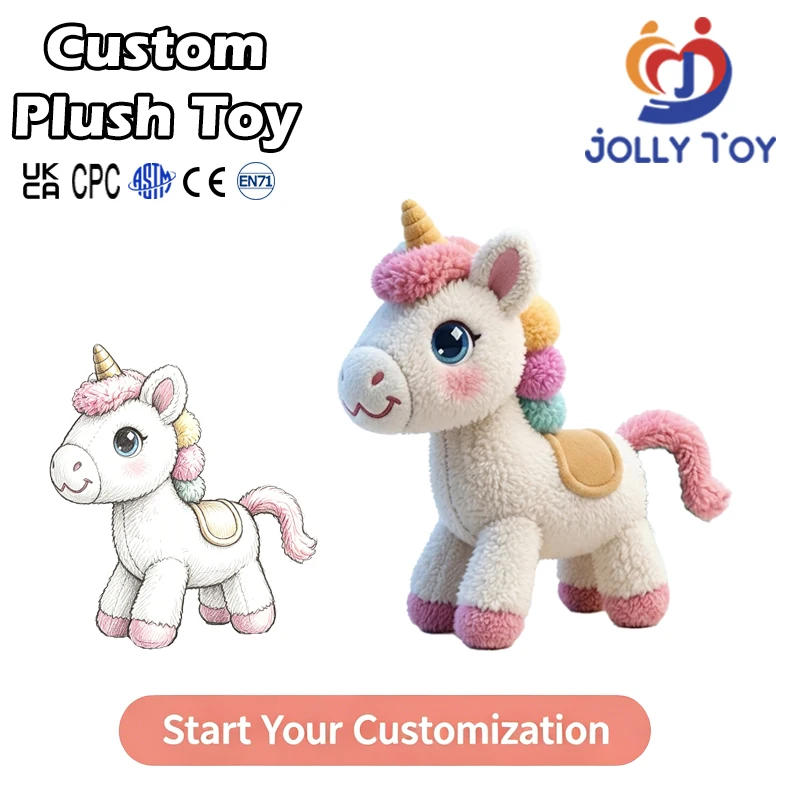
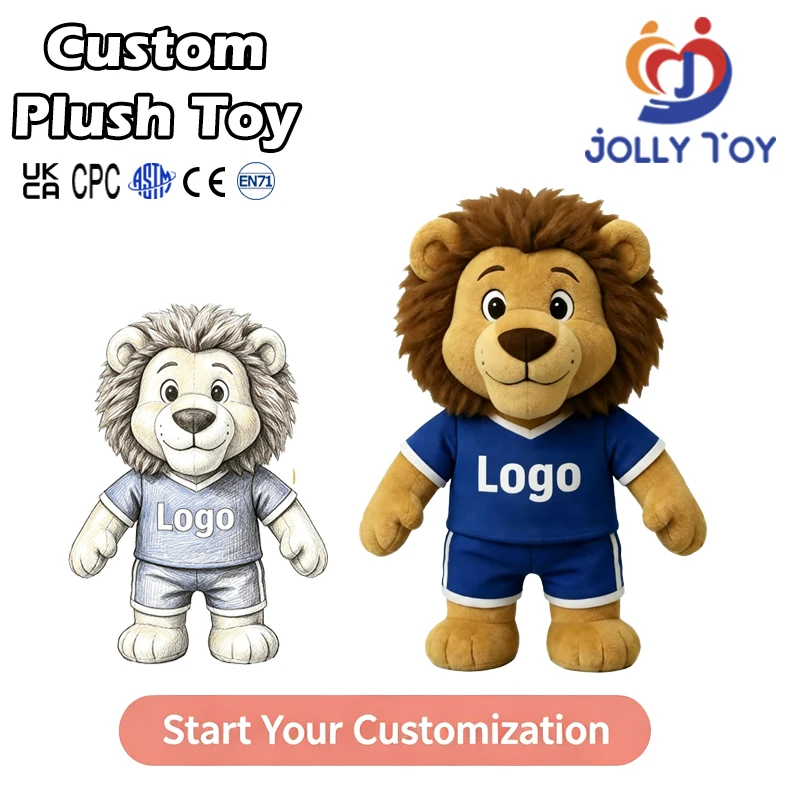
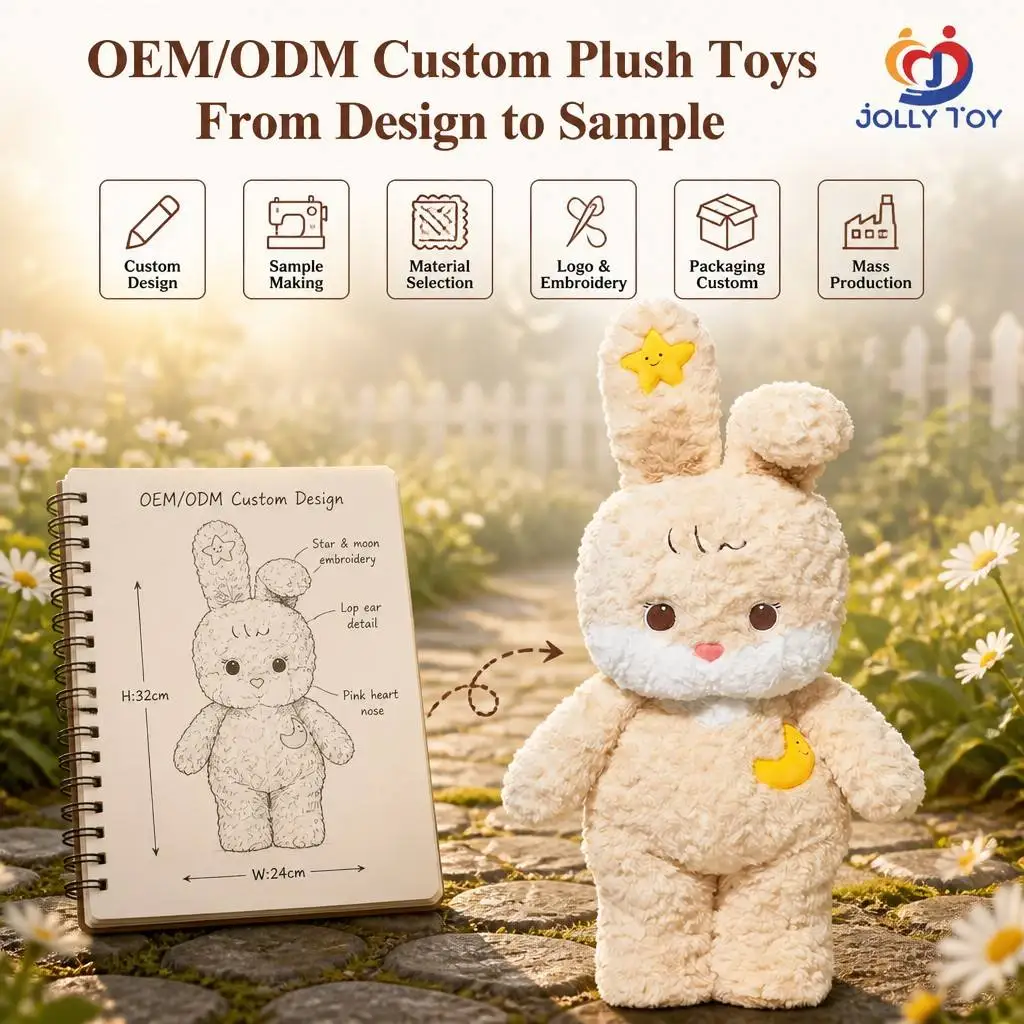
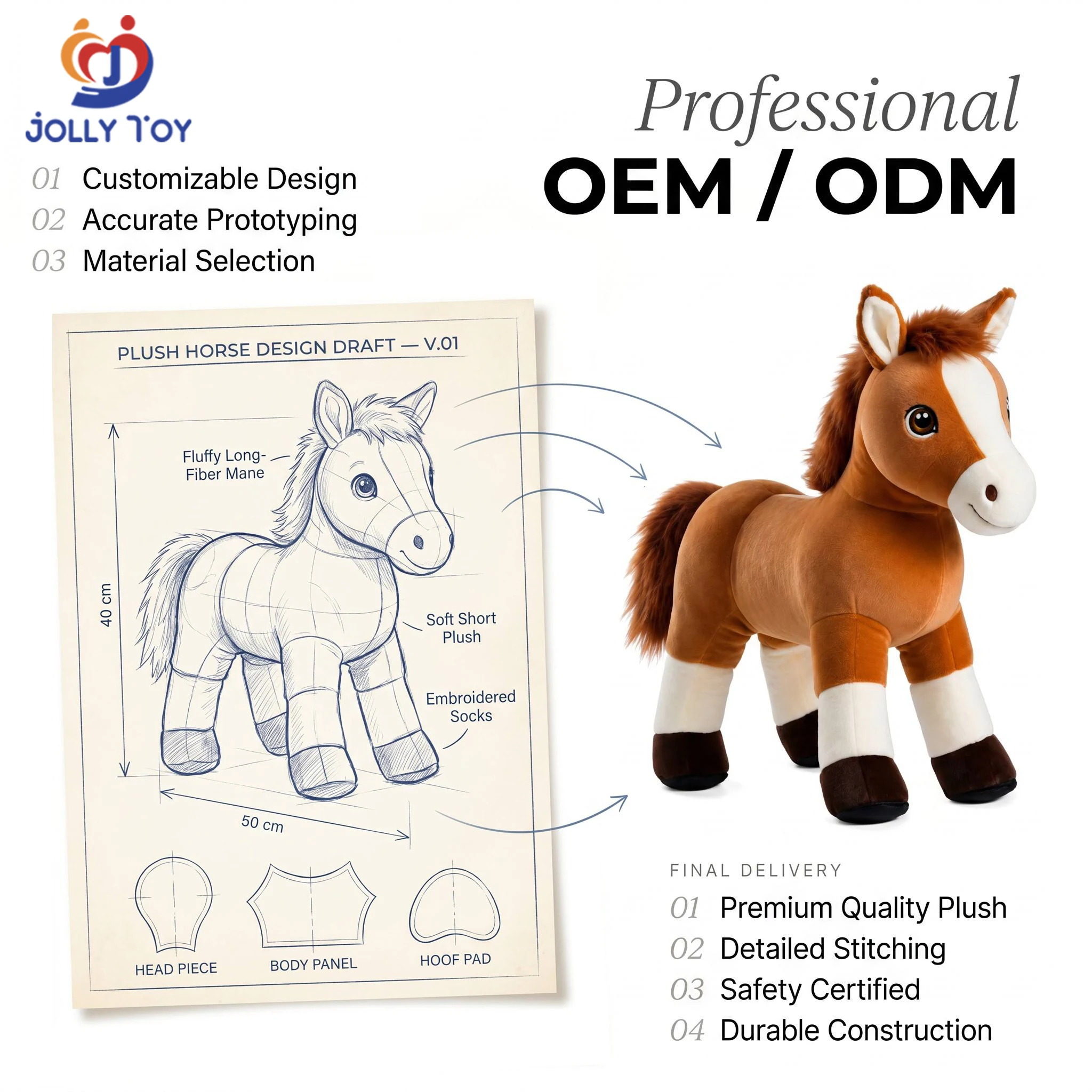
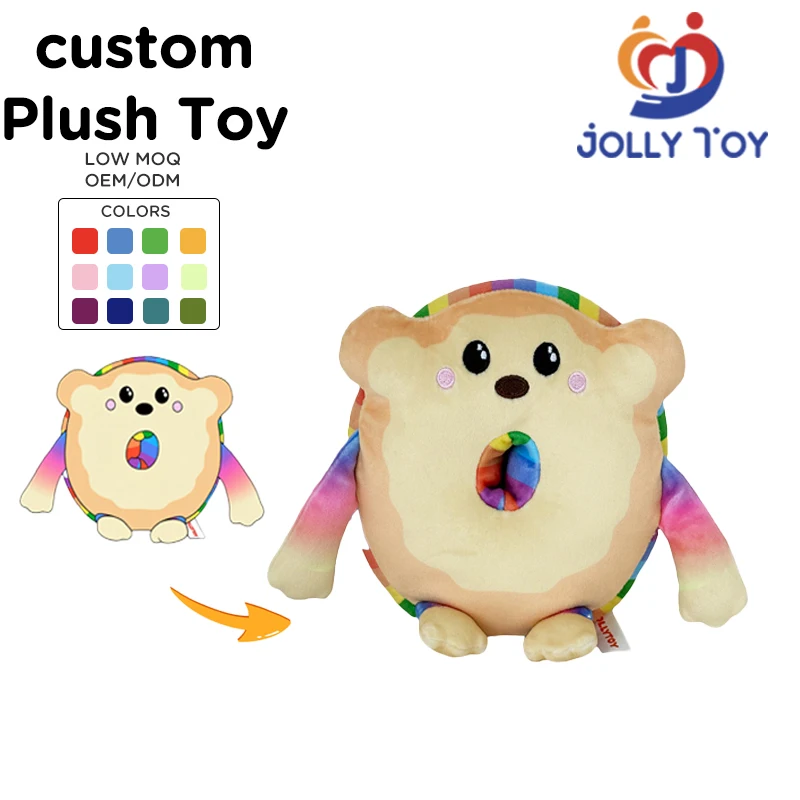
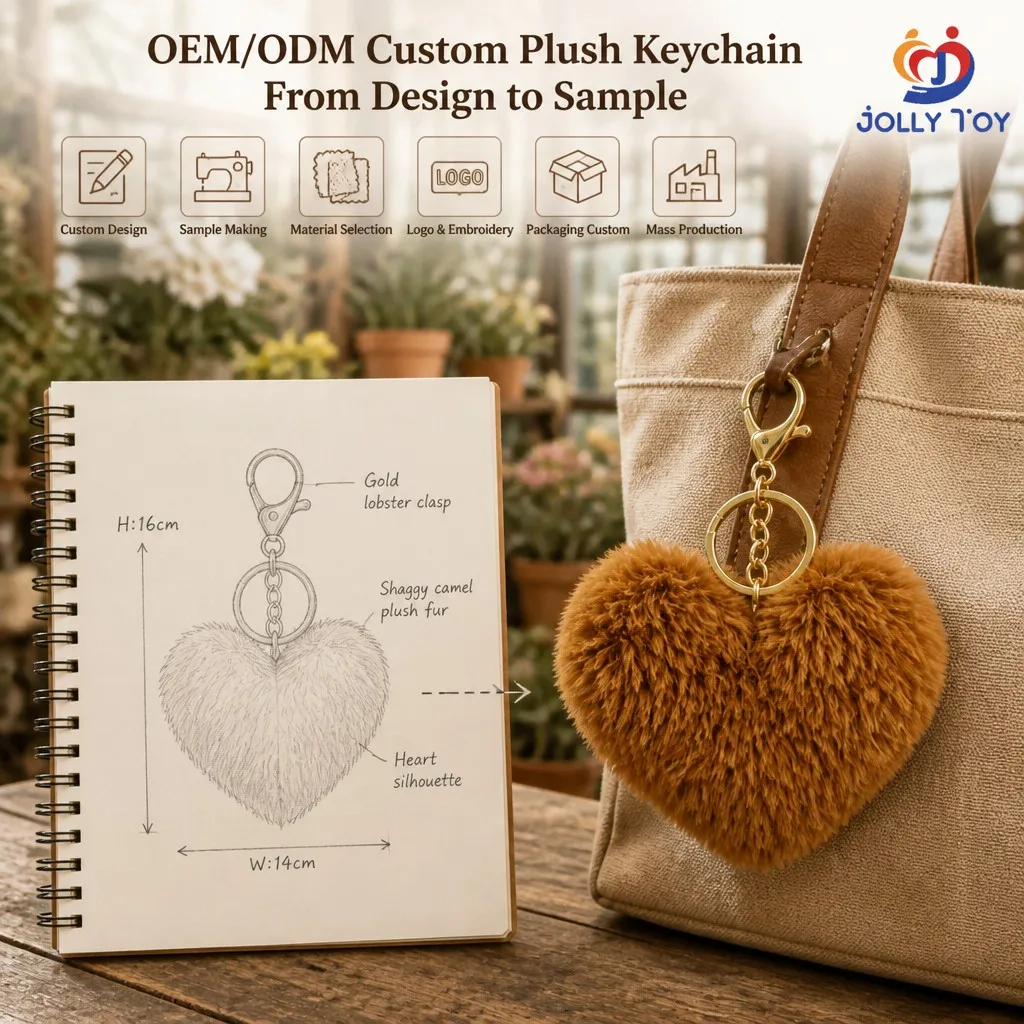
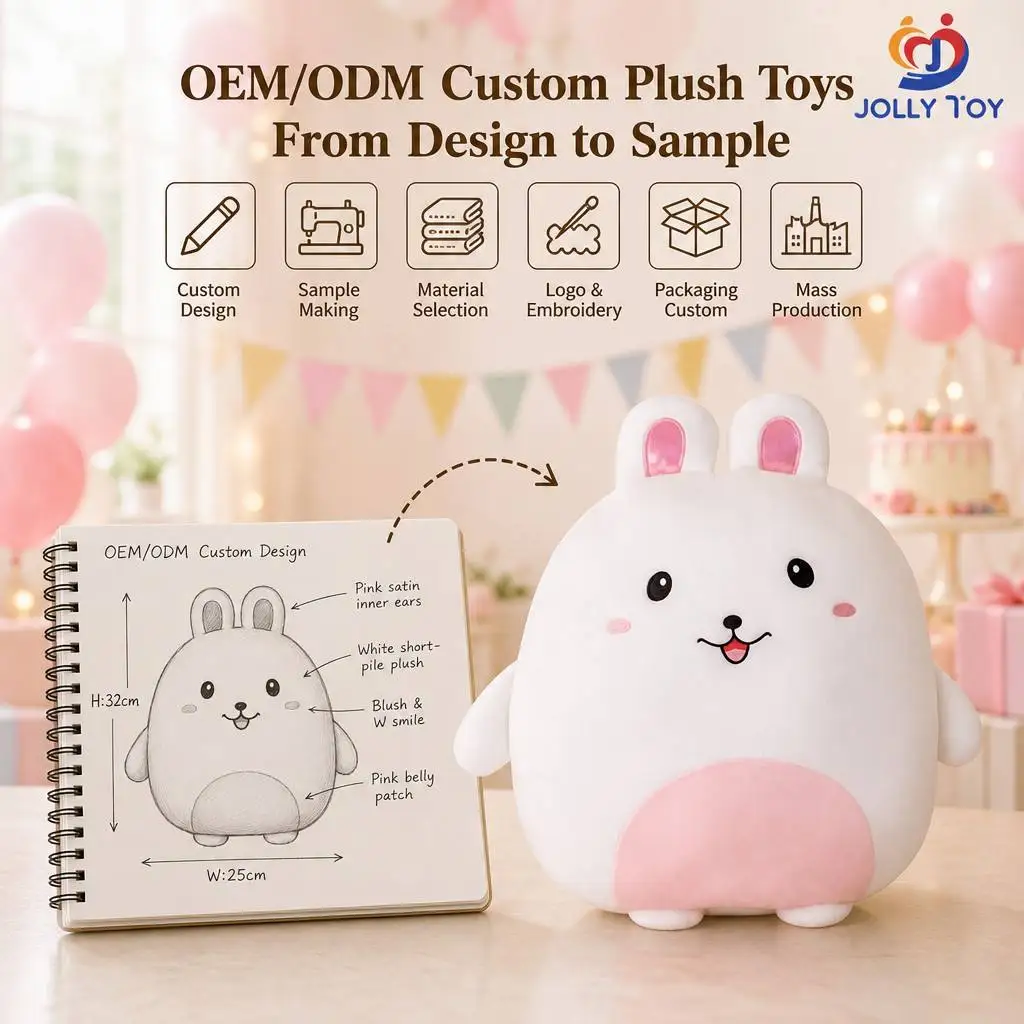
When considering customizing plushies for wholesale, businesses need to find the right balance between quality, design, and production capabilities. Custom plush toys can serve various purposes, from promotional items to unique gifts, making them an attractive option for many companies. This article will guide you through the essential factors to consider when selecting a custom plush toy, ensuring that you make informed decisions that meet your business needs.
When selecting custom plush toys for your business, several key factors should be taken into account. First, consider the target audience and purpose of the plushies. Are they intended for children, promotional events, or corporate gifts? Each purpose may dictate specific design features, sizes, and materials. Next, examine the materials used in production. Plushies are often made from various fabrics, including cotton, polyester, or blends. The choice of material can affect the toy's safety, durability, and tactile appeal. For example, plushies made from organic cotton may be more suitable for children's toys due to safety standards and eco-friendliness. Customization capabilities are also crucial. Your manufacturer should be able to accommodate specific designs, including colors, embroidery, and added features like sound or lights. Understanding the minimum order quantities (MOQs) required by suppliers can help you plan your budget and inventory effectively. Lastly, don't overlook the importance of certifications. Look for personalized plush toys manufacturers that hold relevant certifications, such as ICTI, Sedex, or BSCI, which indicate compliance with safety, quality, and ethical labor standards.
Quality evaluation is a critical step when ordering custom plush toys in bulk. Start by requesting samples before committing to a large order. Examine the craftsmanship, including stitching quality, material feel, and overall finish. A well-constructed plush toy will have even seams, no loose threads, and a soft, appealing texture. Next, consider the safety standards relevant to your market. For instance, if the plushies are intended for children, they must comply with safety regulations, such as ASTM F963 in the United States or EN71 in Europe. These standards outline requirements for materials, mechanical properties, and labeling to ensure the toys are safe for use. Additionally, clarify the manufacturer's quality control processes. Understanding how they monitor production quality, including inspections during and after manufacturing, can provide insight into the consistency you can expect with your orders.
Finding reliable suppliers for custom plush toy production involves thorough research and evaluation. Start by looking for manufacturers with a proven track record in the plush toy industry. Online directories, industry trade shows, and trade associations can be valuable resources for identifying potential suppliers. Once you have a list of candidates, assess their manufacturing capabilities. Verify their production capacity, equipment, and technology used. A well-equipped factory can handle diverse customization needs and larger orders without compromising quality. It's also crucial to check their certifications and industry reputation. Look for reviews or testimonials from other businesses that have worked with the supplier. This feedback can provide insights into the supplier's reliability, communication, and adherence to timelines. Additionally, consider establishing a relationship with suppliers who are open to collaboration and communication. A responsive supplier can help address any issues that may arise during the production process and adapt to your changing requirements.
When preparing to make a purchase of custom plushies, it's essential to gather and organize specific information to facilitate the ordering process. Here’s a checklist of essential information to provide when requesting a quotation (RFQ):
Product Type: Specify the type of plush toy you need, including design elements and intended use
Dimensions: Provide the desired size of the plushies, as this will impact material use and production costs
Material Preferences: Indicate any specific materials you prefer, considering safety and market demands
Quantity: State the minimum and maximum quantities you are interested in ordering
Customization Details: Outline any specific customization requirements, such as colors, logos, or additional features
Packaging: Specify how you want the plushies packaged for shipping or retail display
Delivery Destination: Provide shipping information to factor in logistics and costs
Artwork and Technical Drawings: If applicable, include any necessary design files that can assist in the production process
By preparing this information in advance, you can streamline communication with potential personalized plush suppliers, ensuring you receive accurate quotes and timelines.
Different projects may require specific types of custom plushies, and comparing options effectively can help ensure you select the right product. Start by categorizing your needs based on each project’s purpose, such as promotional giveaways, educational tools, or retail products. Assess the design specifications required for each project. For promotional items, vibrant colors and the ability to incorporate logos or slogans may be essential. Conversely, for educational plushies, consider designs that facilitate learning, such as animal shapes or characters from popular stories. Evaluate the pricing structure between different suppliers. While some may offer lower prices, it's vital to consider the overall value, including quality and customization options. A higher-quality plush toy may provide better durability and appeal, ultimately leading to greater customer satisfaction and repeat business. Additionally, consider lead times and production schedules. Ensure that suppliers can meet your project timelines without compromising quality. A supplier who can offer flexible solutions to accommodate your specific requirements will be invaluable. In summary, customizing plushies for wholesale requires careful consideration of various factors, including design, materials, quality, and supplier reliability. By following these guidelines, you can make informed purchasing decisions that meet your business needs and delight your customers.

 EN
EN
 AR
AR
 CS
CS
 DA
DA
 NL
NL
 FI
FI
 FR
FR
 DE
DE
 EL
EL
 IT
IT
 JA
JA
 KO
KO
 NO
NO
 PL
PL
 PT
PT
 RU
RU
 ES
ES
 SV
SV
 IW
IW
 UK
UK
 TR
TR
 AF
AF
 GA
GA
 IS
IS
 LA
LA