Custom stuffed toys are a popular choice for businesses looking to create unique promotional items or product lines that resonate with their target audience. As a B2B buyer, you likely have concerns about quality, material selection, production capacity, and customization options. This article will guide you through essential considerations to help you make informed decisions when sourcing custom made stuffed toys for your business.
When selecting custom stuffed toys, consider your target audience and the purpose of the toys. Are they intended as promotional gifts, educational tools, or retail products? The design and functionality should align with your brand identity and customer preferences
Target Audience: Understand the age group and interests of your audience. For instance, plush toys for toddlers may need to be softer and safer, while items for older children or adults can incorporate more intricate designs and features
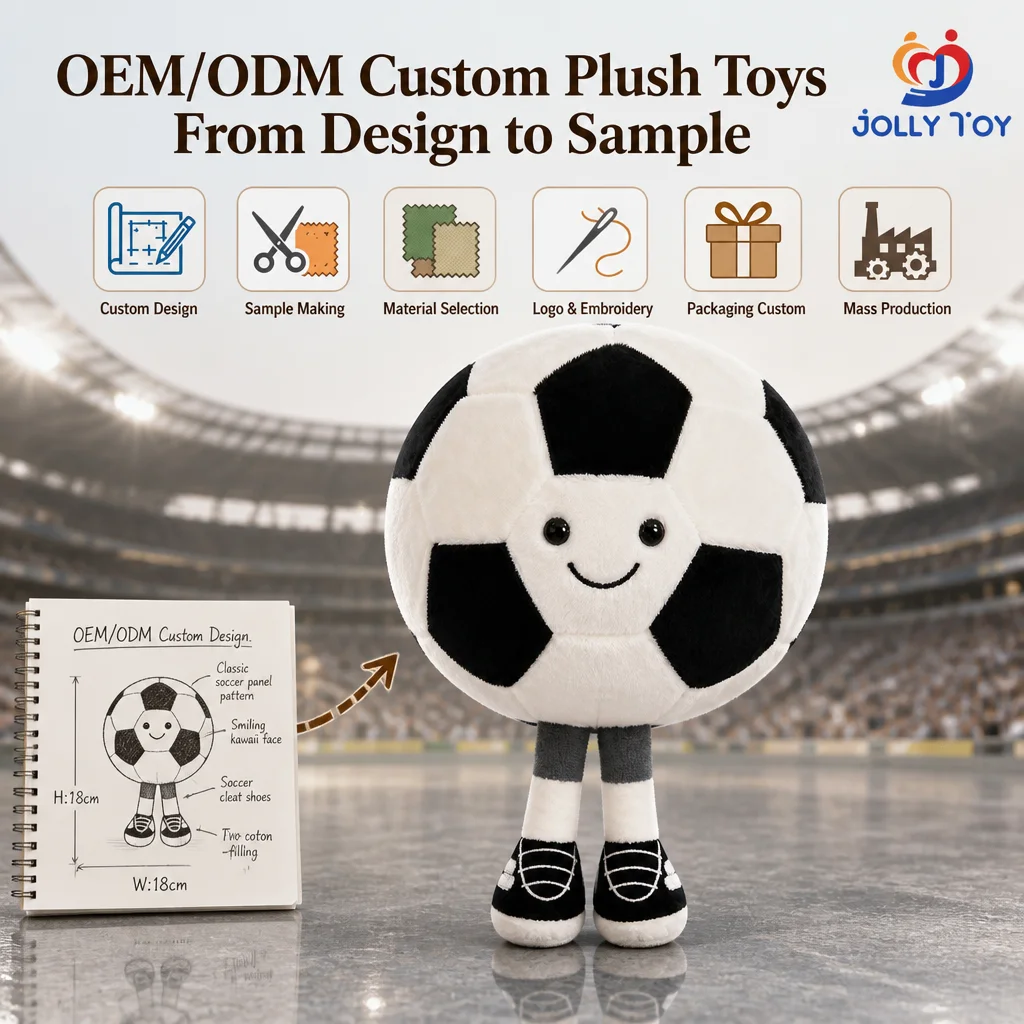
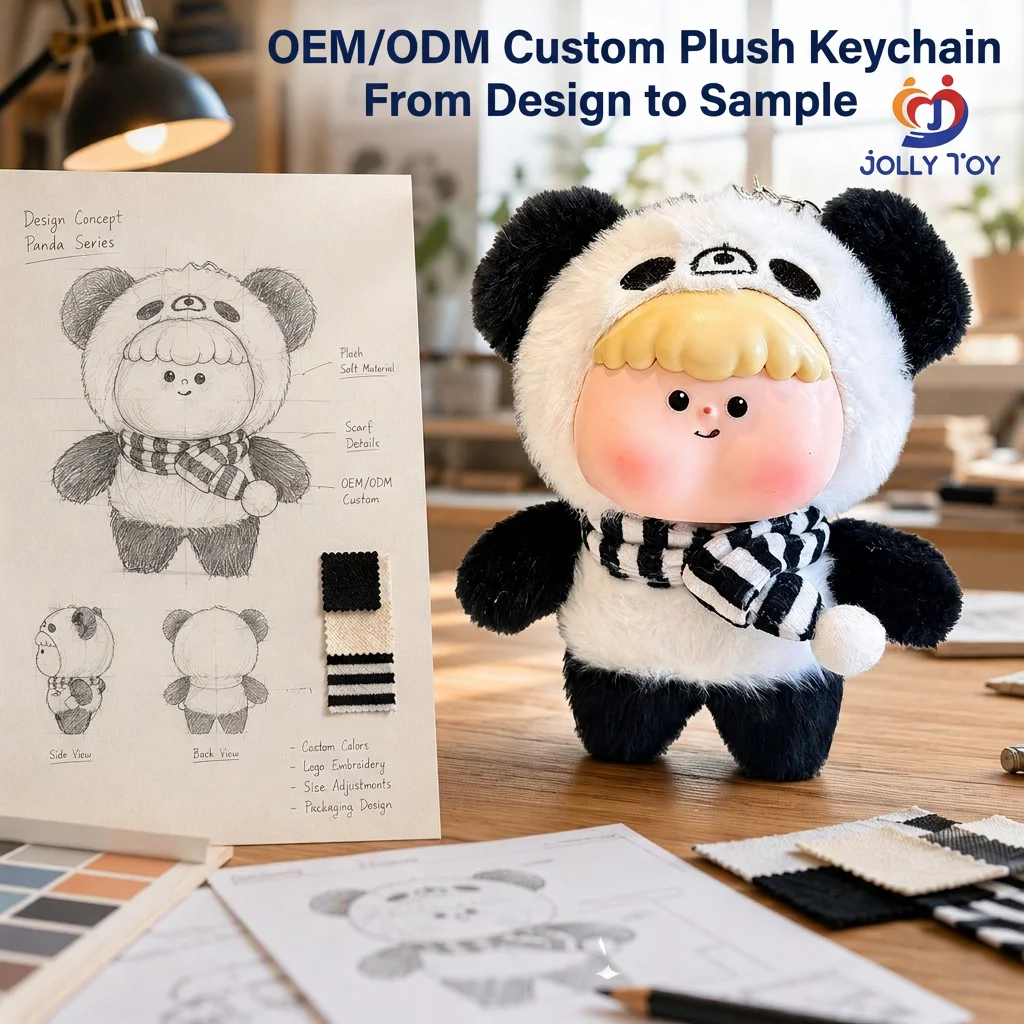
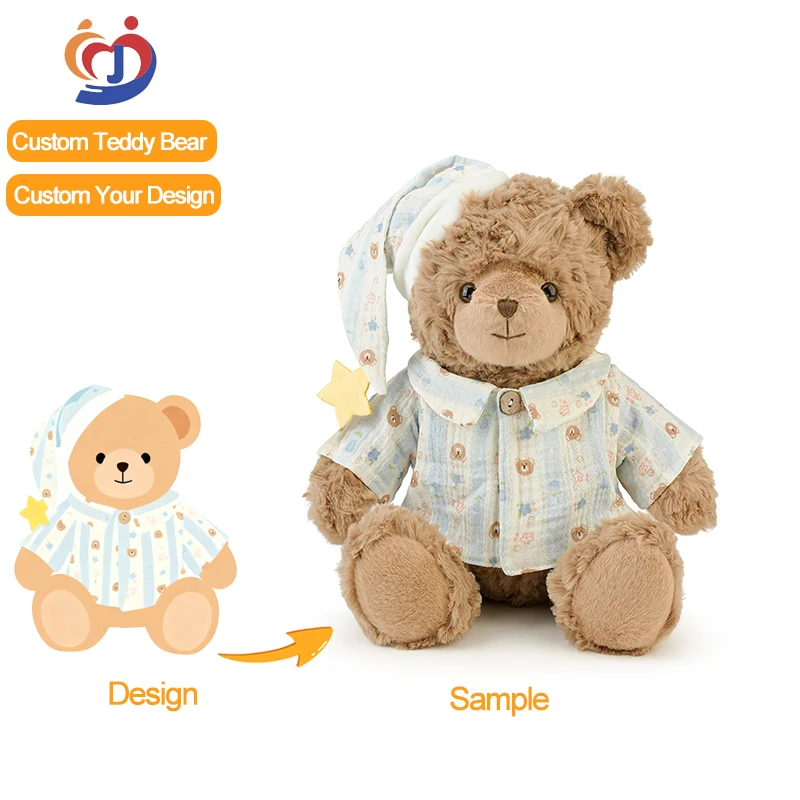
Customization Options: Investigate the extent to which you can customize the toys, including size, color, and branding elements. A reliable personalized stuffed toy manufacturer will offer diverse options, allowing your products to stand out in a crowded market
Quality Standards: Look for suppliers who adhere to industry certifications (eg., ICTI, Sedex, BSCI) to ensure that the toys meet safety and quality standards. This is crucial to avoid product recalls and ensure customer satisfaction.
Finding the right supplier is essential for ensuring quality and reliability in production. Start by exploring various avenues:
Industry Trade Shows: Attend toy fairs and trade shows where manufacturers showcase their products. This allows you to meet suppliers face-to-face and assess their offerings in person
Online Marketplaces: Platforms like Alibaba and ThomasNet feature numerous manufacturers with user reviews that can help you gauge their reliability. However, always verify supplier credentials and request samples before placing large orders
Networking: Leverage industry contacts and professional networks to get recommendations. Experienced peers can provide insights into their supplier relationships and product quality
Supplier Certifications: Focus on suppliers with relevant certifications, as these indicate adherence to quality and ethical standards.
While producing custom stuffed toys, various challenges may arise. Here are some common issues and how to address them:
Material Issues: Selecting the wrong material can lead to durability concerns. Ensure that the manufacturer uses high-quality fabrics and stuffing materials that meet safety standards. Request material samples to evaluate texture and quality before mass production
Design Flaws: Designs that look good on paper may not translate well into production. It's advisable to produce a prototype before full-scale manufacturing to identify any potential design flaws
Lead Time Delays: Supply chain disruptions can cause delays. Discuss lead times upfront and consider building in buffer time to accommodate unexpected delays
Quality Control: Insufficient quality checks can result in defective products. Implement strict quality control processes at various production stages, including pre-production and post-production inspections.
When sourcing custom stuffed toys, several specifications should be considered to ensure the final product meets your needs:
Dimensions: The size of the toys should align with your target audience and intended use. Larger toys may be more suitable for decorative purposes, while smaller ones can be used as promotional giveaways
Material Composition: The choice of materials affects not only the toys' appearance but also safety and durability. For example, using hypoallergenic fabrics is essential for toys aimed at infants
Production Techniques: Understanding the manufacturing process—whether it's sewing, embroidery, or injection molding—can provide insights into the final product's quality and durability
Safety Standards: Ensure that all materials and processes comply with safety regulations relevant to your market, such as EN71 or ASTM standards.
The materials used in custom stuffed toys can significantly impact their quality and functionality. Here are some commonly used materials and their advantages:
Plush Fabrics: Soft, cozy fabrics like polyester and cotton are popular for their comfort and appeal. They provide a pleasant tactile experience, making them ideal for children's toys
Recycled Materials: Using eco-friendly materials can enhance your brand's image and appeal to environmentally conscious consumers. Many manufacturers now offer options made from recycled plastics or organic cotton
Safety Features: Look for materials that are free from harmful chemicals and allergens. Compliance with safety standards must be verified to ensure that the toys are safe for children
Durability: Selecting robust materials ensures the toys can withstand wear and tear, especially if they are intended for active play. Consider materials with good abrasion resistance and washability
By carefully considering these factors, you can create custom stuffed toys that not only meet market demands but also align with your business goals.

 EN
EN
 AR
AR
 CS
CS
 DA
DA
 NL
NL
 FI
FI
 FR
FR
 DE
DE
 EL
EL
 IT
IT
 JA
JA
 KO
KO
 NO
NO
 PL
PL
 PT
PT
 RU
RU
 ES
ES
 SV
SV
 IW
IW
 UK
UK
 TR
TR
 AF
AF
 GA
GA
 IS
IS
 LA
LA