 EN
EN
 AR
AR
 CS
CS
 DA
DA
 NL
NL
 FI
FI
 FR
FR
 DE
DE
 EL
EL
 IT
IT
 JA
JA
 KO
KO
 NO
NO
 PL
PL
 PT
PT
 RU
RU
 ES
ES
 SV
SV
 IW
IW
 UK
UK
 TR
TR
 AF
AF
 GA
GA
 IS
IS
 LA
LA
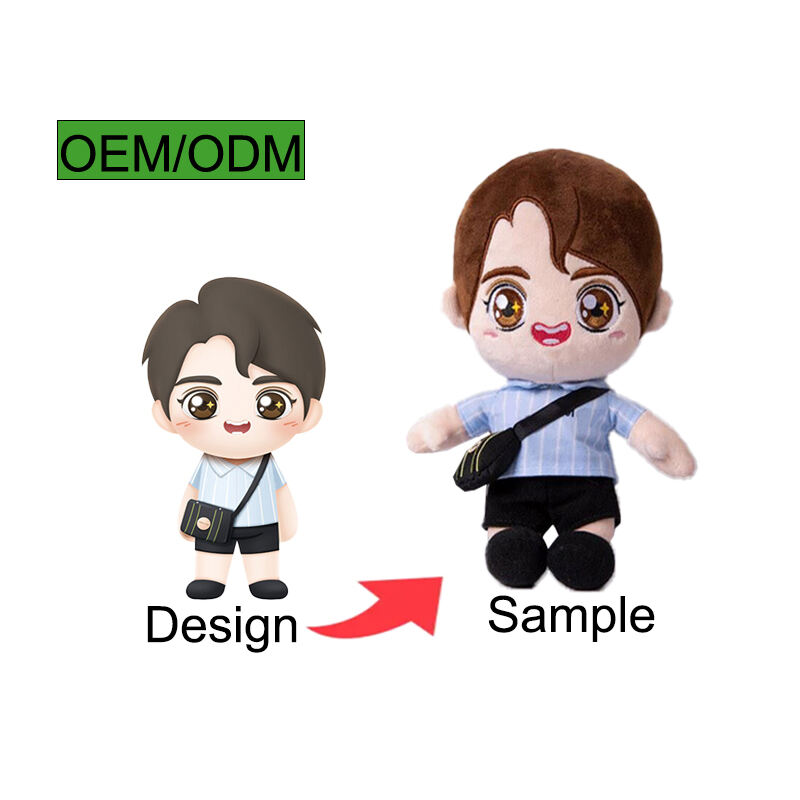
When thinking about exporting custom plush toys, it’s important to know the rules and certifications that make sure these toys are safe and fit the standards of other countries. Jolly Toy want to ensure that our plush toys are not only fun and cuddly but also safe for everyone, specially children. Different countries has various rules, and it's vital to follow them to avoid problems during shipping. Getting the right certifications help to show that our toys are made with care and are safe for kids to play with. This is not just about making a sale; it’s about keeping children safe and making sure parents can trust the toys they buy.
What Certifications Are Essential for Exporting Custom Plush Toys?
When exporting custom plush toys, several certifications is essential. First, there is the ASTM F963 certification, which is very important in the United States. This standard ensures that toys are safe to play with and do not have harmful materials. If Jolly Toy wants to sell toys in the U.S., we need to make sure our products meet these safety standards. Another necessary certification is the EN71, which is the European standard for toy safety. This certification checks for mechanical safety, flammability, and chemical safety of toys made for children. If a plush toy is going to Europe, having the EN71 certification is crucial. There’s also the CPSIA certification in the U.S., which stands for the Consumer Product Safety Improvement Act. This act places limits on the amount of lead and Phthalates in children's toys. Jolly Toy ensures that our plush toys comply with this act to keep kids safe. In addition, when exporting to countries like Canada, obtaining the Canadian Standards Association (CSA) certification can be very helpful. Each certification has its own tests and checks, and Jolly Toy works hard to meet these requirements so parents and children can enjoy our toys without worry.
What Are the Key Compliance Regulations for Wholesale Plush Toys?
So, when selling plush toys in bulk, it's also important to follow specific compliance regulations. One of the main regulations is labeling. The label must include important information like the toy's age recommendation, care instructions, and safety warnings. For example, if Jolly Toy creates a plush toy for kids under three years old, the label must warn about small parts that could be a choking hazard. Another important regulation is tracking and traceability. This means that we need to keep records of where our materials come from and how our toys are made. This is important for safety recalls. If a toy is found to be unsafe, we need to know how to find it quickly. There are also regulations about the materials used in plush toys. Certain chemicals and materials are not allowed in toys sold in many countries. Jolly Toy makes sure to use safe materials that comply with these regulations. Lastly, some countries may have additional rules about toys, so it’s essential to research the specific regulations in each country where we plan to sell our plush toys. By following these compliance regulations, Jolly Toy ensures that every toy is not only fun and cuddly but also safe for all children.
Navigating the Certification Process for Custom Plush Toys
When making custom plush toys to sell in other countries, it is very important to understand the certification process. Certifications are like special badges that show the toys are safe and meet certain rules. For Jolly Toy, it’s essential to follow these steps to navigate the certification process smoothly. First, you need to know which safety standards apply to your plush keychains. Different countries have different rules, so it’s important to research the specific requirements for the country you want to export to. For example, if you want to sell in Europe, you might need to follow the EN71 safety standard, which focuses on making sure toys are safe for children. After you figure out the right standards, the next step is to test your toys. This means sending samples of your plush toys to a testing lab that checks for safety. The lab will look for things like small parts that could be a choking hazard or materials that could be harmful. Once your toys pass the tests, you will receive certificates that prove they are safe. It’s also a good idea to keep all your documents organized. This way, if you need to show proof of safety to customs or buyers, you can easily find everything. Finally, make sure to stay updated on any changes in safety rules. Regulations can change, so it’s important to keep an eye on any new laws that might affect your plush toys. By following these steps, Jolly Toy can successfully navigate the certification process and ensure that its custom plush toys are safe for children everywhere.
Common Certification Issues When Exporting Plush Toys
When exporting plush toys, there are some common certification issues that you should be aware of. One major issue is not having the right testing done. Sometimes, companies think they can skip testing because they believe their toys are already safe. However, without proof from a certified lab, you could face serious problems when trying to sell your toys in another country. Another common issue is using materials that do not meet safety standards. For example, if you use fabric or stuffing that is not flame-resistant, your toys may not pass inspections. It is very important to check all materials and ensure they meet the required safety standards for the country you are exporting to. Additionally, not keeping proper records can lead to problems. If you cannot provide documentation for your certifications, you might not be allowed to sell your toys. Customs officials often ask for proof of safety certifications before allowing your products into their country. Lastly, timing is another issue. The certification process can take a while due to testing and paperwork. If you don’t plan ahead, you may miss important deadlines, which could delay your export. For Jolly Toy, being aware of these common certification issues can save time and prevent headaches in the long run. By addressing these concerns early on, Jolly Toy can ensure a smoother process when exporting their custom plush toys.
Choosing the Right Certification Bodies for Wholesale Plush Toys
With this, choosing the right certification bodies is crucial for Jolly Toy when exporting wholesale plush toys. Certification bodies are organizations that test and certify products to ensure they meet safety standards. To choose the right one, start by looking for certification bodies that specialize in toys. These organizations will have the expertise needed to understand the specific requirements for custom plush toys. Make sure they are recognized in the countries you want to export to. This means that the certification they provide will be accepted by customs and retailers. It’s also important to check if the certification body is accredited. An accredited body has been officially recognized for its competence. This means it follows strict guidelines and is trusted to provide accurate testing results. Another factor to consider is the cost and time it takes to get your toys certified. Some certification bodies may charge high fees or take a long time to complete the testing. Look for one that offers a good balance of quality and affordability. Finally, read reviews and ask for recommendations from other businesses. Hearing from others about their experiences can help you find a reliable certification body. By carefully choosing the right certification bodies, Jolly Toy can ensure that its wholesale plush toys are certified correctly and can be sold safely in different countries. This will make the export process much easier and more successful.
Table of Contents
- What Certifications Are Essential for Exporting Custom Plush Toys?
- What Are the Key Compliance Regulations for Wholesale Plush Toys?
- Navigating the Certification Process for Custom Plush Toys
- Common Certification Issues When Exporting Plush Toys
- Choosing the Right Certification Bodies for Wholesale Plush Toys