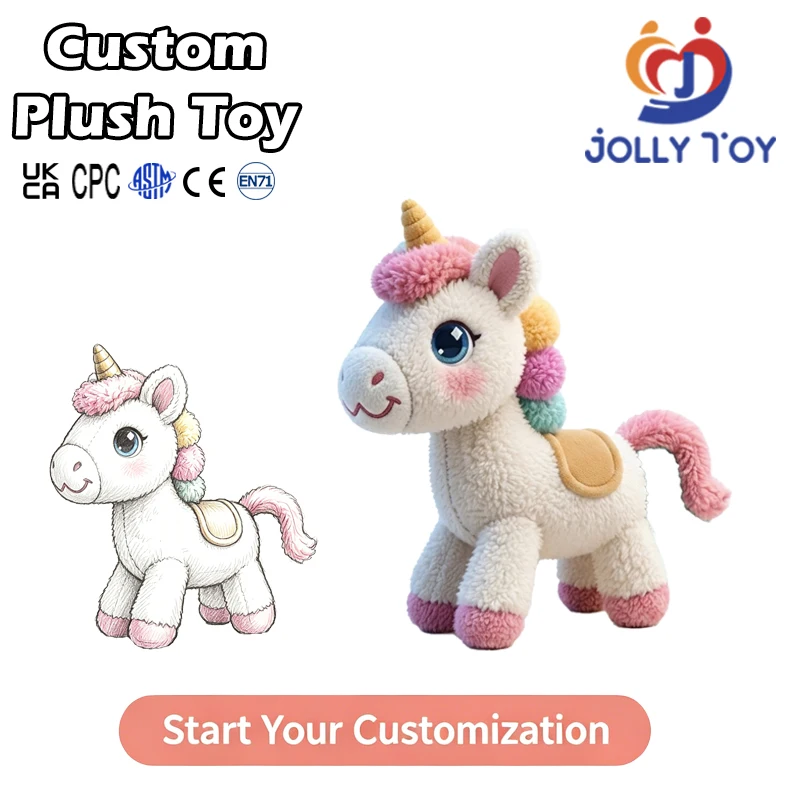
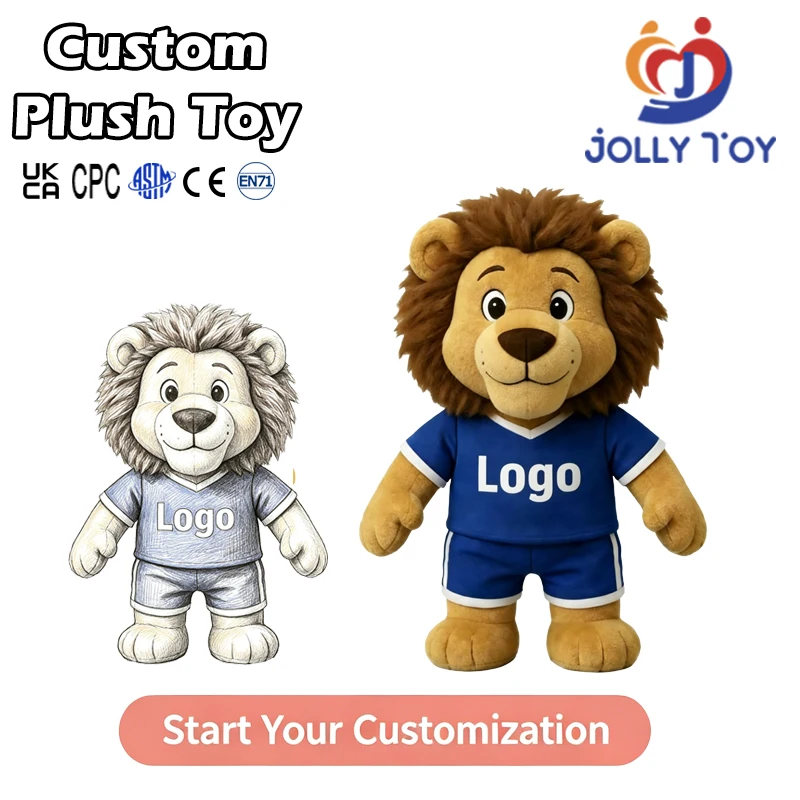
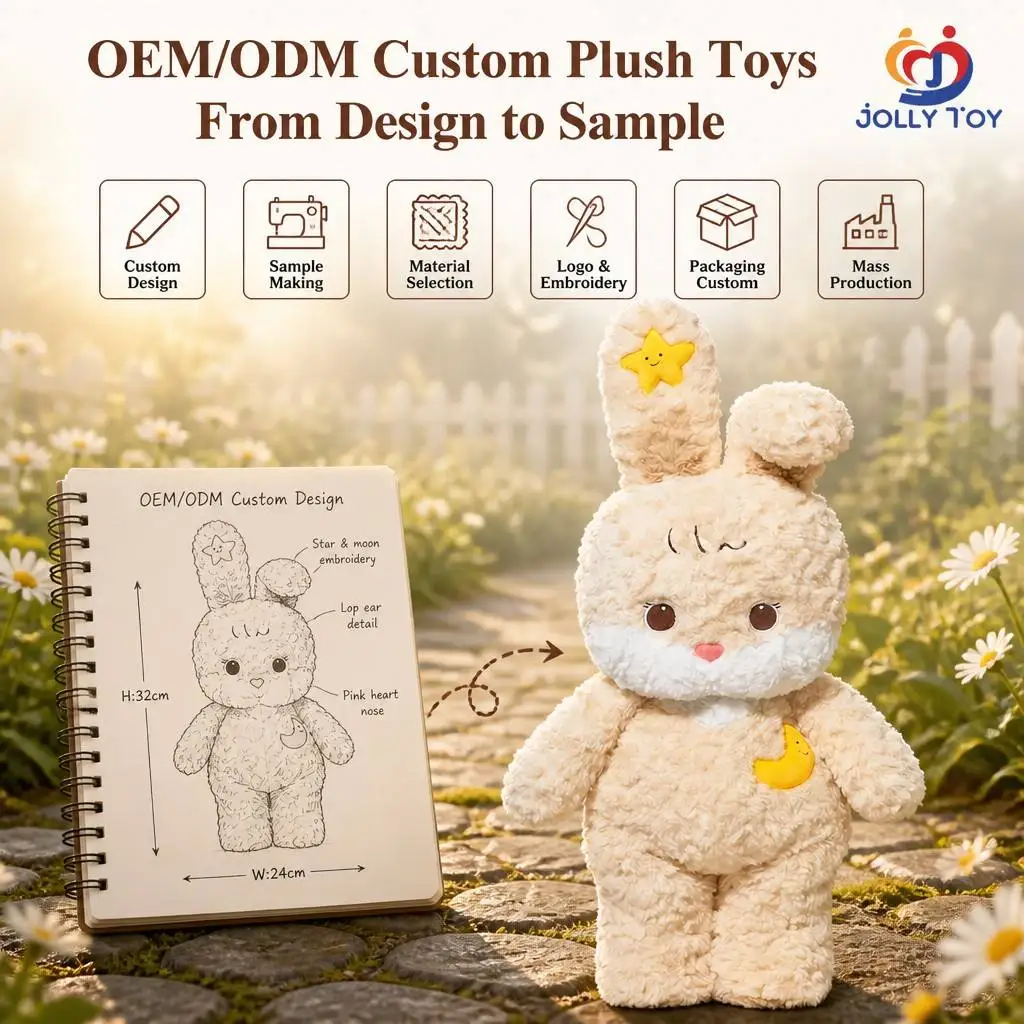
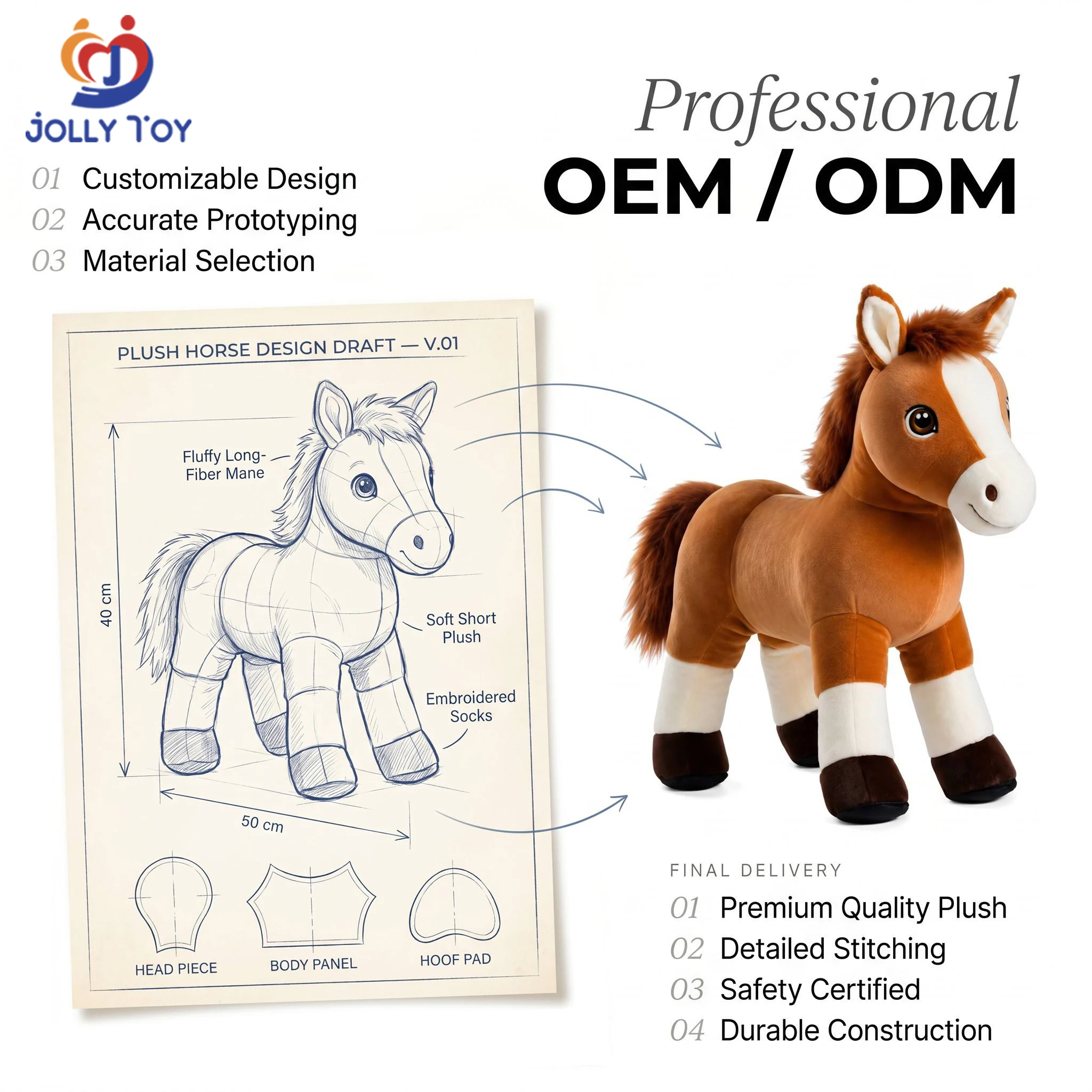
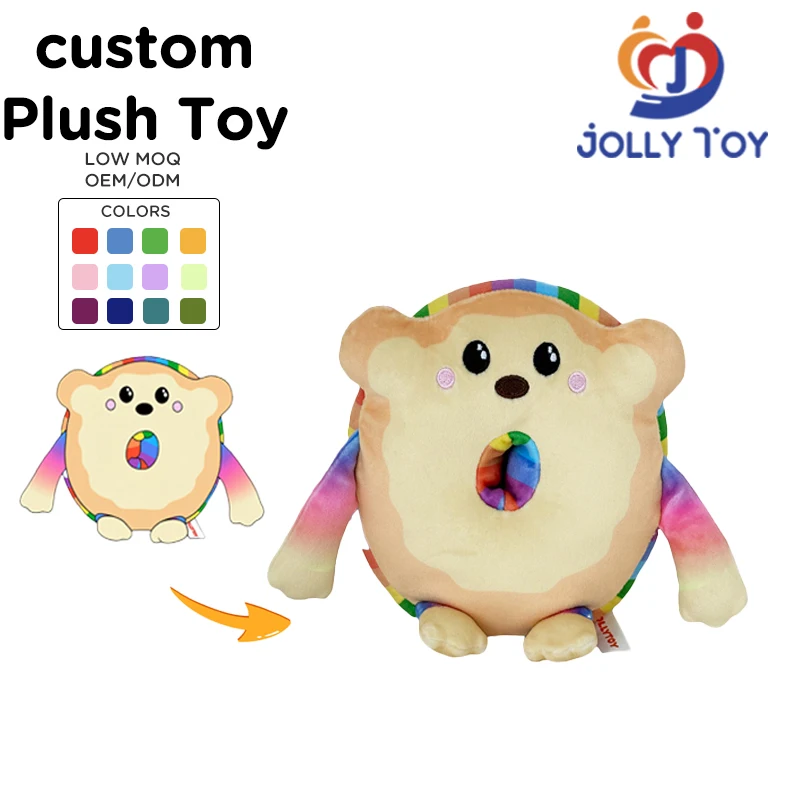
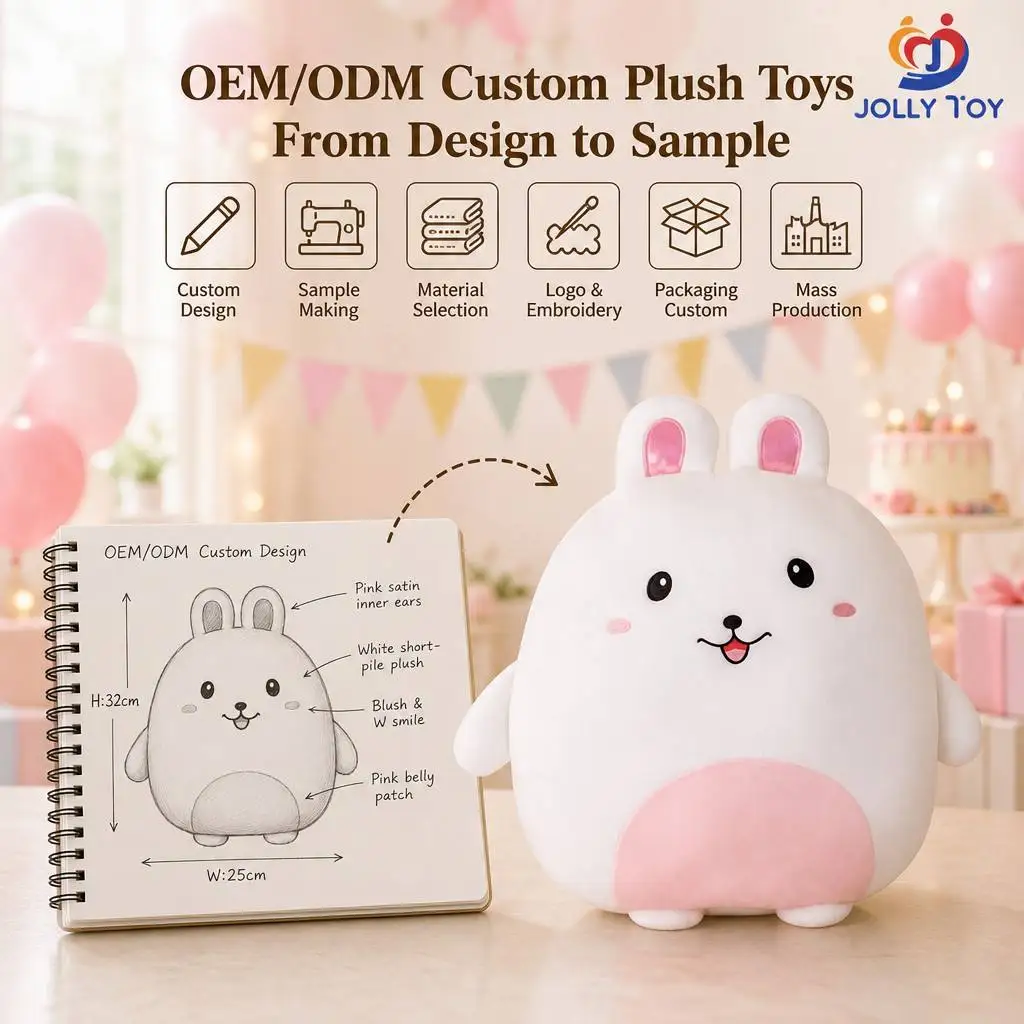
In the competitive world of B2B manufacturing, custom toys have become an essential product for businesses seeking to create unique branding opportunities and engage customers. As a one-stop manufacturer with over a decade of experience, we specialize in plush and plastic toys, offering end-to-end services from design to shipment. Buyers often have pressing concerns regarding quality, compliance, material safety, customization options, and the overall manufacturing process. This article aims to provide insights into finding reliable custom Plush Toys suppliers, key considerations for purchasing, ensuring safety, addressing common challenges, and understanding material advantages in custom toy manufacturing.
Finding a reliable supplier for custom toys is crucial for ensuring product quality and on-time delivery. Start by researching manufacturers with a proven track record in the toy industry, particularly those with experience in the specific type of toys you need, such as plush or plastic. Utilize online platforms like industry directories, trade shows, and local manufacturing associations to identify potential suppliers. It's essential to assess certifications such as ICTI, Sedex, and BSCI, which indicate a commitment to quality and ethical manufacturing practices. Request references from previous clients to gain insights into their experiences and the manufacturer's reliability. Engaging with plush toy suppliers who offer transparency in their processes, including design, production capacity, and quality control, will help you make informed decisions.
When evaluating suppliers for custom toys, numerous factors should be considered:
Customization Capabilities: Understand the level of customization the supplier can provide. This includes the ability to adapt designs, materials, and sizes to fit your specific requirements
Production Capacity: Assess the manufacturer’s annual production capacity. With our facility capable of producing 800,000 pieces annually, understanding the supplier's capacity can help you gauge their ability to meet your order volume and timelines
Quality Control Processes: Inquire about the quality assurance measures in place. Effective quality control processes should include sampling inspections, material testing, and compliance checks to ensure that products meet safety and quality standards
Lead Times and MOQs: Clarify the lead times for production and the minimum order quantities (MOQs) required. This information is vital for planning your inventory and cash flow
Material Selection: Discuss the materials used in toy manufacturing. The choice of materials can significantly affect safety, durability, and overall product performance.
Safety is paramount when it comes to custom toys, especially for children. Buyers should ensure that the toys comply with relevant safety regulations, such as ASTM F963 or EN71, depending on the market. Here are key points to consider for ensuring safe use:
Material Safety: Verify that the materials used are non-toxic and free from harmful substances. Certifications from recognized organizations can provide assurance of material safety
Design Considerations: Ensure that the toy design minimizes potential hazards, such as sharp edges or small parts that could pose choking risks
Testing and Compliance: Request detailed information about the safety testing conducted on the toys. This should include test results and compliance with applicable safety standards
By prioritizing safety, you can protect your customers and mitigate liability risks.
Even experienced manufacturers may face challenges during the production of custom toys. Here are some common problems and their solutions:
Production Delays: Delays can occur due to material shortages or unforeseen production issues. To address this, maintain open communication with your custom made plush toys supplier and establish contingency plans for critical components
Quality Variability: Variations in quality can arise from inconsistent manufacturing processes. Implementing strict quality control measures and conducting regular inspections can help ensure consistency across production runs
Sample Approval: Buyers often overlook the importance of sample approval. Before mass production, it’s crucial to review and approve a finished sample to confirm dimensions, fit, and overall design. This step can prevent costly mistakes down the line
Customization Challenges: Complex designs may lead to production difficulties. Collaborate closely with your supplier during the design phase to address any potential manufacturing challenges early
By anticipating these challenges and working collaboratively with your supplier, you can enhance the likelihood of a successful product launch.
The choice of materials in custom toy manufacturing significantly influences product quality, safety, and performance. Here are some material options and their advantages:
Plush Fabrics: Commonly used for stuffed toys, plush fabrics offer softness and comfort. They can be easily customized in various colors and textures, appealing to a wide range of consumers
Plastic Materials: Injection-molded plastic toys are durable and can be produced in intricate shapes. They are suitable for outdoor toys and can withstand wear and tear, making them ideal for active play
Eco-Friendly Options: With increasing consumer demand for sustainability, consider eco-friendly materials such as recycled plastics or organic fabrics. These options can enhance your brand’s appeal to environmentally conscious customers
Safety Standards: Ensure that the chosen materials comply with safety regulations and are free from harmful chemicals. This consideration is vital for maintaining consumer trust and product integrity
Understanding the advantages and applications of different materials will help you make informed decisions, ensuring that your custom toys meet both market demands and safety standards.

 EN
 AR
 CS
 DA
 NL
 FI
 FR
 DE
 EL
 IT
 JA
 KO
 NO
 PL
 PT
 RU
 ES
 SV
 IW
 UK
 TR
 AF
 GA
 IS
 LA