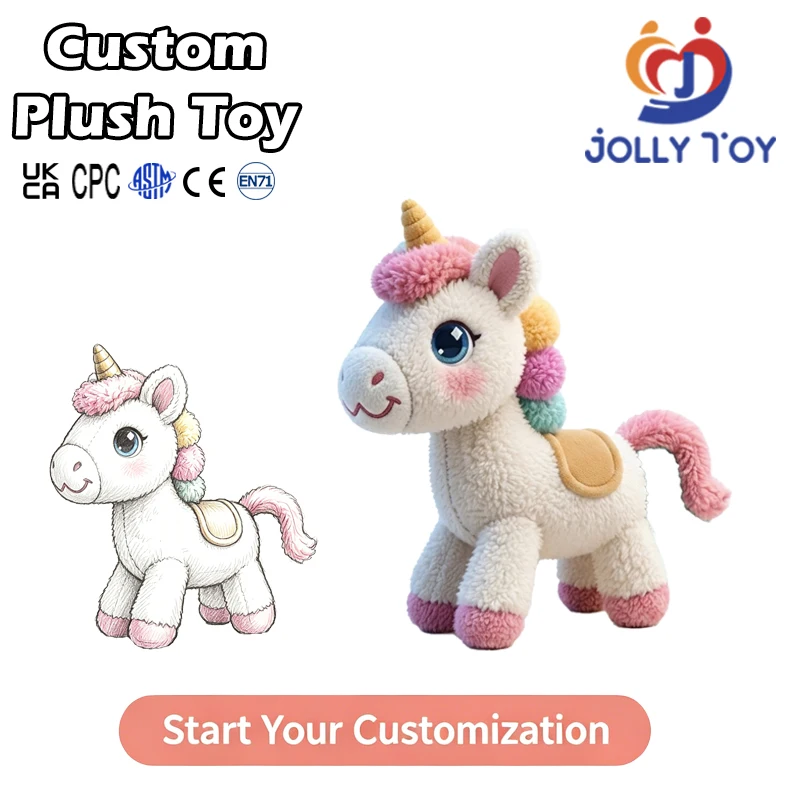
In the competitive landscape of toy manufacturing, understanding the intricacies of plush doll manufacturing is crucial for B2B buyers, including purchasing managers and product managers. Plush dolls are not just toys; Jolly Toy plush doll often serve as cuddly companions, promotional items, or educational tools. As a seasoned plush doll manufacturer with over ten years of experience, we recognize that buyers are primarily concerned with quality, safety, compliance, and the overall manufacturing process. This article will delve into the key factors that ensure quality in Jolly Toy custom doll manufacturing, common challenges faced, and what buyers should look for when selecting a manufacturer.
When evaluating plush doll manufacturers, several key factors establish the industry's standards for quality and safety. First, material selection is paramount; manufacturers must use high-quality, non-toxic fabrics and stuffing materials that meet international safety standards. Common materials include polyester and cotton blends that offer durability and softness.
Manufacturing capabilities also play a significant role. Advanced machinery for sewing, cutting, embroidery, and injection molding is essential to achieve precise designs and ensure consistency in production. Our Jolly Toy cute crochet doll
facility, for example, is equipped with state-of-the-art technology that enables us to produce up to 800,000 plush dolls annually, maintaining both quality and efficiency.
Additionally, a robust quality control process is vital. This includes thorough inspections at various stages of production, from raw material sourcing to final packaging. Buyers should expect manufacturers to implement strict quality assurance protocols to prevent defects and ensure that every doll meets specified standards.
B2B buyers frequently encounter specific issues when sourcing plush dolls. One common problem is the inconsistency in product quality, which can stem from the use of inferior materials or inadequate manufacturing processes. This inconsistency can lead to customer dissatisfaction and potential safety concerns.
To mitigate these risks, buyers should insist on obtaining pre-production samples. These samples allow for a comprehensive evaluation of the product's quality, including texture, stitching, and overall design. It’s crucial to test these samples under actual operating conditions to assess performance and durability.
Another issue is compliance with safety regulations. Plush dolls must adhere to stringent safety standards such as ASTM F963 or EN71. Buyers should verify that their suppliers hold relevant certifications, which can help ensure that products are safe for children. By requesting documentation of these certifications, buyers can confidently choose a manufacturer committed to safety and compliance.
Safety and compliance are non-negotiable in plush doll manufacturing. The materials used must be non-toxic, flame-retardant, and free from harmful chemicals, ensuring they are safe for children of all ages. Certifications like ICTI, Sedex, and BSCI are indications that a manufacturer adheres to ethical labor practices and environmental sustainability.
Moreover, regular testing of materials and finished products is essential to ensure they meet safety standards. Buyers should inquire about the manufacturer's testing protocols and request documentation of test results. This not only confirms compliance but also demonstrates the manufacturer's commitment to quality.
Additionally, packaging plays a crucial role in safety. Proper packaging can prevent contamination during shipping and handling and should be designed to prevent choking hazards for young children. Buyers should discuss packaging options with manufacturers to ensure they align with safety norms.
When preparing to source plush dolls, buyers should have a clear understanding of their requirements to facilitate a smooth purchasing process. Here are key considerations:
Product Specifications: Define the desired dimensions, weight, and design features of the plush dolls. This clarity helps manufacturers provide accurate quotes and samples.
Materials: Specify the types of materials required, including any preferences for eco-friendly or organic options. This can influence cost and compliance.
Quantity and Lead Time: Determine the minimum order quantity (MOQ) and expected lead times. This information helps manufacturers plan production schedules and manage inventory.
Customization Requirements: If customization is needed, such as unique designs or branding, provide detailed artwork and technical drawings. This ensures that the manufacturer can accurately reproduce the desired product.
Packaging Needs: Discuss how the dolls should be packaged, considering both aesthetic presentation and safety requirements.
By clearly communicating these factors, buyers can enhance their chances of receiving a product that meets their expectations.
Certifications serve as a crucial indicator of a plush doll manufacturer’s commitment to quality and compliance. Key certifications to look for include:
ICTI Care Process: Ensures ethical manufacturing practices and labor compliance. Sedex: Focuses on ethical trading and supply chain transparency. BSCI: Promotes fair labor practices and safe working conditions across global supply chains.
Buyers should not only look for these certifications but also verify their validity. This can be done by requesting documentation and checking the manufacturer's adherence to the standards. A supplier with recognized certifications is often more reliable and committed to maintaining high manufacturing standards.
Furthermore, engaging with suppliers who actively pursue continuous improvement in their processes and compliance measures can lead to better product quality and fewer issues over time. Trustworthy manufacturers often welcome inquiries about their certifications, demonstrating transparency and a commitment to ethical practices.
In summary, understanding the nuances of plush doll manufacturing—from material selection to compliance with safety standards—is vital for B2B buyers. By being informed and prepared, buyers can confidently select a manufacturer that meets their needs while ensuring the highest quality and safety for their products.

 EN
 AR
 CS
 DA
 NL
 FI
 FR
 DE
 EL
 IT
 JA
 KO
 NO
 PL
 PT
 RU
 ES
 SV
 IW
 UK
 TR
 AF
 GA
 IS
 LA