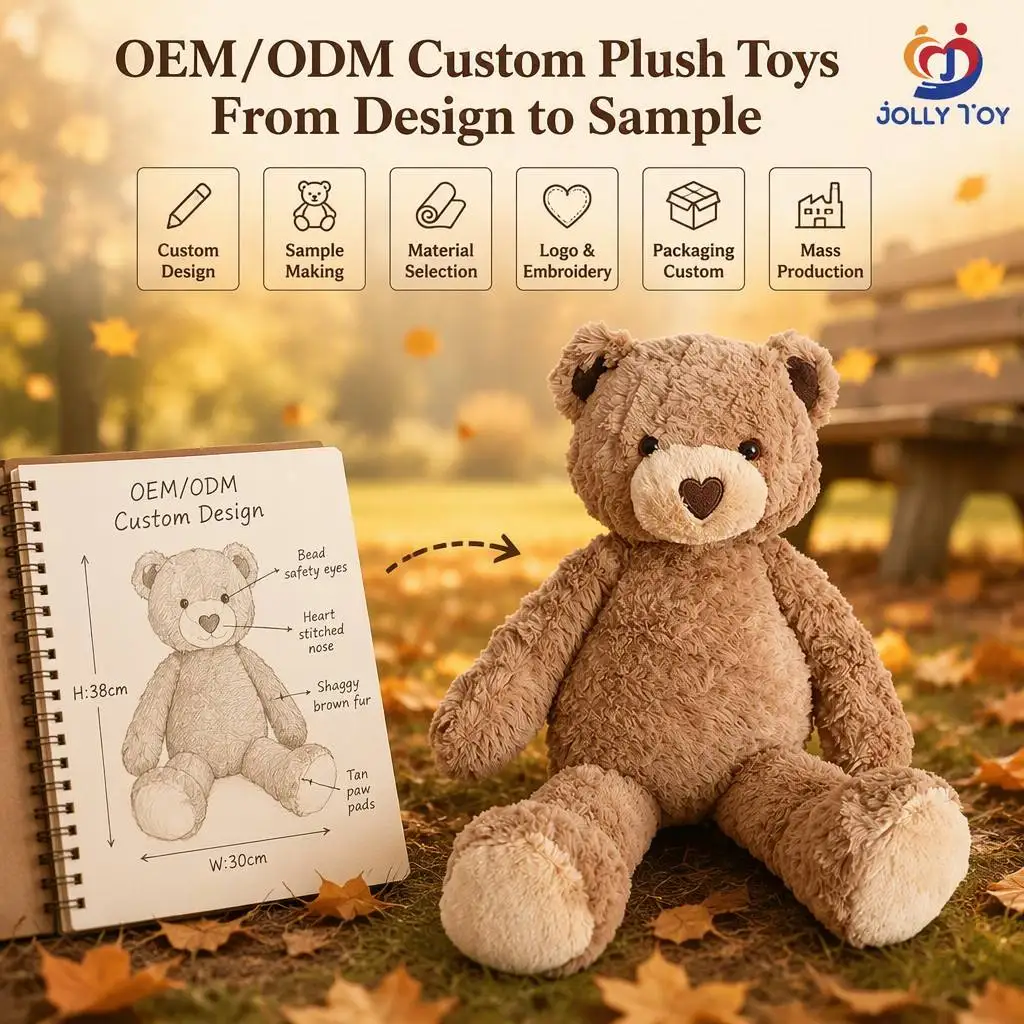
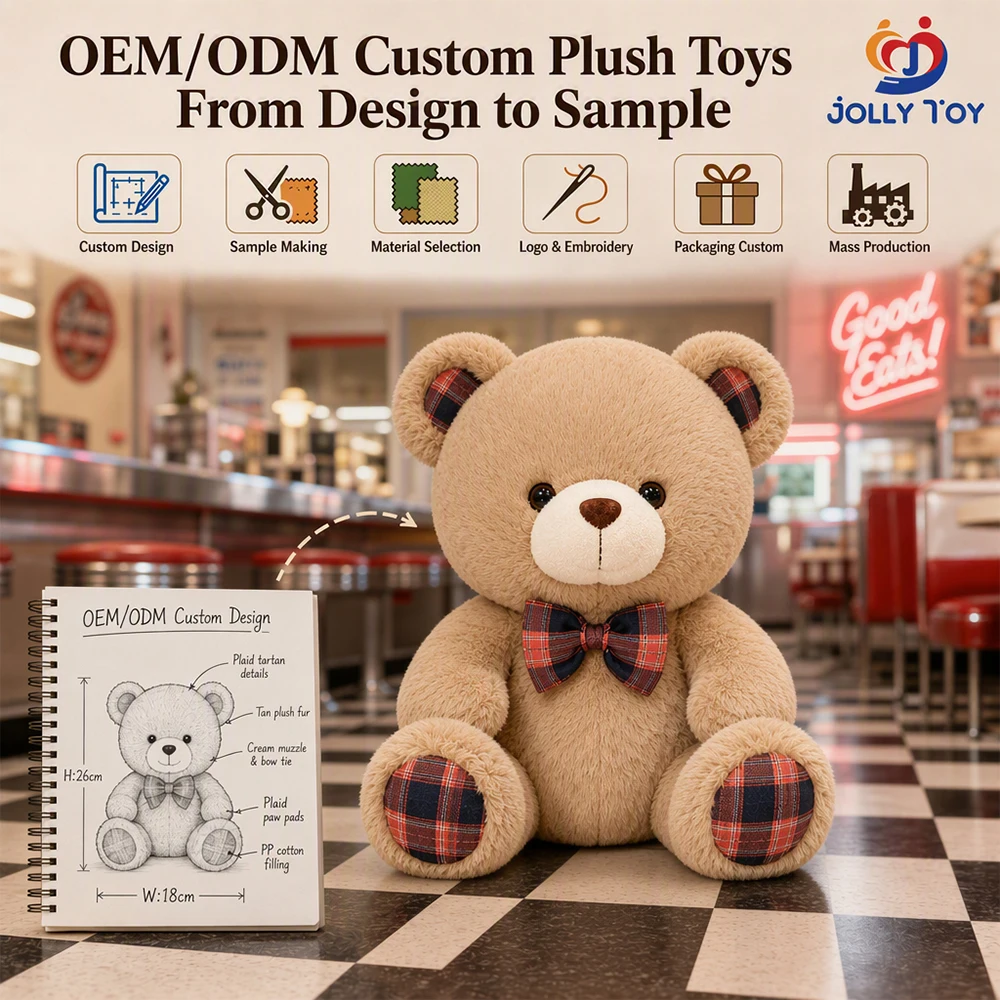
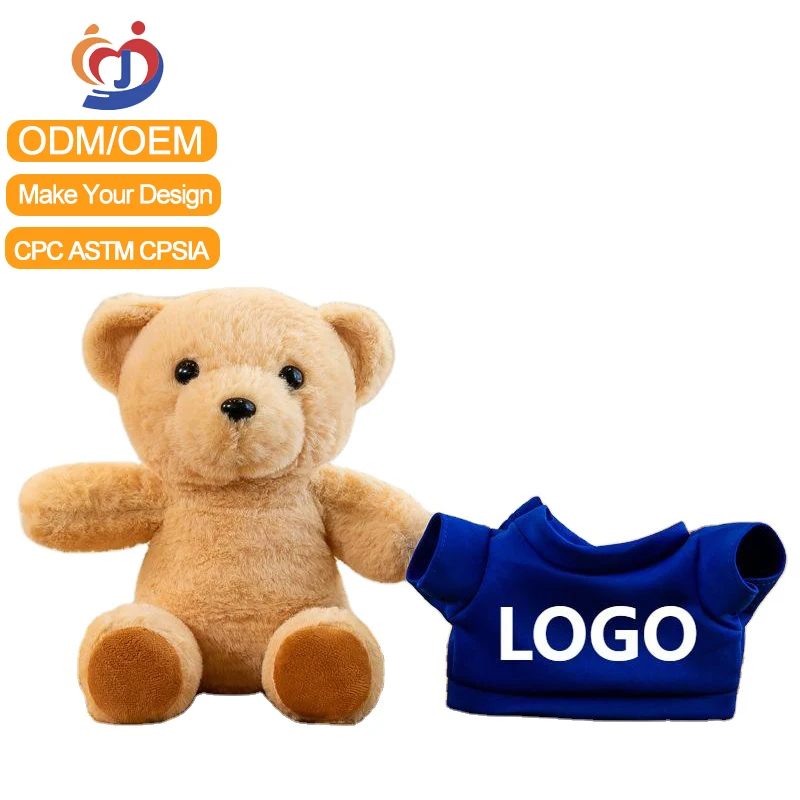
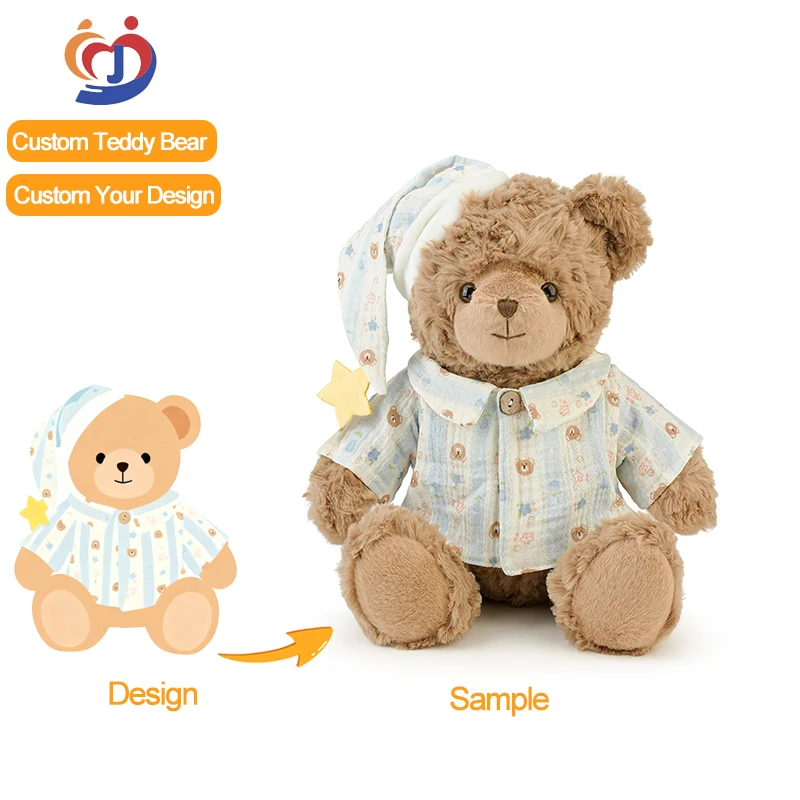
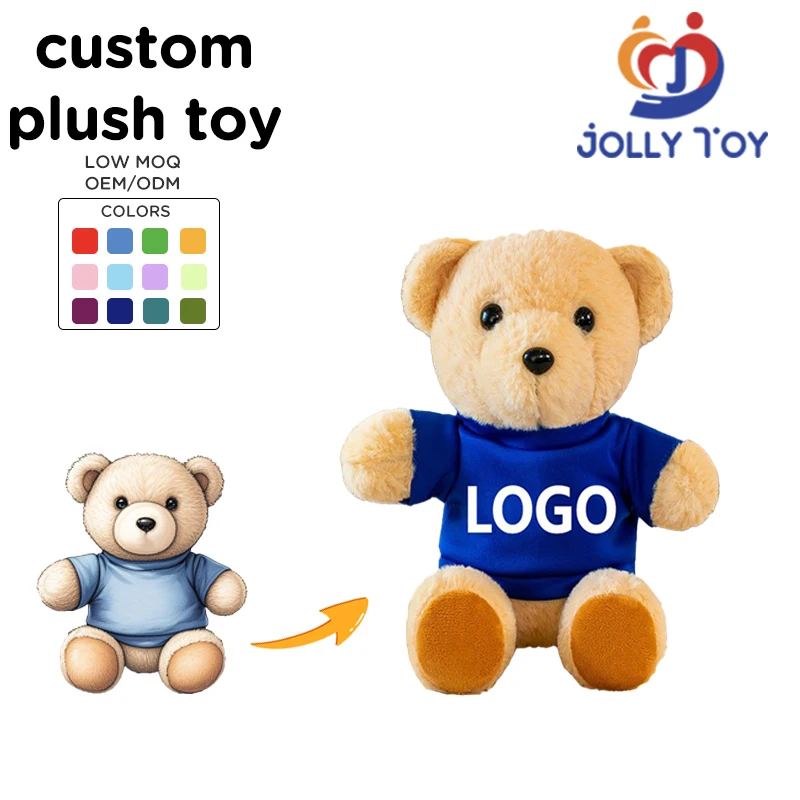
When selecting a teddy manufacturer for your wholesale needs, understanding the nuances of product specifications, quality control, and supplier reliability is essential. Teddy bears, as popular plush toys, come in various designs, materials, and sizes, making it crucial for purchasing managers and distributors to identify a manufacturer that meets their specific requirements. This article will guide you through the key considerations in selecting a custom made teddy bear manufacturer, ensuring you make informed decisions that align with your business objectives.
Choosing the right teddy supplier requires careful evaluation of several factors. Key considerations include their manufacturing capabilities, product range, and compliance with industry standards. A supplier with over ten years of experience, like our company, often has refined processes that ensure consistent quality.
Start by assessing the manufacturer's production capacity, which should align with your order volume. With an annual production capacity of 800,000 pieces, you can expect timely fulfillment of large orders. Additionally, confirm their customization capabilities. Many businesses seek unique designs or branding on their products. A capable manufacturer will work with you to tailor products to your specifications, including size, color, and material options.
Other important aspects include certifications such as ICTI, Sedex, and BSCI, which demonstrate a commitment to ethical manufacturing practices. These certifications ensure that the supplier adheres to social compliance standards, a growing concern for many retailers today. Lastly, consider their reputation in the market. Reviews, case studies, and references from previous clients can provide insight into their reliability and customer service.
When placing a bulk order for teddy bears, several specifications must be clearly defined to avoid issues during production. These include dimensions, material composition, and safety standards. Dimensions affect not only the product’s appearance but also its functionality and storage options. For instance, larger teddy bears may require more significant packaging, impacting shipping costs.
Material selection is equally critical. Common materials include polyester, cotton, and polyethylene, each offering different tactile qualities and durability levels. For example, polyester is often chosen for its softness and ease of cleaning, making it suitable for children’s toys. Ensure that the materials used meet safety standards relevant to your target market. In countries like the United States, plush toys must comply with ASTM F963 safety standards, which govern the use of non-toxic materials and secure fastening methods.
Finally, establish clear quality inspection criteria before mass production begins. This includes assessing sample products against your specifications to ensure they meet your expectations. A well-defined quality control process helps minimize defects and ensures that the final products align with your brand’s standards.
Sourcing reliable Jolly Toy teddy manufacturers involves a combination of research and networking. Start by leveraging online directories, industry trade shows, and B2B marketplaces. These platforms often provide a list of verified manufacturers and facilitate direct communication. When evaluating potential suppliers, consider visiting their facilities if possible. This allows you to assess their production capabilities firsthand and establish a personal connection.
Another effective strategy is to seek recommendations from industry peers. Participating in industry forums or groups can provide insights into reputable manufacturers and their experiences. Additionally, consider the geographical location of the supplier. Local manufacturers may offer shorter lead times and reduced shipping costs, while international suppliers might provide cost advantages but require careful consideration of tariffs and shipping logistics.
Once you identify potential manufacturers, request samples to evaluate their product quality and craftsmanship. This step is vital in ensuring that the supplier can meet your design and quality expectations before committing to a larger order.
When comparing teddy bears to other plush toys, several factors come into play, including consumer preference, market trends, and production complexities. Teddy bears are often viewed as classic gifts, making them popular for various occasions like birthdays, holidays, and promotional events. Their universal appeal offers a stable market demand, unlike specialized plush toys that may cater to niche audiences.
From a manufacturing perspective, custom pet teddy typically feature straightforward designs, which can simplify production. In contrast, other plush toys may require more intricate designs, additional components, or customization, potentially increasing production costs and lead times. It’s essential to consider your target market's needs when deciding on the type of plush toys to source.
Moreover, Jolly Toy teddy bears often have a broader age appeal, making them suitable for both children and adults. This versatility can be advantageous for businesses aiming to capture a wider customer base. However, it's crucial to ensure that the products are designed with safety in mind, especially when targeting younger demographics.
The choice of materials plays a critical role in the durability and longevity of teddy bears. Common materials used in teddy bear manufacturing include plush fabrics like polyester and cotton, as well as filling materials such as polyester fiberfill or foam. Each material offers different advantages in terms of softness, durability, and ease of care.
Polyester, for instance, is known for its resilience and resistance to wear and tear, making it an excellent choice for toys that will undergo frequent handling. It is also easy to clean, which is a significant advantage for parents looking for low-maintenance toys. Cotton, while softer and more breathable, may not have the same durability, especially if not treated for wear.
Additionally, consider the environmental impact of the materials used. Eco-friendly materials are becoming increasingly popular, appealing to consumers who prioritize sustainability. It’s worthwhile to discuss material options with your supplier and explore biodegradable or recycled materials, which can enhance your brand's marketability.
selecting the right Jolly Toy custom teddy manufacturer involves understanding the essential specifications, sourcing reliable partners, and evaluating the durability of materials. By taking a structured approach to your procurement process, you can ensure that your business meets customer demands while maintaining high-quality standards.

 EN
EN
 AR
AR
 CS
CS
 DA
DA
 NL
NL
 FI
FI
 FR
FR
 DE
DE
 EL
EL
 IT
IT
 JA
JA
 KO
KO
 NO
NO
 PL
PL
 PT
PT
 RU
RU
 ES
ES
 SV
SV
 IW
IW
 UK
UK
 TR
TR
 AF
AF
 GA
GA
 IS
IS
 LA
LA