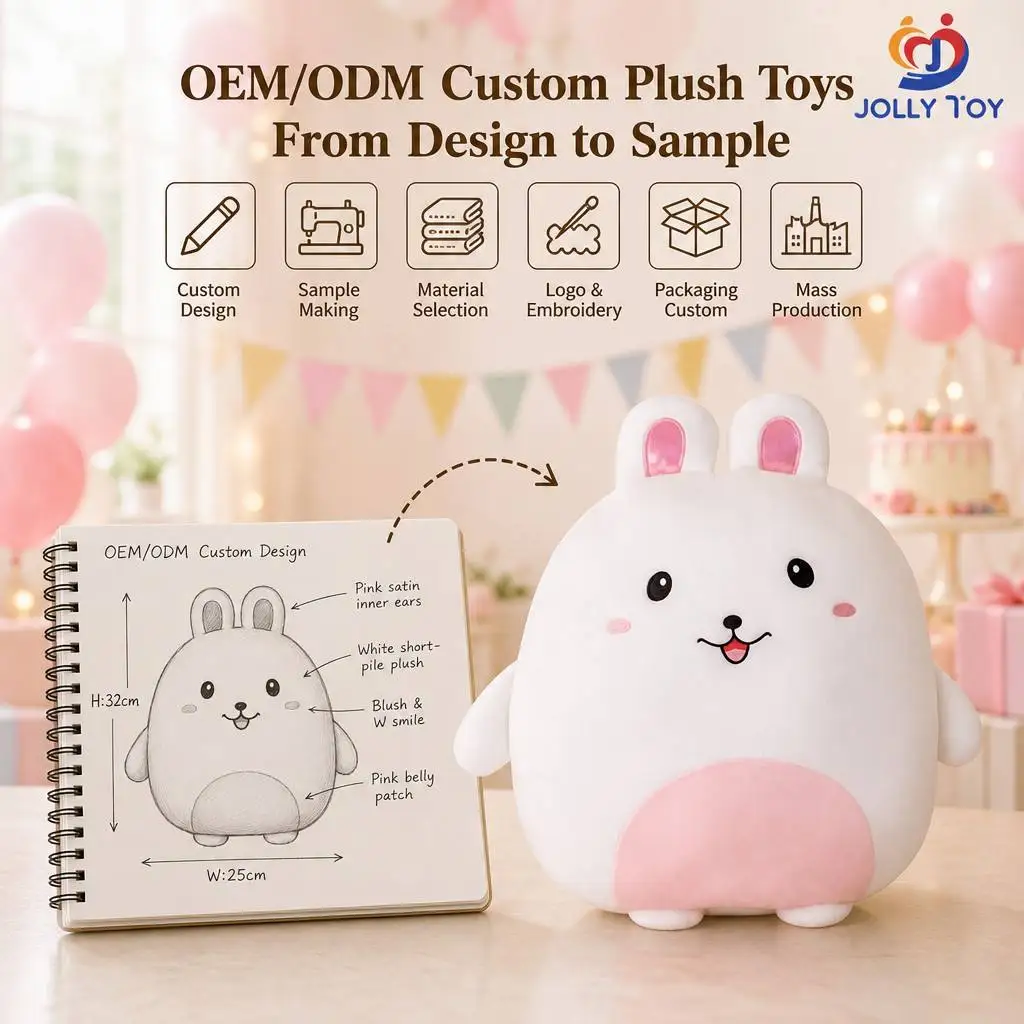
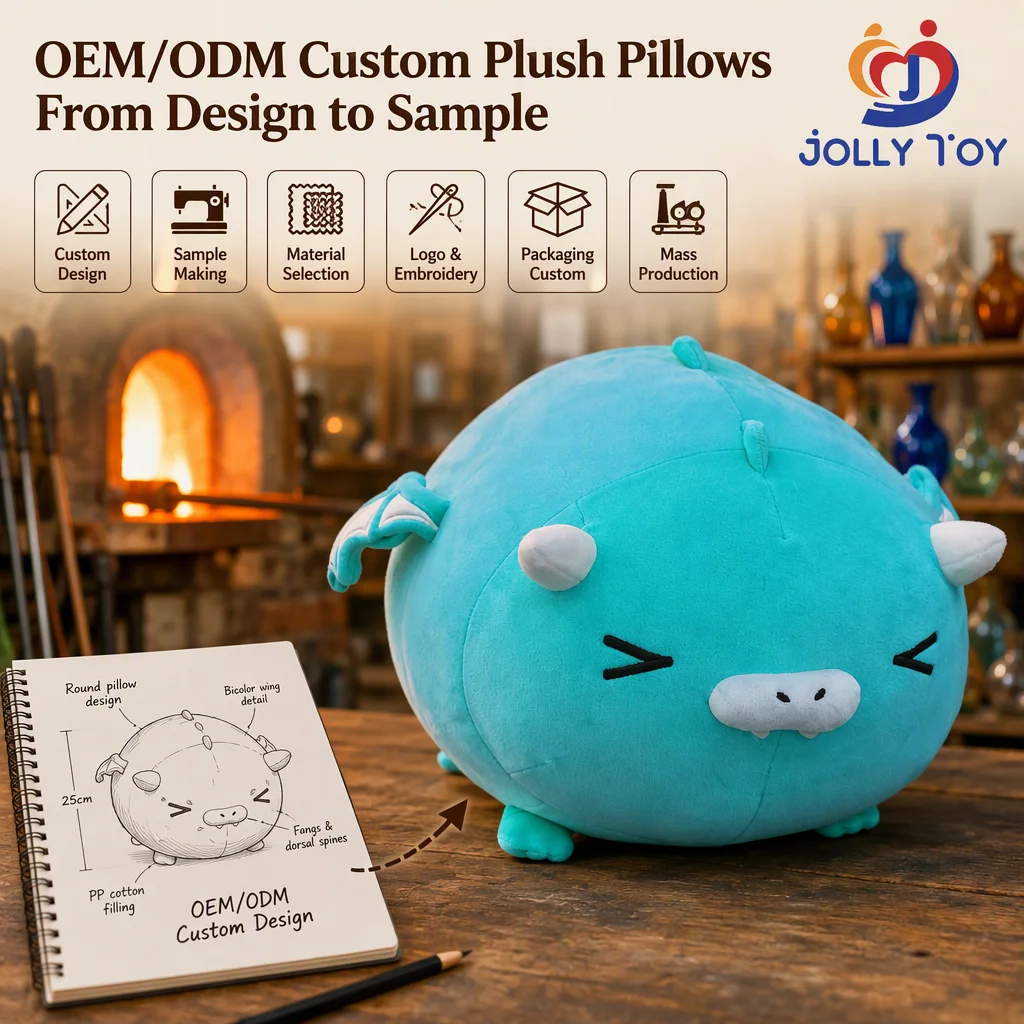
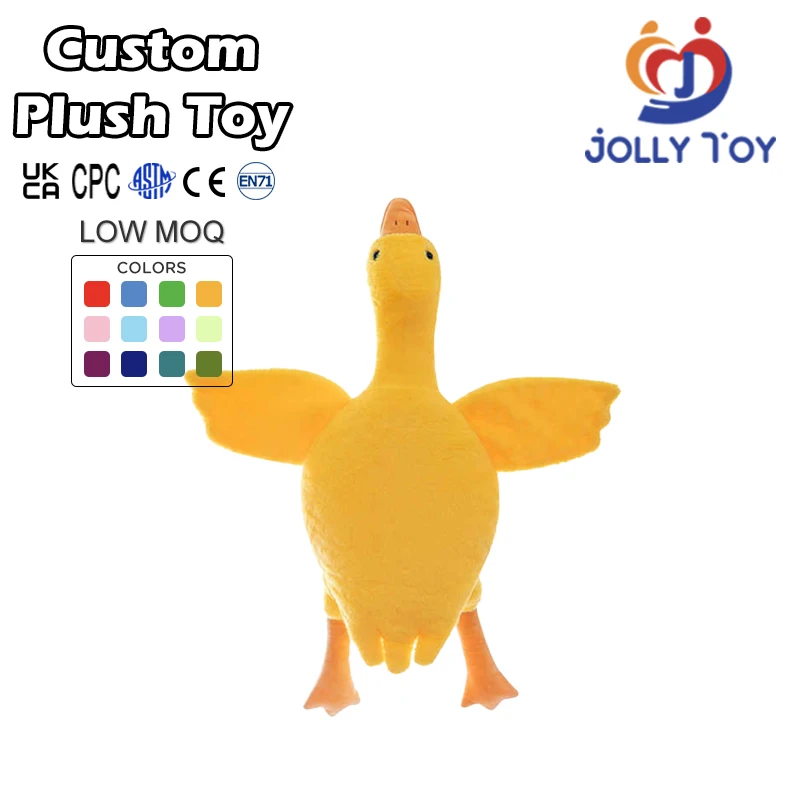
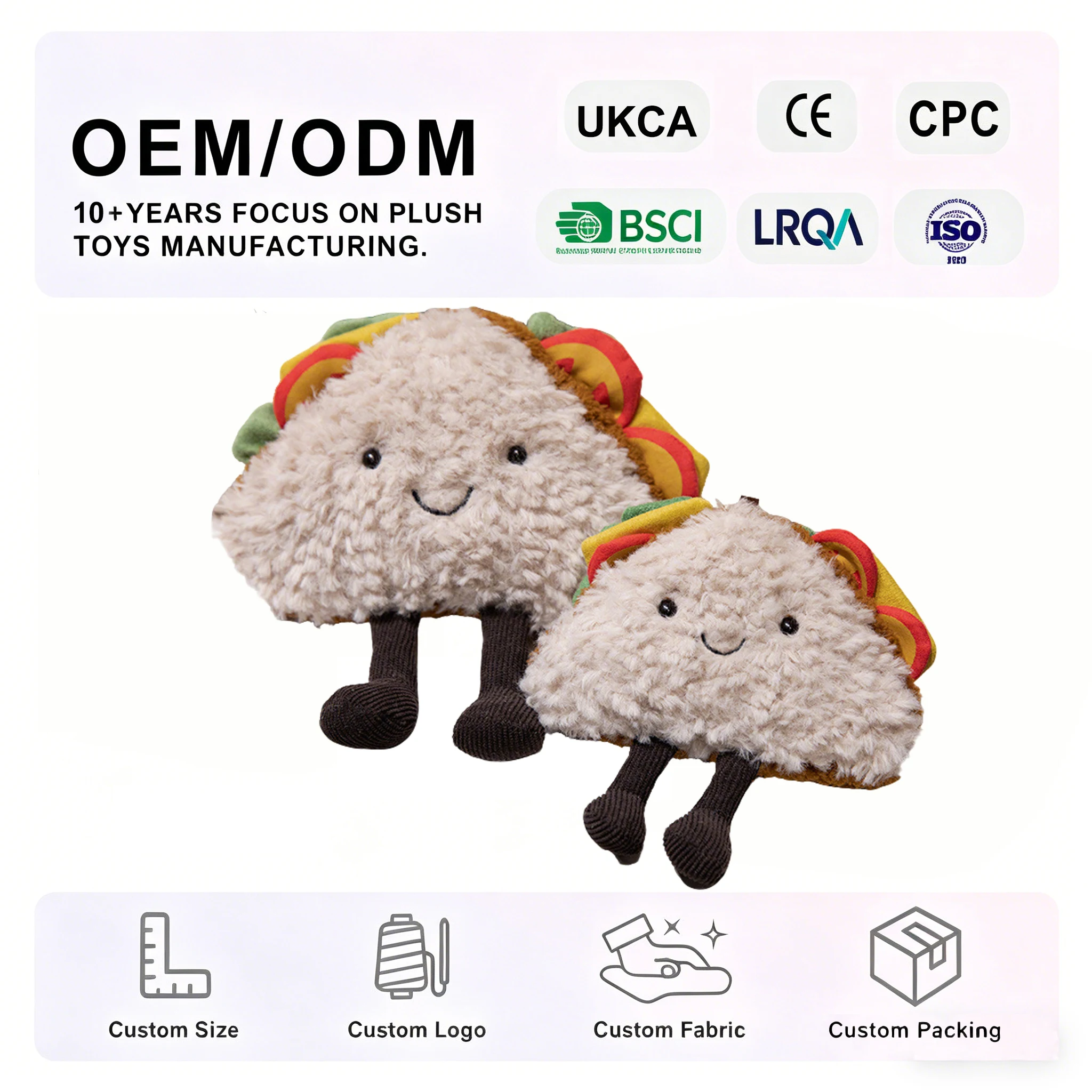
When considering toy pillows for wholesale orders, buyers must navigate a variety of factors to ensure they select the right products for their market. Toy pillows are soft, plush items designed both for comfort and play, and they can serve a variety of purposes in different settings, from retail to promotional use. As a buyer, you may have concerns regarding quality, material selection, production capabilities, and compliance with regulations. This article aims to guide you through the process of choosing the right custom plush pillow, from specifications to quality control, ensuring you make informed purchasing decisions.
Choosing the right toy pillow involves understanding your target market and their specific needs. Start by defining the intended use of the teddy pillows—will they be for children's playrooms, retail stores, or promotional giveaways? This will influence your selection in terms of design, size, and safety standards.
Next, consider the aesthetic appeal. Toy pillows come in various shapes, colors, and themes, so selecting designs that resonate with your target audience is crucial. Ensure that the designs are not only visually appealing but also comply with safety regulations, particularly for children’s products.
Finally, evaluate the supplier’s customization capabilities. A manufacturer should be able to accommodate your specific requests, whether it’s custom shapes or branding options. This flexibility can significantly enhance your product offering and marketability.
When sourcing toy pillows, several key specifications should be carefully evaluated:
Material Composition: The fabric used for the outer covering and filling is essential. Common materials include cotton, polyester, and blends, each offering different levels of durability and softness. Ensure that materials are non-toxic and comply with relevant safety standards.
Dimensions and Weight: The size of the toy pillow should be appropriate for its intended use. For instance, pillows for infants should be smaller and lightweight to ensure safety. Verify that the dimensions match your product requirements.
Stitching and Construction Quality: The stitching quality can significantly affect the pillow's durability. Double-stitched seams or reinforced edges are signs of a well-constructed toy pillow. Inspect samples to ensure they meet your quality expectations.
Safety Compliance: Check for certifications such as ICTI, Sedex, or BSCI, which indicate adherence to manufacturing standards and social compliance. This is particularly important for products aimed at children.
By addressing these specifications, you can ensure that the toy pillows you source will meet both consumer expectations and safety regulations.
Quality control is vital in the Jolly Toy pillow manufacturing process to ensure that every piece meets the necessary standards before it reaches the market. A robust quality control process typically involves several key stages:
Raw Material Inspection: Before production begins, all materials should undergo thorough inspections to confirm they meet the required safety and quality standards.
In-Process Quality Checks: During manufacturing, regular checks should be conducted at various stages—such as cutting, sewing, and filling—to identify any defects early. This minimizes the chances of faulty products making it through to the final inspection.
Final Product Testing: Once the customised throw pillow are completed, they must undergo final testing. This includes checking for consistency in size, weight, and visual appeal, as well as ensuring compliance with safety standards.
Documentation and Traceability: It’s essential that all quality checks are documented to maintain traceability. This is not only beneficial for internal audits but also necessary for compliance with industry regulations.
By understanding and emphasizing the importance of a thorough quality control process, you can ensure that your wholesale orders meet high standards of quality and safety.
Pricing is a critical aspect of sourcing toy pillows. Several factors will influence the overall cost:
Material Costs: The choice of fabric and filling will significantly affect the price. Higher-quality materials may come at a premium but can lead to better consumer satisfaction and lower return rates.
Manufacturing Processes: Different manufacturing techniques, such as embroidery or injection molding, can influence costs. Understanding the complexity of these processes can help you anticipate pricing variations.
Order Quantity: Bulk purchasing typically results in lower unit prices due to economies of scale. It is essential to discuss minimum order quantities (MOQ) with your supplier to ensure you can meet your budget while still fulfilling your needs.
Shipping and Logistics: Don’t overlook the costs associated with shipping, customs duties, and storage. These can add significantly to the final price, so factor them into your budget planning.
Customization Options: Custom designs or unique features can also impact pricing. Determine which Jolly Toy customizations are essential for your brand and weigh them against your budget.
By carefully considering these cost factors, you can make informed decisions that balance quality and affordability.
The materials used in Jolly Toy toy pillow manufacturing play a crucial role in determining the product's performance, safety, and appeal. Here are some common materials and their advantages:
Cotton: Known for its softness and breathability, cotton is a popular choice for toy pillows. It is hypoallergenic and comfortable against the skin, making it suitable for children. However, it may require careful washing to maintain its appearance.
Polyester: This synthetic material is durable and resistant to shrinking and wrinkling. Polyester toy pillows can be produced in various colors and patterns, providing excellent design versatility. They are also typically more affordable than cotton.
Memory Foam: For higher-end toy pillows, memory foam offers support and comfort, contouring to the sh ape of the user. While more expensive, these pillows can appeal to a market segment seeking premium products.
Recycled Materials: With increasing consumer awareness of sustainability, some manufacturers are utilizing recycled materials. These eco-friendly options can attract environmentally conscious buyers and add value to your product line.
Safety Compliant Fillings: Ensure that any filling material used—whether polyester fiberfill or foam—is safe and compliant with industry regulations. This is essential for maintaining consumer trust and meeting safety standards.
Understanding the advantages of different materials can help you select the right toy pillows that cater to your target audience while meeting safety and quality standards.
By keeping these insights in mind, you can navigate the complexities of sourcing toy pillows effectively, ensuring that your wholesale orders align with market demands and quality expectations.

 EN
EN
 AR
AR
 CS
CS
 DA
DA
 NL
NL
 FI
FI
 FR
FR
 DE
DE
 EL
EL
 IT
IT
 JA
JA
 KO
KO
 NO
NO
 PL
PL
 PT
PT
 RU
RU
 ES
ES
 SV
SV
 IW
IW
 UK
UK
 TR
TR
 AF
AF
 GA
GA
 IS
IS
 LA
LA