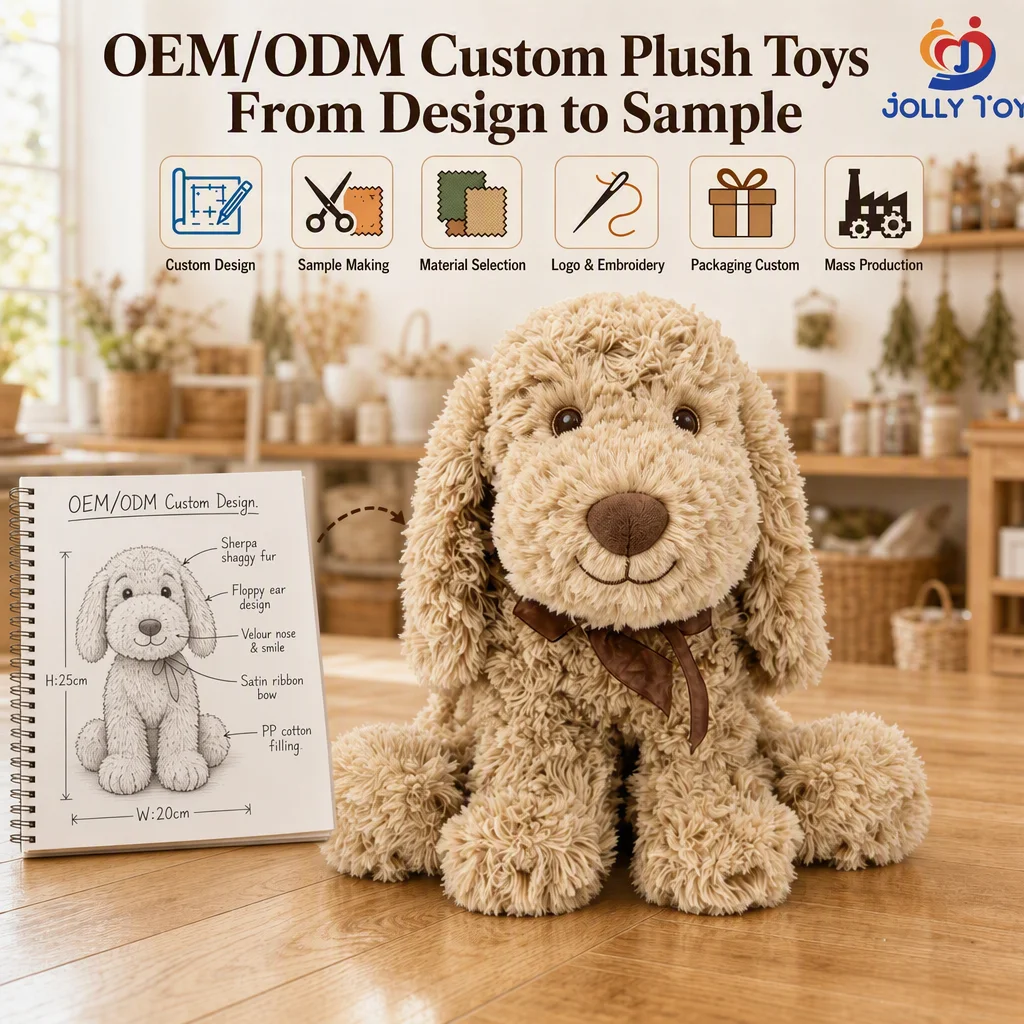
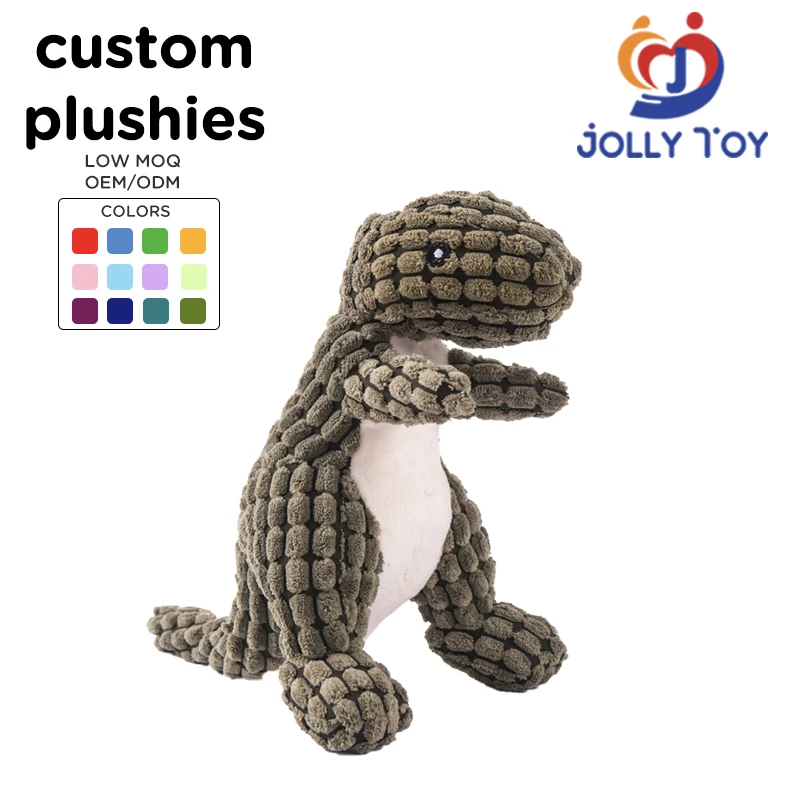
Toy puppets are versatile and engaging products that can captivate audiences of all ages, making them popular choices for educational purposes, entertainment, and promotional activities. As a B2B buyer, whether you're a purchasing manager or a product distributor, understanding the intricacies of sourcing toy puppets is crucial for ensuring quality, compliance, and customer satisfaction. This article will delve into key considerations surrounding the evaluation, sourcing, and selection of toy hand puppets, helping you make informed decisions for your business needs.
When assessing the quality of toy puppets, several factors should be considered to ensure they meet your business requirements. Begin by examining the materials used, as they can significantly affect durability, safety, and aesthetics. Common materials include plush fabrics for soft puppets and high-grade plastics for more rigid designs. Ensure that these materials comply with safety standards, particularly for children's toys. Next, consider the manufacturing processes involved. A reputable manufacturer will implement strict quality control measures throughout production, including testing for safety and durability. Certifications such as ICTI and BSCI indicate adherence to ethical labor practices and product safety standards. Before making a purchase, request samples to evaluate the craftsmanship, appearance, and functionality of the puppets, ensuring they align with your expectations. Lastly, confirm the manufacturer's production capacity and lead times. A finger puppet manufacturer with an annual production capacity of 800,000 pieces, for instance, may be better suited to handle larger orders without compromising quality or delivery timelines.
Cost considerations are critical when sourcing toy puppets in bulk. The primary factors influencing pricing include materials, complexity of design, and order quantity. For example, puppets crafted from premium materials or featuring intricate designs typically come at a higher price point. Additionally, the minimum order quantity (MOQ) can impact overall costs. Manufacturers often set MOQs based on their production capabilities and economies of scale. Be sure to discuss your specific needs with potential suppliers to find a balance between quality and cost-effectiveness. Shipping costs also play a significant role in total expenditure. Factors such as the shipping method, distance, and any customs duties should be considered when calculating your budget. It's wise to obtain comprehensive quotations from multiple suppliers to ensure you are making a financially sound decision.
When preparing to purchase toy puppets, it's essential to gather specific information to streamline the process. Here’s a checklist of what to consider:
Product Type: Specify the type of puppet (eg., finger puppets, hand puppets) and their intended use - eg., educational, promotional
Specifications: Confirm dimensions, materials, and construction methods. This includes understanding if the puppets need to be machine washable or have specific safety ratings
Customization Needs: Determine if you require custom designs or branding, as many manufacturers offer these services
Quantity: Clearly define the number of units you need since this will affect pricing and lead times
Delivery Timeline: Discuss your timeline for delivery, especially if the puppets are intended for a specific event or season
Sample Approval: Always request samples before mass production to verify that the product meets your expectations
By preparing this information in advance, you can facilitate smoother discussions with potential suppliers and ensure you receive products that align with your business goals.
Importing toy puppets can present various challenges that buyers should be aware of. One common issue is compliance with safety regulations. Different countries have varying standards for toy safety, so it's crucial to ensure that the puppets meet the relevant regulations in your target market. Always verify that the manufacturer provides necessary documentation to prove compliance. Another challenge can be related to shipping delays and customs issues. To mitigate this, work with suppliers who have experience in exporting to your region. They should be familiar with the necessary paperwork and customs procedures to avoid unexpected hold-ups. Additionally, communication barriers can arise during the importing process. Ensure that your chosen supplier has a clear communication protocol in place, preferably with a dedicated point of contact who speaks your language fluently.
Selecting the right toy puppets for your project requires a careful evaluation of various factors. Start by considering the target audience and their preferences. For instance, vibrant colors and playful designs may appeal more to younger children, while more sophisticated designs may attract older demographics. Next, assess the intended application. If the puppets are for educational purposes, consider how they will be used in learning environments. This might influence the materials selected, as durability and safety become paramount when used by children. Customization options also play a critical role in the selection process. Many manufacturers, including those with advanced machinery capabilities, can create tailored designs to suit your branding or thematic needs. Discuss these options with your supplier to ensure the final products reflect your vision. Finally, evaluate potential packaging methods. The right packaging can enhance the presentation and protect the puppets during shipping. Consider eco-friendly packaging solutions as well, as sustainability is increasingly important to consumers. By following these guidelines, you can effectively choose childrens puppets that not only meet your project's needs but also resonate with your audience, ensuring a successful purchase outcome.

 EN
EN
 AR
AR
 CS
CS
 DA
DA
 NL
NL
 FI
FI
 FR
FR
 DE
DE
 EL
EL
 IT
IT
 JA
JA
 KO
KO
 NO
NO
 PL
PL
 PT
PT
 RU
RU
 ES
ES
 SV
SV
 IW
IW
 UK
UK
 TR
TR
 AF
AF
 GA
GA
 IS
IS
 LA
LA